High-efficiency, automated machinery engineered for industrial composting, manure management, and sustainable resource recovery.
An in-depth analysis of regulatory shifts, market drivers, and technological innovations shaping organic waste management.
As municipal solid waste (MSW) generation rates continue to climb globally, environmental regulatory frameworks are shifting decisively away from traditional landfill disposal. Landfills are major contributors to anthropogenic methane emissions, a greenhouse gas with a warming potential significantly higher than carbon dioxide. Consequently, international initiatives, such as the EU's Landfill Directive and various state-level organic waste bans in North America, are forcing municipalities and agricultural enterprises to adopt localized, active biological treatment systems.
Thermophilic aerobic fermentation and closed-loop in-vessel composting have emerged as the gold standards for processing organic fractions. These methodologies not only mitigate greenhouse gas emissions but also stabilize organic matter, converting hazardous bio-wastes into nutrient-rich, pathogen-free organic fertilizers. This transition is a cornerstone of the circular bio-economy, returning vital organic carbon and nitrogen back to depleted agricultural soils.
ESG Compliance: Multinational corporations are under intense pressure to report zero-waste-to-landfill achievements.
Soil Degradation: Global agricultural sectors require high-grade organic inputs to restore soil microbiome health and moisture retention capabilities.
Economic Incentives: Subsidies for green energy, organic farming, and carbon credit offsets are driving private investment into composting infrastructure.
Engineering excellence, advanced manufacturing capabilities, and customized waste treatment technologies.
Established in 2013 and headquartered in the industrial hub of Chengdu, Sichuan Province, China, Chengdu AgBio Energy Co., Ltd. has grown into a premier manufacturer of organic waste composting equipment and sustainable waste treatment systems. Operating from a state-of-the-art 16,000 square meter facility, our team of over 230 engineers, technicians, and fabrication specialists design and build systems that meet rigorous international standards.
Understanding that organic waste streams vary widely based on geography, climate, and industry, AgBio Energy offers comprehensive OEM and ODM services. Our engineering team works directly with environmental consultants, municipal planners, and agricultural enterprises to customize vessel capacities (ranging from 45 to 220 m³), structural materials (such as high-grade SUS304 or SUS316L stainless steel for corrosive environments), and automation levels (PLC integration, SCADA monitoring, and remote IoT diagnostics).
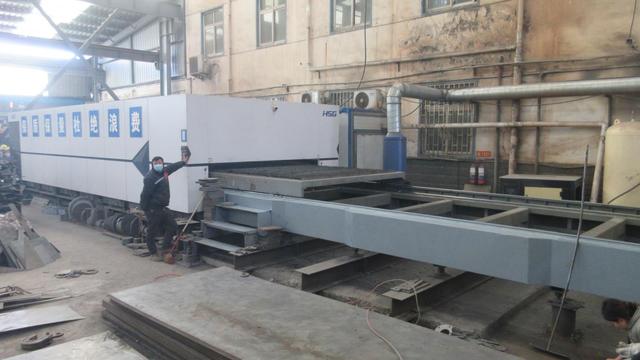
Our integrated production workflow—encompassing raw material sourcing, precision laser cutting, robotic welding, thermal insulation application, and rigorous load testing—ensures that every piece of machinery leaving our factory is optimized for long-term operational reliability in harsh, corrosive environments.
Why global enterprises partner with Chinese manufacturers for large-scale environmental infrastructure.
China's industrial ecosystem provides unparalleled access to high-grade steel, advanced electrical components (such as Siemens PLCs and ABB motors), and specialized biological inoculants. This proximity reduces lead times and component costs significantly compared to Western manufacturers.
With a large, skilled engineering workforce, Chengdu AgBio Energy can transition a custom design from CAD blueprints to a finished, tested machine in a fraction of the time required by regional fabricators elsewhere, ensuring project timelines are met.
Sourcing wholesale environmental solutions from China allows project developers to optimize their capital expenditure (CAPEX). Lower fabrication costs mean more budget can be allocated to site preparation, auxiliary systems, and operational training.
Real-world deployments of AgBio Energy systems across diverse commercial and municipal sectors.
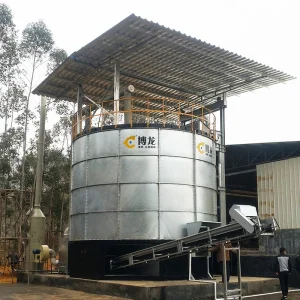
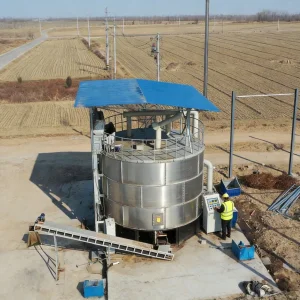
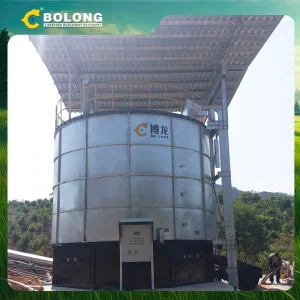
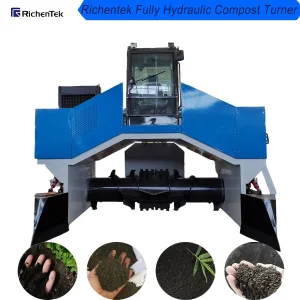
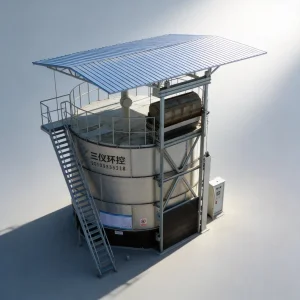
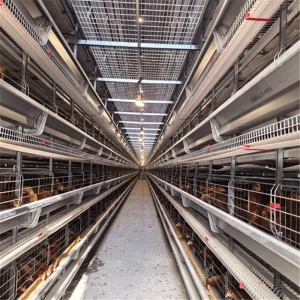
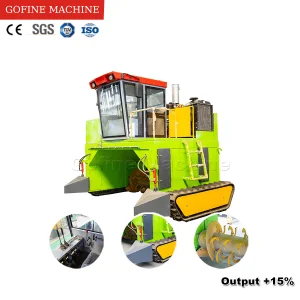
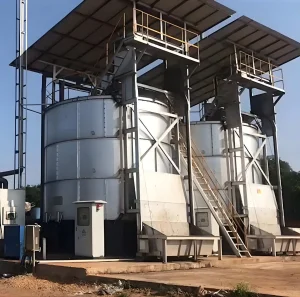
Large-scale poultry and swine farms generate massive volumes of high-moisture manure daily. Untreated manure leads to severe odor complaints, ammonia emissions, and groundwater contamination. Our in-vessel fermentation tanks and wheel-type compost turners allow farms to process manure immediately. By mixing manure with carbon-rich bulking agents (like straw or wood shavings), the system maintains a thermophilic state (55-65°C) that kills pathogens and weed seeds, producing a stable, dry organic fertilizer ready for packaging or field application.
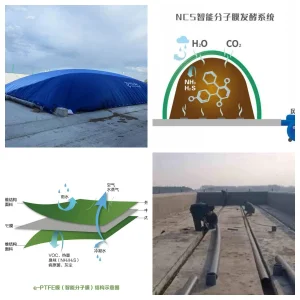
Sewage sludge (biosolids) from municipal wastewater treatment plants presents a significant disposal challenge. Our aerobic fermentation systems, including membrane-covered compost systems, process dewatered sludge efficiently. The membrane technology allows oxygen to enter while keeping moisture and odors contained, facilitating rapid biological stabilization. This process turns municipal liabilities into soil conditioners suitable for forestry, land reclamation, or non-food crop agriculture.
Hotels, universities, and food processing facilities generate highly putrescible organic waste. Traditional composting is often impractical due to space constraints and odor issues. AgBio Energy's compact, fully enclosed automatic organic waste compost machines offer a localized solution. These units process food waste on-site, reducing waste volume by up to 85-90% within 24 hours, significantly lowering hauling costs and carbon footprints.
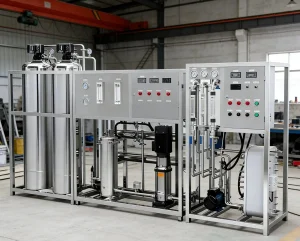
Beyond solid waste, industrial manufacturing, electronics, and pharmaceutical sectors require high-purity process water. Our energy-saving RO water purification systems, boasting a 98% salt rejection rate and long-life membranes, provide a reliable water supply while minimizing wastewater discharge, aligning with modern Zero Liquid Discharge (ZLD) mandates.
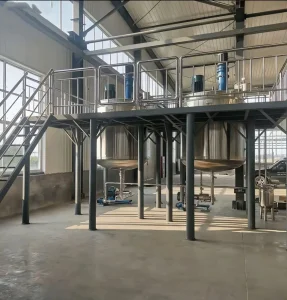
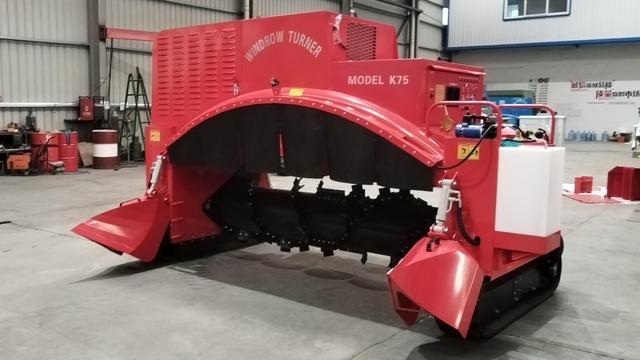
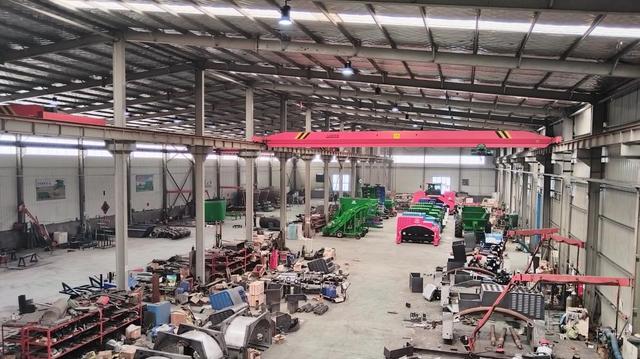
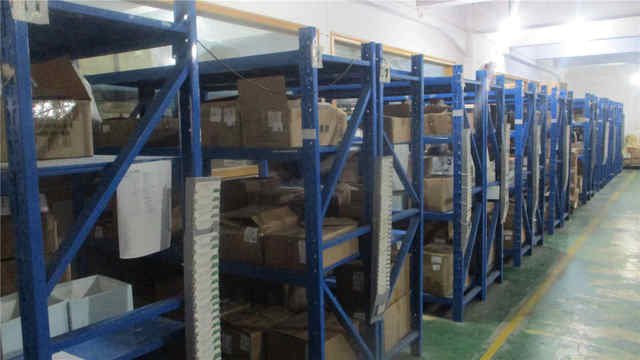
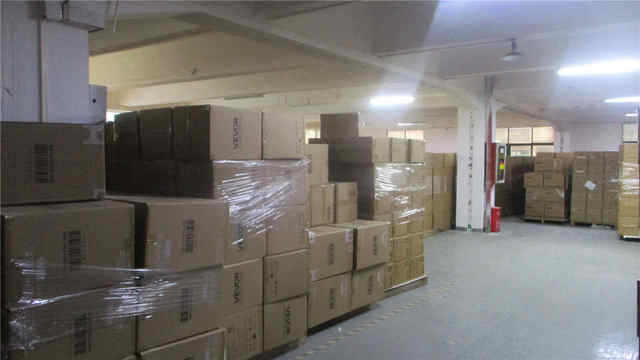
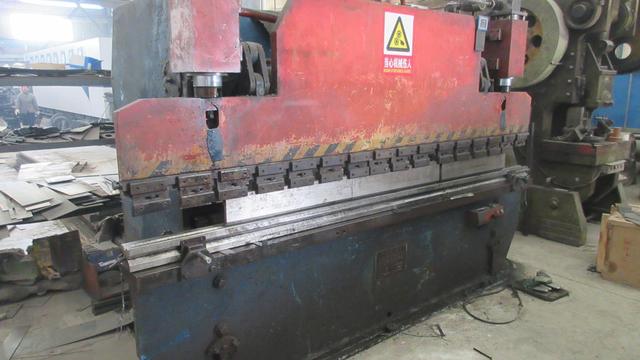
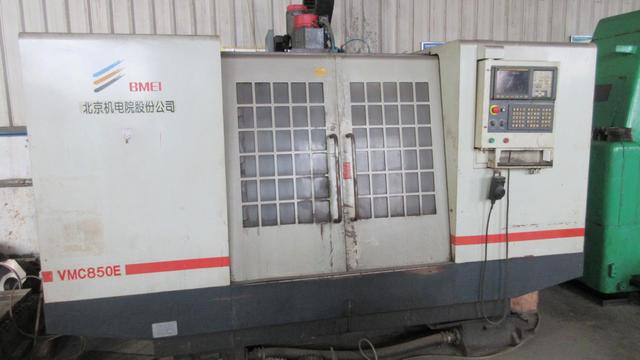
A visual look inside Chengdu AgBio Energy's production lines, assembly areas, and finished equipment inventory.
Crucial engineering parameters and compliance standards for international B2B procurement officers.
When sourcing industrial waste treatment systems, global procurement teams must evaluate equipment based on lifecycle costs, operational efficiency, and regulatory compliance. Key technical parameters include:
At Chengdu AgBio Energy, we address these requirements by integrating advanced sensors and control systems into our machinery. Our PLC systems monitor temperature, moisture, and oxygen levels in real-time, automatically adjusting aeration rates to maintain optimal biological activity. This level of automation minimizes labor costs and ensures consistent product quality, making our systems highly competitive in the global market.
Expert answers to common technical and operational inquiries regarding organic waste treatment machinery.
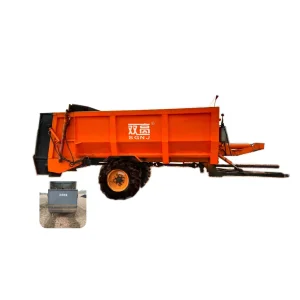
From agricultural shredders to municipal sludge systems, discover our diverse portfolio of environmental machinery.
 AgBio Energy