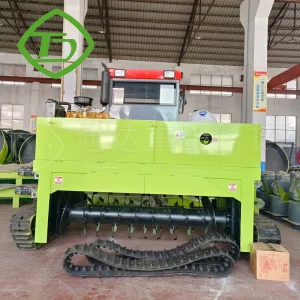
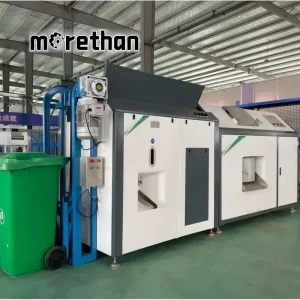
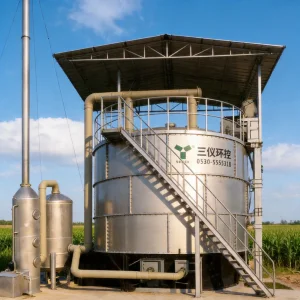
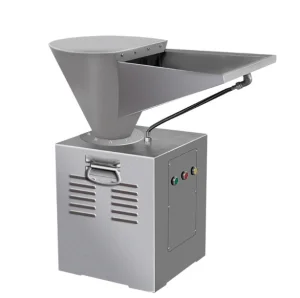
Chengdu AgBio Energy Co., Ltd. is a professional manufacturer specializing in organic waste composting equipment, food waste recycling systems, and sustainable waste treatment solutions. Established in 2013 and headquartered in Chengdu, Sichuan Province, China, the company is dedicated to helping businesses, agricultural operations, municipalities, and environmental service providers transform organic waste into valuable resources. With a modern manufacturing facility covering more than 16,000 square meters and a team of over 230 employees, AgBio Energy delivers efficient and environmentally responsible waste management technologies to customers around the world.
In the era of climate urgency and the shift towards a Circular Economy, plant residue recycling is no longer a peripheral environmental concern—it is a core industrial necessity. As a leading Custom OEM Plant Residue Recycling Solutions Manufacturer, Chengdu AgBio Energy Co., Ltd. recognizes that agricultural stalks, forestry remains, and food processing by-products contain untapped chemical energy and nutrient value. Our mission is to bridge the gap between "waste" and "wealth" through engineering excellence.
Global agriculture and urban development generate billions of tons of organic residue annually. Traditional disposal methods—landfilling and open burning—contribute significantly to methane emissions and air pollution. Our integrated solutions address three critical sectors:
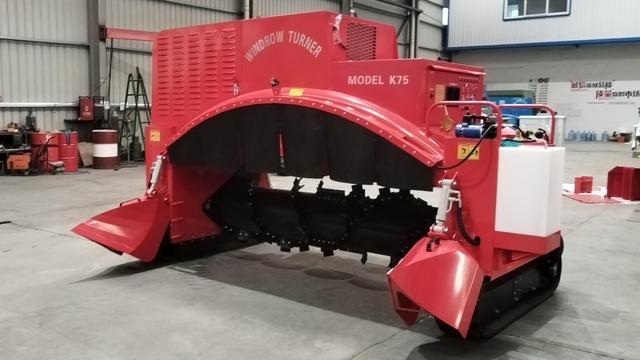
AgBio Energy is at the forefront of the Waste-to-Energy (WtE) and Waste-to-Fertilizer technological evolution. Our roadmap focuses on increasing biological efficiency while minimizing energy consumption.
Our next-generation systems utilize IoT sensors to monitor moisture, temperature, and CO2 levels in real-time, adjusting aeration and mixing cycles automatically to ensure optimal microbial activity.
We provide specialized inoculants that accelerate the decomposition of lignin and cellulose—the toughest components of plant residue—reducing composting cycles by up to 40%.
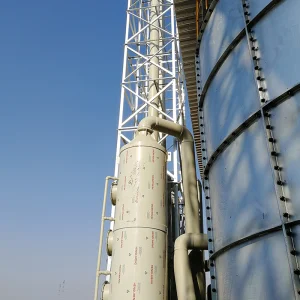
Our closed-loop systems are designed to capture and treat leachate and odors, ensuring that the facility meets the strictest environmental standards in urban or sensitive agricultural areas.
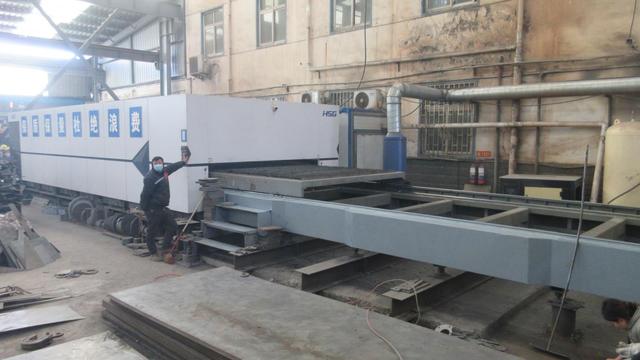
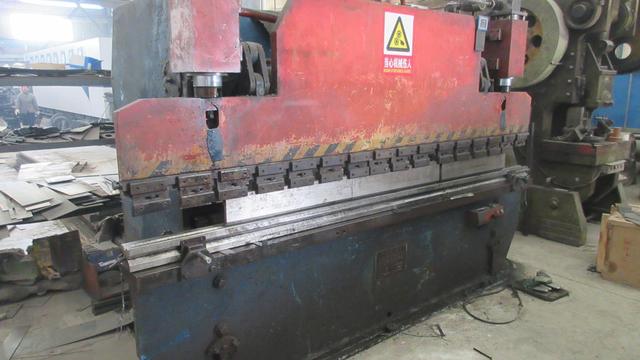
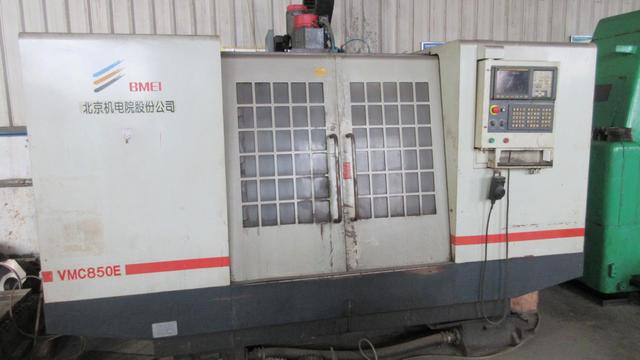
Operating from our 16,000 sqm facility in Chengdu, we leverage China's unparalleled industrial ecosystem. Our Factory 4.0 approach integrates advanced manufacturing with bespoke engineering:
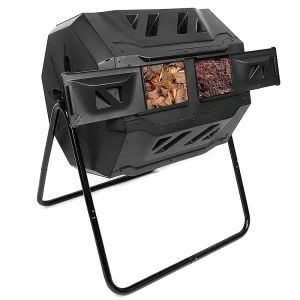
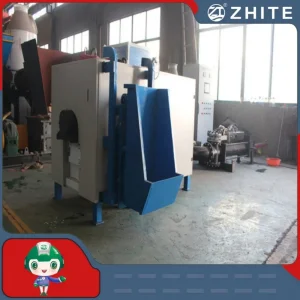
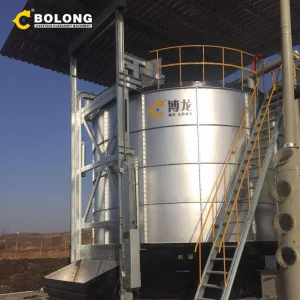
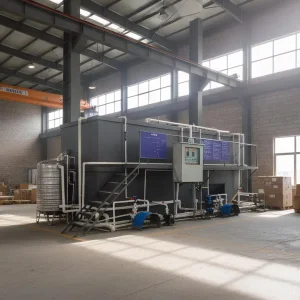
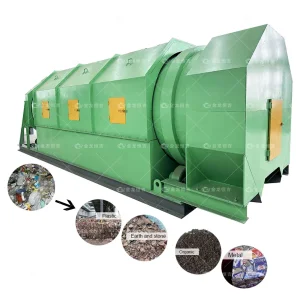
The company operates modern production workshops, assembly lines, and testing facilities to ensure product quality, operational efficiency, and long-term reliability. Strict quality management procedures are implemented throughout product development, manufacturing, installation, and customer support processes. By sourcing high-grade steel and utilizing robotic welding and precision CNC machining, we ensure that every machine—from a small 3.3L household composter to a 3-ton/hour production line—is built to withstand decades of rigorous industrial use.
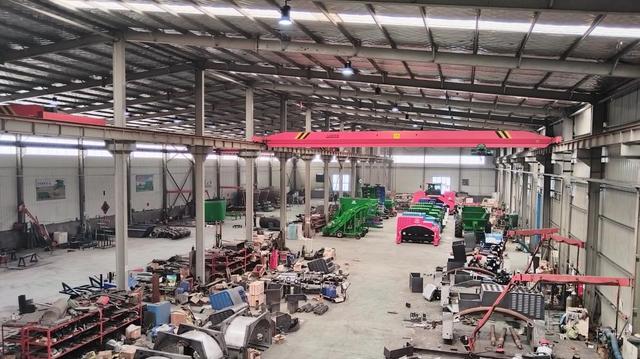
In addition to standard equipment, AgBio Energy offers OEM and ODM services, providing customized waste treatment solutions tailored to specific project requirements, processing capacities, and operational environments. We understand that a client in Northern Europe has different requirements regarding insulation and heat recovery than a client in Southeast Asia. Our engineering team works closely with environmental organizations, agricultural enterprises, waste management operators, and project contractors worldwide to deliver localized support.
Navigating international standards is a core competency of AgBio Energy. Our products are designed to meet:
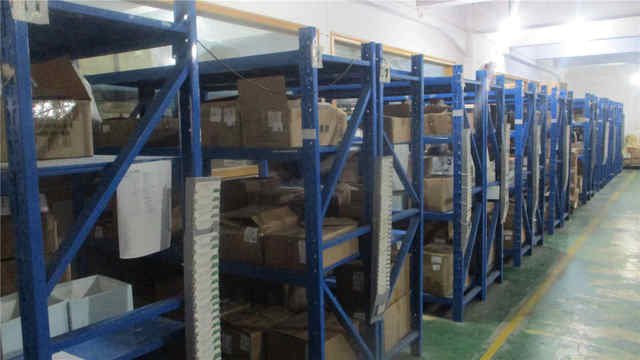
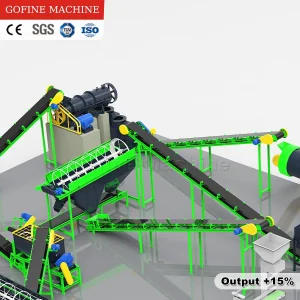
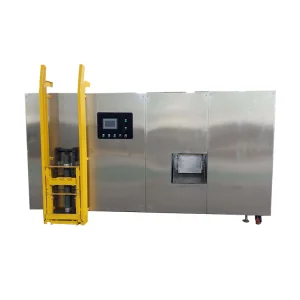
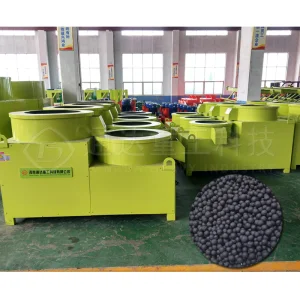
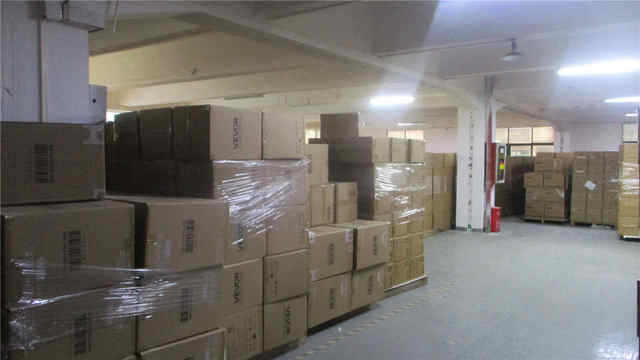
For large-scale enterprises, procurement is not just about a machine; it's about a partnership. Our solutions support global ESG (Environmental, Social, and Governance) goals by providing verifiable data on waste diversion and carbon footprint reduction. Whether it's a "3 Ton/H Organic Fertilizer Granulation Production Line" for a large-scale agricultural cooperative or "Commercial Kitchen Food Waste Disposers" for international hotel chains, our equipment is an investment in long-term sustainability.
 AgBio Energy