Top 10 Agricultural Byproduct Composting Solutions Manufacturers & Supplier

Industrial-Scale Aerobic Fermentation, Organic Waste Recycling, and Smart Bio-Waste Management Systems

Featured Composting & Waste Treatment Systems

High-performance industrial equipment engineered for municipal, agricultural, and commercial organic waste transformation.
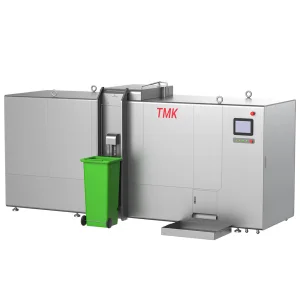
TMK Food Kitchen Organic Waste Recycling to Fertilizer Composting Machine - TMK-1000

TMK Food Kitchen Organic Waste Recycling to Fertilizer Composting Machine - TMK-1000

View Technical Details
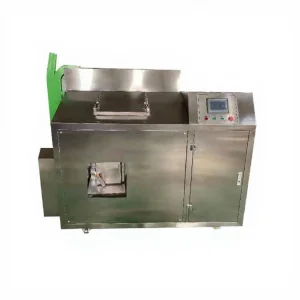
Industrial Waste Food Composting Machine

Industrial Waste Food Composting Machine Composter Machine Food Disposter

View Technical Details
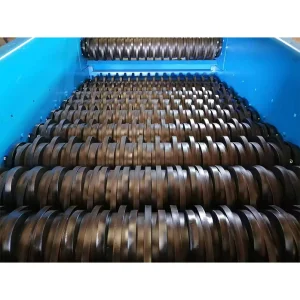
Smart Waste Treatment System General Industrial Refuse Disc Screen

Smart Waste Treatment System General Industrial Refuse Disc Screen

View Technical Details
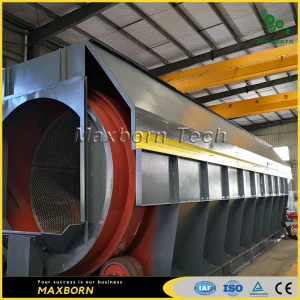
Msw Organic Garbage Composting Shredder

Msw Organic Garbage Composting Shredder for Recycling Municipal Solid Waste

View Technical Details
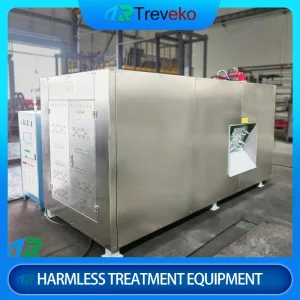
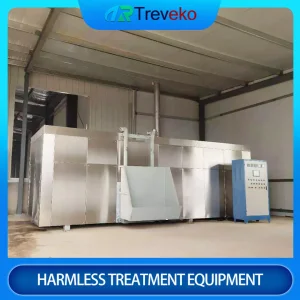
Industrial-Scale Biohazard Machine Equipment for Livestock Mortality Management

Industrial-Scale Biohazard Machine Equipment for Livestock Mortality Management

View Technical Details
Fully Automatic Livestock Manure Composting Machines with Odor Control

Fully Automatic Livestock Manure Composting Machines with Odor Control

View Technical Details
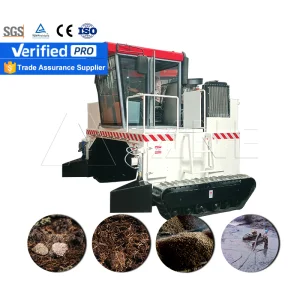
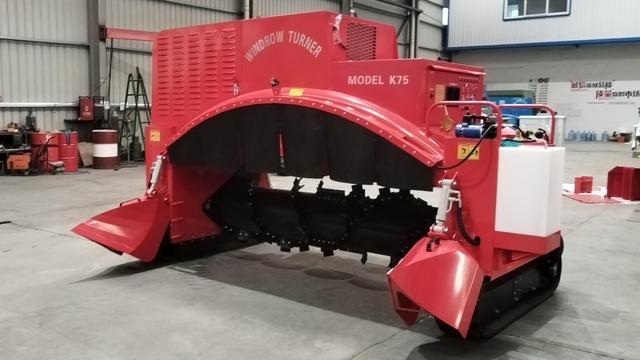
Lane Moving Crawler Type Compost Turner Machine

Lane Crawler Type Compost Turner Machine for Organic Fertilizer Production

View Technical Details
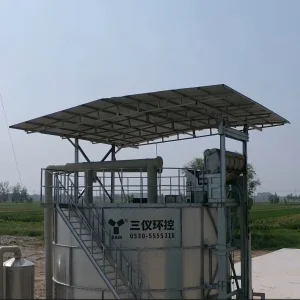
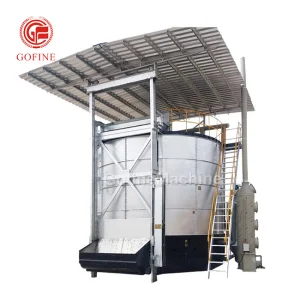
Aerobic Fermenter Composting Equipment Fermentation Tank

Aerobic Fermenter Composting Equipment Fermentation Tank for Livestock Waste

View Technical Details

Global Commercial & Industrial Status of Agricultural Composting

The global agricultural sector generates billions of tons of organic byproducts annually, including crop residues, livestock manure, food processing wastes, and agro-industrial effluents. Historically treated as liabilities or disposed of via open burning and landfilling, these byproducts are now recognized as high-value resources within the circular bioeconomy. Driven by strict environmental regulations, soil degradation concerns, and the rising cost of synthetic fertilizers, the demand for industrial-scale agricultural byproduct composting solutions has surged exponentially.

10B+
Tons of Agro-Waste Annually
6.8%
Market CAGR (2023-2030)
85%
Methane Emission Reduction
100%
Circular Nutrient Recovery

Industrial composting has transitioned from simple windrow piles to highly engineered, automated, and enclosed systems. Today's commercial landscape demands systems that can process diverse feedstocks with varying Carbon-to-Nitrogen (C:N) ratios, moisture levels, and bulk densities. In regions like Europe and North America, strict odor control mandates and nitrate directives have accelerated the adoption of in-vessel aerobic fermenters and smart biodigesters. In emerging economies, the focus is on scalable, cost-effective technologies that can convert livestock manure and crop residues into stabilized organic fertilizers to restore depleted soils.

Key Industry Trends & Technological Drivers

The evolution of composting technology is defined by automation, biological optimization, and environmental compliance.

1. Smart IoT & AI Monitoring

Modern composting systems integrate real-time sensors to track temperature, moisture, oxygen levels, and carbon dioxide emissions. AI algorithms analyze this data to automatically adjust aeration rates, moisture injection, and turning schedules, ensuring optimal thermophilic conditions for pathogen destruction.

2. Accelerated Bio-Fermentation

By utilizing specialized thermophilic microbial inoculants and closed, insulated vessels (In-Vessel Composting), the fermentation cycle has been reduced from months to just 7-14 days. This drastic reduction in processing time minimizes footprint requirements and maximizes throughput.

3. Advanced Odor & VOC Mitigation

Odor management is critical for regulatory approval. Modern plants utilize multi-stage treatment systems, combining physical bio-filters, chemical scrubbers, and negative pressure air containment systems to neutralize volatile organic compounds (VOCs) and ammonia emissions.

Chengdu AgBio Energy Co., Ltd. — Industry Leader & Innovator

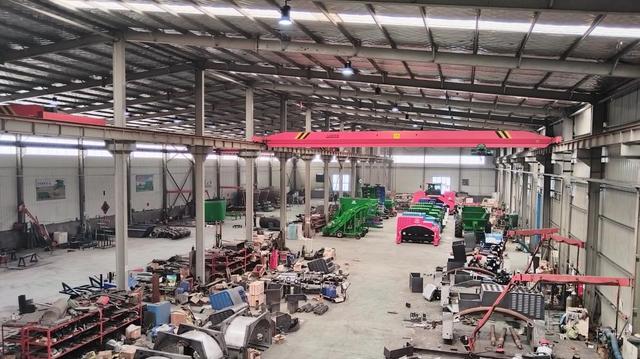
Chengdu AgBio Energy Co., Ltd. is a professional manufacturer specializing in organic waste composting equipment, food waste recycling systems, and sustainable waste treatment solutions. Established in 2013 and headquartered in Chengdu, Sichuan Province, China, the company is dedicated to helping businesses, agricultural operations, municipalities, and environmental service providers transform organic waste into valuable resources. With a modern manufacturing facility covering more than 16,000 square meters and a team of over 230 employees, AgBio Energy delivers efficient and environmentally responsible waste management technologies to customers around the world.

"Our mission is to bridge the gap between agricultural productivity and environmental stewardship. By engineering robust, high-efficiency aerobic fermentation systems, we empower global enterprises to achieve zero-waste operations and build sustainable soil health."

The company's product portfolio includes organic waste composting machines, food waste treatment systems, aerobic fermentation equipment, agricultural waste recycling solutions, manure composting systems, organic fertilizer production lines, municipal bio-waste treatment equipment, and intelligent composting management systems. These solutions are widely used in farms, food processing facilities, restaurants, hotels, commercial waste treatment centers, agricultural cooperatives, and municipal environmental projects.

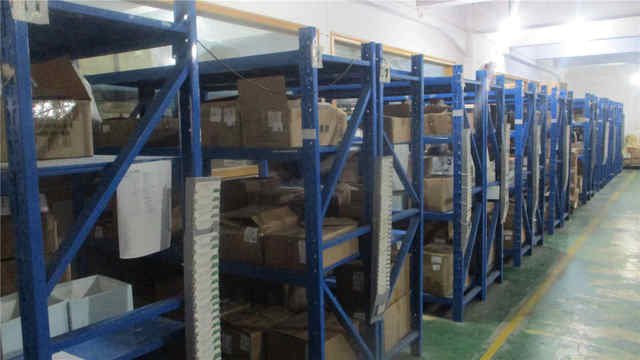
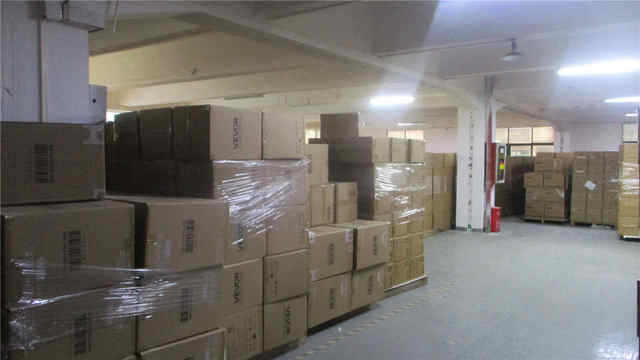
AgBio Energy integrates engineering expertise, process optimization, and advanced manufacturing technologies to develop reliable composting and organic waste recycling systems. The company operates modern production workshops, assembly lines, and testing facilities to ensure product quality, operational efficiency, and long-term reliability. Strict quality management procedures are implemented throughout product development, manufacturing, installation, and customer support processes. In addition to standard equipment, AgBio Energy offers OEM and ODM services, providing customized waste treatment solutions tailored to specific project requirements, processing capacities, and operational environments. The company works closely with environmental organizations, agricultural enterprises, waste management operators, and project contractors worldwide.
Localized Application Scenarios & Case Studies

Agricultural byproduct composting is highly context-dependent. Different regions and industries present unique feedstock characteristics and operational challenges. Below are the primary localized application scenarios where AgBio Energy's solutions deliver maximum value:

Scenario A: Large-Scale Livestock & Poultry Farms

The Challenge: Accumulation of high-moisture animal manure (swine, dairy, poultry) leading to severe odor, ammonia emissions, and potential groundwater contamination.

The Solution: Integration of the Aerobic Fermenter Composting Equipment / Fermentation Tank. By mixing manure with dry bulking agents (straw, sawdust) and utilizing automated aeration and internal mixing, the system maintains thermophilic temperatures (55-65°C) to kill pathogens and weed seeds, producing stabilized organic fertilizer in under 10 days.

Scenario B: Municipal Solid Waste (MSW) & Food Processing Plants

The Challenge: High volume of heterogeneous organic waste, including food scraps, packaging, and green waste, requiring sorting and size reduction before composting.

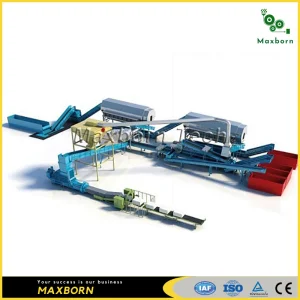
The Solution: A complete pre-treatment and processing line featuring the Industrial Twin-Shaft Crushing Equipment, Smart Refuse Disc Screen, and MSW Sorting Plant. This setup separates inorganic contaminants, shreds organic fractions to optimize surface area, and feeds the clean organic stream into high-capacity composting vessels.

Scenario C: Remote Agricultural Cooperatives & Crop Plantations

The Challenge: Dispersed crop residues (corn stalks, straw, fruit waste) requiring on-site processing to avoid high transportation costs.

The Solution: Deployment of mobile Crawler Type Compost Turner Machines. These units traverse windrows directly in the field, providing excellent aeration, moisture distribution, and particle size reduction, allowing cooperatives to produce high-grade compost locally.

Technical Roadmap & Future Outlook

As the global agricultural sector targets net-zero carbon emissions, the technology roadmap for composting solutions is evolving rapidly. AgBio Energy is at the forefront of these technological advancements, focusing on three core pillars:

  • Carbon Sequestration & Biochar Integration: Co-composting agricultural byproducts with biochar to lock carbon into the soil permanently, reduce nitrogen loss during fermentation, and enhance the moisture-retention capacity of the final organic fertilizer.
  • Waste-to-Energy (W2E) Synergy: Coupling aerobic composting systems with anaerobic digestion (AD) plants. The digestate from AD is utilized as a nutrient-rich moisture agent for aerobic composting, creating a closed-loop energy and nutrient recovery system.
  • Microbial Consortia Engineering: Developing customized, heat-tolerant microbial inoculants tailored to break down complex lignocellulosic agricultural wastes (such as coconut coir, palm oil empty fruit bunches, and wood chips) at accelerated rates.

Frequently Asked Questions (FAQ)

Expert answers to technical questions regarding industrial agricultural composting systems.

Q1: What is the optimal moisture content for industrial agricultural composting?
The ideal moisture content for aerobic composting is between 50% and 60%. If the moisture is too low (below 40%), microbial activity slows down significantly, prolonging the decomposition process. If it is too high (above 65%), water fills the pore spaces, displacing oxygen and leading to anaerobic conditions, which cause foul odors and slow decomposition. Our automated systems feature real-time moisture sensors and integrated watering nozzles to maintain the optimal range.
Q2: How do AgBio Energy systems control odor and ammonia emissions?
Our closed-vessel composting systems and aerobic fermentation tanks operate under negative air pressure. This design ensures that all process air is drawn through a centralized duct system and directed to a multi-stage abatement setup. This typically includes a water scrubber to remove ammonia, followed by a bio-filter filled with engineered wood chips and compost media, which biologically degrades volatile organic compounds (VOCs) and odor molecules before the air is safely discharged.
Q3: Can your composting machines handle high-risk materials like livestock carcasses?
Yes. We manufacture specialized Energy-Saving Fermentation Equipment for Farm Carcass Harmless Disposal and Biohazard Equipment for Livestock Mortality Management. These systems are engineered to maintain high thermophilic temperatures (above 60°C) for extended periods, ensuring complete pathogen destruction (including spore-forming bacteria and viruses) in compliance with global biosecurity and veterinary health standards.
Q4: What is the benefit of a twin-shaft shredder in agricultural waste processing?
Agricultural byproducts like corn stalks, straw, and branches have tough, fibrous structures that resist rapid biological decomposition. A twin-shaft shredder cuts, tears, and crushes these materials, drastically increasing their surface-area-to-volume ratio. This allows composting microbes to access the carbon and nutrients easily, accelerating the composting cycle and ensuring a more homogeneous final product.
Q5: Do you offer customized solutions for specific regional regulations?
Absolutely. Through our OEM and ODM services, we customize our equipment to meet local environmental, electrical, and safety standards (such as CE, UL, and CSA certifications). We can modify chamber capacities, material specifications (e.g., upgrading to SUS316 stainless steel for highly corrosive marine or acidic wastes), and integrate localized control systems (PLC interfaces in multiple languages).

Complete Organic Waste Processing Line

Explore our full range of auxiliary and specialized machinery for sorting, crushing, purifying, and granulating organic materials.
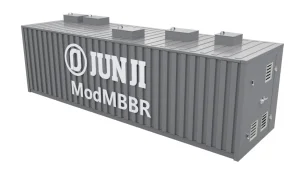
Wastewater Treatment Plant Flexible Physical Stainless Steel Water Purification System

Wastewater Treatment Plant Flexible Physical Stainless Steel Water Purification System

View Technical Details
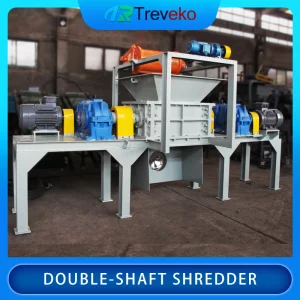
Industrial Twin-Shaft Crushing Equipment

Industrial Twin-Shaft Crushing Equipment for Organic/ Green Waste Processing

View Technical Details
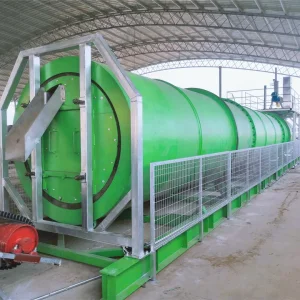
Drum Composting Vessel Continuous Feed Fermentation Tank

Drum Composting Vessel Continuous Feed Fermentation Tank Aerated Fermentation

View Technical Details
Energy-Saving Fermentation Equipment for Farm Carcass Harmless Disposal

Energy-Saving Fermentation Equipment for Farm Carcass Harmless Disposal

View Technical Details
Msw Sorting Plant Post-Treatment of Organic Food Waste Composting Machine

Msw Sorting Plant Post-Treatment of Organic Food Waste Composting Machine

View Technical Details
Cost-Effective Cow Manure-Derived Bedding Material System

Cost-Effective Cow Manure-Derived Bedding Material System, Composting Equipment

View Technical Details
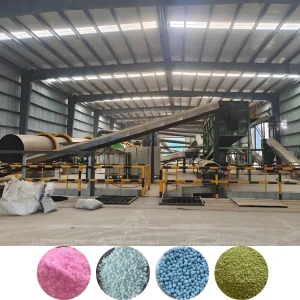
Industrial-Scale Composting & Granulation Line

Industrial-Scale Composting & Granulation Line for NPK, Seaweed & Manure

View Technical Details
Turning Compost Machine Organic Waste Fermentation

Turning Compost Machine Organic Waste Fermentation Composting Machine for Sale

View Technical Details