Municipal Solid Waste Treatment
The municipal solid waste (MSW) varies in different cities at different times. Generally, it consists of municipal household refuse, construction waste, ordinary industrial solid waste, and hazardous solid waste, etc. Owing to the complex types of municipal solid waste, it is very hard to treat them together. Meanwhile, most of the wastes are actually recyclable and holding large values potentially. Therefore, the municipal solid waste sorting machine which can get various wastes sorted according to the materials and future values has been turned out to be very useful.
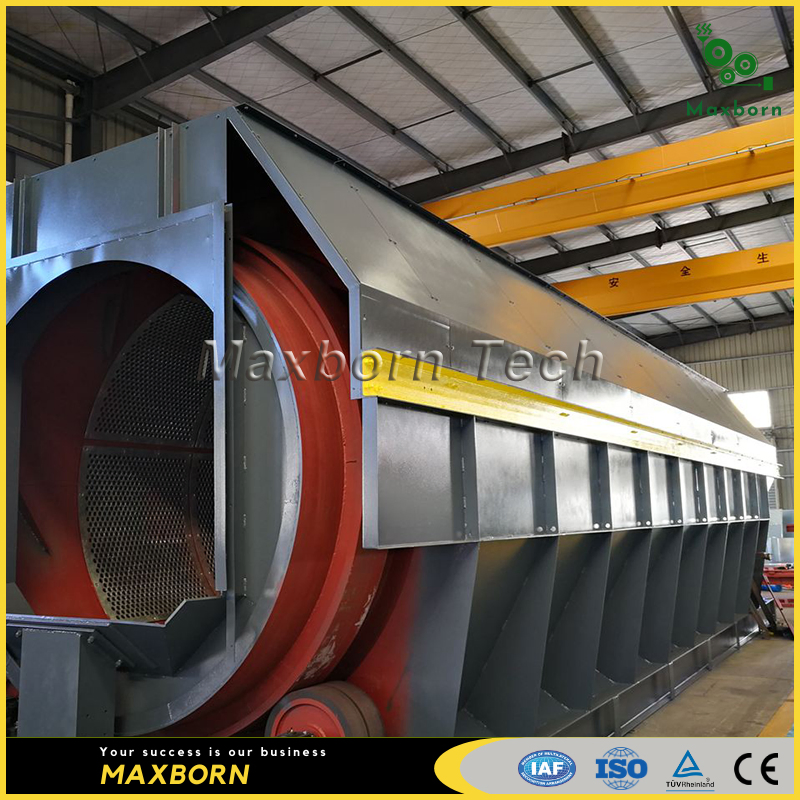
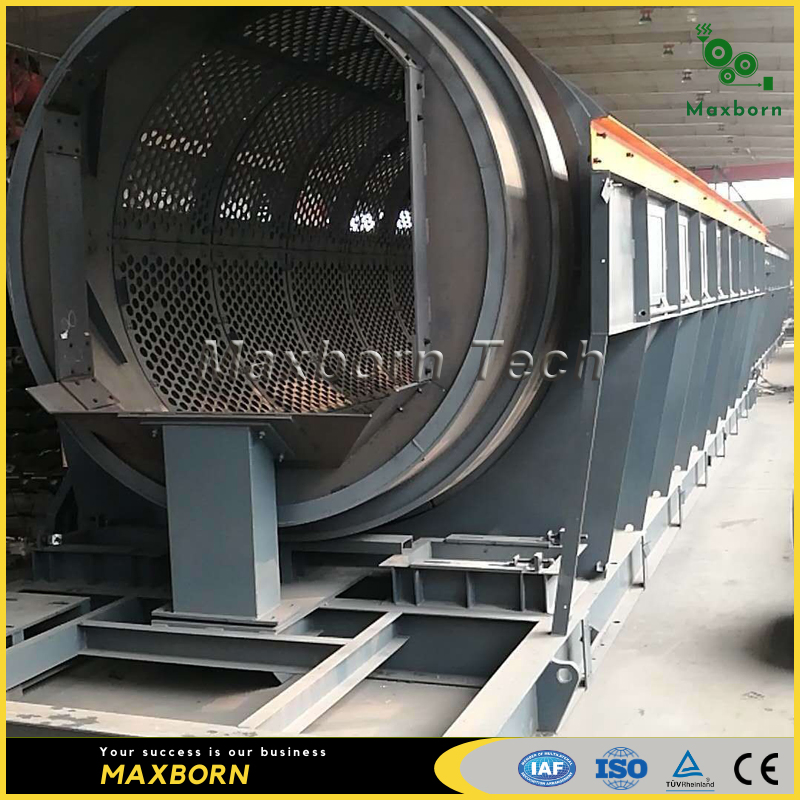
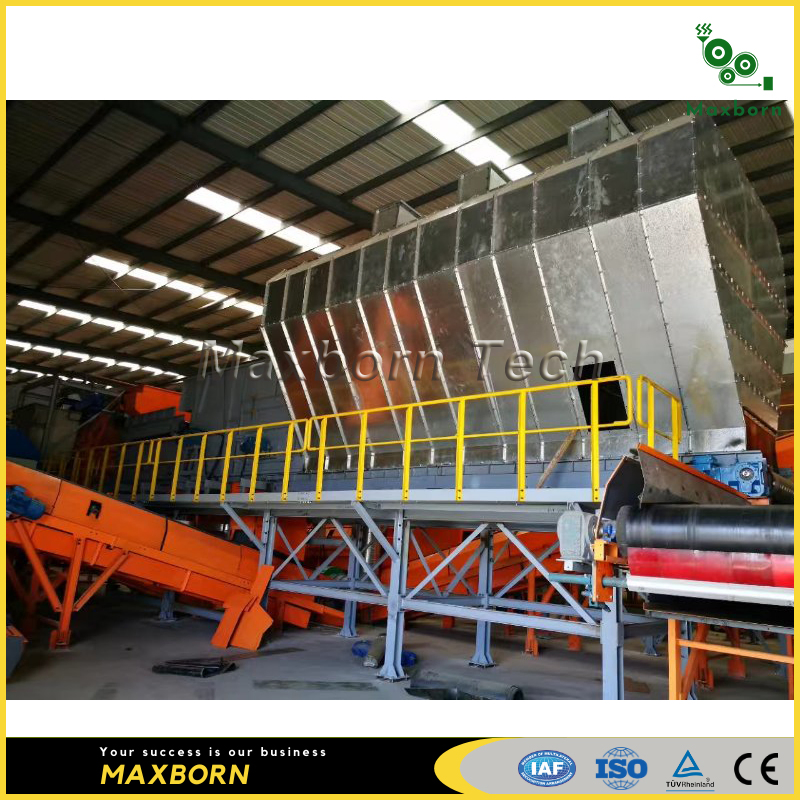
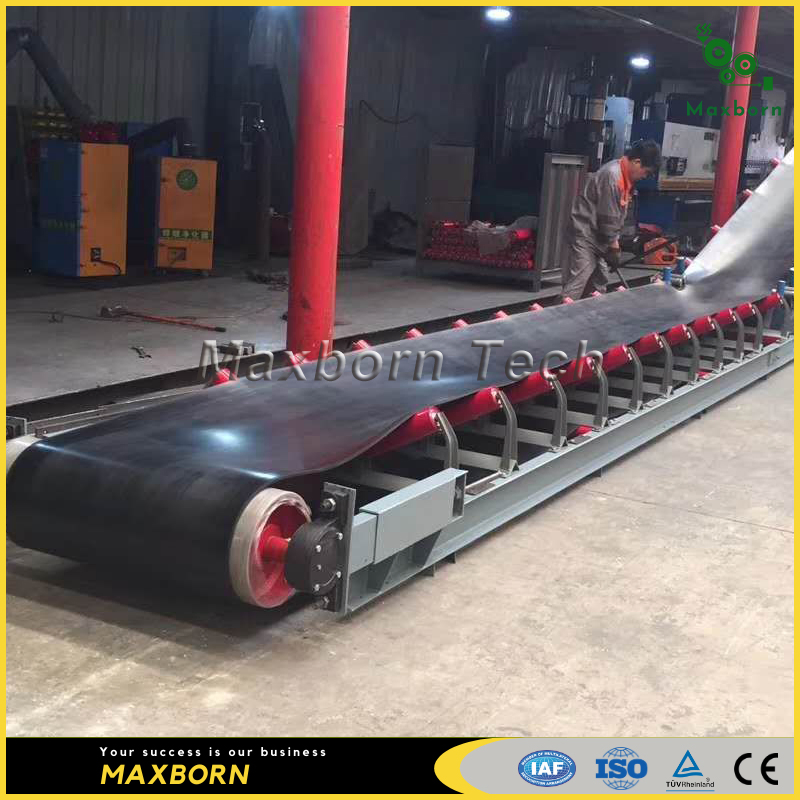
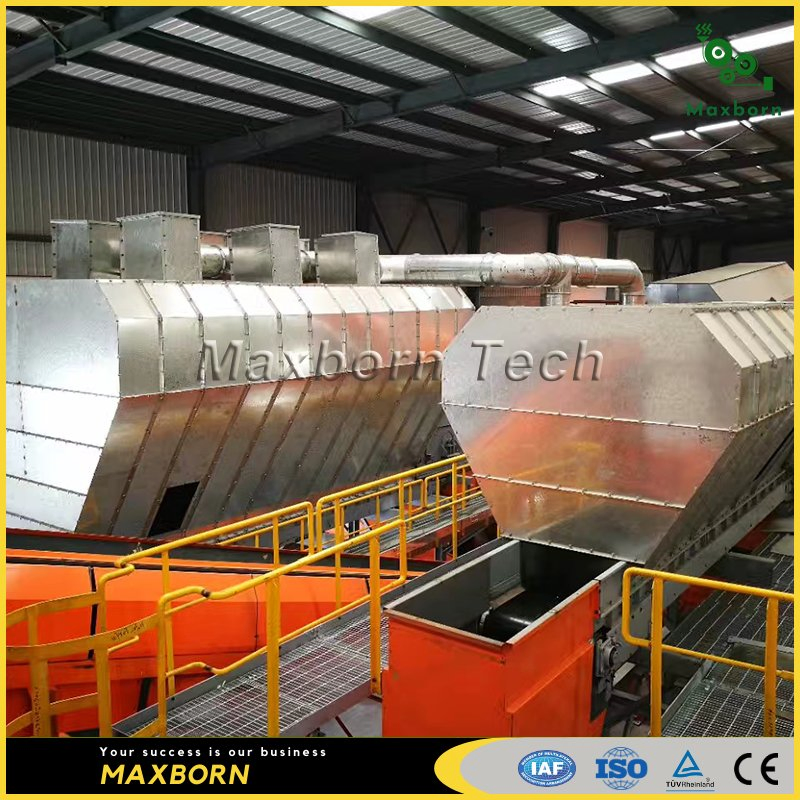
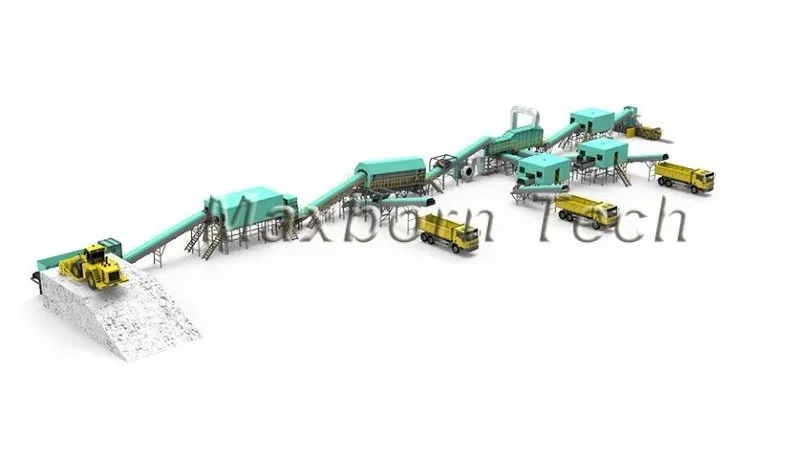
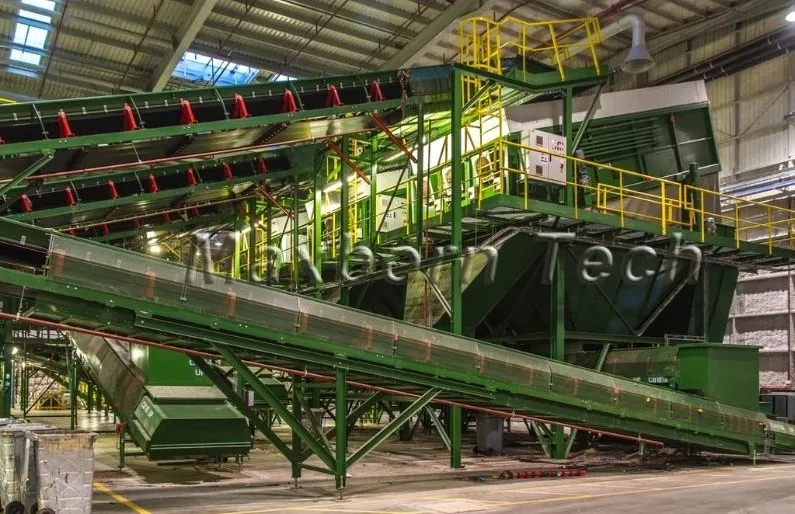
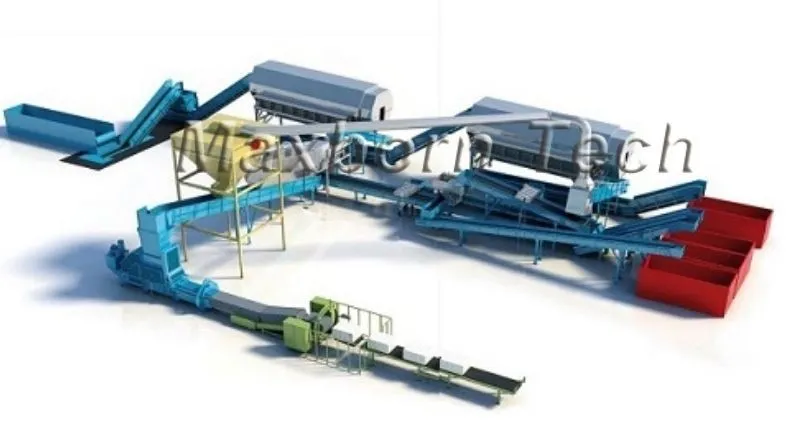
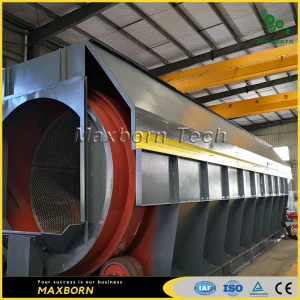
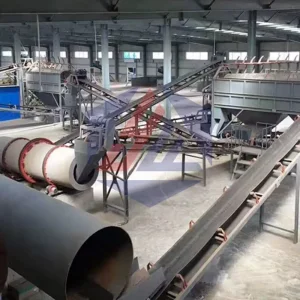
Using the most advanced waste sorting technology, our treatment plant has successfully helped many clients from different countries. A respectively complete waste sorting machine consists of main parts like plate feeder, uniform material spreader, bag breaker, sealed belt conveyor, rotating screen machine, comprehensive winnowing machine, manual sorting platform, gravity separator, hydraulic packing machine, hydraulic metal presser, and spraying deodorization tower.
System Capability: The sorting system adopts a precise waste sorting mechanism and has a strong capacity of processing as many as 400 tons of wastes for one production line. It can separate various wastes clearly according to their volumes, materials, natures, and future usages. It can be used for both municipal solid waste and mining waste sorting.
Working Process of Waste Sorting Machine
- Loading & Feeding: Forklifts transport wastes to the loading platform, sending them to the plate feeder and then to the uniform materials spreader.
- Manual Sorting: Bulky materials are sorted out manually on the dedicated platform.
- Magnetic Separation: Iron matters are removed. The remaining material enters a rotating screening machine for diameter-based sorting.
- Screening: The machine separates wastes above or below 50 mm (adjustable based on needs).
- Undersized Processing: Wastes below 50 mm (mostly organics) are used as fertilizer after secondary magnetic separation.
- Oversized Processing: Wastes above 50 mm undergo further magnetic and eddy current separation for non-ferrous metals.
- Winnowing: A comprehensive machine sorts waste into light plastics, heavy materials (bricks, stones), and others (textiles, rubber).
- Final Pressing: Combustible wastes are pressed and packed for electricity generation or landfill use.
Superiority of Our Waste Sorting System
- High Automation: Reasonable structure with high-level automatic operation to reduce labor intensity.
- Sanitary Operation: Equipped with odor control, sealed transmission, and de-dusting devices to ensure a healthy environment.
- Safety Design: Every part includes manual auto switchers and emergency stop devices. Full automatic control prevents manual errors.
- Flexible Configuration: Designed for easy transportation, installation, and maintenance. Configurations are customized based on real needs.
Technical Specifications
| Model |
MB-100 |
MB-200 |
MB-400 |
| Raw Material |
Municipal solid waste, household waste, industrial waste, landfill waste, mining waste |
| Capacity |
5T/H |
10T/H |
20T/H |
| Power |
149 KW |
224.7 KW |
279 KW |
| Occupied Area |
2400m² |
2800m² |
3000m² |
| Working Time |
8-16 H |
8-16 H |
8-16 H |
Resource Recovery: Where Does the Garbage Go?
Primary Recyclables:
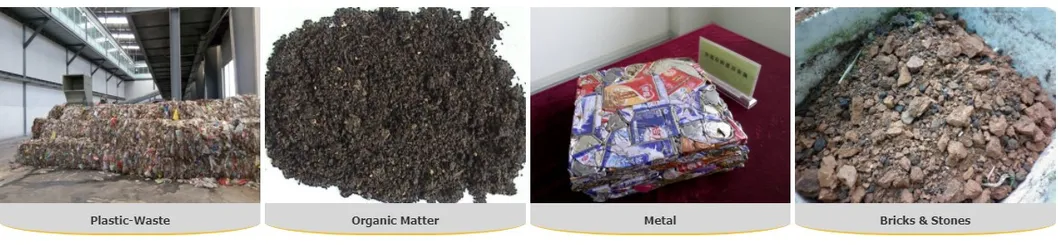
- Plastic: Can be reprocessed into oil via pyrolysis or pelletized into plastic pellets.
- Metal: Recycled for steel production.
- Organic: Processed via fermentation to produce biogas.
- Biomass: Carbonized to produce charcoal.
- Construction Waste: Briquetted into new bricks.
Other Streams:
- Kitchen Waste: Converted to organic fertilizer and biogas.
- Combustibles: Recycled into RDF (Refuse Derived Fuel).
Shipping & Delivery
Packing Details:
- Size: 7*40 HQ containers.
- Delivery Time: Within 40-60 days after deposit received.
Frequently Asked Questions
1. What types of waste can this sorting machine handle?
The system is designed to process municipal solid waste (MSW), household waste, industrial waste, landfill waste, and mining waste.
2. How much waste can the facility process per hour?
We offer different models with capacities ranging from 5 tons per hour (MB-100) up to 20 tons per hour (MB-400).
3. How is the sorted plastic waste utilized?
Plastic can be sent to a pyrolysis plant to produce fuel oil or processed through a pelletizing machine to create recycled plastic pellets.
4. Does the sorting process produce a lot of dust or smell?
No, the machine is equipped with a sealed transmission device, a de-dusting system, and an odor control tower to maintain a clean working environment.
5. Can the machine separate metals automatically?
Yes, the system utilizes magnetic separators for iron/ferrous metals and eddy current separators for non-ferrous metals like aluminum cans.
6. What is the required area for installation?
Depending on the model, the required occupied area ranges from 2400m² to 3000m².
 AgBio Energy