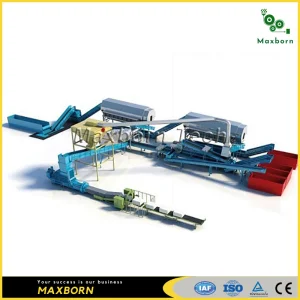
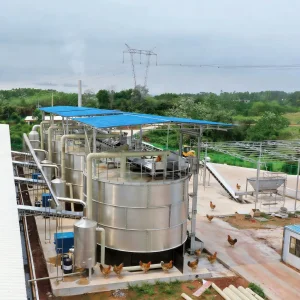
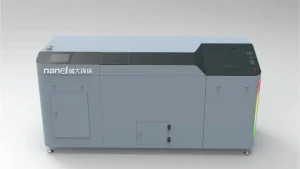
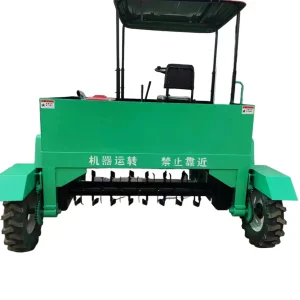
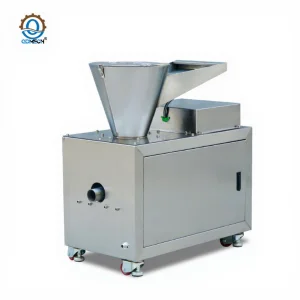
Direct from AgBio Energy's flagship production lines: Advanced automated composters engineered to convert food scraps and raw manure into premium soil conditioners.
A macroeconomic analysis of organic conversion and municipal solid waste automation.
Modern economies are undergoing a structural shift toward the circular bio-economy. Rapid urbanization, coupled with aggressive net-zero carbon initiatives, has placed tremendous pressure on traditional waste management pathways. Landfill space is shrinking globally, and methane emissions from open decomposition have become primary targets for environmental regulators worldwide. Under the United Nations Sustainable Development Goals (SDGs) and strict European Union Green Deal frameworks, the treatment of Municipal Solid Waste (MSW) and agricultural bio-waste has evolved from simple municipal disposal to a sophisticated raw-resource extraction process.
Automatic waste processing technologies sit at the intersection of this global transformation. By integrating mechanical separation, thermophilic biodigestion, smart sensor loops, and emission purification systems, modern treatment facilities can process food scraps, agricultural manures, and industrial sludge in mere fractions of the time required by traditional windrow methods. Crucially, these systems lock carbon back into biological cycles by converting volatile organic materials into stabilized soil nutrients, soil conditioners, or biofuels.
Procurement directors and municipal planners must evaluate commercial waste treatment manufacturers through a rigorous technical lens. Low-quality systems suffer from rapid acid corrosion due to the high chloride and moisture content of organic waste, leading to catastrophic structural failures. High-tier manufacturers distinguish themselves by utilizing top-grade SUS304 or SUS316 stainless steel, implementing intelligent PLC monitoring arrays, and delivering integrated, multistage bio-filters to achieve zero-odor operation in urban zones.
A closer look at a global leader in biological conversion technology and environmental engineering.
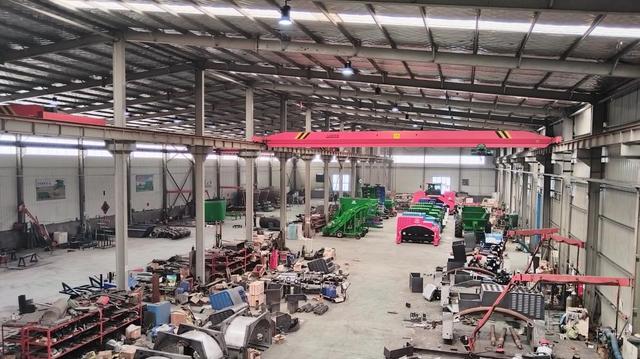
Established in 2013 and headquartered in Chengdu, Sichuan Province, China, Chengdu AgBio Energy Co., Ltd. has established itself as an engineering powerhouse in the organic waste composting sector. With a state-of-the-art production facility exceeding 16,000 square meters and a dedicated workforce of over 230 specialized engineers, technicians, and project managers, the company designs, manufactures, and commissions industrial and municipal-grade bio-waste treatment systems.
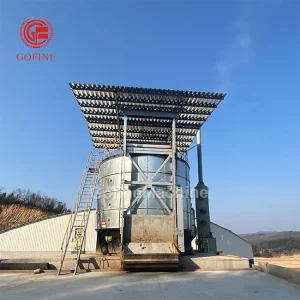
AgBio Energy’s portfolio spans a broad spectrum of sustainable technologies. These include fully automated in-vessel aerobic composting units, integrated food waste processing systems, vertical fermentation towers, high-capacity agricultural waste recycling systems, and complete organic fertilizer production lines. These systems are utilized by agricultural enterprises, municipal sanitation departments, food processing conglomerates, and high-density commercial entities such as international hotel networks and hospital campuses.
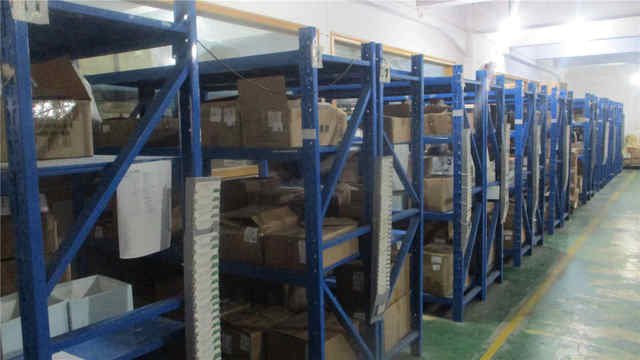
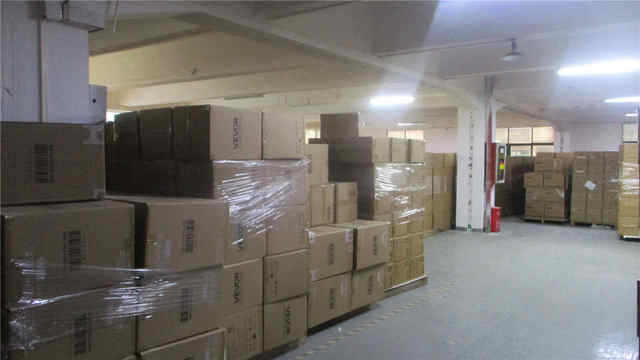
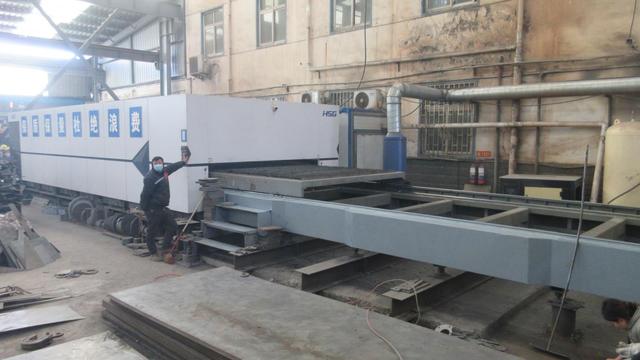
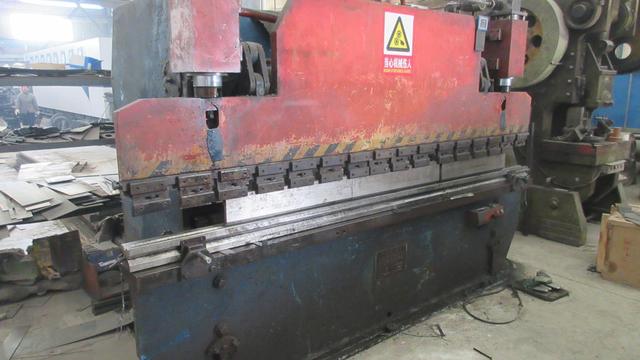
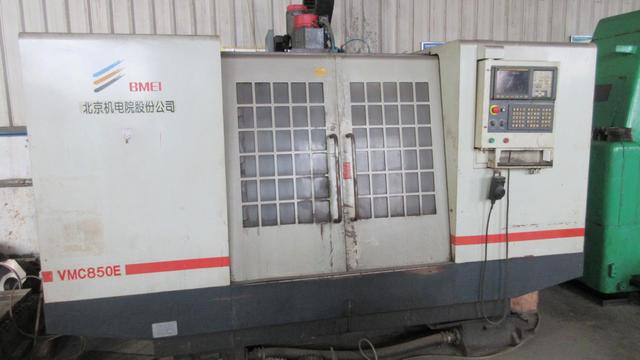
Operating under strict ISO9001 and ISO14001 quality and environmental management guidelines, AgBio Energy controls every step of the supply chain—from raw metal preparation and structural fabrication to software integration and electrical safety calibration. This vertical integration allows AgBio Energy to provide tailored OEM and ODM services, matching municipal, commercial, and agricultural operators' exact spatial constraints and input profiles.
Engineered platforms optimized for agricultural operations, urban waste networks, and industrial food plants.
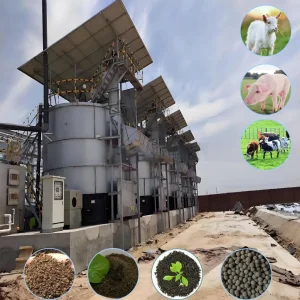
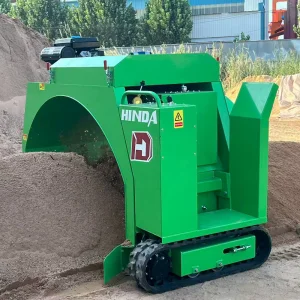
Concentrated Animal Feeding Operations (CAFOs) and large-scale dairy farms face strict nitrogen management requirements. Raw poultry manure and swine slurry are prone to run-off, which can pollute groundwater tables. AgBio Energy's closed in-vessel aerobic reactors stabilize raw manure within a closed, thermally insulated chamber. Active thermophilic conditions reach 60-70°C, neutralizing pathogens, weed seeds, and insect larvae. This converts a regulatory risk into an organic, slow-release fertilizer ready for commercial sale.
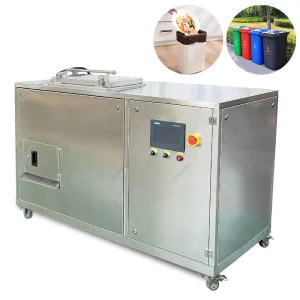
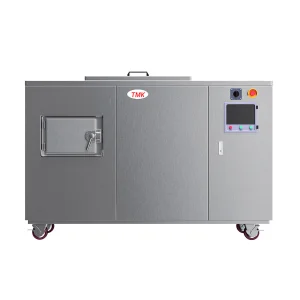
Commercial developments, campus operations, and metropolitan zones generate massive amounts of high-moisture organic kitchen waste. Transporting this dense waste to distant landfills is costly and produces high emissions. Decentralized waste treatment systems (such as the Series-5000 and HN QDMECH) allow hotels and commercial complexes to process food waste on-site. By reducing weight and volume by up to 90% in less than 24 hours, these smart machines minimize transport costs and odors.
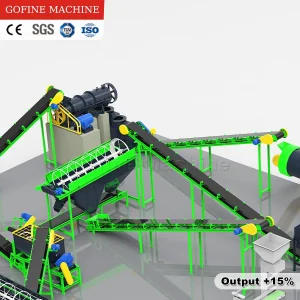
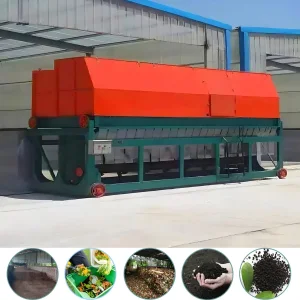
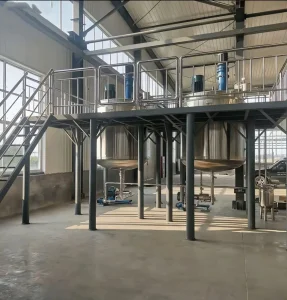
For large-scale waste plants, AgBio Energy offers fully customized, continuous-feed composting systems and fertilizer production lines. These installations process thousands of tons of organic municipal solid waste, sewage sludge, or food processing waste daily. Through automated sorting, composting, curing, and granulation, municipalities can establish high-throughput nutrient recovery systems that support local agricultural supply chains.
Adhering to strict international standards to ensure worry-free installation and operational safety.
Operating bio-waste processing equipment requires meeting strict local environmental and safety regulations. These include CE compliance for pressure vessels and electrical safety, EPA rules on VOC and methane emissions, and veterinary guidelines for biological safety (such as EU Regulation 142/2011).
AgBio Energy supports global clients with comprehensive technical documentation, structural certificates, and emission test results. From remote PLC diagnostic systems that allow real-time troubleshooting from Chengdu to the field, to localized installation, commissioning, and staff training, AgBio Energy ensures facilities run smoothly and remain compliant with local regulations.
A look at tomorrow's waste systems: Artificial intelligence and decentralized circular networks.
Refining closed, high-capacity, multi-stage aerobic fermentation systems. Using automated oxygen injection, turning mechanism cycles, and exhaust filtration to ensure high-efficiency nutrient recovery.
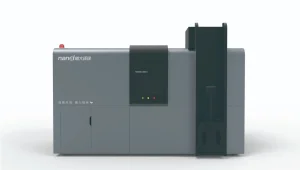
Integrating smart sensor arrays to monitor moisture, temperature, and ammonia levels. These sensors connect to cloud platforms to enable predictive maintenance and automated recipe management for organic waste.
Developing AI-driven, decentralized waste-to-resource networks. These systems automatically optimize their settings based on feedstock properties, while blockchain tools track carbon credits in real-time.
Expert answers to technical, environmental, and operational questions about automatic waste processing systems.
Large-scale systems engineered for farms, agricultural cooperatives, and wastewater treatment plants.
 AgBio Energy