Operational Advantages
💰 Cost Efficiency
Minimize labor and logistics expenses for zero-waste operations.
🌍 Reduce Landfill
Promote sustainable growth through circular economy practices.
⚡ Fast Conversion
Transform food waste into liquid fertilizer within 24 hours.
🛡️ Odor Control
Real-time scrubbing systems compliant with emission thresholds.
🔄 Continuous Feeding
Automated closed-loop systems with no downtime.
🦟 Pest Control
Elimination of pests and eggs to prevent environmental pollution.
🌡️ Room Temperature
Eco-friendly tech lowers energy use and operational costs.
📊 Smart IoT
Real-time waste tracking and biodegradation optimization.
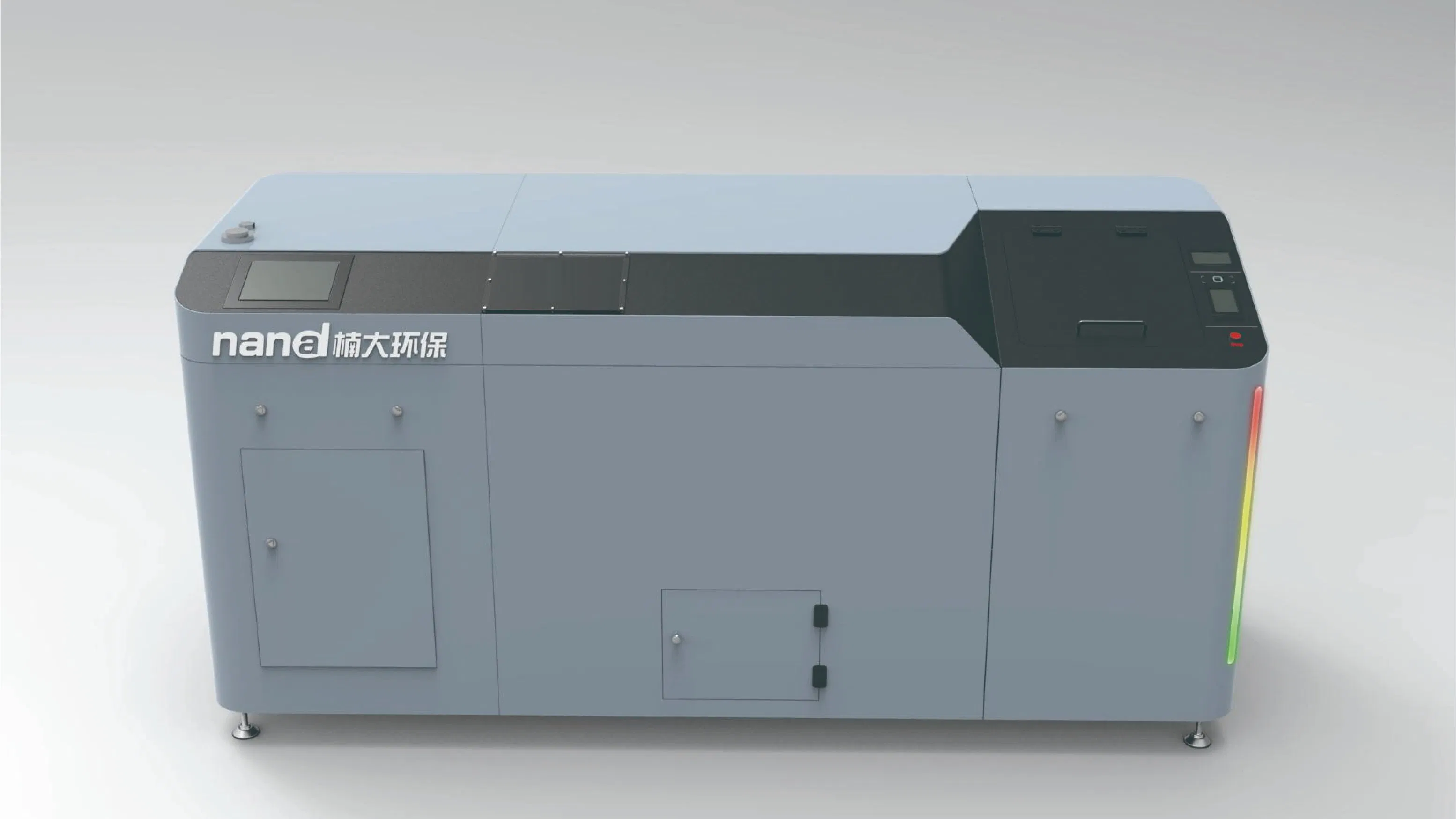
⚙️ Core Control Unit
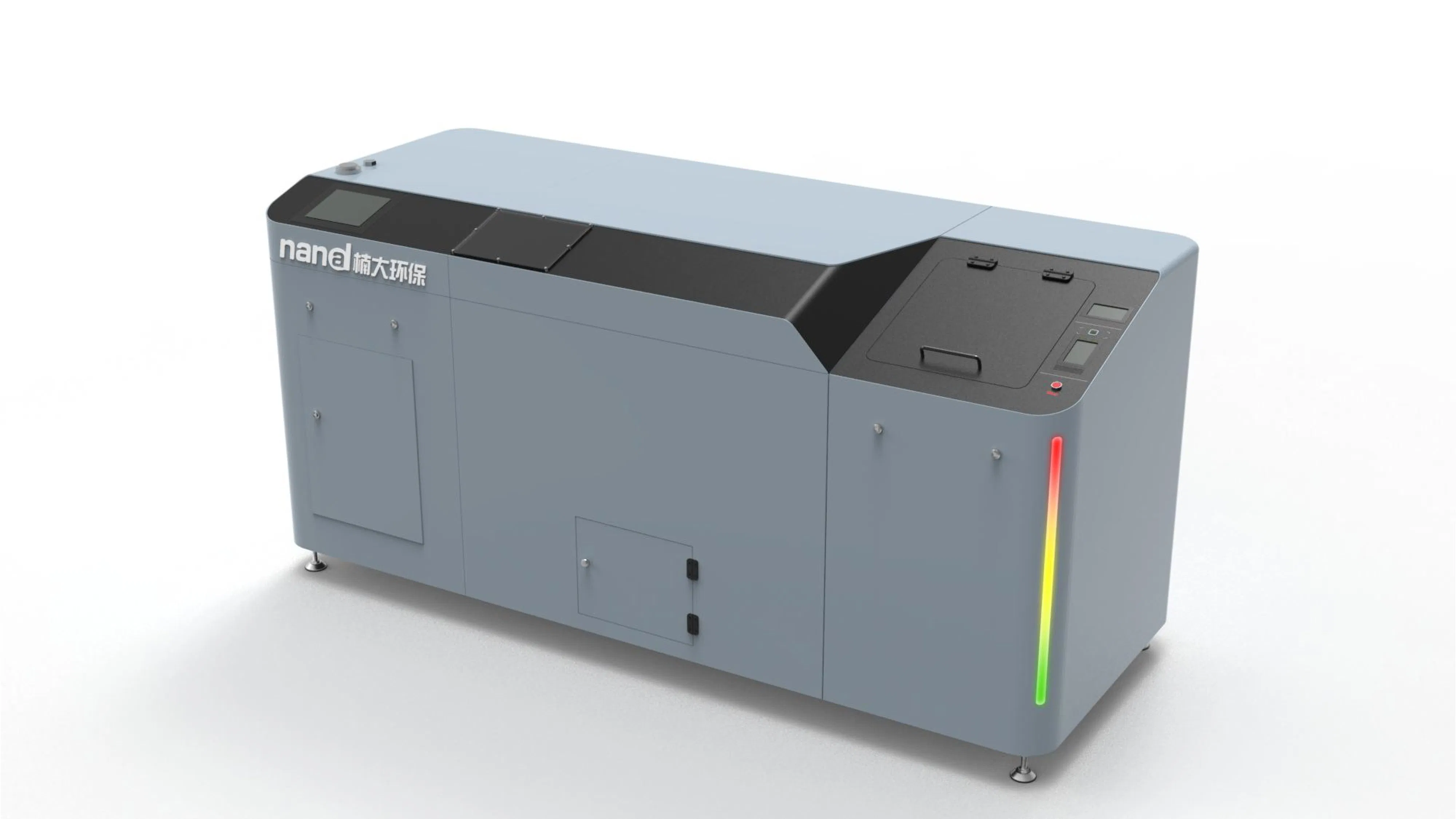
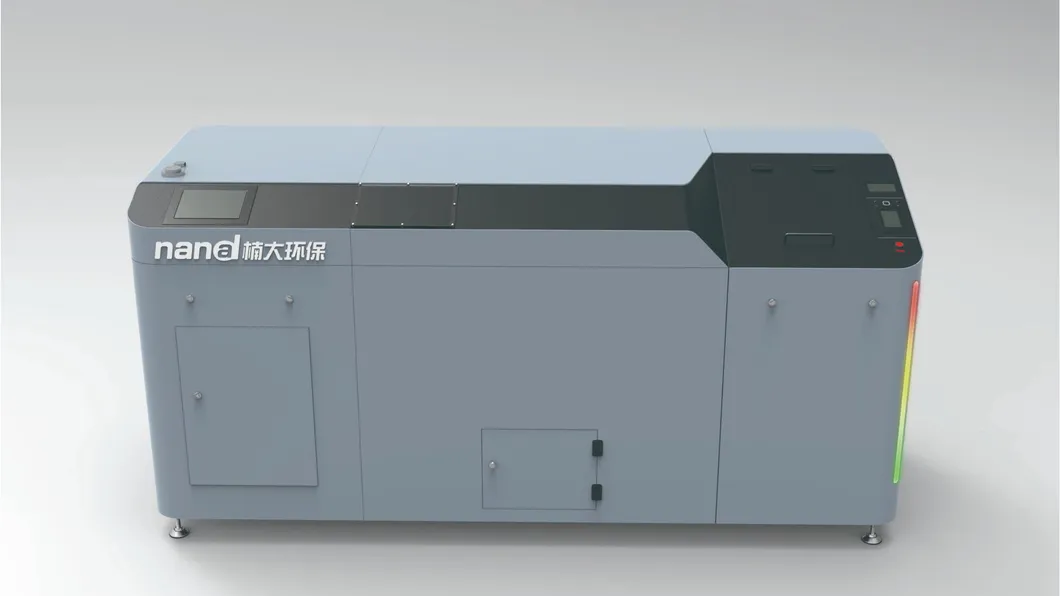
Fitted with a PLC core control unit to synchronize equipment operation and guarantee consistent performance.
📱 IoT Remote Management
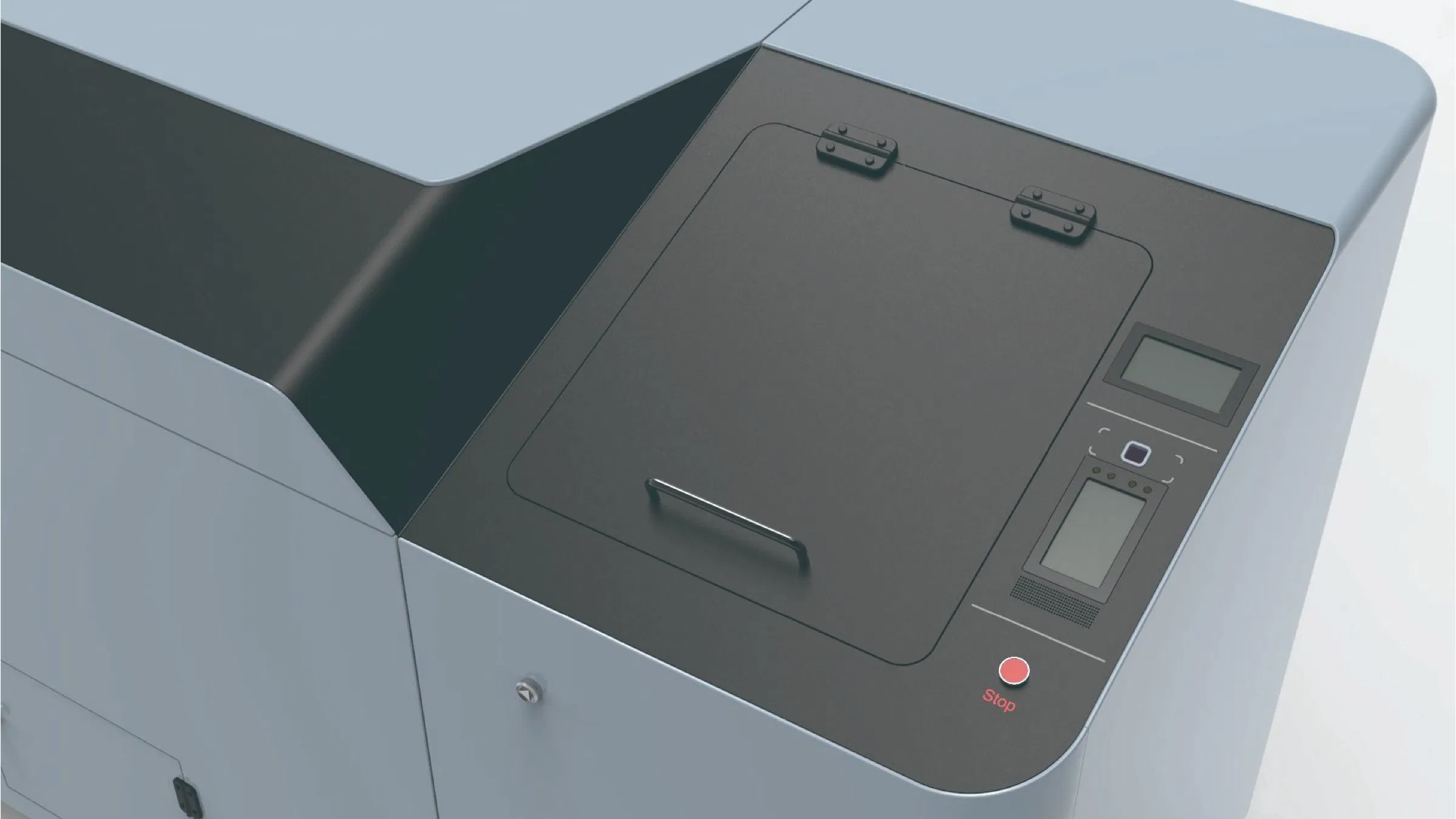
Enabled mobile/touchscreen monitoring technology enhances equipment tracking and remote management efficiency.
🖥️ Integrated Interface
Smart one-touch touchscreen automates feeding, stirring, rinsing, and microbial dosing.
📡 Smart Sensing System
Equipped with temperature, humidity, and weight sensors for intelligent real-time data control.
Frequently Asked Questions
How long does it take to process food waste?
The system utilizes a smart-driven aerobic biodegradation process that efficiently converts organic and food waste into discharge-ready liquid within 24 hours.
What is the decomposition efficiency of the system?
Equipped with proprietary microbial strains, the system can achieve up to 95% organic matter decomposition efficiency.
Does the system produce any bad odors?
No. The system features real-time odor scrubbing technology that controls emissions in strict compliance with standard emission thresholds.
Can the system be monitored remotely?
Yes, the system is enabled with IoT mobile and touchscreen monitoring technology, allowing for real-time tracking and intelligent control from remote locations.
What can the final liquid byproduct be used for?
The processed liquid waste serves as a valuable resource, such as liquid fertilizer, microalgae feedstock, or a sustainable carbon source.
Where is this system typically applied?
It is ideal for commercial and institutional sectors, including hotels, restaurants, supermarkets, and food factories, as well as city-scale installations.
 AgBio Energy