The global expansion of intensive livestock farming has created unprecedented challenges in environmental management. Animal agricultural waste—comprising cattle, swine, and poultry manure, runoffs, and associated biomass—now demands highly sophisticated engineering to mitigate environmental degradation. Regulatory institutions worldwide, including the US Environmental Protection Agency (EPA) and the European Environment Agency (EEA), have enacted strict guidelines detailing nitrogen, phosphorus, and greenhouse gas discharge levels.
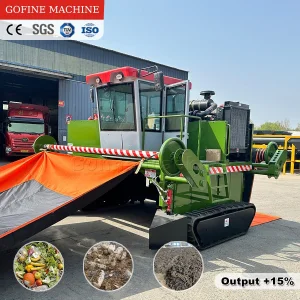
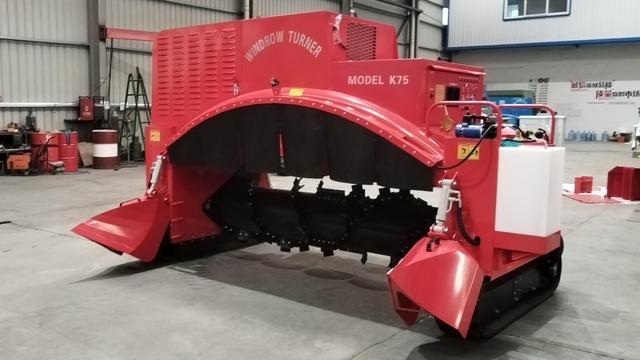
Regionally, the market exhibits unique demands. In Western economies, the emphasis is heavily skewed towards carbon-neutral processes and odor mitigation near residential areas. Conversely, developing economies in Asia-Pacific and Latin America are focused on translating this massive volume of waste into value-added agricultural outputs like high-nitrogen NPK compound organic fertilizers. Transitioning from simple waste disposal to circular biological refining loops has driven the market adoption of high-yield aerobic fermentation tanks, automated compost turners, and static piles.
Globally, companies must balance operational expenses (OPEX) with initial capital investments (CAPEX). Modern automated bio-degradation equipment features integrated PLC (Programmable Logic Controller) systems to reduce manual labor costs while ensuring optimal internal biological conditions, representing the pinnacle of industrial-scale green tech convergence.
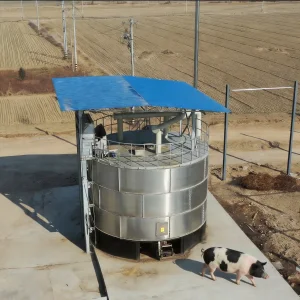
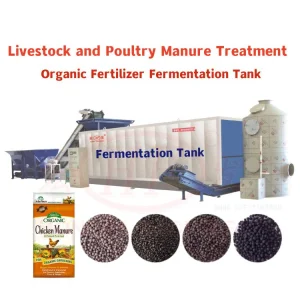
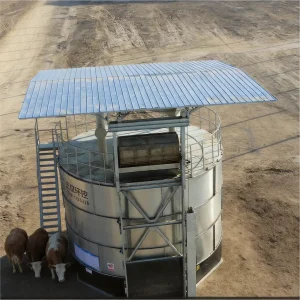
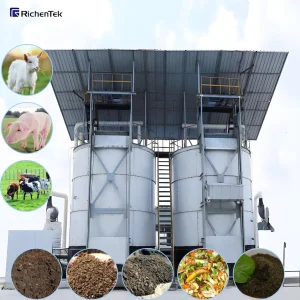
High-efficiency vertical composting tanks operate under a closed environment, isolating thermophilic reactions from outside weather variants. By maintaining constant aerobic conditions through pressure-regulated oxygenation, waste turns into high-grade organic matrixes within 7-10 days, completely pasteurizing pathogens and destroying weed seeds.
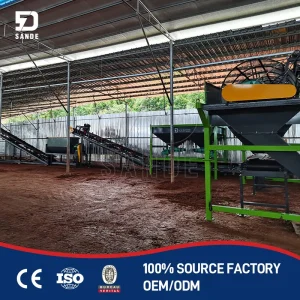
ASP systems utilize blowers and a grid of perforated pipes placed under the compost pile. Utilizing PLC systems, air is forced through the biological pile based on real-time temperature feedback. This eliminates the mechanical turn stage, minimizing volatile organic compound emissions and stabilizing bulk materials cost-effectively.
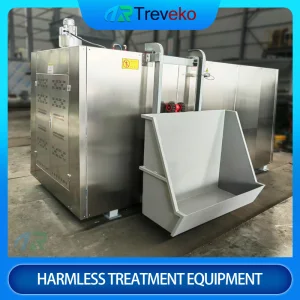
Leveraging tailored microbial inoculants, automated bio-degradation equipment accelerates the breakdown of complex lignocellulose, lipids, and proteins. Using temperature and moisture sensors, the environment inside the chamber is dynamically optimized to support rapid degradation cycles without synthetic chemical helpers.
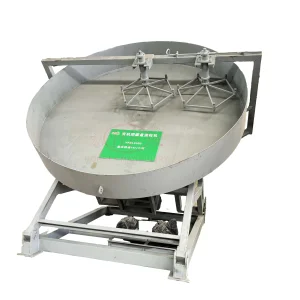
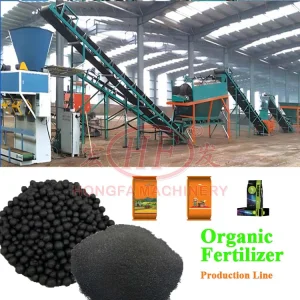
To scale raw compost to dry commercial products, compound fertilizer lines employ wet/dry granulation, screening, and cooling mechanisms. Homogenous pellets contain calculated nutrient ratios suitable for broad-acre farming, preventing dust during distribution and ensuring sustained nutrient release.
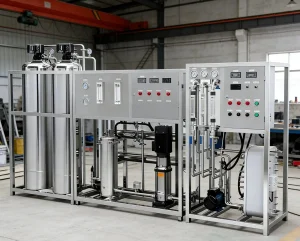
Runoff water from animal housing holds heavy salts and dissolved compounds. Reverse Osmosis (RO) membranes configured for industrial farm wastes boast up to 98% salt rejection rates. These systems recycle wash-down water for internal reuse, meeting zero-liquid-discharge (ZLD) municipal constraints.
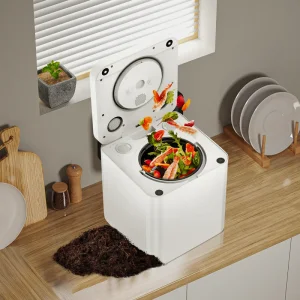
Scaling down technology for localized household and light commercial operations, compact units utilize multigrind technology. Operating silently, these indoor composters rapidly reduce kitchen residues into stabilized fertilizer within hours, avoiding landfill costs and carbon emissions.
Fibrous waste such as coconut coir and crop husks requires deliberate pre-treatment to weaken the lignin matrix. Special fermentation lines balance the carbon-to-nitrogen ratio, processing tough plant materials into soil conditioners suitable for peat replacement in regional horticulture.
Handling sticky, high-ammonia poultry litter (chicken/goose manure) requires heavy-duty mixers. Automated lines handle continuous high-moisture loading, combining bedding materials with carbon adjustments to maximize nutrient retention and control volatile emissions.
Perfect for remote homesteads or rural farms, decentralized wastewater units treat domestic sewage locally. Using submerged biological filters and aerators, they convert grey and black water into irrigation-safe liquid effluents without relying on municipal grids.
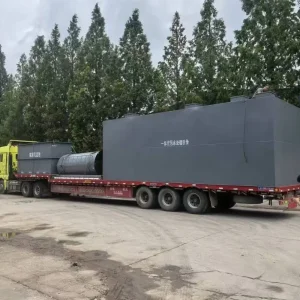
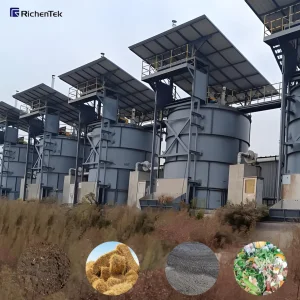
Municipal biowaste processing systems feature large-scale vertical tanks with odor scrubbing systems. Designed for cities and large agricultural processing centers, these systems minimize municipal landfilling by handling high daily volumes of co-mingled organic inputs.
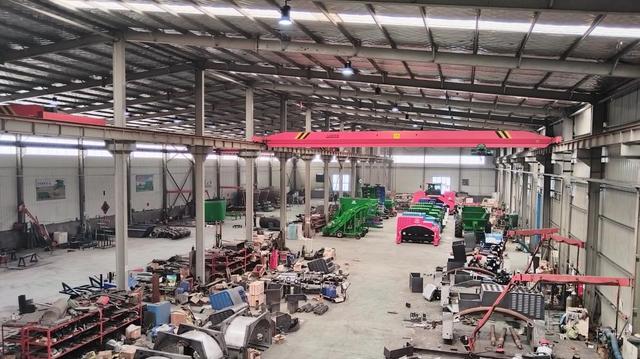
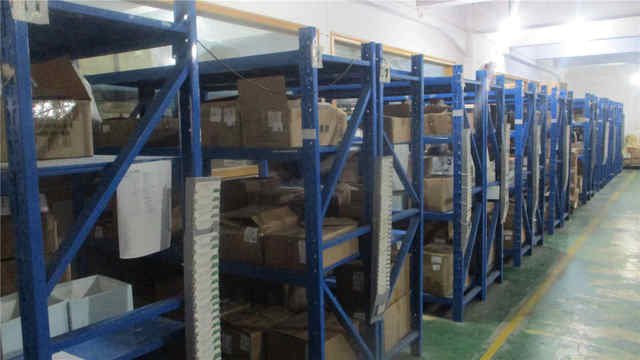
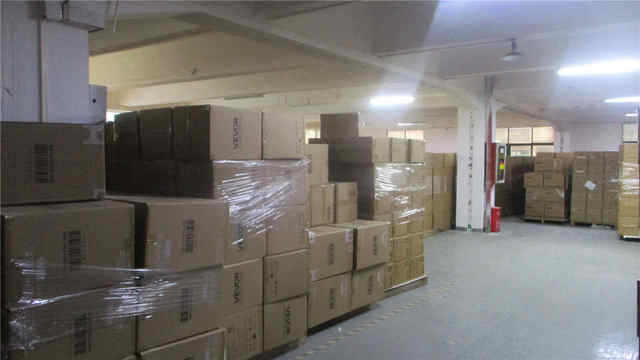
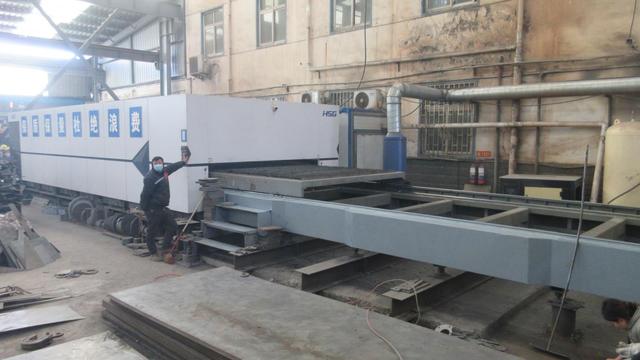
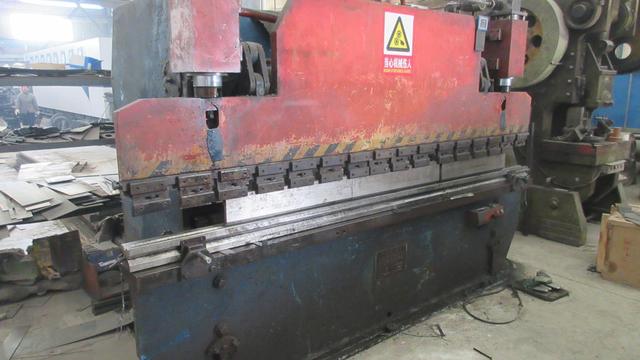
When selecting a fabrication partner for waste treatment infrastructure, global procurement leads prioritize manufacturing scale, cost-efficiency, and technical customization. Chengdu AgBio Energy Co., Ltd., established in 2013, stands as a prime example of China's advanced manufacturing capabilities. Located in Chengdu, Sichuan Province, the company occupies a state-of-the-art facility spanning over 16,000 square meters and employs a dedicated team of over 230 engineering specialists.
AgBio Energy integrates structural steel fabrication, electronic PLC programming, and biological testing under one roof. This concentration of resources yields structural and economic efficiencies. By utilizing advanced welding robotics and standardized parts procurement, the factory delivers highly durable machinery at competitive price points. Furthermore, our flexible production line easily accommodates OEM and ODM requests, configuring the equipment dimensions, processing capacity, and electrical safety standards to match local regulations in South America, North America, Southeast Asia, and Europe.
Deploying organic waste treatment machinery demands deep customization to accommodate local climates, waste characteristics, and economic frameworks:
Modern procurement strategies for organic waste equipment focus on longevity and system integration. Global buyers are prioritizing several key specifications during tender stages:
The waste management sector is undergoing a digital transformation. Future systems will move beyond mechanical processing to become data-driven ecosystems. Artificial intelligence is being integrated directly into composting lines to automatically balance critical factors like carbon-to-nitrogen (C:N) ratios, humidity, and airflow. By analyzing sensor data, the system adjusts parameters to shorten treatment cycles by up to 30%.
Additionally, processing equipment is being linked with nutrient analyzer systems. Real-time monitoring of output quality ensures organic fertilizers meet precise regulatory standards. These automated setups help farms trace their environmental impact, verifying carbon credits and supporting the growth of circular economies worldwide.
 AgBio Energy