Agricultural Composting Machinery Organic Fertilizer Fermentation Tank Kitchen Waste Treatment Machine

Product Description

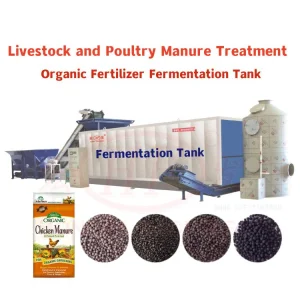
High Quality Organic Fertilizer Production Line

For Livestock and Poultry Manure Treatment - Nitrogen, Phosphate, and Potash Fertilizer Production
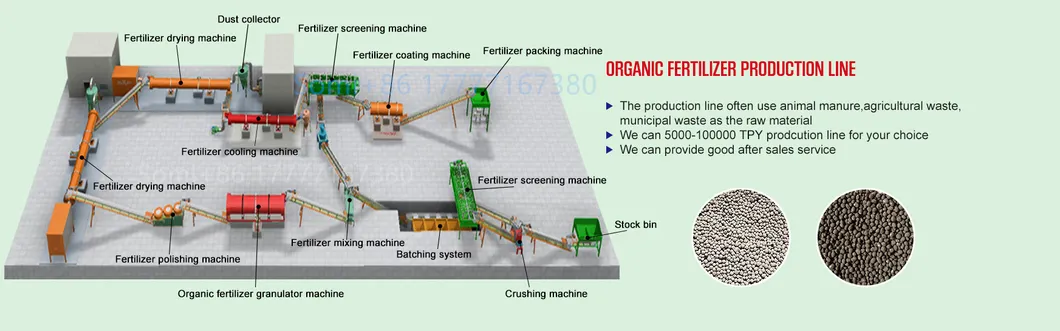
Organic Fertilizer Production Line Overview

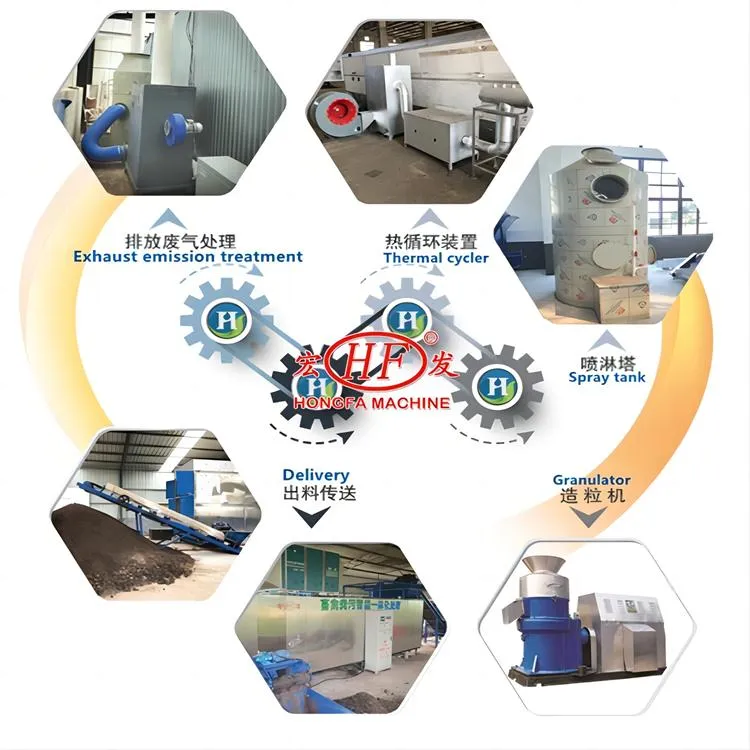
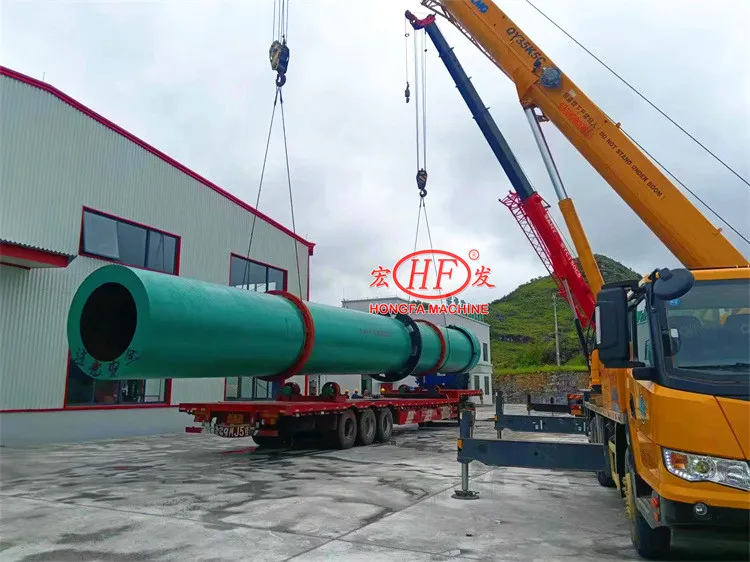
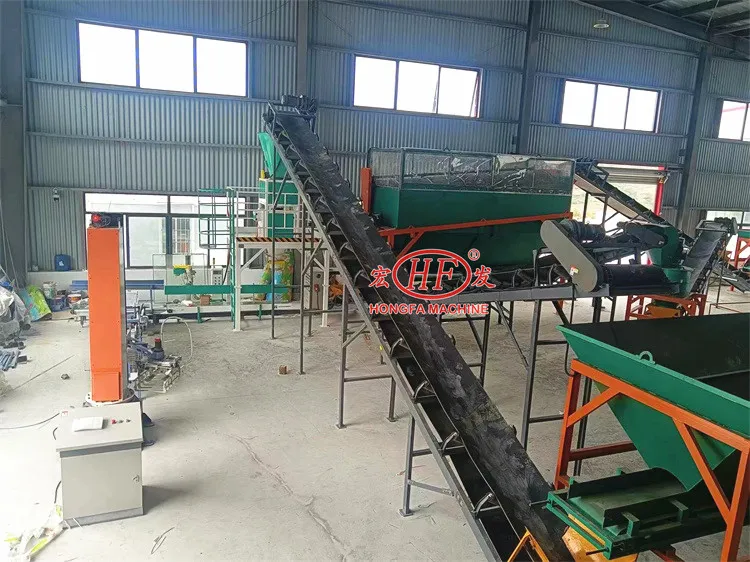
The complete set of equipment for the organic fertilizer granule production line is mainly composed of a turning machine, organic fertilizer pulverizer, dynamic batching machine, organic fertilizer mixer, organic fertilizer granulator, dryer, cooling machine, drum screening machine, coating machine, and automatic packaging machine.

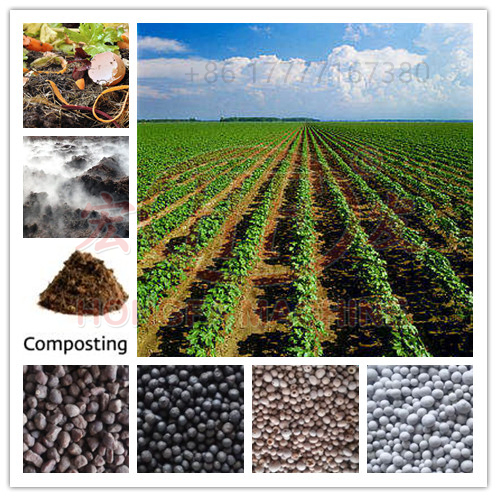
The production process involves fermenting raw materials (animal manure, domestic garbage, biogas residue, etc.), followed by crushing, adding essential elements like Nitrogen, Phosphorus, and Potassium, and finally granulating, drying, and screening for quality packaging.
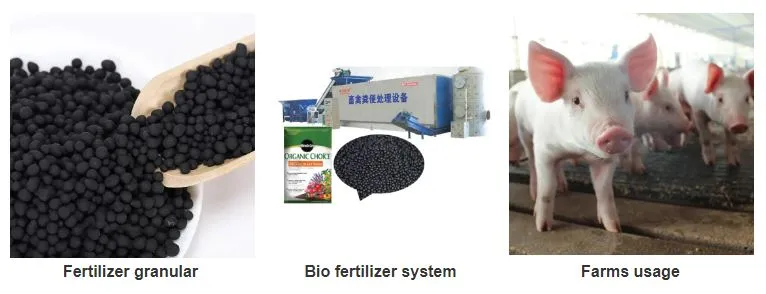
Critical Issues in Livestock Manure Disposal

  • Disease Control: Pathogenic microorganisms and parasite eggs in untreated feces can cause the spread of zoonotic diseases, leading to epidemics harmful to humans and animals.
  • Environmental Pollution: Excessive manure carrying capacity leads to severe water and air pollution in urban and suburban areas.
Waste Treatment Solutions

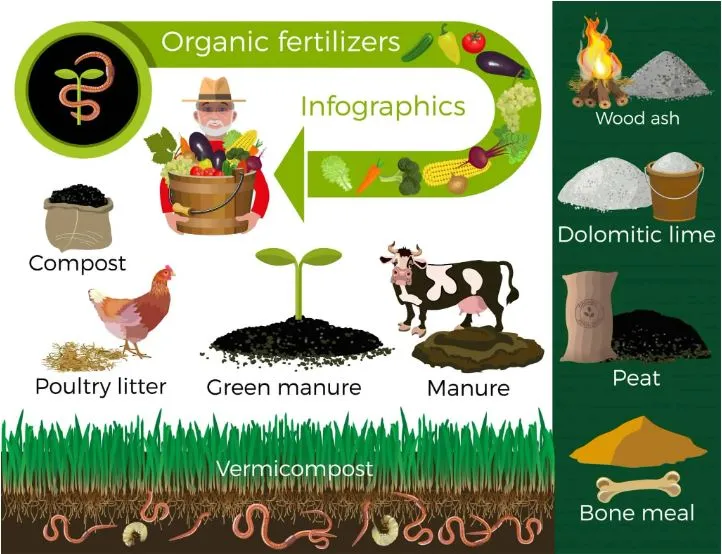
Advantages of Organic-Inorganic Compound Fertilizer

  • Improve Fertilizer Utilization: Rich in humic acid, it activates nitrogen, phosphorus, and potassium deposited in the soil, enhancing nutrient absorption.
  • Soil Structure Improvement: Increases soil permeability and water retention, particularly beneficial for root crops like peanuts and potatoes.
  • Enhanced Crop Quality: Boosts protein, amino acids, and vitamin content while reducing harmful nitrates and nitrites.
  • Environmental Protection: Reduces nutrient leaching and volatilization, ensuring heavy metal levels remain well below national standards.

Fermentation Equipment Advantages

  • Short Fermentation Cycle: Industrial processes allow for deodorization and decomposition in just 2-3 days, compared to months with traditional composting.
  • Low Energy Consumption: Utilizes biological heat for moisture evaporation, saving electricity and coal while reducing labor intensity.
  • Controlled Environment: Closed equipment reduces exposure to mosquitoes and flies, maintaining high hygiene standards.
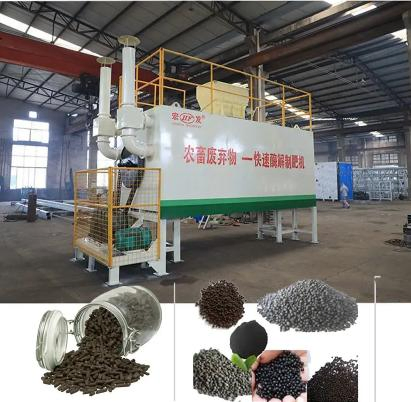
Fermentation Equipment

Core Production Equipment

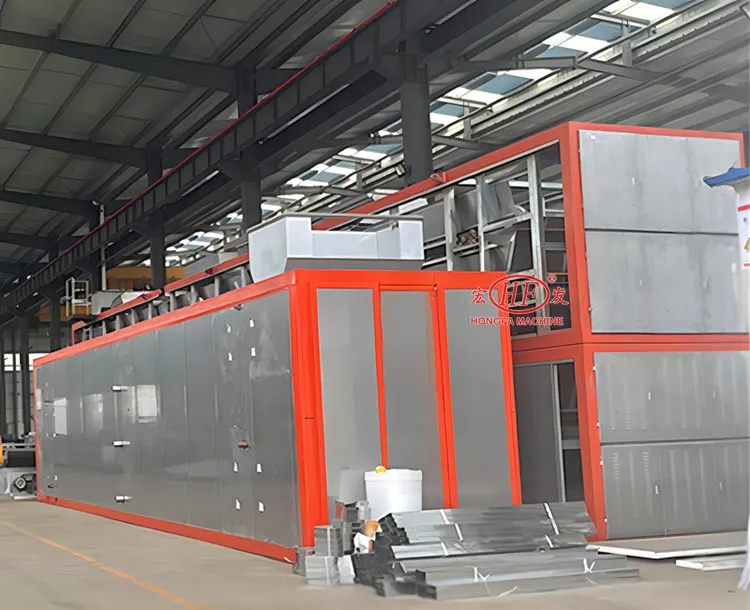
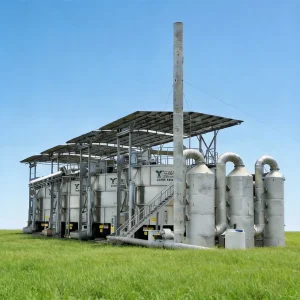
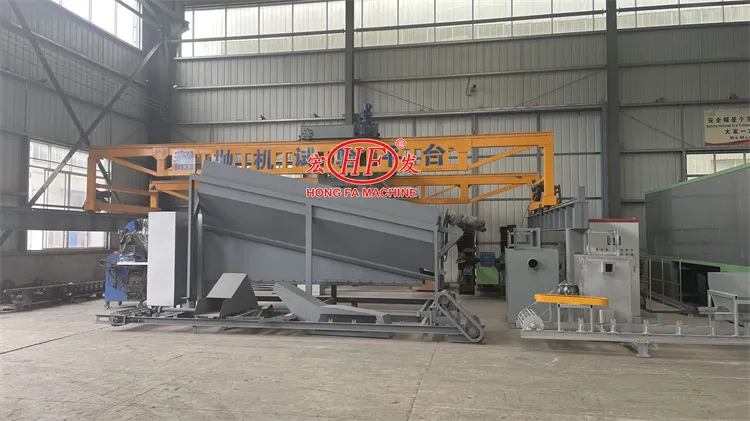
Advanced Material Construction: The equipment frames utilize galvanized, pickled, and phosphated steel with special protective coatings. All contact points with fermentation materials are made of 304 stainless steel to ensure maximum service life.
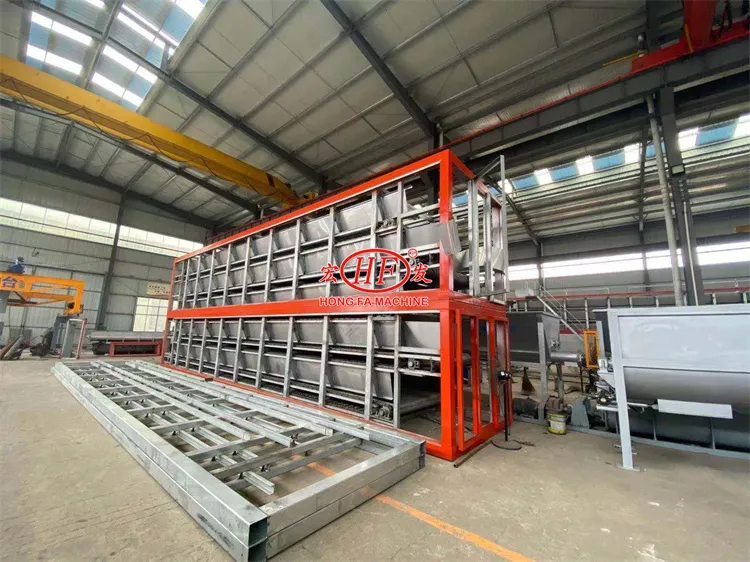
Machinery Detail 1
Machinery Detail 2

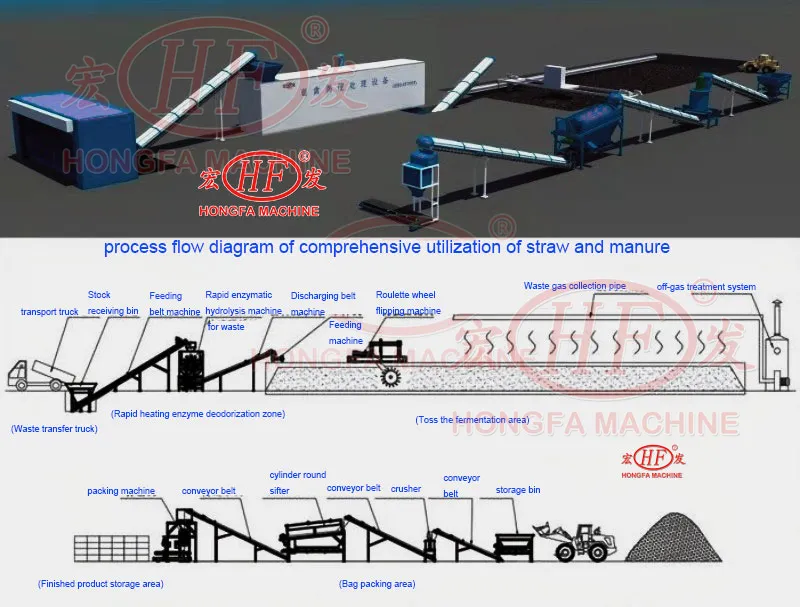
Working Process Flow

1. Fermentation 2. Crushing 3. Mixing 4. Drying 5. Granulating 6. Cooling 7. Coating 8. Packing
Process Chart
Equipment View

Technical Parameters (11FFC Series)

Parameter Model 11FFC-10 11FFC-20 11FFC-40 11FFC-60 11FFC-100 11FFC-200
Effective Volume 10m³ 20m³ 40m³ 60m³ 100m³ 200m³
*Custom designs available based on user specific requirements.

Equipment Specialization

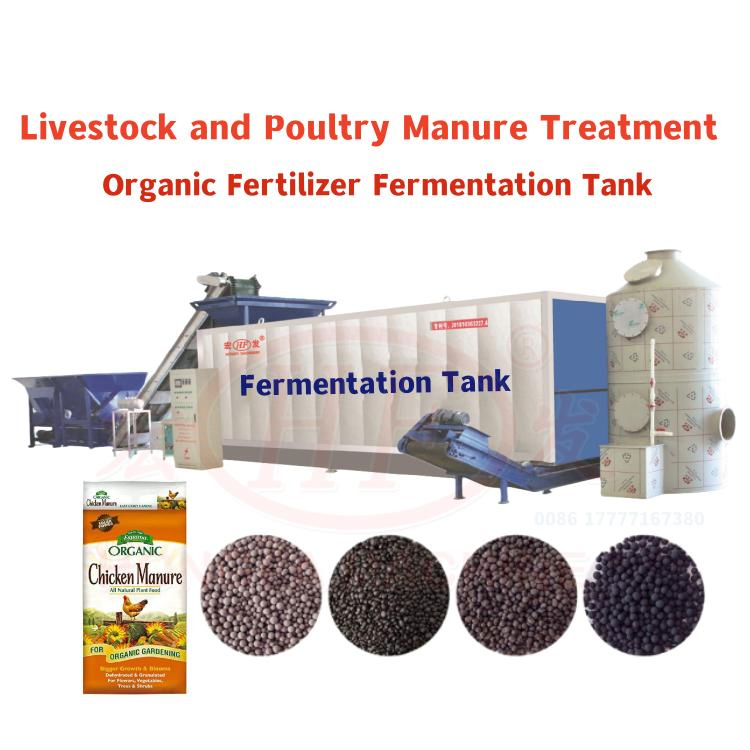
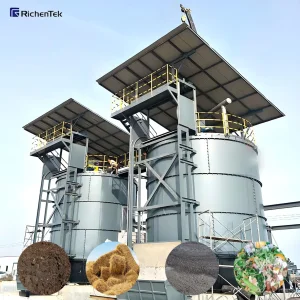
Fermentation Tank

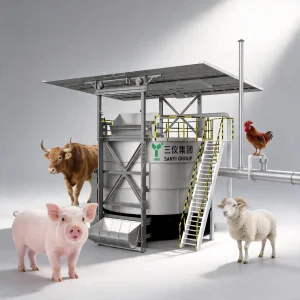
Fermentation Tank: High-temperature aerobic digester.
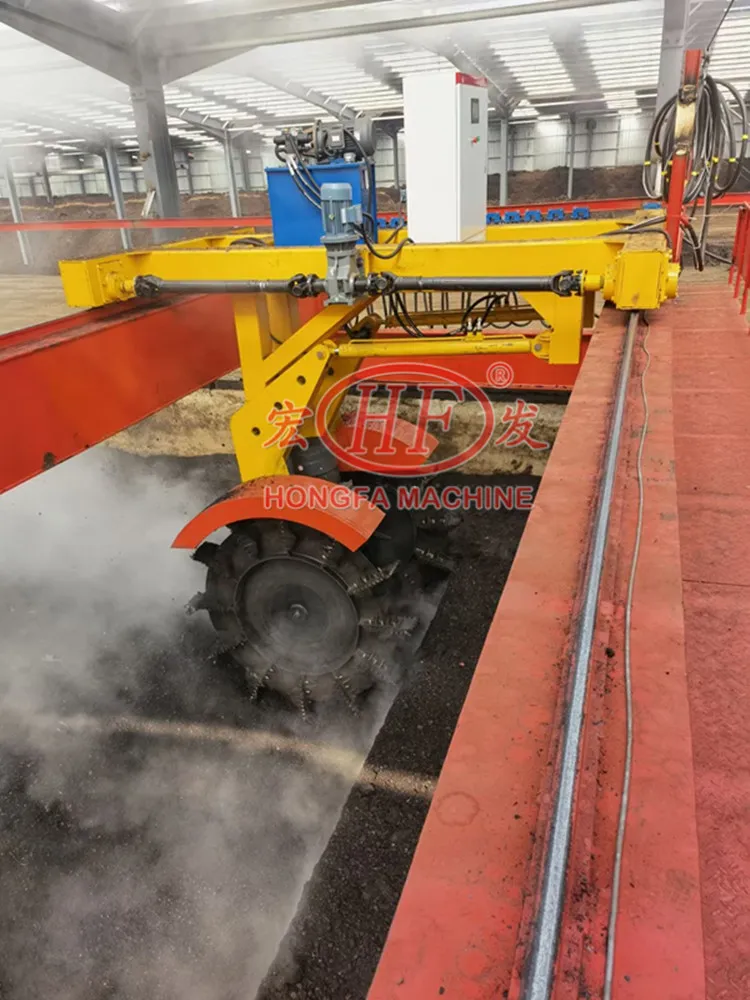
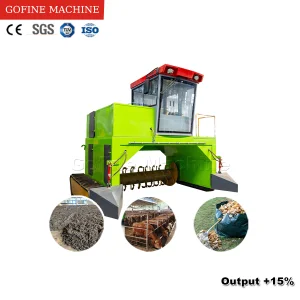
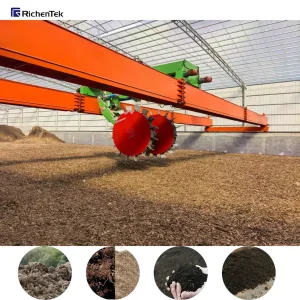
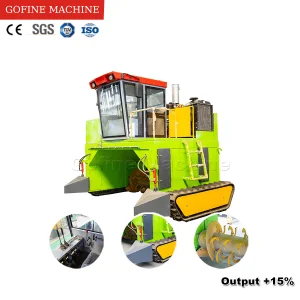
Roulette Tipping Machine

Roulette Tipping Machine: Low energy consumption, zero dead angle flipping.
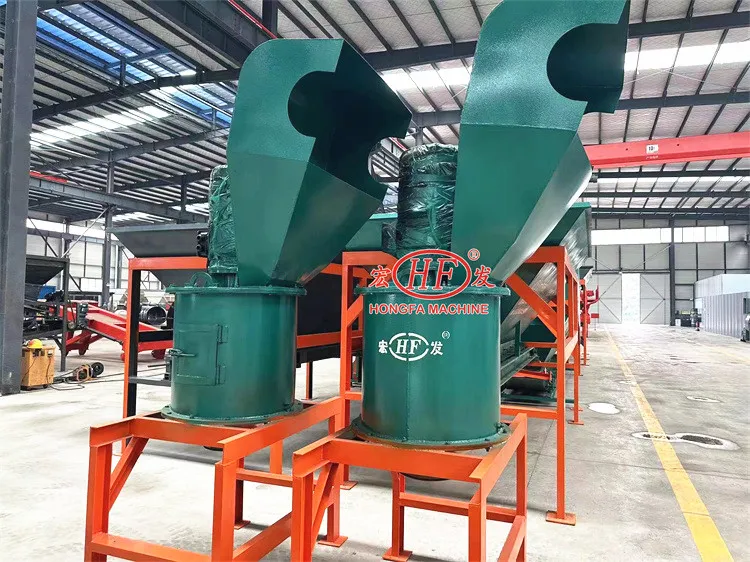
Crushing Machine

Crushing Machine: Prepares raw materials for ideal granulation.
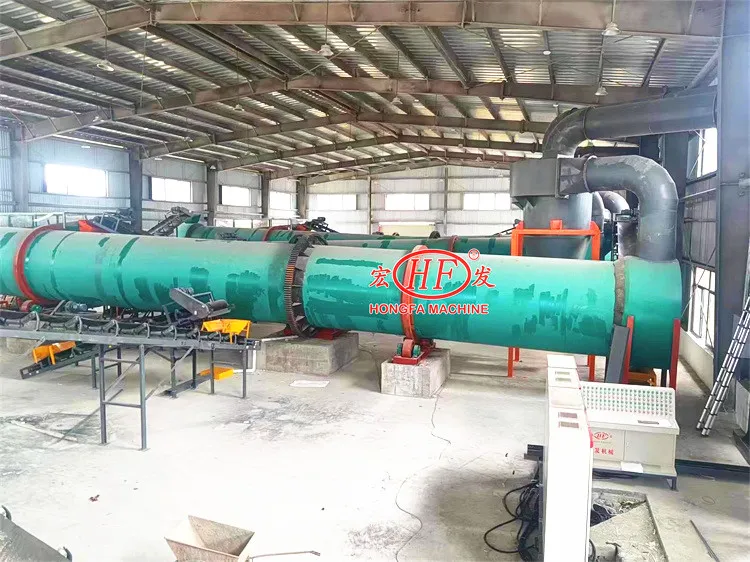
Cooling Machine

Cooling Machine: Reduces temperature quickly for storage.
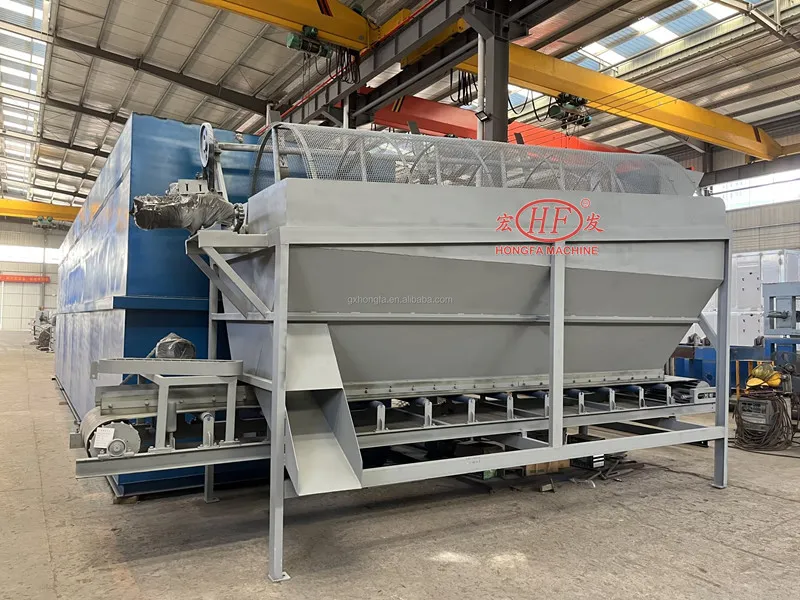
Screening Machine

Screener Machine: Separates finished granules from return materials.
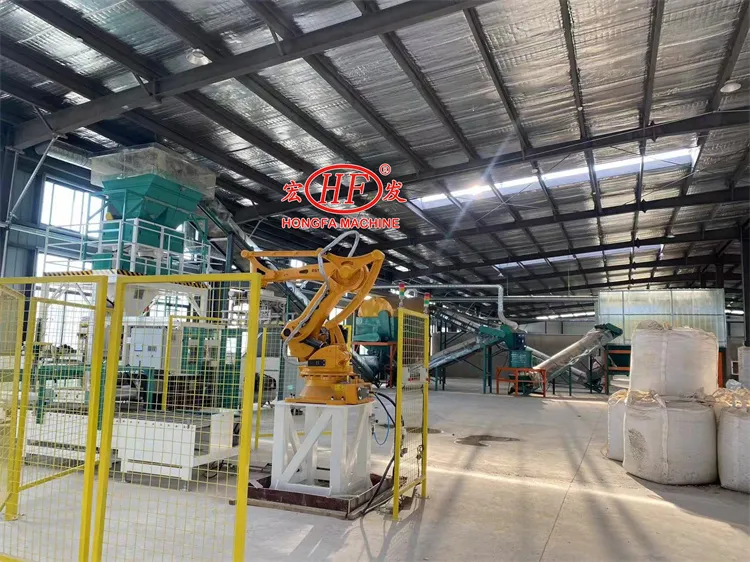
Packing System

Packing System: Automatic final product packaging.

Smart Factory Integration

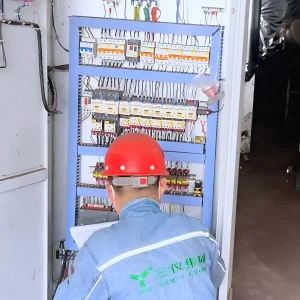
Modern solutions for aerobic fermentation include intelligent, automated, and remote-controllable systems. The facility is divided into four zones: Mixing and Deodorization, Fermentation and Ripening, Air Supply and Exhaust, and Monitoring and Control (PLC).
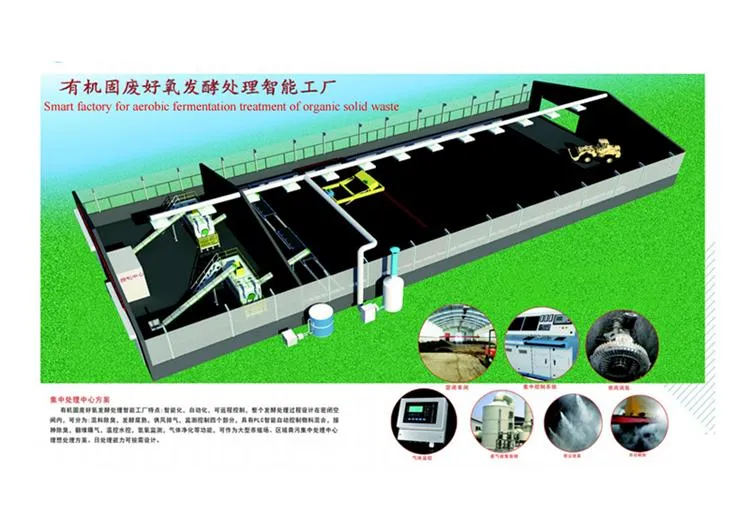
Smart Factory Solution

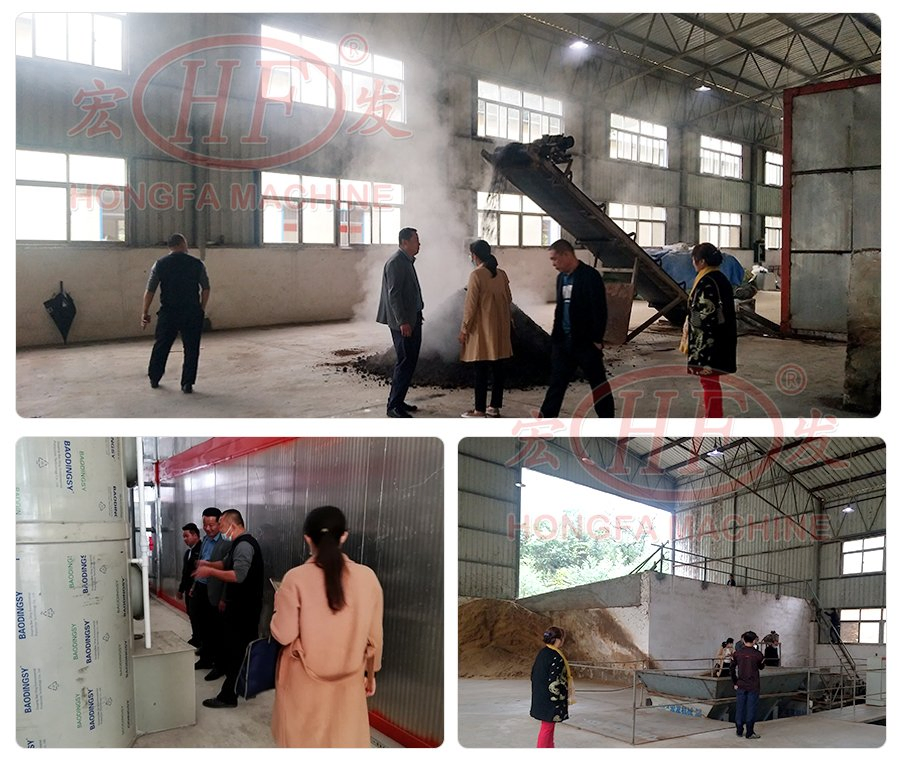
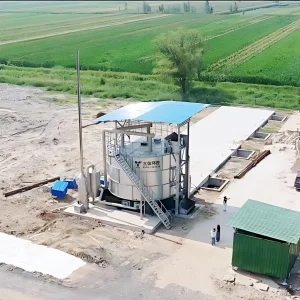
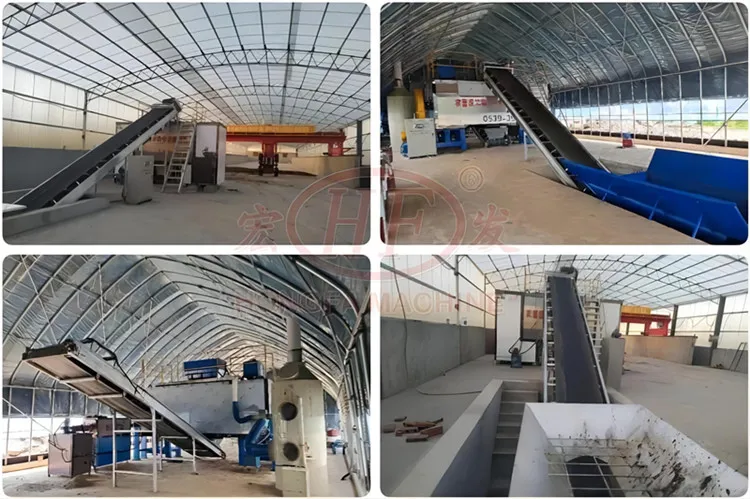
Field Applications & Successful Plants

Successful Plant 1
Successful Plant 2
Successful Plant 3

Frequently Asked Questions (FAQ)

Q1: What raw materials can be used for this fertilizer production line? A: The line is versatile and can process animal manure (pig, cattle, sheep, chicken), domestic garbage, sludge, biogas residue, and kitchen waste.
Q2: How long does the fermentation process take? A: With our industrial fermentation equipment, deodorization and decomposition can be completed in just 2 to 3 days.
Q3: How does the system handle environmental pollution? A: The equipment uses a closed aerobic fermentation design that prevents the release of odors and limits the breeding of mosquitoes and flies, significantly reducing air and water pollution.
Q4: Can the production line be automated? A: Yes, we offer smart factory solutions with PLC intelligent automatic control, allowing for remote monitoring and automated material mixing.
Q5: What is the main benefit of organic-inorganic compound fertilizer? A: It improves soil structure, enhances nutrient utilization, and increases the quality of agricultural products by boosting vitamins and proteins while lowering nitrates.
Q6: Is the equipment durable against corrosive manure? A: Yes, all contact positions with the fermentation bed and waste are constructed from 304 stainless steel, and the main frames are treated with anti-corrosion materials.

Related Products