In the modern era of intensive agriculture and industrial food processing, the management of organic waste has evolved from a simple disposal challenge into a sophisticated pillar of the Circular Economy. Chengdu AgBio Energy Co., Ltd., since its inception in 2013, has stood at the forefront of this transformation. As a premier Chinese manufacturer and exporter, we provide the global market with high-performance Livestock Waste Treatment Technology that bridges the gap between environmental compliance and commercial profitability.
Our systems transform raw manure and food waste into high-quality organic fertilizer, sequestering carbon and restoring soil health through advanced aerobic stabilization.
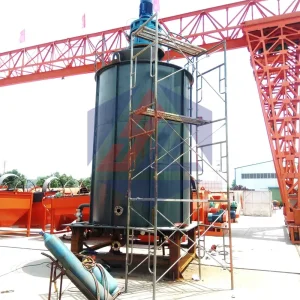
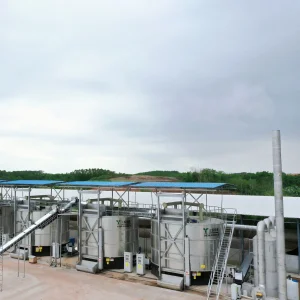
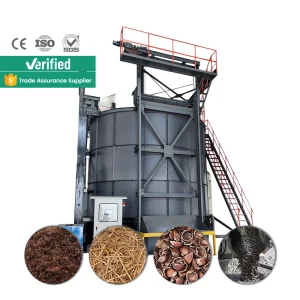
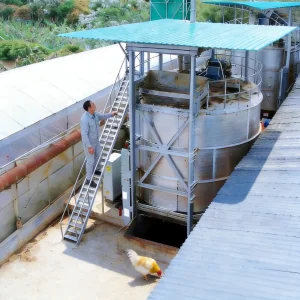
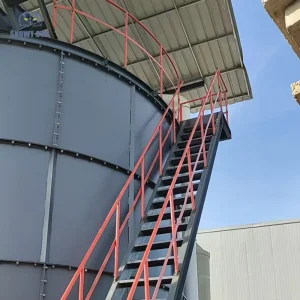
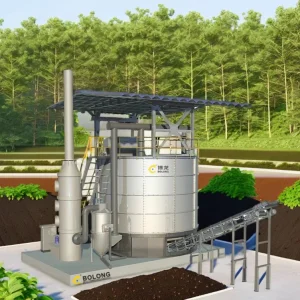
Utilizing high-grade stainless steel and intelligent control systems, our 45-220 m³ fermentation tanks ensure durability in the harshest corrosive environments.
Designed to meet stringent environmental regulations across Europe, North America, and Southeast Asia, focusing on odor control and pathogen elimination.
The global demand for livestock waste treatment has shifted from "waste reduction" to "value extraction." Large-scale agricultural operations in the USA, Brazil, and Europe are increasingly seeking integrated solutions that reduce the Environmental Footprint while creating secondary revenue streams. Our technology addresses these needs through several key strategic applications:
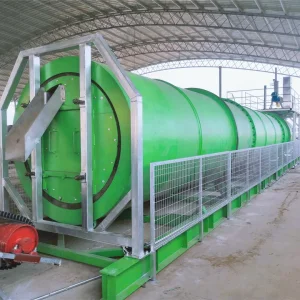
IVC technology offers a controlled environment for organic decomposition. By managing temperature, moisture, and aeration, our vessels accelerate the composting process from months to just 7-10 days, significantly reducing land footprint requirements.
Operating at thermophilic temperatures (55°C to 75°C), our systems effectively eliminate harmful pathogens, weed seeds, and insect larvae, ensuring the final output is safe for commercial agricultural use.
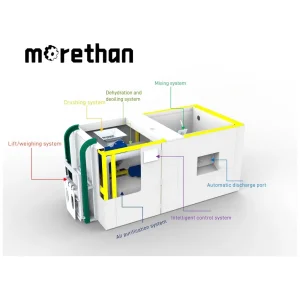
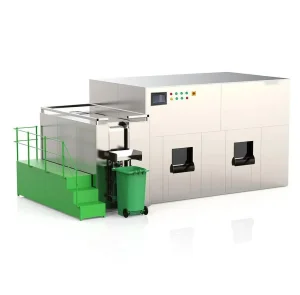
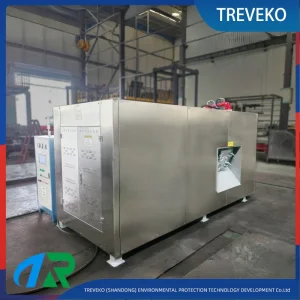
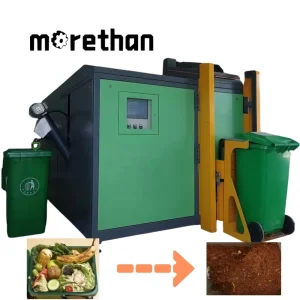
For municipal and commercial food waste, we provide compact, on-site digesters. These units eliminate the logistics cost of hauling "wet waste" and allow hotels and hospitals to manage their bio-waste locally.
Global procurement officers now prioritize Information Gain and Reliability when choosing a Chinese partner. AgBio Energy meets these criteria by offering comprehensive technical documentation, energy consumption analytics, and localized installation support. We understand that a 130m³ biofertilizer system is not just equipment; it is a critical asset in a corporation's ESG (Environmental, Social, and Governance) portfolio.
The future of waste management lies in the integration of Artificial Intelligence (AI) and IoT. Our R&D team is currently focusing on three primary innovation pillars:
Real-time monitoring of microbial activity through CO2 and ammonia sensors. Our systems will soon autonomously adjust aeration rates to optimize the fermentation curve, reducing energy costs by up to 25%.
Moving beyond simple bio-filters, we are integrating multi-stage chemical scrubbing and plasma oxidation to ensure that even large-scale facilities can operate near residential zones with zero odor complaints.
Improving the NPK (Nitrogen, Phosphorus, Potassium) retention in organic fertilizers. By controlling the timing of the cooling phase, we maximize the beneficial microbial flora in the final product.
As we look toward 2030, AgBio Energy is committed to reducing methane emissions from manure lagoons, potentially contributing to millions of tons of CO2-equivalent reductions annually.
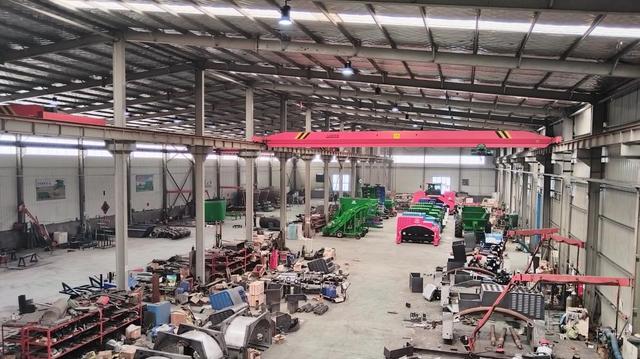
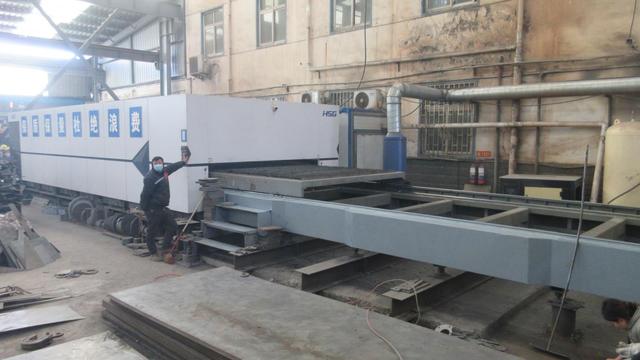
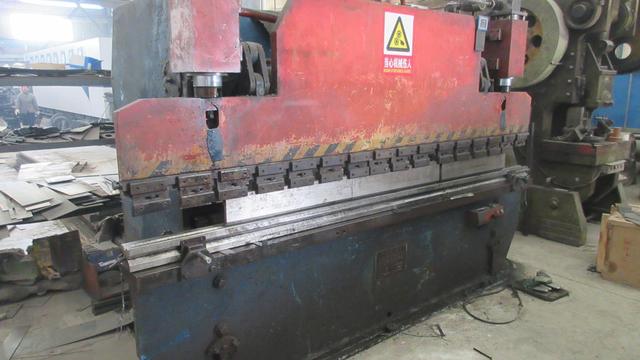
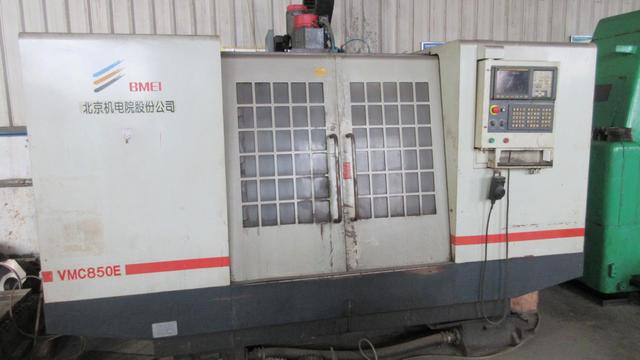
Established in 2013 and headquartered in Chengdu, Sichuan Province, China, AgBio Energy is dedicated to helping businesses, agricultural operations, and municipalities transform organic waste into valuable resources. With a modern manufacturing facility covering more than 16,000 square meters and a team of over 230 employees, we deliver efficient and environmentally responsible waste management technologies to customers around the world.
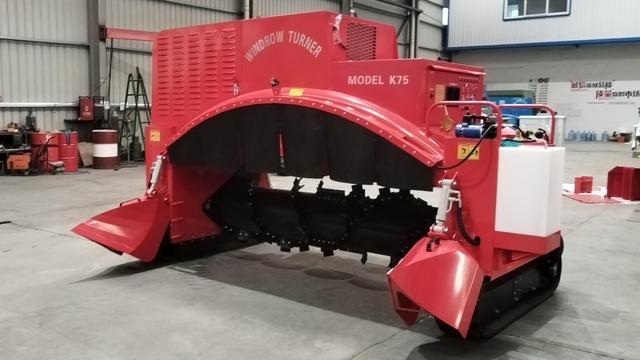
Our product portfolio includes organic waste composting machines, food waste treatment systems, aerobic fermentation equipment, and intelligent composting management systems. We offer robust OEM and ODM services, providing customized solutions tailored to specific project requirements, processing capacities, and operational environments.
We provide full documentation to ensure compliance with local EPA, CE, and ISO certifications. Our engineering team assists in Environmental Impact Assessments (EIA) for large installations.
Through our network of regional partners, we offer 24/7 technical support, on-site commissioning, and annual maintenance contracts to ensure 99.9% operational uptime.
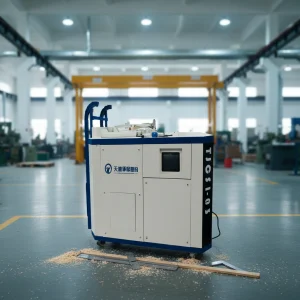
Whether it's a single 50kg mini digester or a fleet of 220m³ tanks, we manage the entire supply chain, including sea freight, customs clearance, and "last mile" delivery to remote farm locations.
Q1: How long does the fermentation process take in your aerobic tanks?
A: Typically, the primary fermentation stage takes between 7 to 12 days, depending on the feedstock (e.g., pig manure vs. food waste). Our high-efficiency aeration and temperature control systems significantly accelerate the natural microbial process.
Q2: Can your equipment handle waste with high moisture content?
A: Yes. For waste with moisture above 70%, we recommend mixing it with a carbon source (like sawdust or straw) or using our liquid-solid separation pre-treatment equipment to achieve the ideal 55-65% moisture level for aerobic composting.
Q3: Do you support remote monitoring for overseas clients?
A: Absolutely. Our intelligent composting management systems are equipped with PLC and cloud-based monitoring, allowing our engineers in China to diagnose performance data and assist your local team in real-time.
Q4: What is the lifespan of an industrial-scale fermentation tank?
A: Our tanks are built with premium materials (SUS304/SUS316 options) and anti-corrosion coatings. With proper maintenance, the structural lifespan exceeds 15-20 years.
Q5: Is the organic fertilizer produced by your machines ready for immediate use?
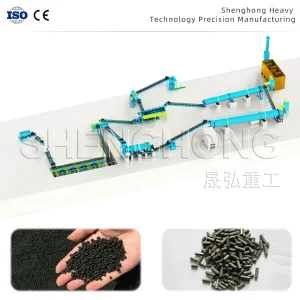
A: The output is a stabilized, pathogen-free organic fertilizer base. For professional retail sales, we often suggest a short secondary "curing" period or using our fertilizer production line for granulation and drying.
 AgBio Energy