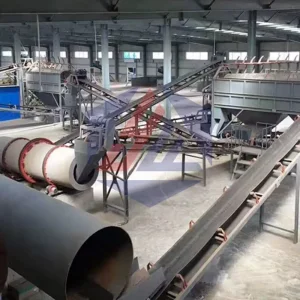
📝 Product Description
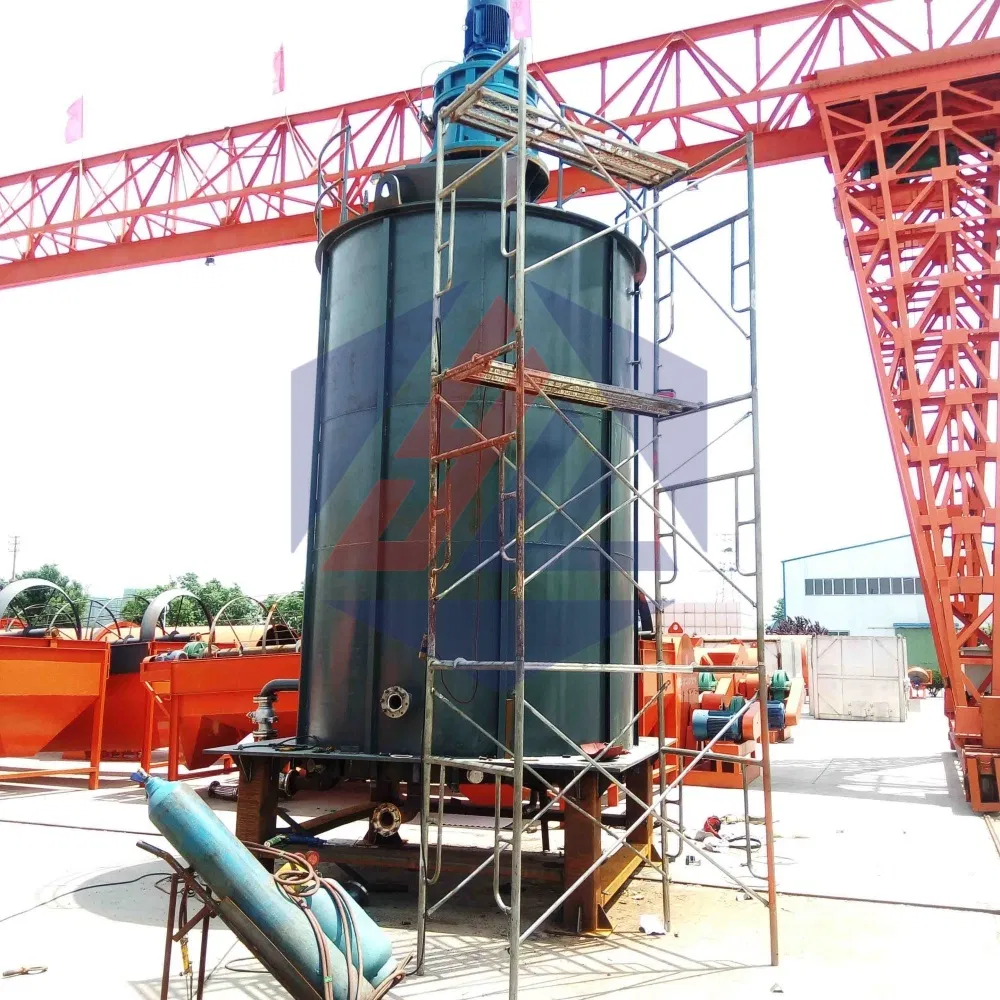
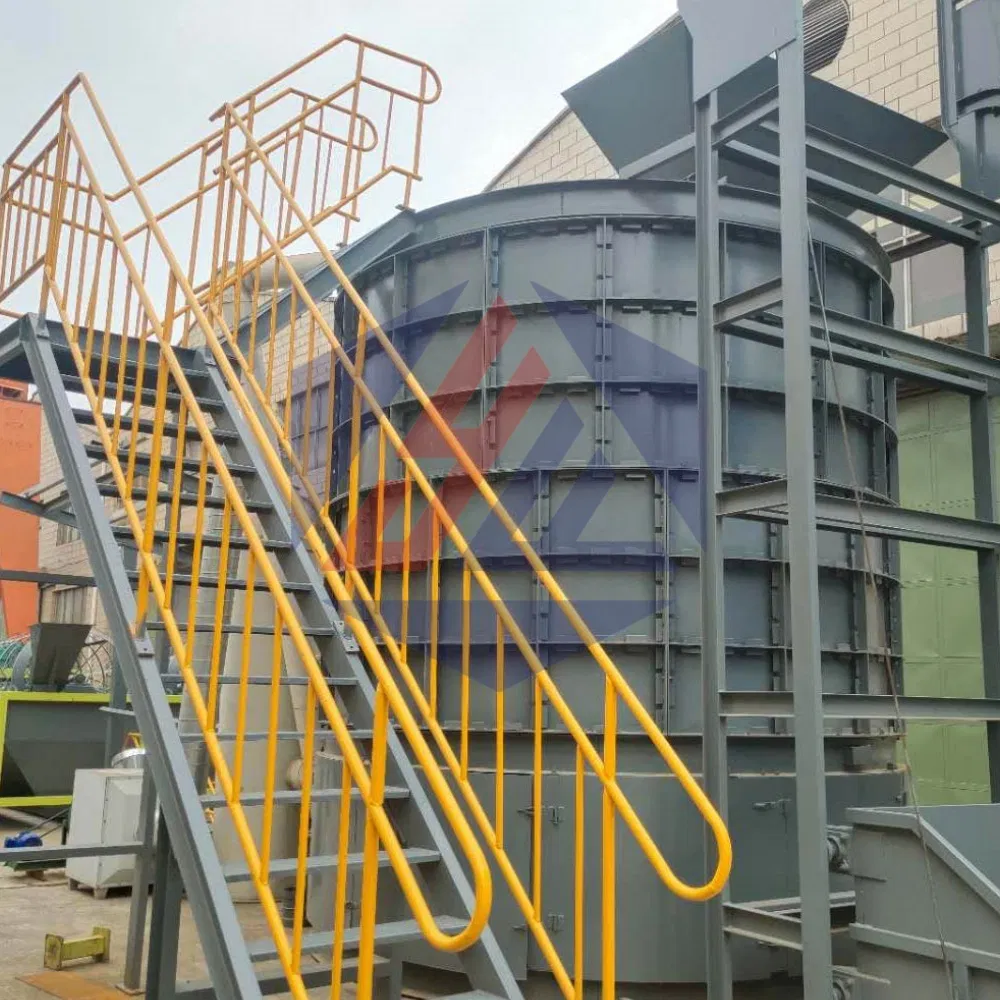
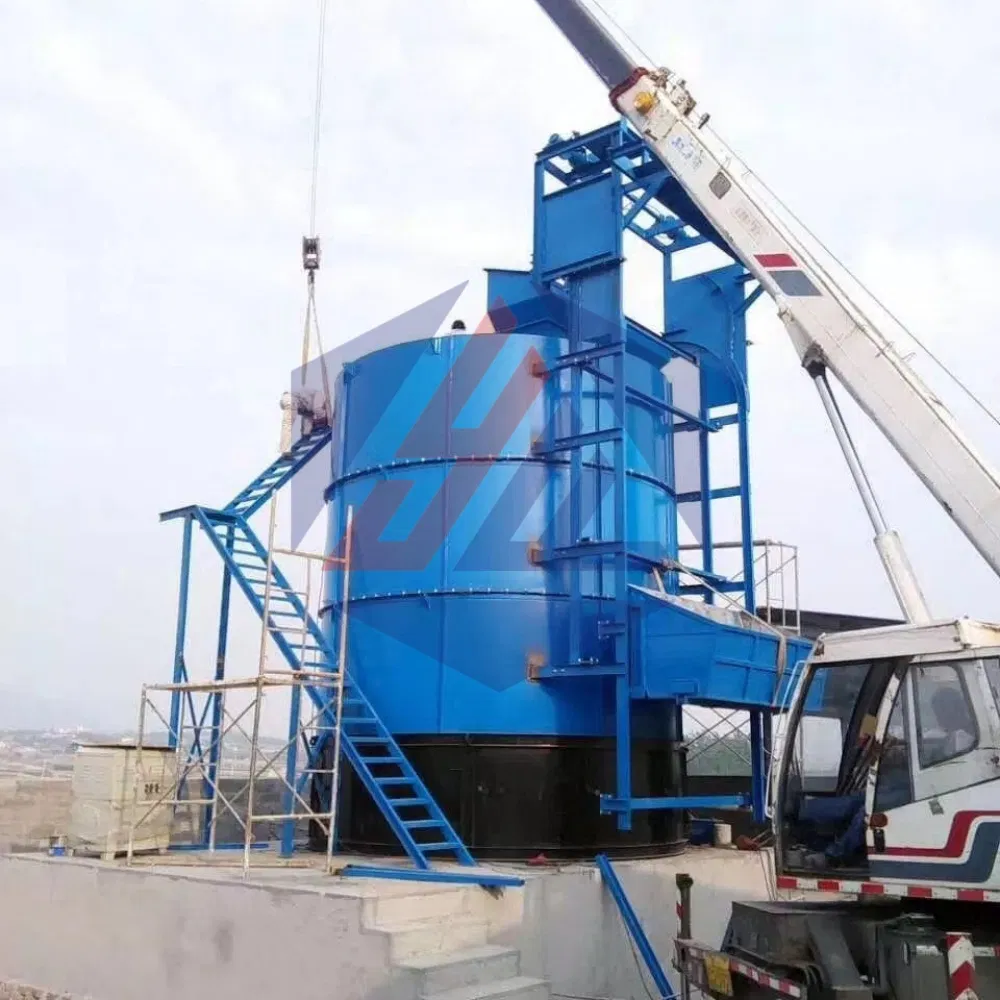
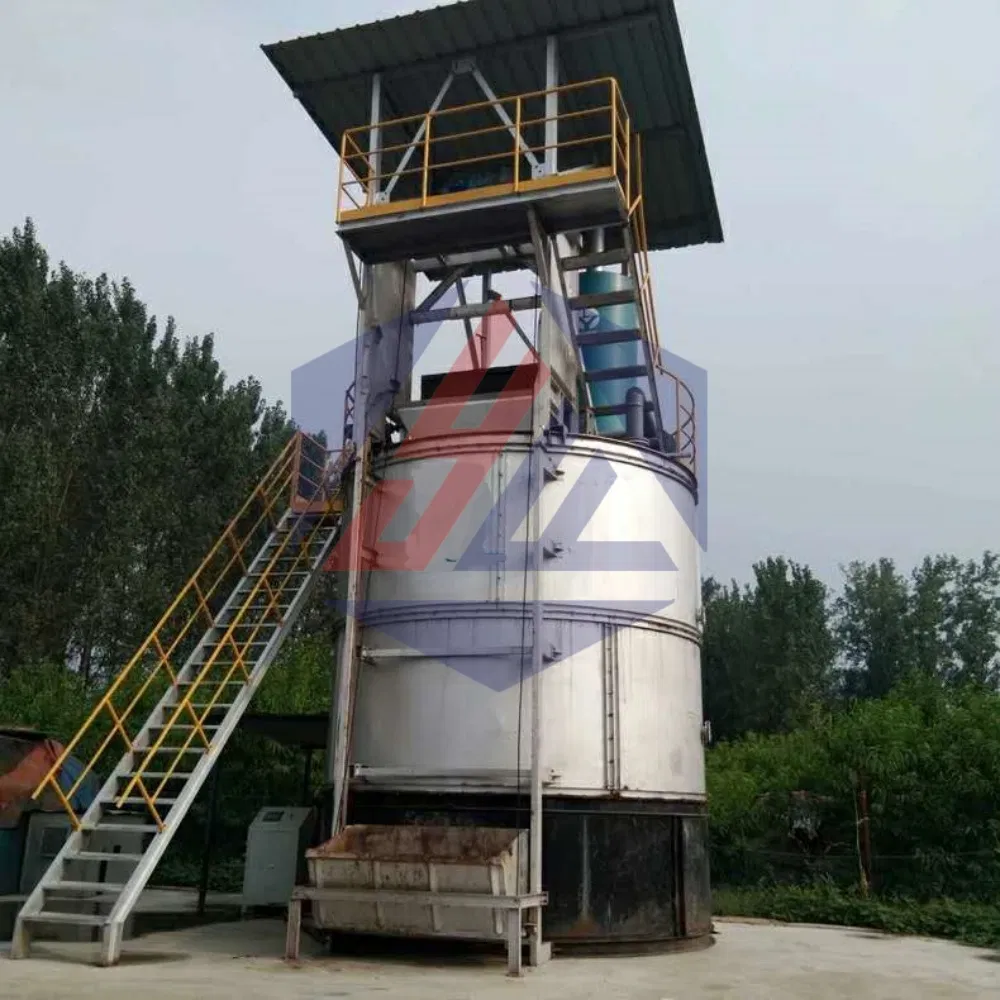
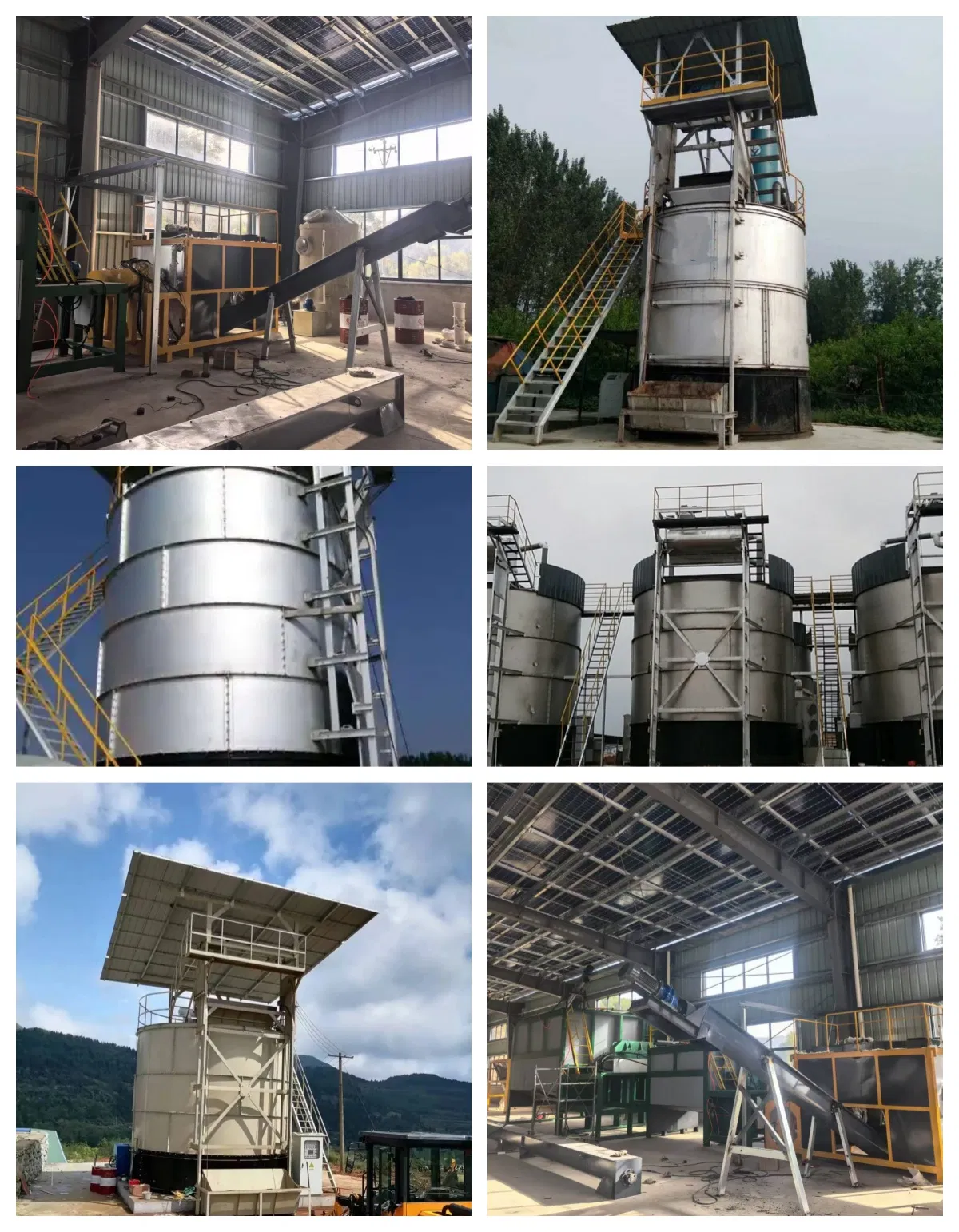
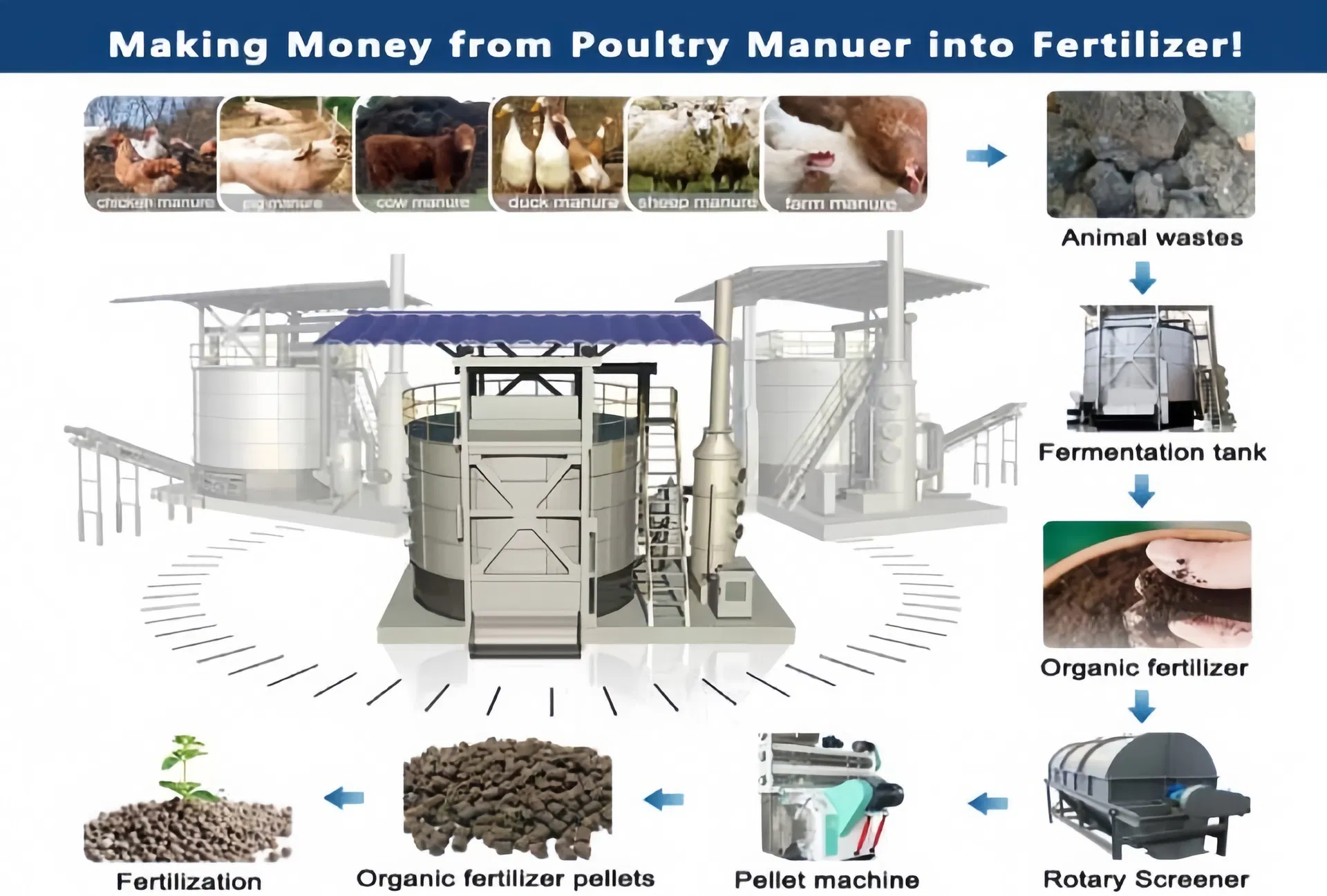
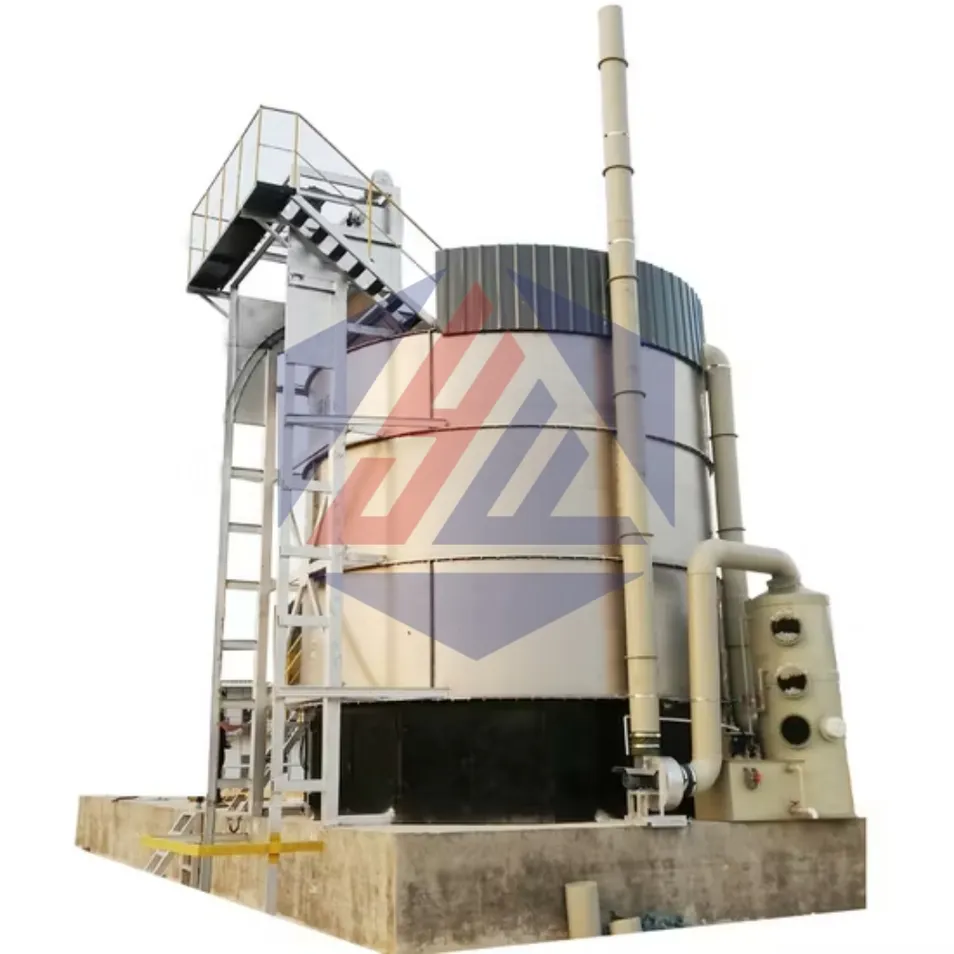
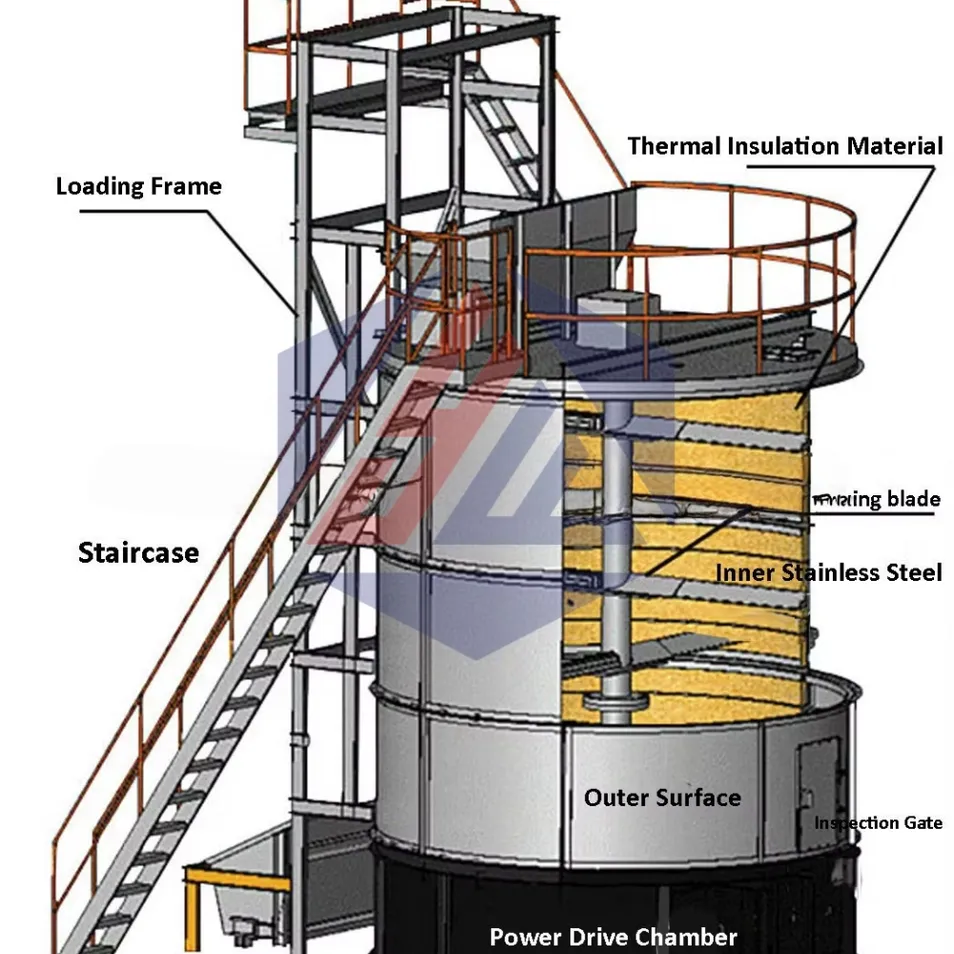
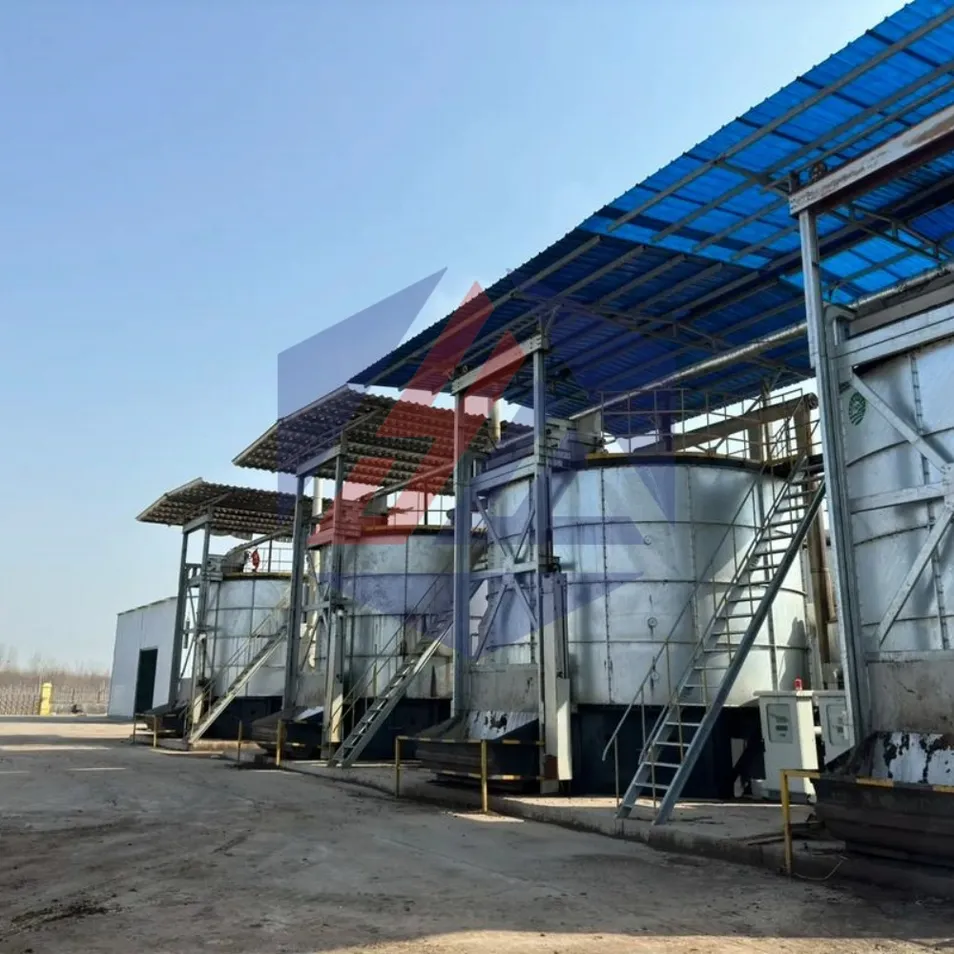
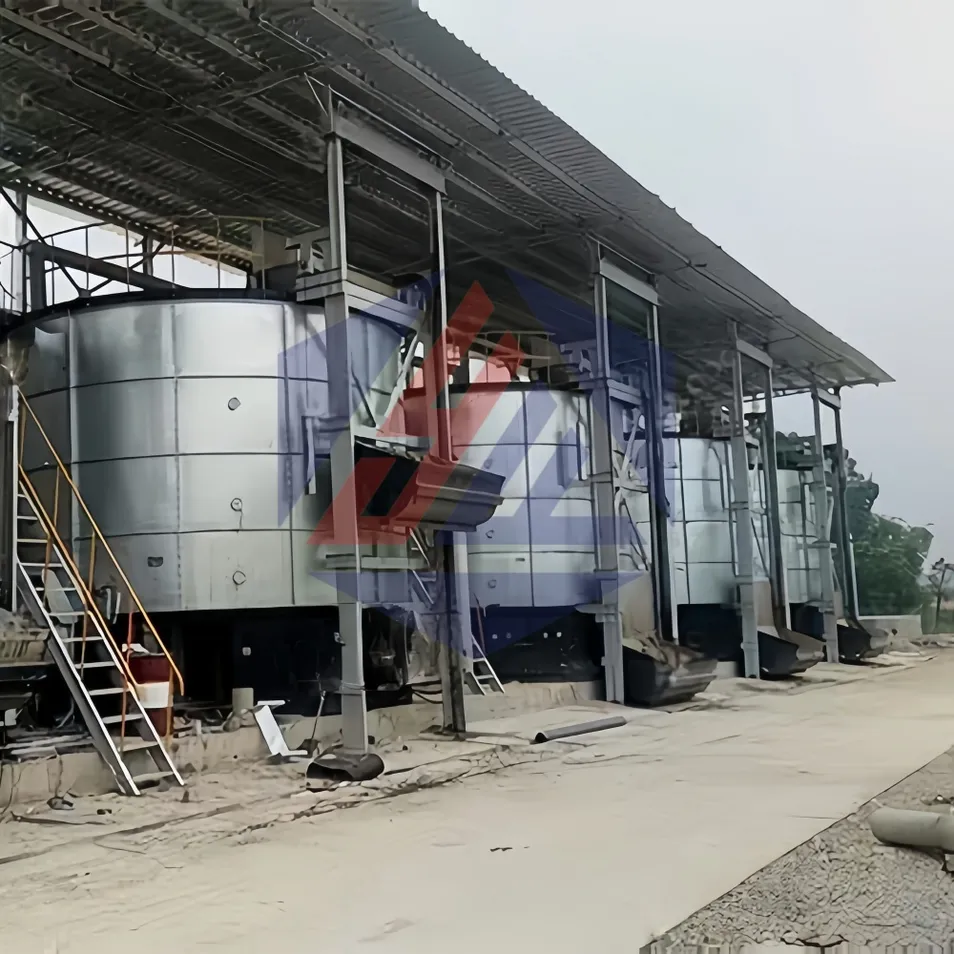
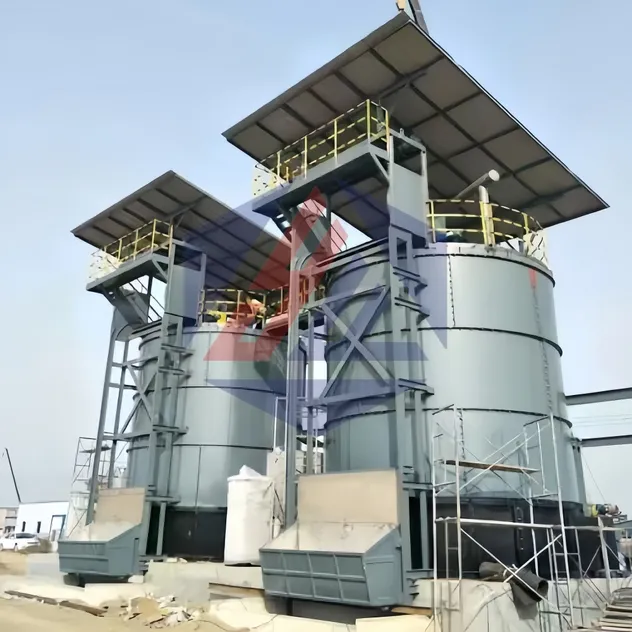
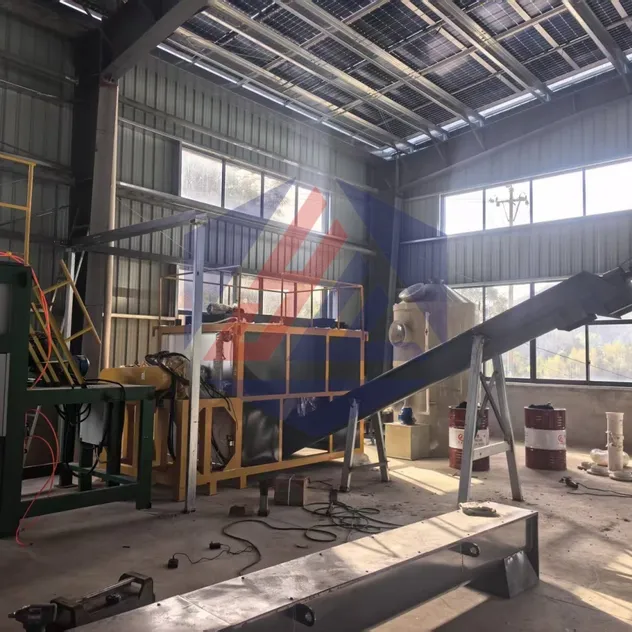
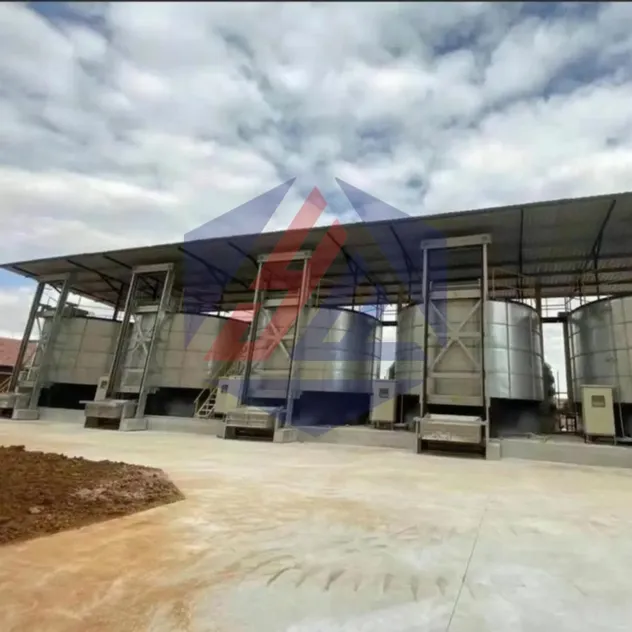
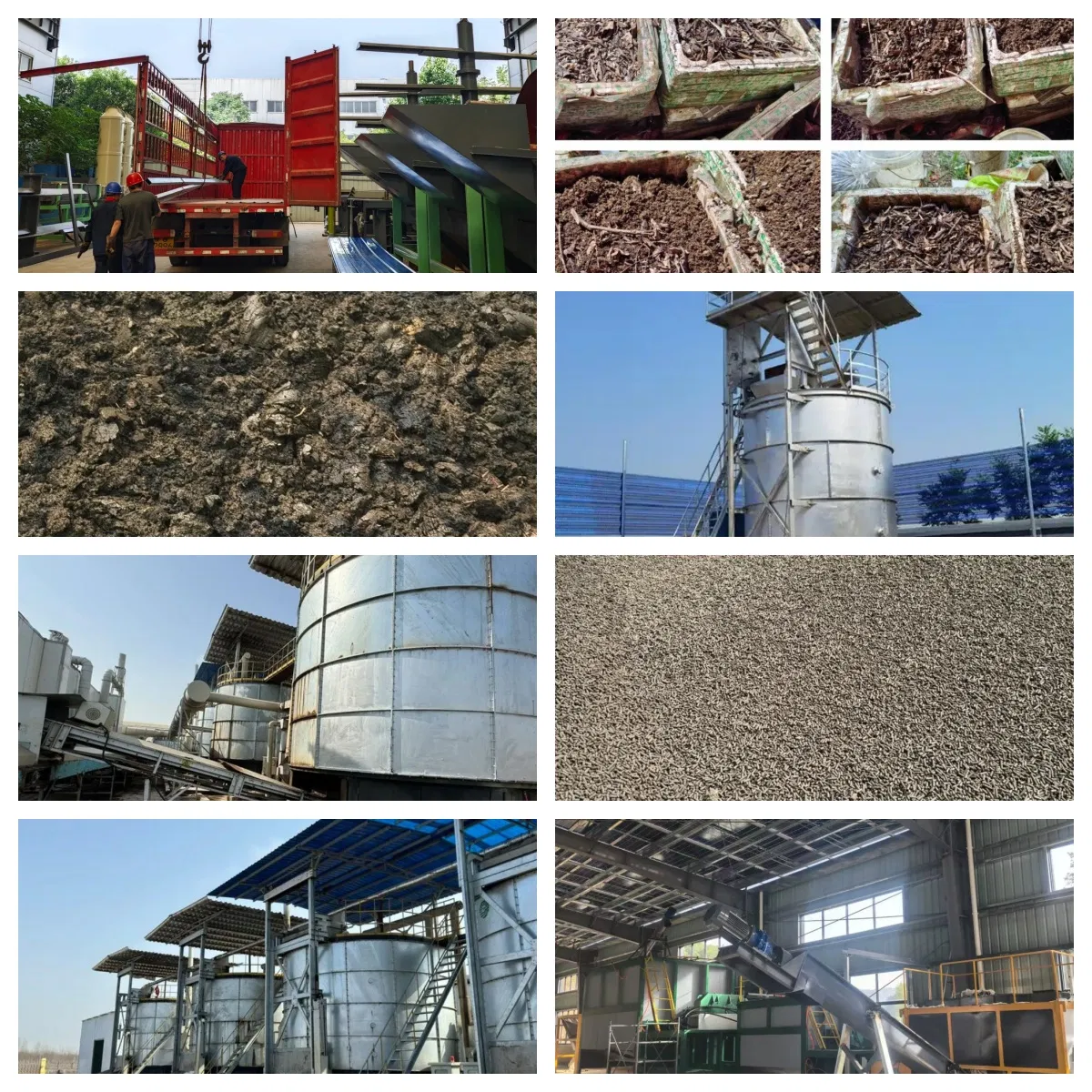
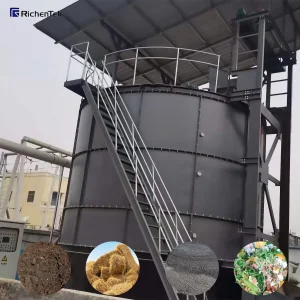
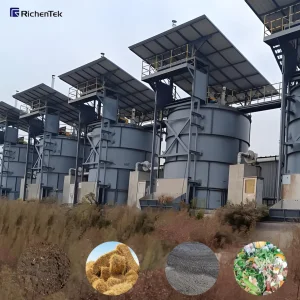
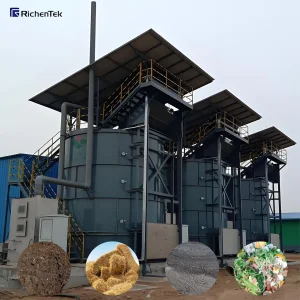
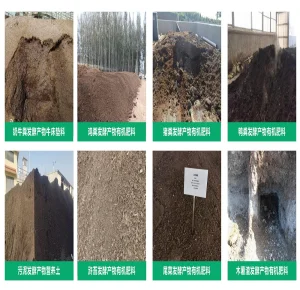
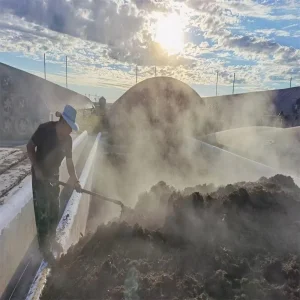
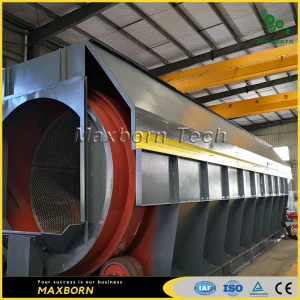
This organic fertilizer fermentation tank is a high-efficiency and eco-friendly organic waste treatment equipment, specifically designed for the agricultural, livestock breeding, and organic fertilizer production industries. Utilizing high-temperature aerobic fermentation technology, it can rapidly decompose organic waste such as livestock manure, crop straw, and food waste, converting them into high-quality organic fertilizer. This process promotes resource recycling and supports the development of green agriculture.
⚙️ Working Principle
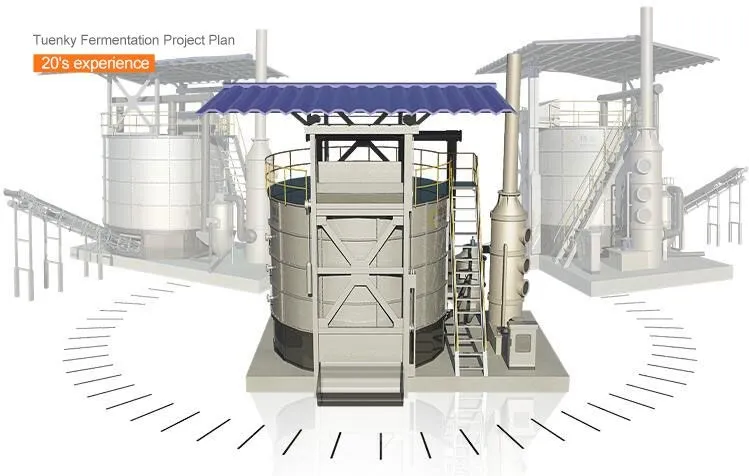
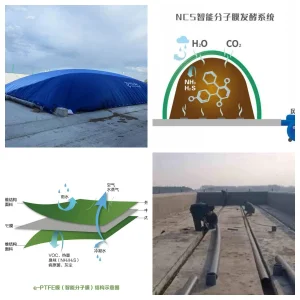
The fermentation takes advantage of the decomposition of microorganisms in nature, uses aerobic microorganism activity through continuous aerobic fermentation in a closed fermenter, decomposes the organic matter and decomposes the material at high temperature. Thoroughly deodorizing and killing parasites, germs and other harmful substances, the moisture content of the material decreases, the volume decreases, and finally produces a large amount of organic fertilizer rich in organic matter.
❓ FAQ
Q1: What is your Business Model?
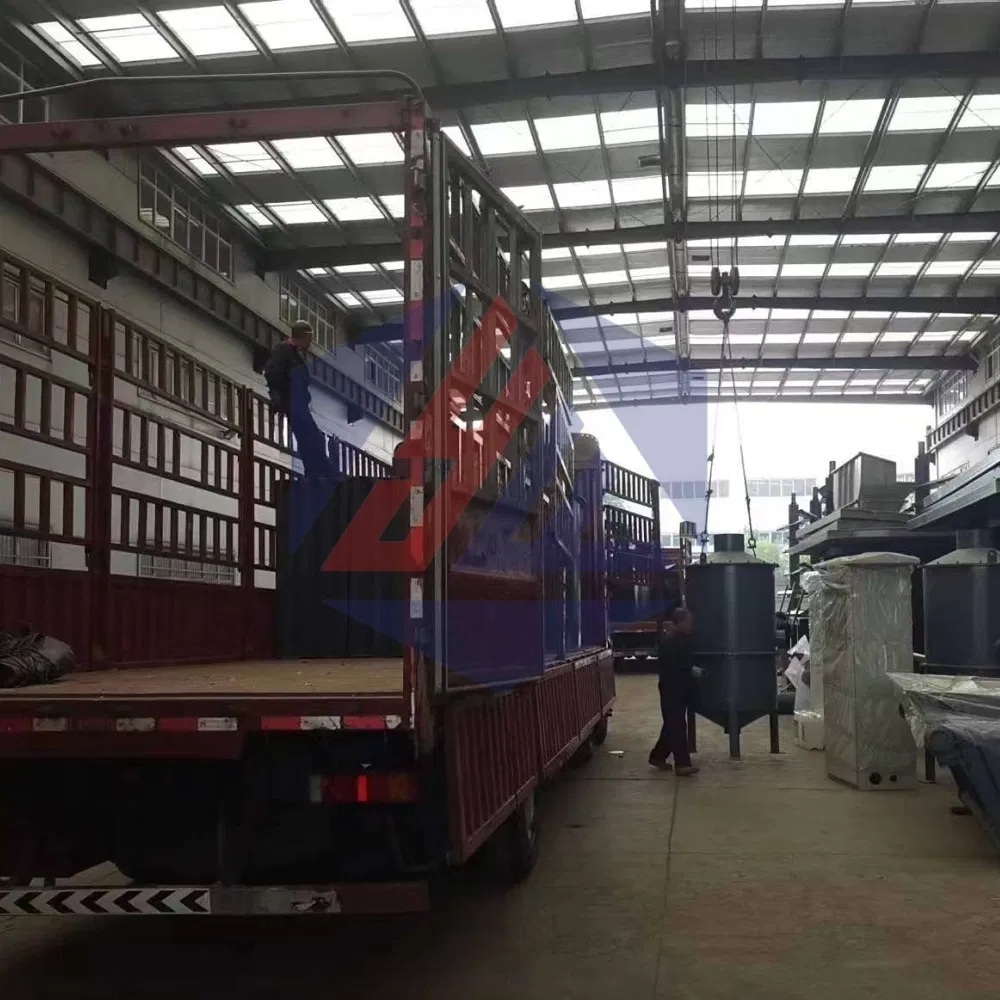
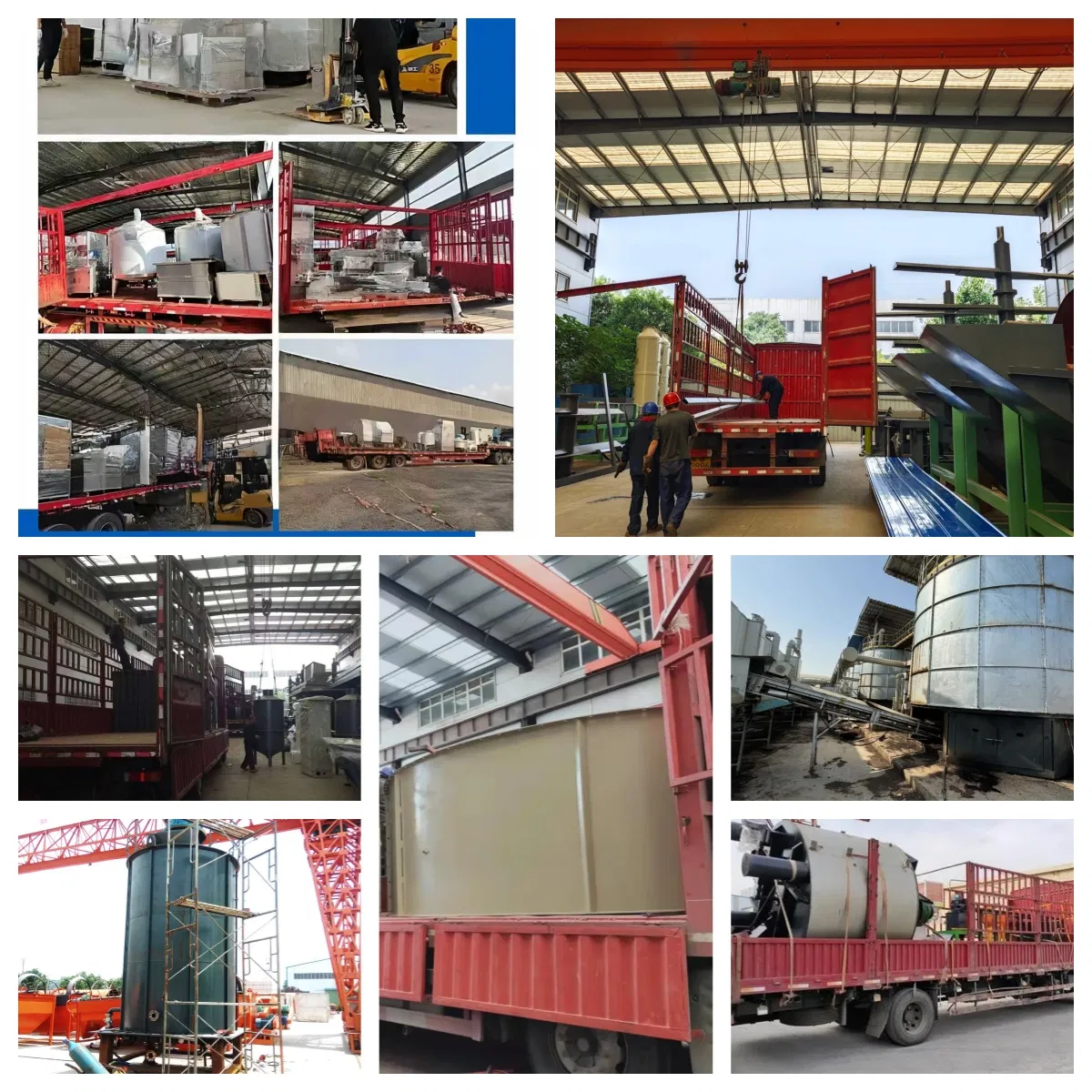
We are a 20-year factory. All our machinery is manufactured by ourselves with factory direct sales, ensuring product quality and professional after-sales service.
Q2: Can I visit your factory?
Yes. Many domestic and international customers visit our factory every year. We are located in China and can arrange to pick you up at the airport or train station.
Q3: What is the quality of your products?
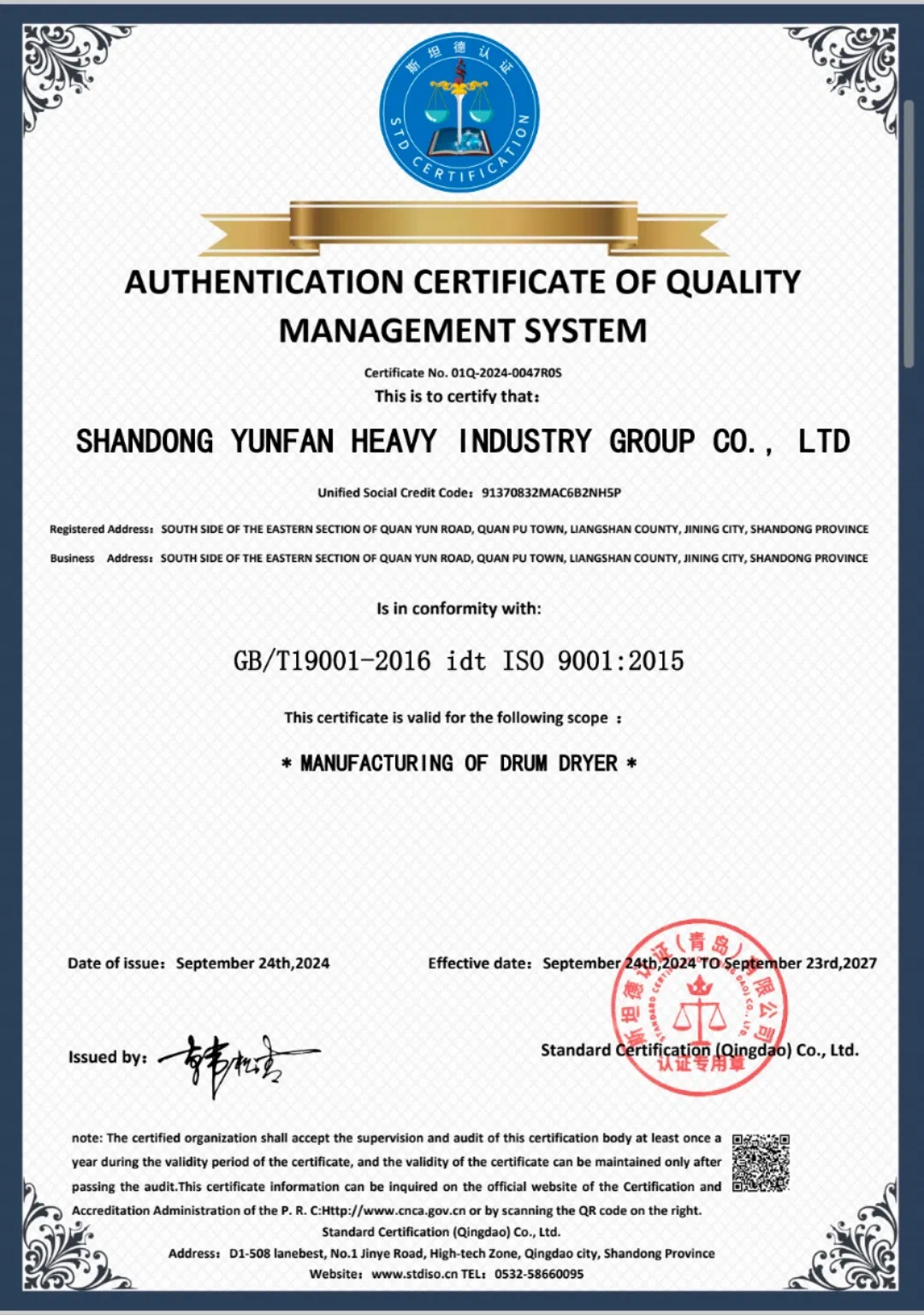
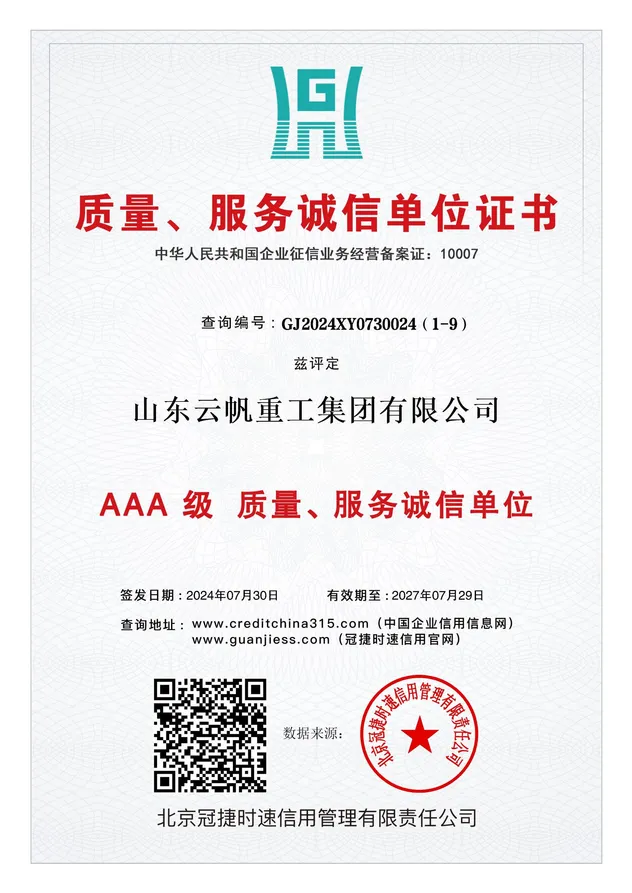
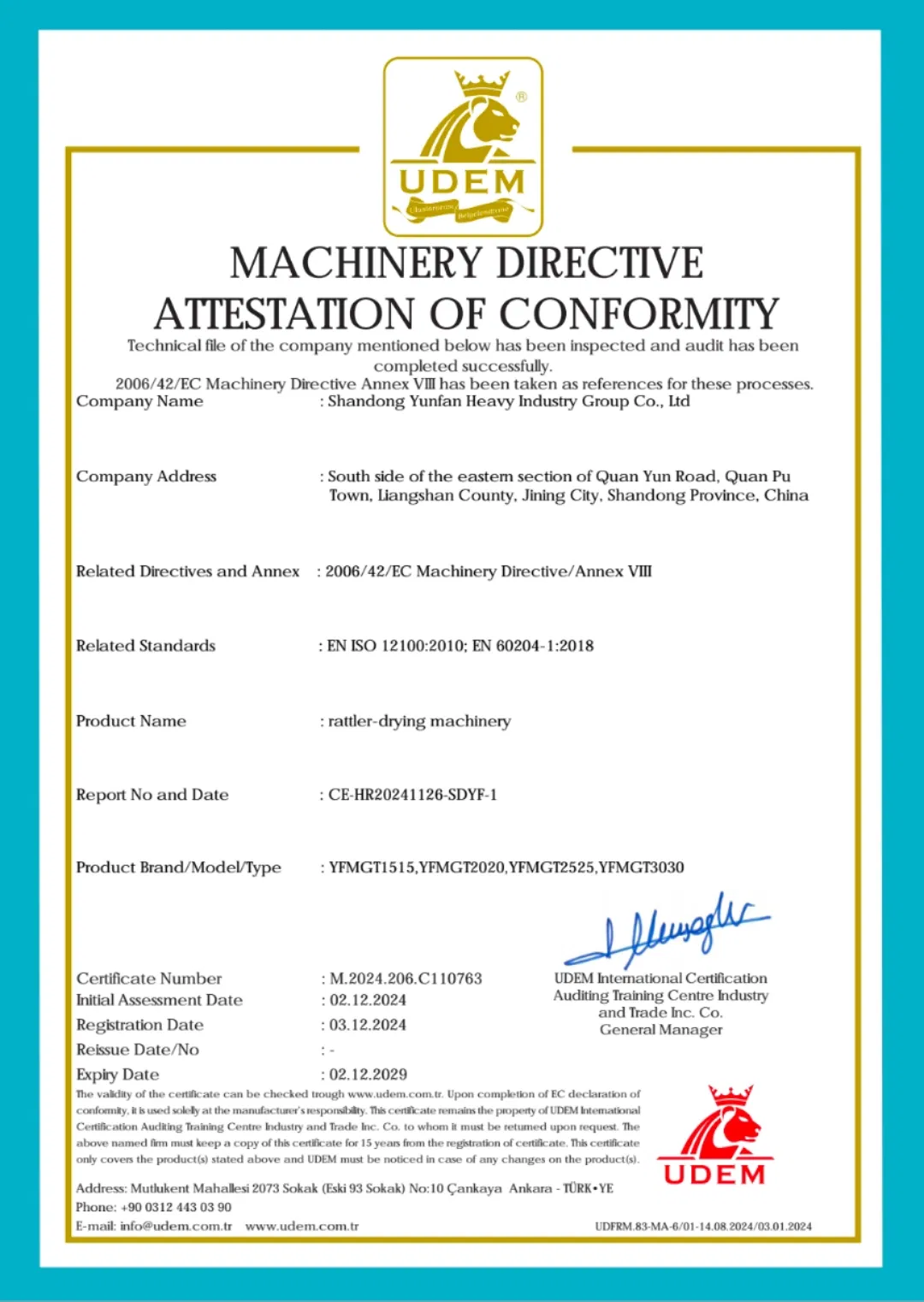
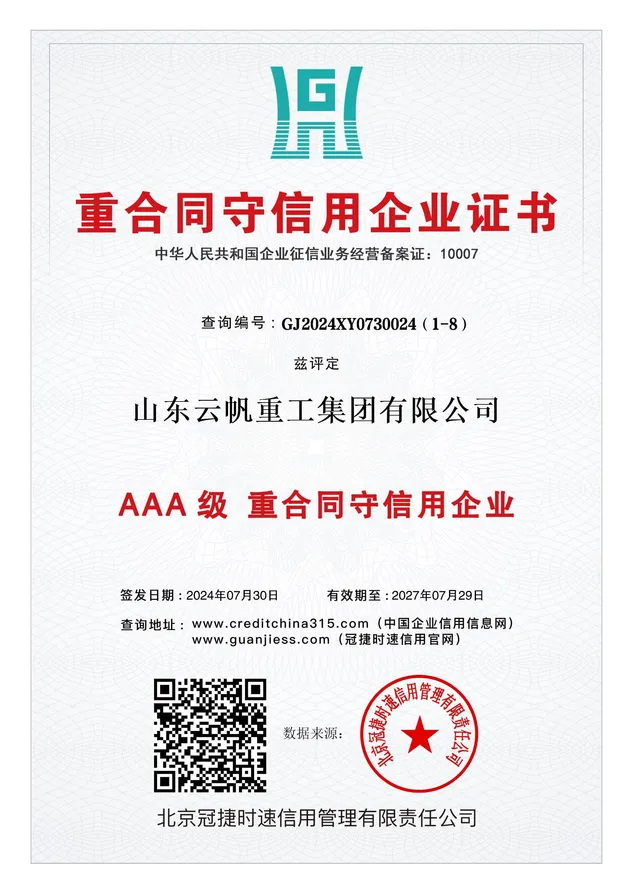
Our products come with the best quality and have passed CE certification. We have exported to numerous countries worldwide including Australia, Malaysia, India, Italy, Brazil, and Russia.
Q4: How long is the warranty of your equipment?
Our warranty period is generally 12 months.
Q5: Is the equipment eco-friendly?
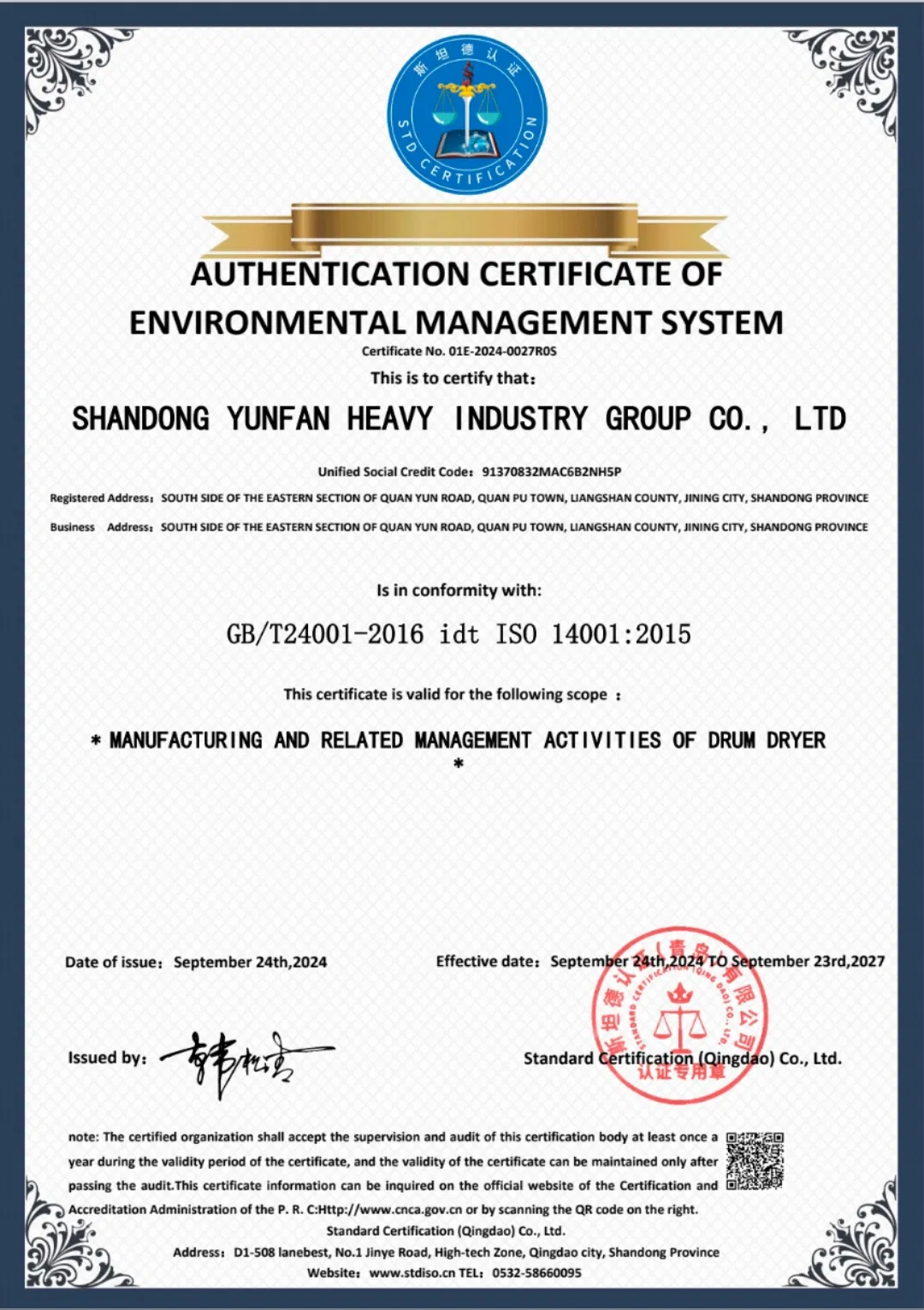
Yes, the closed-tank design and exhaust gas treatment systems effectively control odors and harmful gas emissions, meeting strict environmental standards.
Q6: What information should I provide to get a quotation?
Please provide: 1. Raw material type; 2. Required hourly capacity; 3. Maximum input size of raw material; 4. Desired output size and application for the final product.
 AgBio Energy