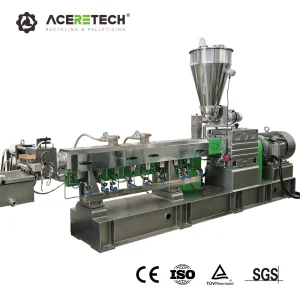
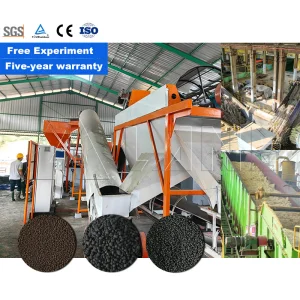
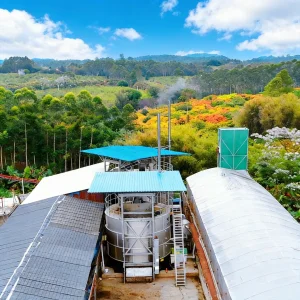
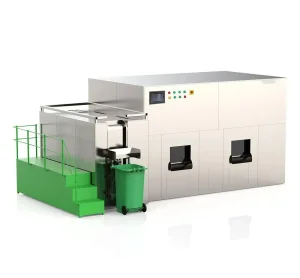
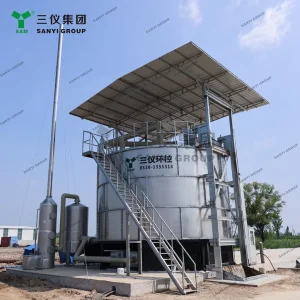
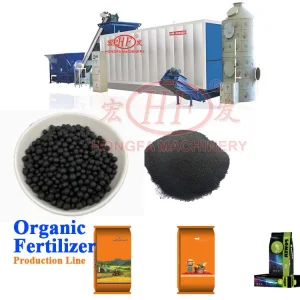
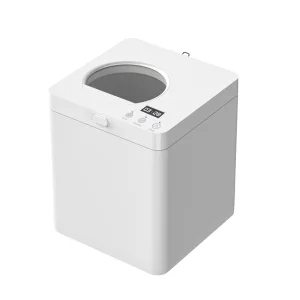
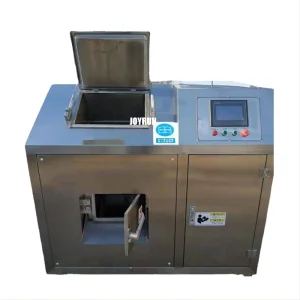
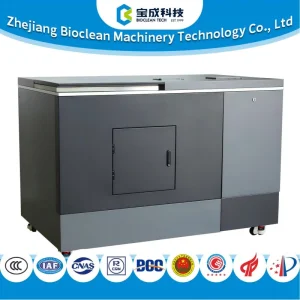
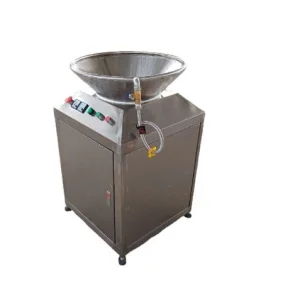
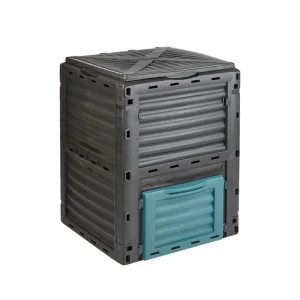
Select engineered units designed for rapid processing, microbial stabilization, and circular economy integration.
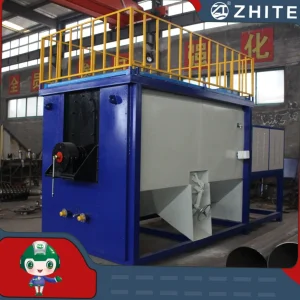
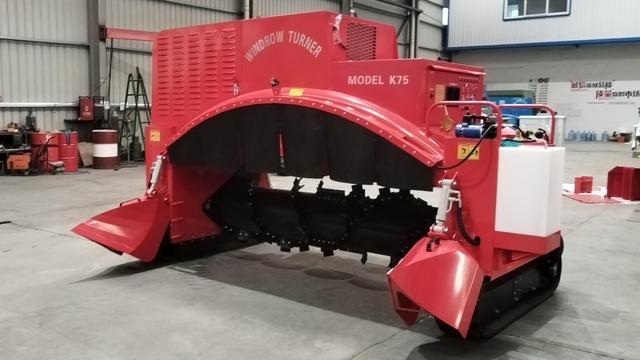
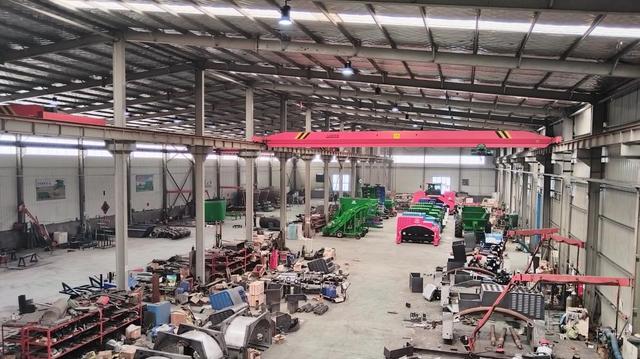
Founded in 2013, Chengdu AgBio Energy Co., Ltd. is a leading global supplier of heavy-duty organic waste composting equipment, decentralized food waste treatment installations, and complete, closed-loop sustainable fertilizer processing systems. Headquartered in Chengdu, Sichuan Province—China's critical industrial manufacturing and mechanical engineering hub—we own and operate a state-of-the-art facility extending across 16,000 square meters, powered by over 230 engineering specialists, biological systems planners, and field execution experts.
By synthesizing advanced mechanical design with microbiological thermodynamics, AgBio Energy converts complex organic waste matrixes—ranging from municipal post-consumer food scraps to agricultural livestock manure and industrial paper mill sludge—into nutrient-dense, high-value organic fertilizers. We have structured our organization to combine modular equipment engineering with tailored OEM/ODM capabilities, providing environmental remediation companies, mining corporations, high-capacity agricultural cooperatives, and government municipal sectors with scalable, climate-positive carbon abatement infrastructure.
Addressing the global climate imperative through targeted high-volume biological treatment technologies tailored for heavy-industry and municipal execution.
Mitigate intensive nitrate runoff and groundwater pollution. Our automated aerobic and anaerobic fermentation systems render bulk volumes of poultry manure, dairy slurry, and pig sludge into biological humic amendments. These systems feature high-efficiency odor destruction and pathogen removal.
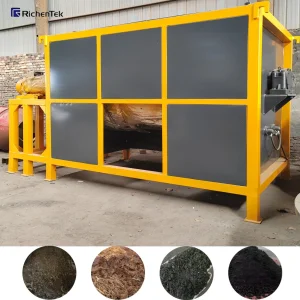
Municipal waste collection presents high logistal hurdles. Our commercial waste shredders and rapid composters reduce raw food waste volumes by up to 90% in under 24 hours. The resulting output can be integrated into local soils, reducing hauling fees and landfill tipping surcharges.
High-output starch, sugar, and brewing operations generate significant organic streams. We custom engineer complete systems—from dewatering presses to industrial-scale composting tunnels—to stabilize organic solids, control biochemical oxygen demand (BOD), and ensure discharge compliance.
We integrate biological science with industrial automation. Our technical development roadmap centers on maximizing thermodynamic performance, minimizing electricity consumption, and scaling predictive remote operations.
Our newest fermentation tanks employ solid-state electrochemical sensor arrays that continuously read moisture levels, oxygen partial pressure, and internal temperatures. The automated PLC adjusts active aeration levels and rotation schedules to maintain optimal thermophilic phases (55–65°C), ensuring rapid pathogen destruction without manual intervention.
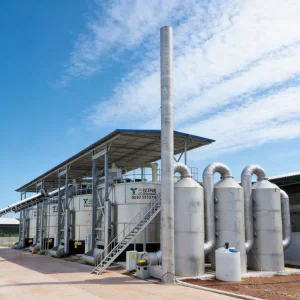
Odors represent a primary municipal permit obstacle. Our dual-phase filtration technology couples bio-filtration beds with active wood-media and secondary chemical scrubbing loops. This setup neutralizes volatile organic compounds (VOCs), hydrogen sulfide ($H_2S$), and ammonia ($NH_3$), helping operations meet stringent environmental noise and odor regulations.
Composting generates significant biological thermal energy. Our newest industrial lines recover heat energy from the composting exhaust stream, using it to preheat incoming raw feedstock or drive external drying mechanisms. This system design reduces overall heating power draw, helping lower operating costs.
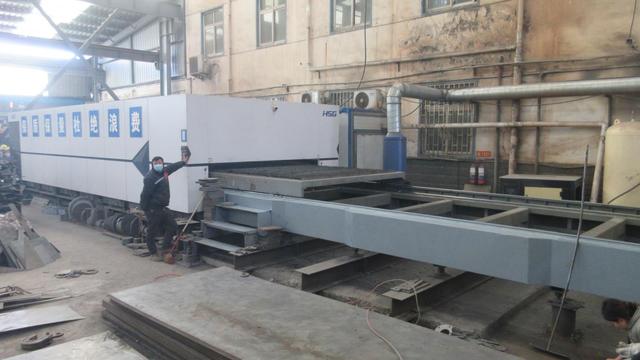
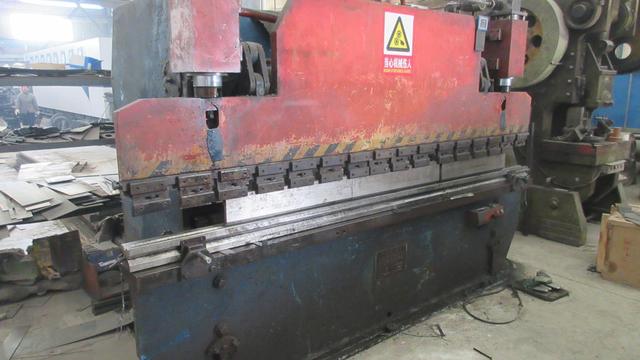
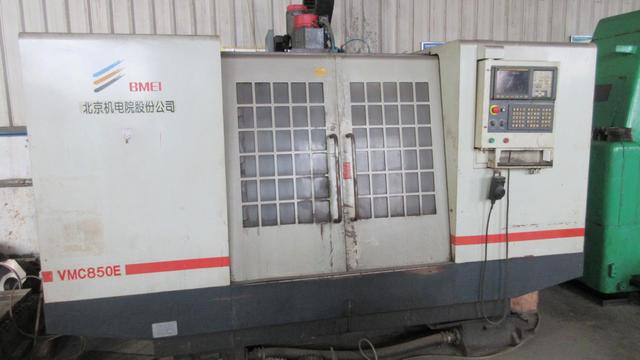
Chengdu AgBio Energy Co., Ltd. benefits from Sichuan's robust industrial manufacturing ecosystem. By using automated CNC metal fabrication machinery, automated plasma cutting beds, and robotic structural welding stations, we maintain tight tolerances on our carbon-steel and stainless-steel pressure hulls. This precision prevents structural flexing under dynamic loading, ensuring long-term tank durability.
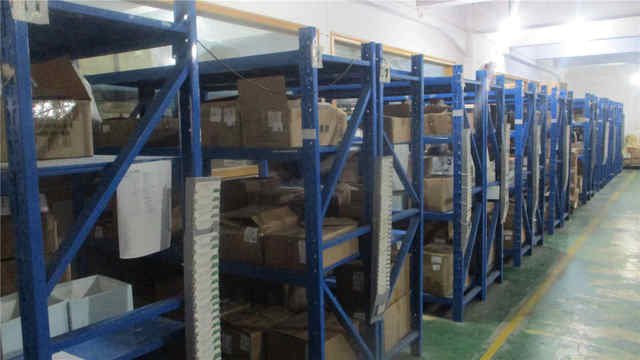
Our vertical supply chain integration allows us to source premium materials—from high-strength structural steels to food-grade stainless liners and reliable industrial gearboxes—at stable prices. These efficiencies are passed on to our global client base, allowing us to supply robust, durable equipment at competitive pricing compared to Western fabricators.
Every composting system and fertilizer line is pre-assembled, wired, and tested in our facility prior to dispatch. We simulate actual load conditions to verify motor current draw, hydraulic pressure cycles, and PLC interface function. This careful testing minimizes field commissioning issues and shortens installation timelines.
We simplify procurement for global project developers and EPC firms by coordinating logistics and matching local site safety requirements.
We customize our control gear to match your local power supply, configuring motors and starters for 380V/50Hz, 415V/50Hz, 460V/60Hz, or other common industrial voltages to protect electronics from voltage drops.
We build systems to meet local environmental limits for odor and runoff, offering biofilters and closed scrubbers that help you secure local permits.
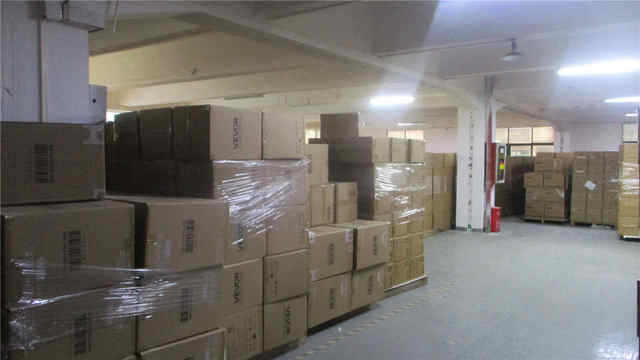
Working with top ocean lines and continental rail networks, we coordinate door-to-door delivery. Oversized components ship in open-top containers or flat racks to lower freight risks.
Heavy-duty configurations designed to manage large municipal, agricultural, and industrial organic waste streams.
Review technical explanations from our engineering team regarding operations, cycle times, and configuration details.
Our commercial composters typically complete primary waste decomposition within 24 hours. The high-temperature thermophilic stage quickly breaks down physical structures and neutralizes pathogens. For full curing and conversion into stable agricultural fertilizer, the material undergoes secondary stabilization, which can take between 7 to 14 days depending on the feedstock carbon-to-nitrogen ratio.
We use 304 or 316L stainless steel for all components in direct contact with waste. Optional anti-corrosion coatings protect structural parts from organic acids. For high-salinity wastes, we can provide specialized microbial inoculants designed to remain active in high-sodium environments.
Yes. We design and build our control panels and electrical cabinets to meet international safety certifications, including CE, UL, and CSA standards. During the design phase, our engineers configure the voltage, frequency, and safety shutdowns to match your site requirements.
We offer full engineering customization. We can adjust shredder capacities, integrate specific dewatering units, scale dynamic air handling systems, and customize PLC software interfaces to match your facility's layout and process requirements.
We utilize sealed air extraction lines connected to multi-stage filtration systems. Depending on the installation location, we combine mechanical bio-scrubbers, activated carbon beds, or chemical scrubbers to remove ammonia, hydrogen sulfide, and other volatile compounds before exhausting clean air.
 AgBio Energy