AgBio Energy
1 / 5
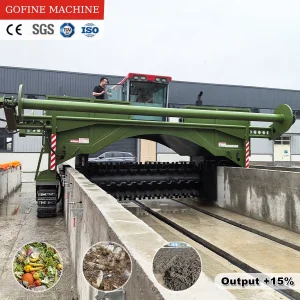
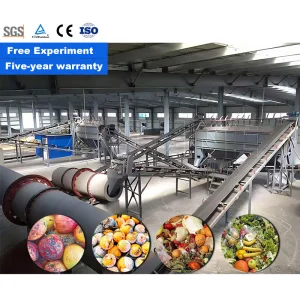
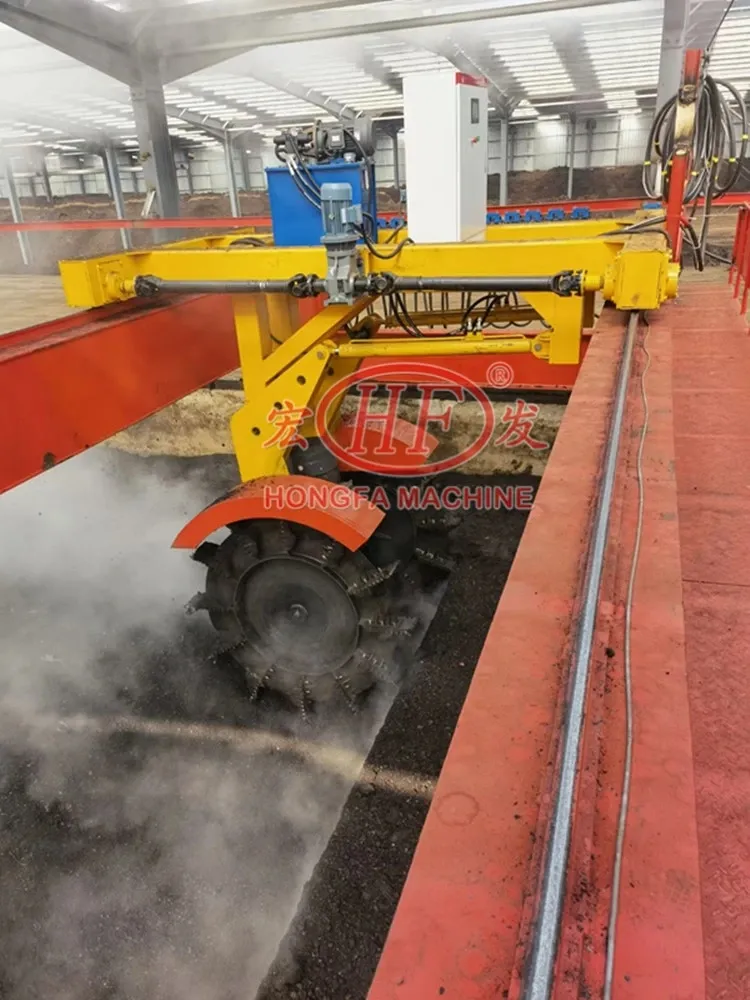
Composting is the natural process of recycling organic matter, such as leaves and food scraps, into valuable fertilizer that enriches soil and plants. Anything that grows will eventually decompose; composting simply speeds up the process by providing an ideal environment for bacteria, fungi, and other decomposing organisms, such as worms, sow worms, and nematodes. The resulting decomposed material, which often looks like fertile garden soil, is called compost. Affectionately referred to as "black gold" by farmers, compost is rich in nutrients and can be used in gardening, horticulture, and agriculture.
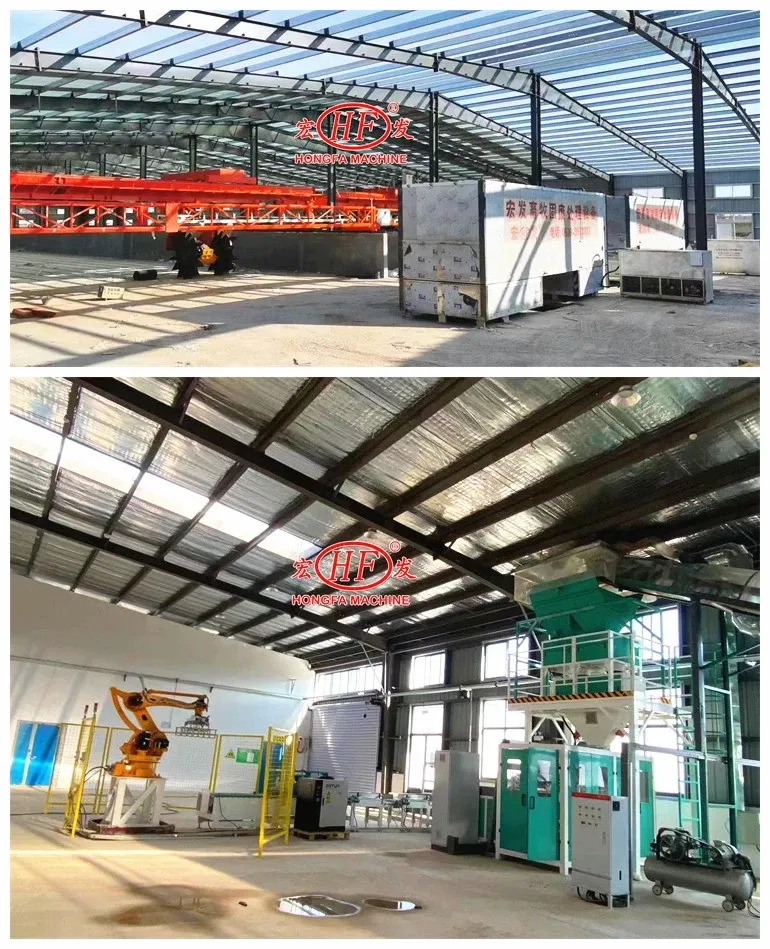
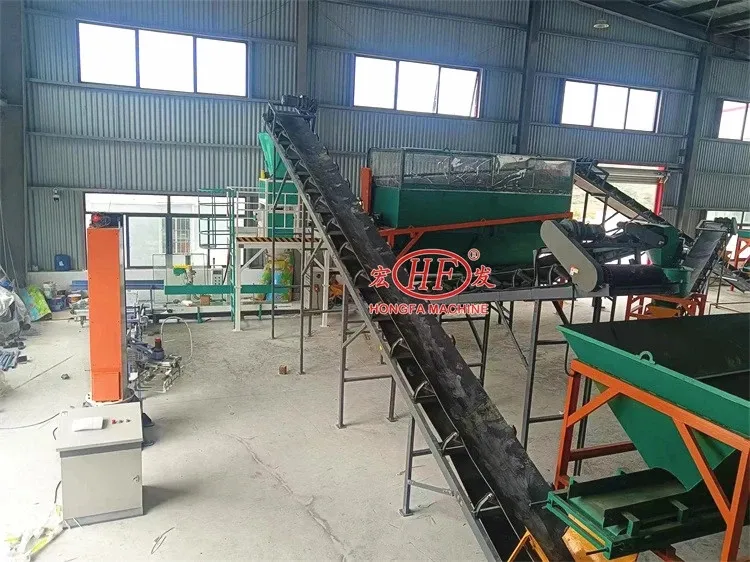
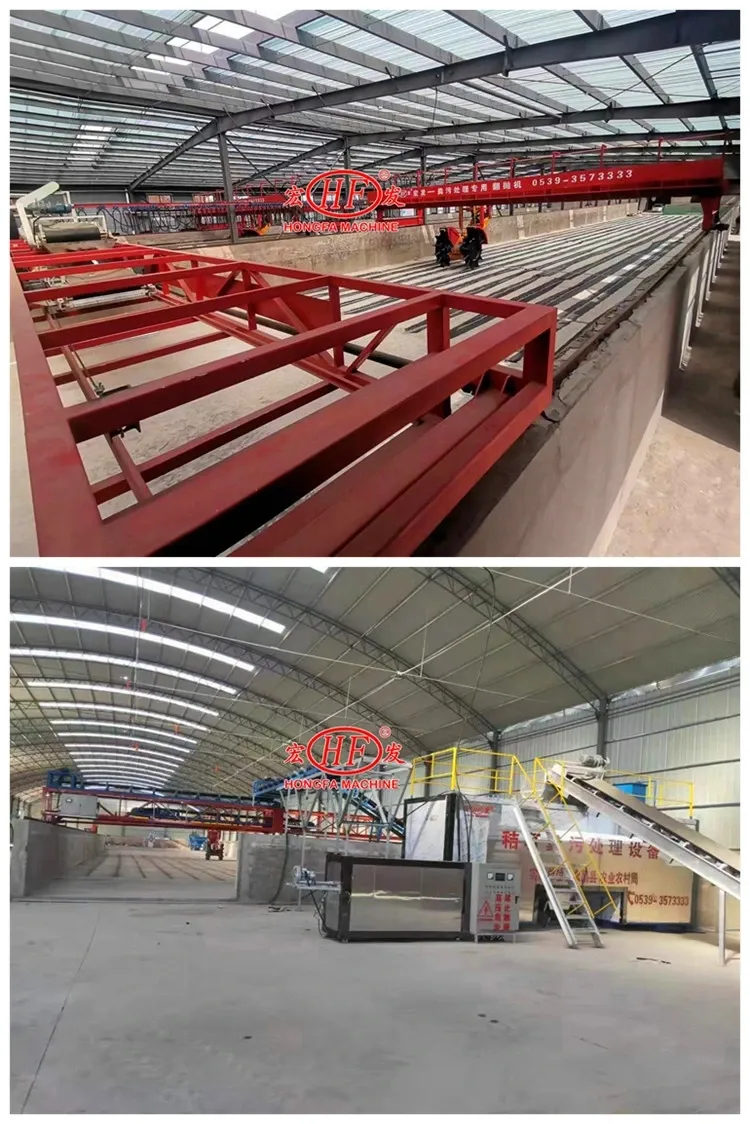
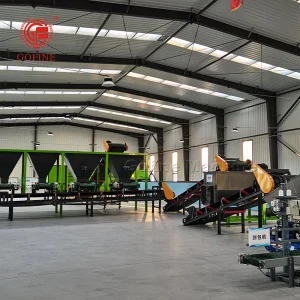
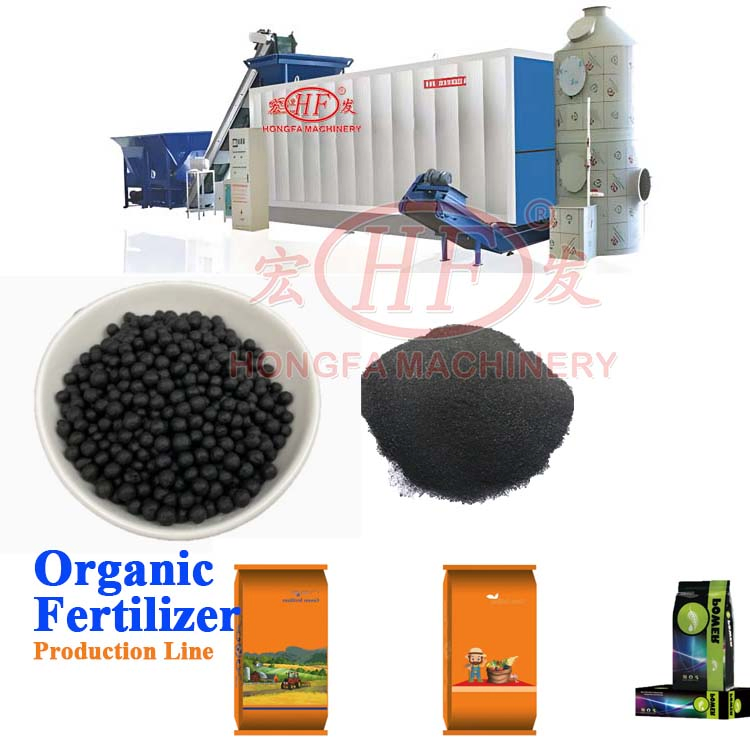
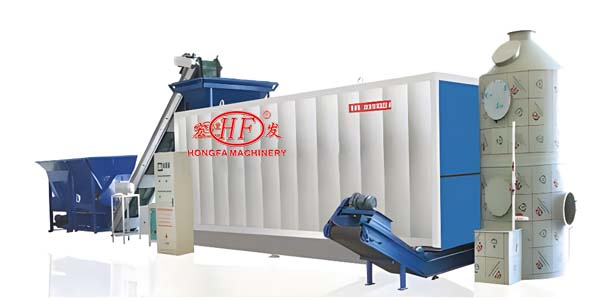
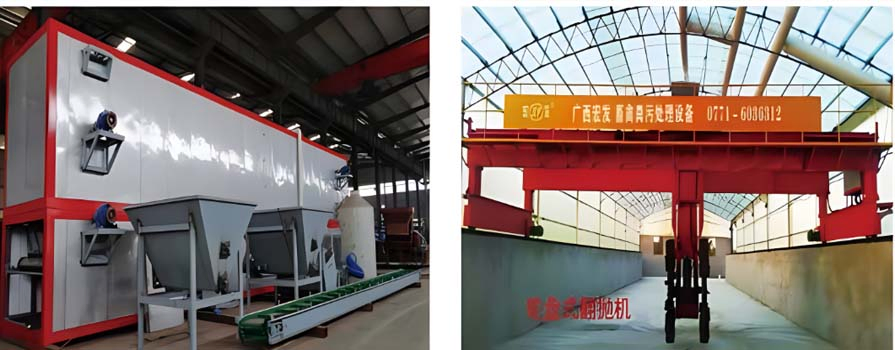
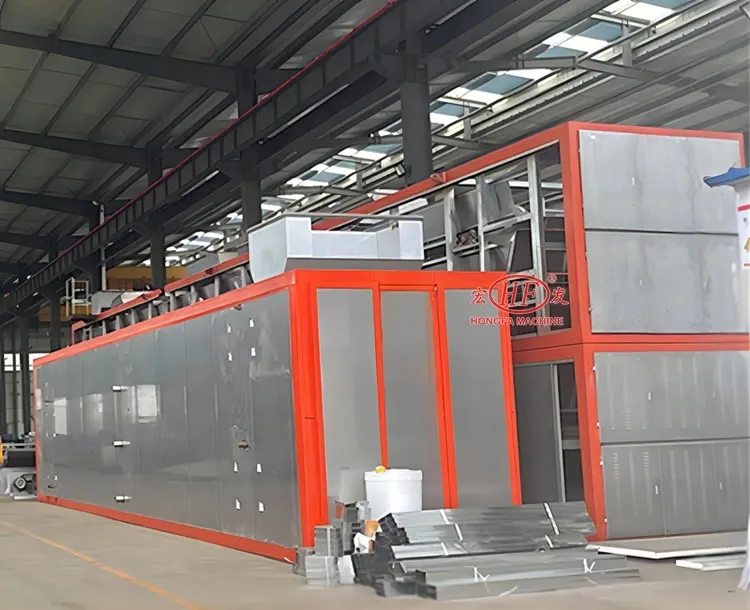
The aerobic fermentation device is an independent research and development patented product. This layered organic waste aerobic fermentation device features a multi-layer net bed type design, combining drying, fermentation, deodorization, sterilization, and automated intelligent control.
Key Characteristics:
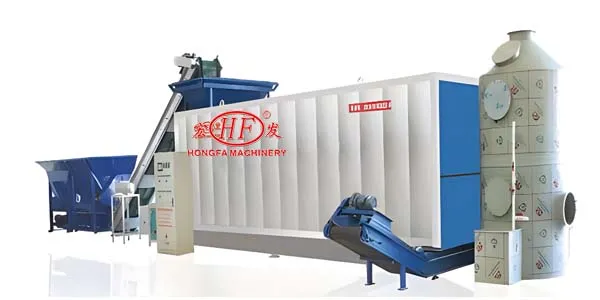
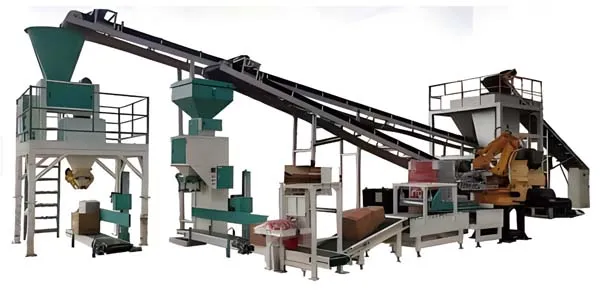
Suitable for handling organic waste such as livestock and poultry manure, straw tail dishes, and kitchen waste. It transforms waste into organic fertilizer through high temperature and aerobic fermentation. This scheme is ideal for decentralized treatment of large and medium-sized farms, offering low operating costs and high efficiency.
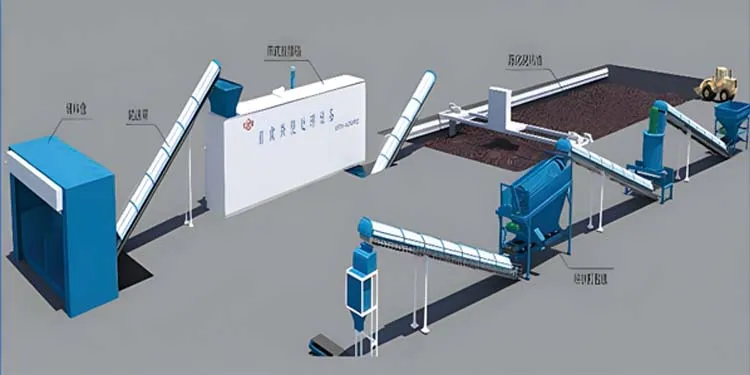
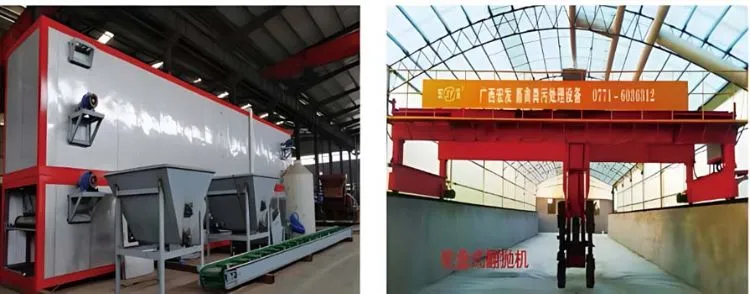
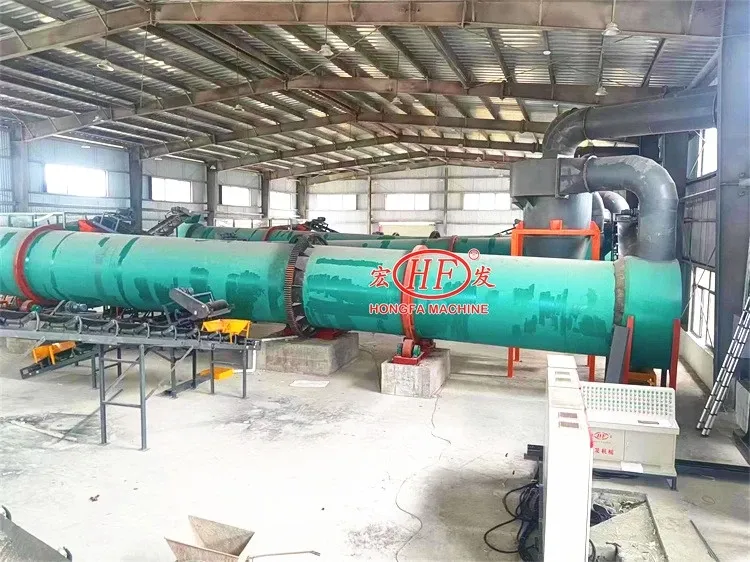
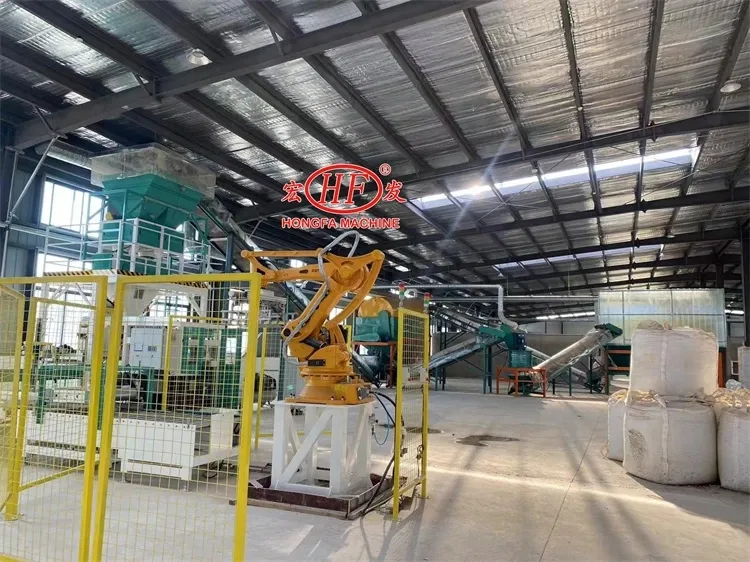
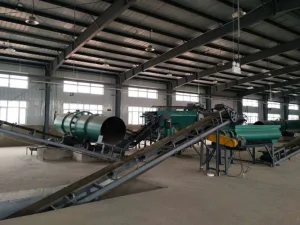
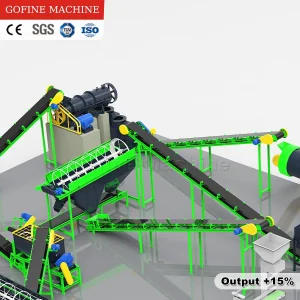
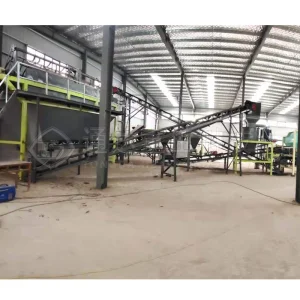
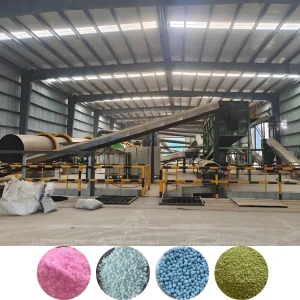
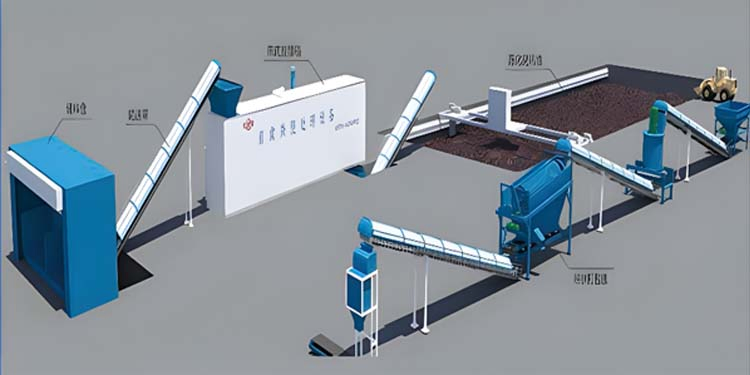
Using biochemical principles of microorganisms to decompose organic matter, this integrated intelligent factory realizes automation from raw materials to final fertilizer production. It utilizes a waste gas collection system for deodorization and dust removal to achieve environmental protection standards.
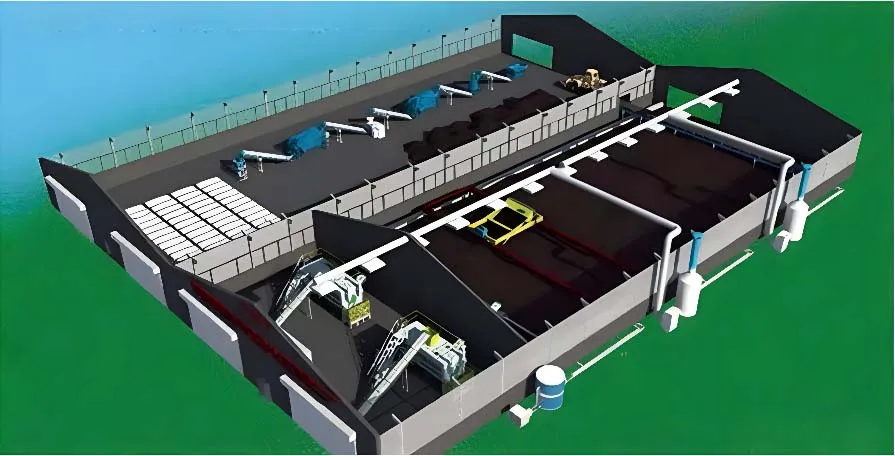
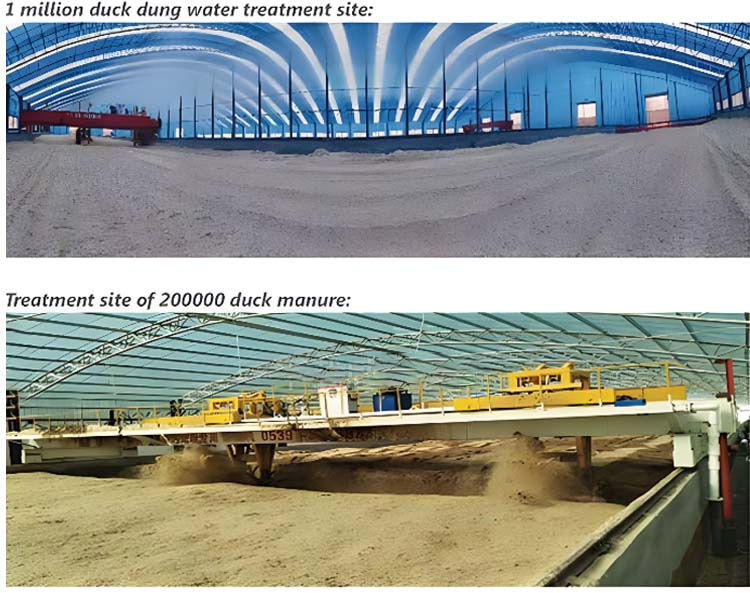
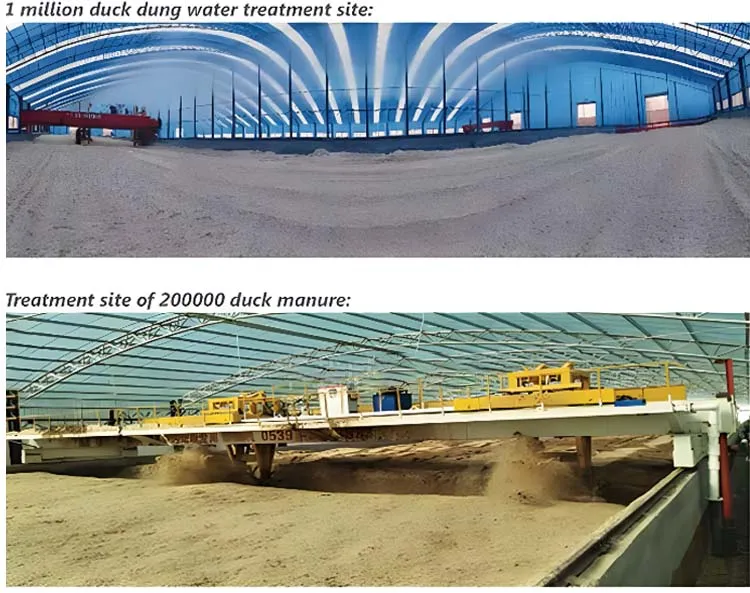
Specifically designed for liquid dung with high water content (such as duck and pig dung). The system uses biological fermentation beds and sunlighthouse sheds to improve evaporation rates using solar energy.
| Rotary Sieve Parameters | |||||
|---|---|---|---|---|---|
| Model | Cylinder Specs (m) | Speed (r/min) | Mesh Size (mm) | Productivity (M³/h) | Power (kw) |
| HFGS1240 | Φ1.2*4 | 20 | 4-10 | 6-20 | 6 |
| HFGS1550 | Φ1.5*5 | 18 | 4-10 | 15-30 | 10 |
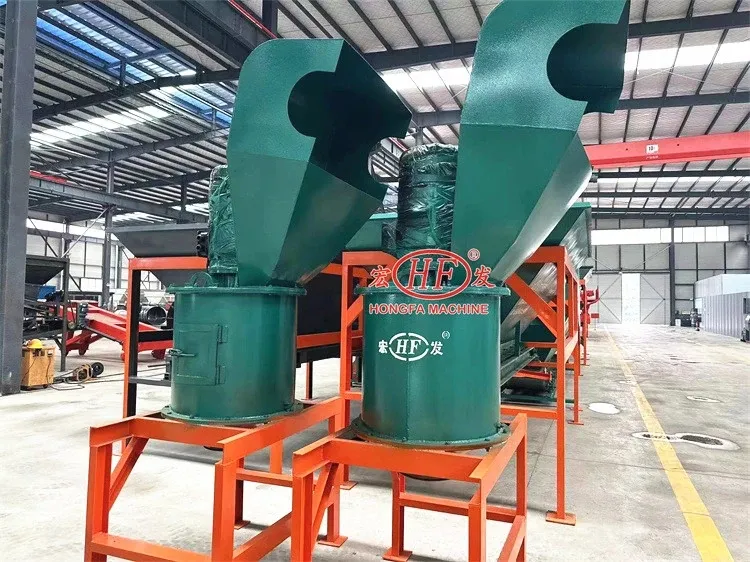
| Vertical Crusher Parameters | ||||
|---|---|---|---|---|
| Model | Cylinder Specs (m) | Power (kw) | Input Size (mm) | Productivity (M³/h) |
| HFLP600 | Φ600 | 11 | 560 | 2-5 |
| HFLP700 | Φ700 | 15 | <80 | 2-8 |
| HFLP800 | Φ800 | 18.5 | 580 | 5-10 |
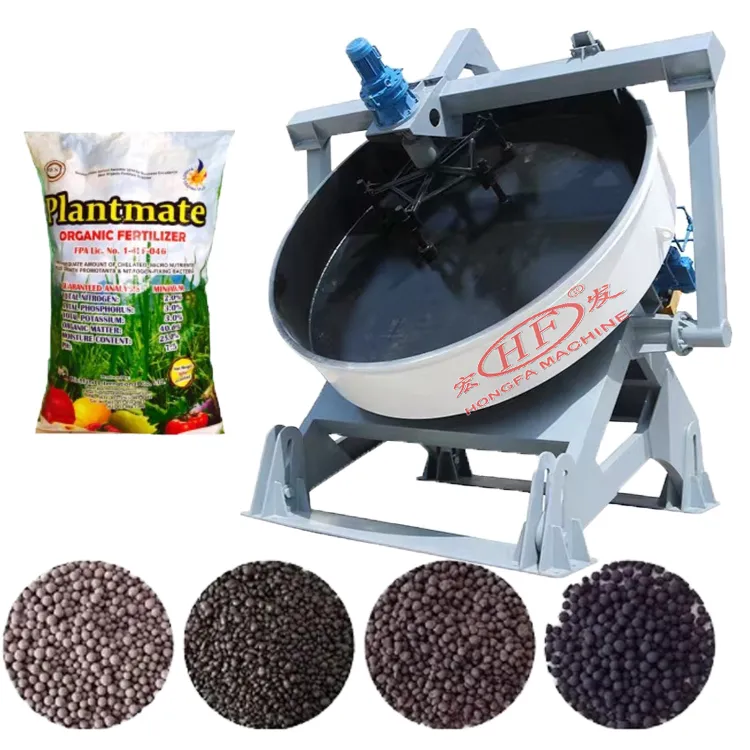
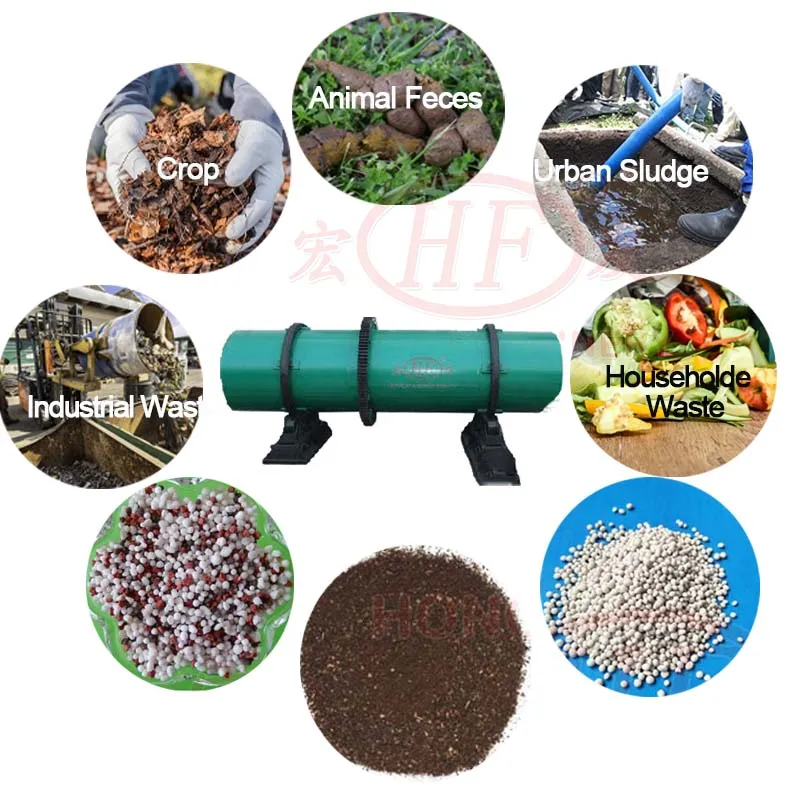
Organic Granulator: Features adjustable cutter heads made of wear-resistant alloy. Dies range from 1.5mm to 20mm to produce uniform bio-organic fertilizer pellets.