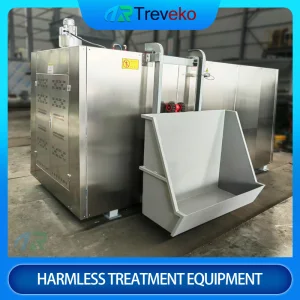
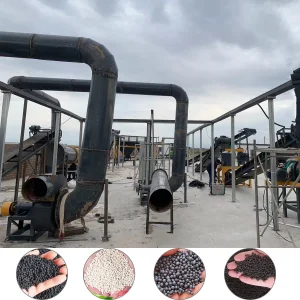
Engineered for high-efficiency operation under harsh climatic conditions, addressing agricultural soil improvement and municipal water recycling.
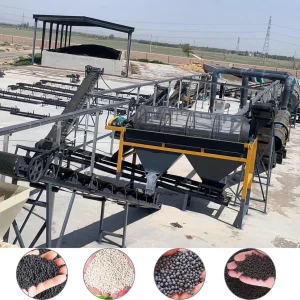
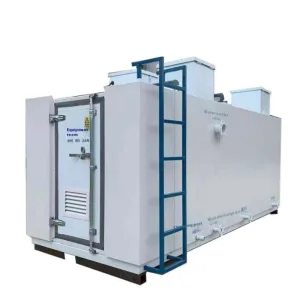
A comprehensive overview of soil restoration demands, municipal solid waste management, and local industrial adaptations.
Eritrea's diverse topography, stretching from the temperate central highlands around Asmara to the semi-arid lowlands of the Gash-Barka and northern Red Sea regions, presents distinct organic waste profiles. Agriculture is the economic backbone of over 60% of the population. However, chronic challenges like soil degradation, localized moisture deficits, and steep nutrient depletion threaten food security. Cultivated soils in areas such as Anseba and Gash-Barka require steady applications of organic humus to sustain crop yields and build water retention capacity.
Concurrently, agricultural processing facilities, municipal vegetable markets in Keren, and slaughterhouse facilities generate substantial volumes of wet bio-waste. Instead of filling landfills or creating vector control hazards, this organic matter represents a critical, untapped input for high-nitrogen organic fertilizers. The installation of bio-waste recycling systems provides a closed-loop solution, transforming municipal solid waste (MSW) and agricultural residues into stabilized bio-compost.
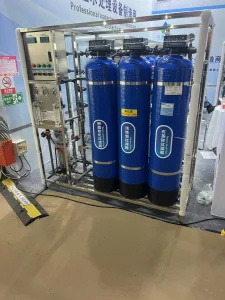
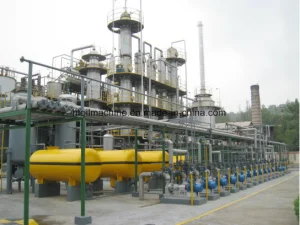
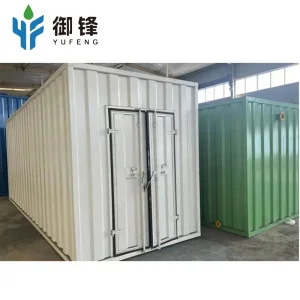
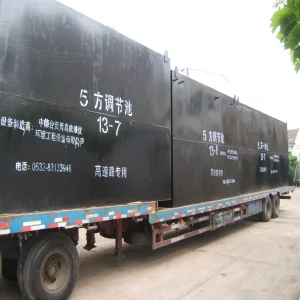
Water security is paramount across the Horn of Africa. Industries in Asmara, Massawa, and Mendefera face steep tariffs and regulatory oversight regarding industrial effluents. The deployment of decentralized, energy-saving industrial sewage and wastewater recycling plants is vital. Standard practices of relying on freshwater inputs for industrial cooling and agricultural irrigation are no longer sustainable.
By utilizing multi-stage filtration, bioreactors, and aerobic systems, local enterprises can achieve up to 90% water recirculation rates. This does not only meet environmental standards mandated by the Eritrean Ministry of Land, Water, and Environment, but also significantly drops production overheads, transforming wastewater into a reusable utility.
Choosing the correct biological pathway is critical for optimizing processing efficiency, operational costs, and plant footprint in drylands.
| Feature Parameter | High-Temp Aerobic Bioreactor | Windrow Composting Systems | Anaerobic Digestion (AD) |
|---|---|---|---|
| Cycle Duration | 24 to 48 Hours | 45 to 60 Days | 20 to 30 Days |
| Climate Sensitivity | Low (Insulated Vessel) | High (Affected by drought/rains) | Medium (Requires temperature control) |
| Pathogen Destruction | Complete (>60°C automated) | Variable (Requires turning) | Medium (Requires pre-pasteurization) |
| Water Consumption | Minimal (Moisture recycled) | High (Evaporation loss in windrows) | Zero net water loss |
| Odor Containment | Bio-filters installed (99% clean) | High potential for odor issues | Enclosed (Low odor if sealed) |
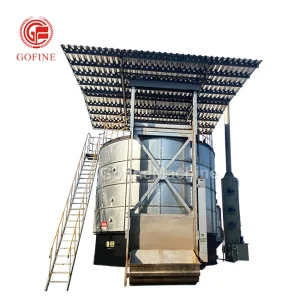
In hot, arid climates like Massawa and Keren, open-air windrow composting faces high evaporation rates, leading to dry piles and stunted microbial growth unless vast volumes of water are sprayed continuously. Chengdu AgBio Energy’s *Stainless Steel Organic Waste Bioreactor* and *High-Temperature Aerobic Bio-Composters* use enclosed, thermal-insulated chambers. These systems preserve metabolic heat generated by thermophilic microbes (typically raising the temperature to 60–75°C), destroying weed seeds, bacteria, and pathogens without water loss. The exhaust air is routed through standard charcoal bio-filters, reducing volatile organic compound (VOC) emissions to near zero, making the process highly suitable for peri-urban areas around Asmara.
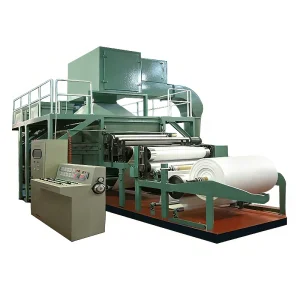
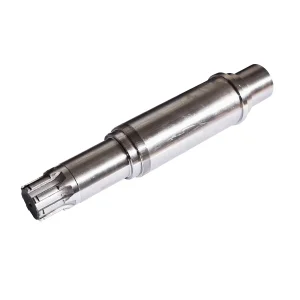
Heavy engineering waste solutions designed for robust industrial usage, agricultural fiber extraction, and paper manufacturing.
A global leader in composting technologies, high-temp aerobic digestion, and automated livestock farm waste-management systems.
Chengdu AgBio Energy Co., Ltd. is a professional manufacturer specializing in organic waste composting equipment, food waste recycling systems, and sustainable waste treatment solutions. Established in 2013 and headquartered in Chengdu, Sichuan Province, China, the company is dedicated to helping businesses, agricultural operations, municipalities, and environmental service providers transform organic waste into valuable resources.
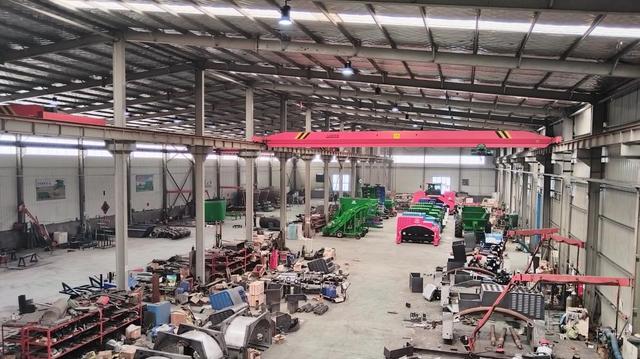
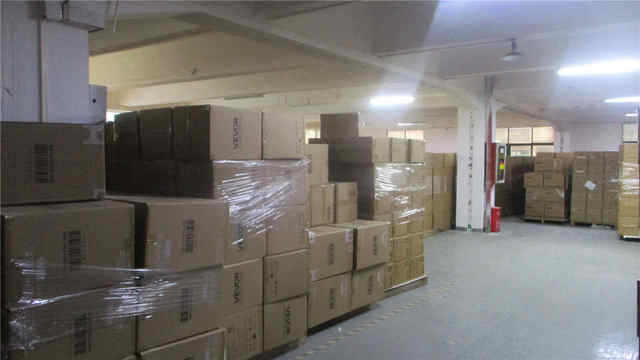
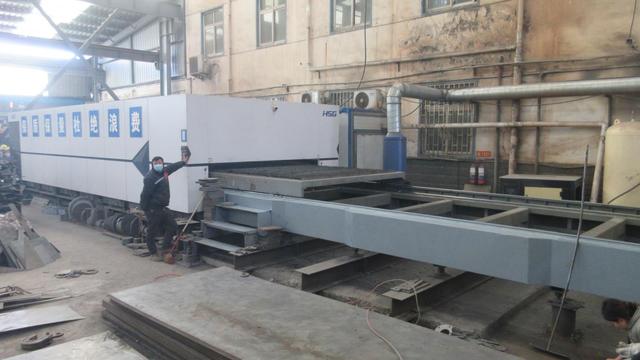
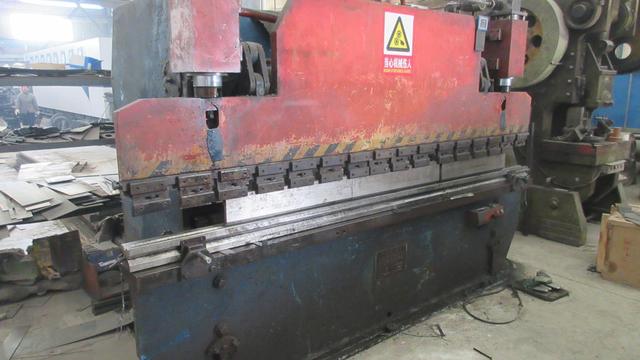
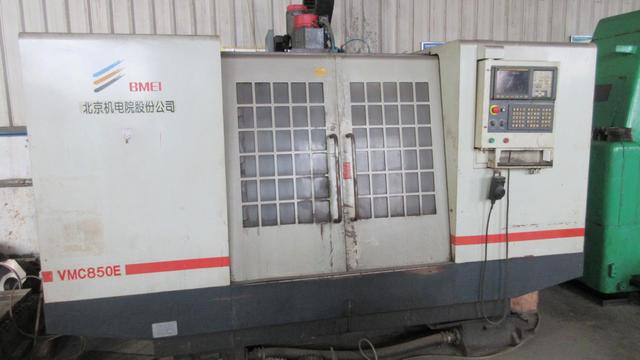
With a modern manufacturing facility covering more than 16,000 square meters and a team of over 230 employees, AgBio Energy delivers efficient and environmentally responsible waste management technologies to customers around the world.
Our core product portfolio includes organic waste composting machines, food waste treatment systems, aerobic fermentation equipment, agricultural waste recycling solutions, manure composting systems, organic fertilizer production lines, municipal bio-waste treatment equipment, and intelligent composting management systems. These solutions are widely used in farms, food processing facilities, restaurants, hotels, commercial waste treatment centers, agricultural cooperatives, and municipal environmental projects.
We integrate advanced engineering expertise, process optimization, and state-of-the-art manufacturing technologies to develop reliable composting and organic waste recycling systems. We operate modern production workshops, assembly lines, and testing facilities to ensure product quality, operational efficiency, and long-term reliability. Strict quality management procedures are implemented throughout product development, manufacturing, installation, and customer support processes.
In addition to standard equipment, AgBio Energy offers tailored OEM and ODM services, providing customized waste treatment solutions designed for specific project requirements, processing capacities, and local operating conditions. We work closely with environmental organizations, agricultural enterprises, waste management operators, and project contractors worldwide.
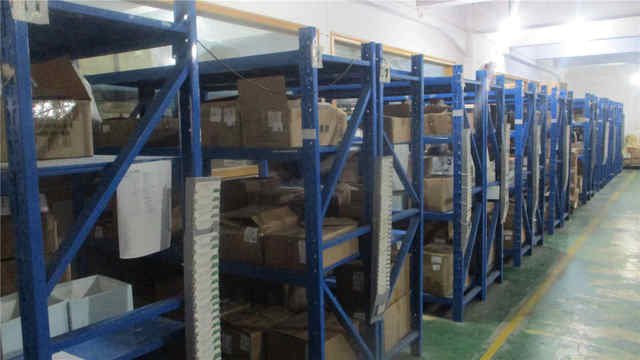
Ensuring timely shipment, low transit risks, and seamless customs integration for East African industrial projects.
For machinery shipping to Massawa and coastal Eritrea, we use poly-composite industrial anti-rust coatings and high-grade sea-freight packing to withstand high humidity and marine salt conditions.
We build our machines with standard premium components (Siemens PLC, ABB motors, Schneider electronics) to ensure easy local maintenance and spare parts availability in East Africa.
Our engineers provide complete installation blueprints, remote wiring configuration assistance, and step-by-step videos to facilitate smooth local assembly.
By sourcing directly from our factory in Chengdu, Sichuan, clients benefit from China’s robust industrial supply chain. Chengdu’s direct rail-to-port connections and our close partnerships with global shipping lines ensure optimal transit paths to the Red Sea. We offer comprehensive customs documentation, including Certificates of Origin and compliance certificates, to expedite clearances at Eritrean ports.
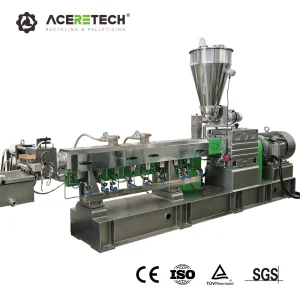
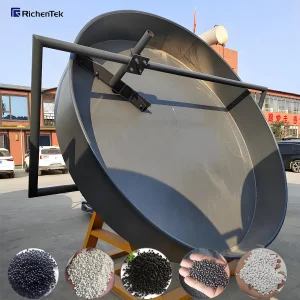
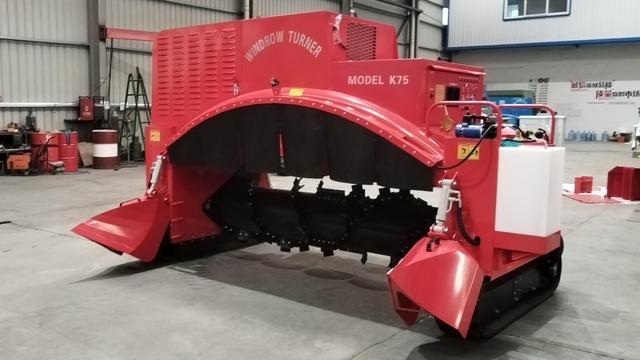
A comprehensive collection of processing machinery including granulators, bioreactors, and automated manure dehydration systems.
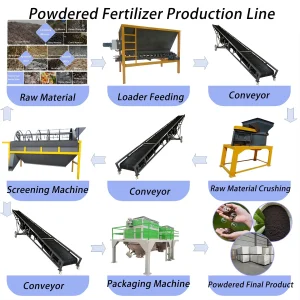
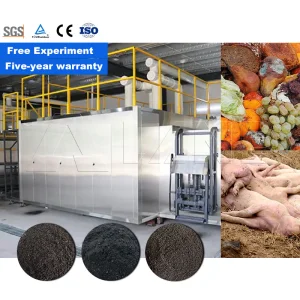
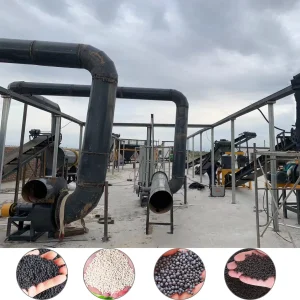
Our engineering team can design custom bio-composting setups, water recycling systems, and complete organic fertilizer production lines tailored to your raw material types and processing capacity.
Send Inquiry NowClear answers to key operational, shipping, and engineering questions for buyers in the Eritrean market.
 AgBio Energy