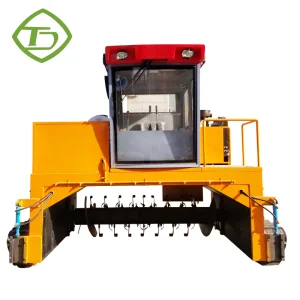
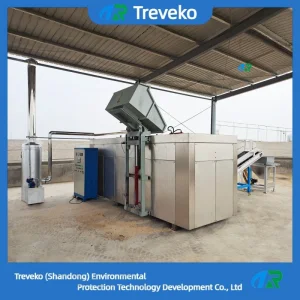
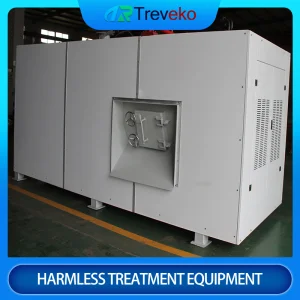
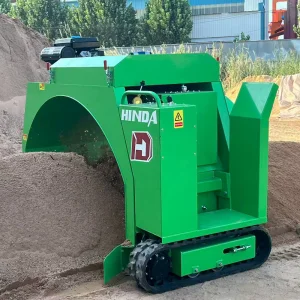
Engineered to deliver uninterrupted microbial thermophilic cycles under mountain environmental variations, our primary product lines provide immediate processing efficiency for livestock manure, organic sludge, and municipal municipal-solid-waste (MSW).
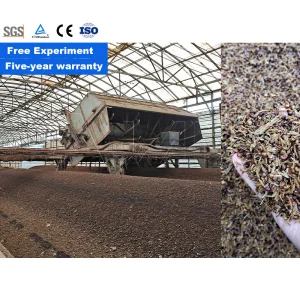
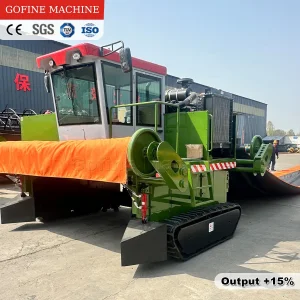
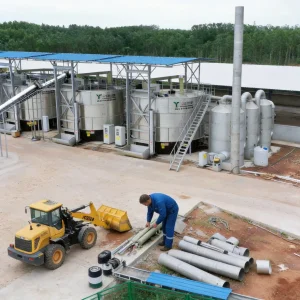
Agriculture remains the cornerstone of the Nepalese economy, employing over 65% of the population and contributing over a quarter of the country’s GDP. However, the commercialization of livestock, poultry, and food production sectors has generated a critical byproduct management crisis. Urban centers such as Kathmandu, Pokhara, Lalitpur, and Biratnagar generate vast volumes of municipal solid waste (MSW) daily, of which over 60% is biodegradable organic waste. Without efficient bio-degradable processing technologies, these valuable resources clog landfills, contaminate local river systems, and emit uncontrolled quantities of methane, a potent greenhouse gas.
Furthermore, Nepalese agricultural soil—specifically in the Terai region and hilly agricultural pockets—is undergoing organic carbon depletion due to systemic chemical fertilizer dependency and inadequate humus replenishment. Integrating industrial-grade organic aerobic fermentation technologies bridges the gap. By establishing advanced aerobic fermentation compost lines, local organic wastes are rapidly pasteurized, stabilized, and converted into highly concentrated bio-organic fertilizers. This transition actively regenerates crop soil fertility, increases water retention, and improves long-term crop yields, aligning with the Nepal Ministry of Agriculture & Land Management's sustainable farming objectives.
Rapid urbanization causes systemic waste accumulation. Organics compose the bulk of urban waste, presenting a massive opportunity for municipal aerobic composting.
Soil organic matter in key cultivating zones has dropped below critical levels. Bio-stabilized organic compost restores essential microbial flora.
Rapid expansion of commercial poultry farms in Chitwan requires specialized odor-free composting machinery to handle massive volumes of raw manure.
Composting in mountainous regions like the Himalayan and hilly zones of Nepal presents serious thermodynamic challenges. Conventional open-pile windrow composting is highly susceptible to surrounding ambient air temperatures. When ambient temperatures drop below 10°C, open piles struggle to sustain the necessary thermophilic stage (55°C – 65°C) required for pathogenic destruction, weed seed elimination, and moisture evaporation.
To overcome these climatic hurdles, Chengdu AgBio Energy Co., Ltd. designs advanced in-vessel aerobic fermentation systems with integrated polyurethane insulation layers. The high-density insulation acts as a thermal barrier, retaining the biological heat generated by exothermic microbial activity inside the vessel. Combined with intelligent aeration systems that pre-heat intake air and automated agitation systems, our equipment ensures complete biological stabilization even in freezing high-altitude conditions.
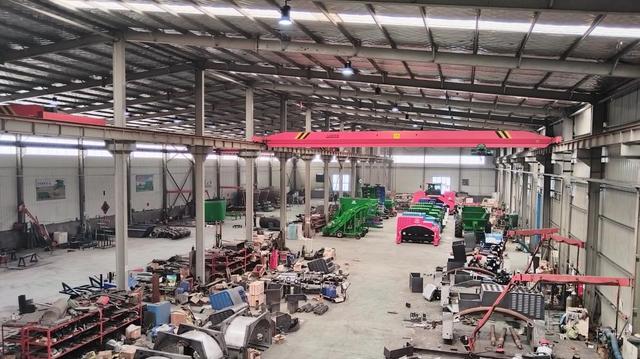
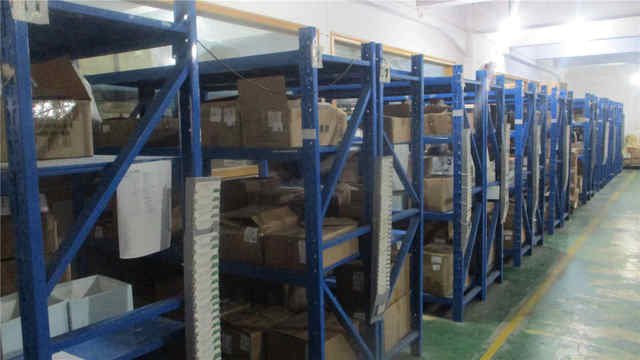
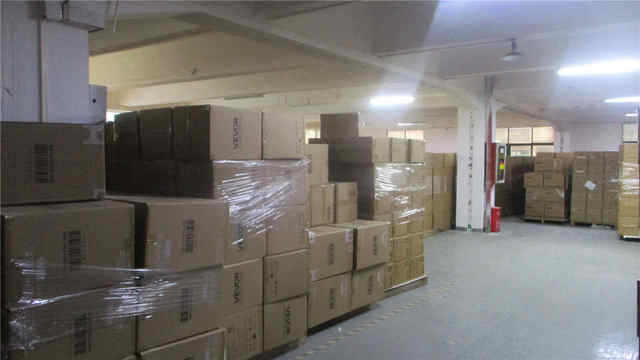
Established in 2013, Chengdu AgBio Energy Co., Ltd. has developed into a leading designer and manufacturer of organic waste biological processing technologies. Located in Chengdu, Sichuan Province, China, our advanced production workshops cover more than 16,000 square meters. With a workforce of over 230 qualified engineers and technicians, we supply customized, large-scale waste treatment equipment to international markets.
Our strategic location in Chengdu provides significant logistical advantages for importing environmental machinery to Nepal. By utilizing direct overland freight transport routes via the Gyirong (Keyrung) or Tatopani border crossing checkpoints, Nepalese procurement clients can bypass traditional maritime transit routes. This minimizes overall transit durations, lowers transport costs, and prevents long harbor storage delays.
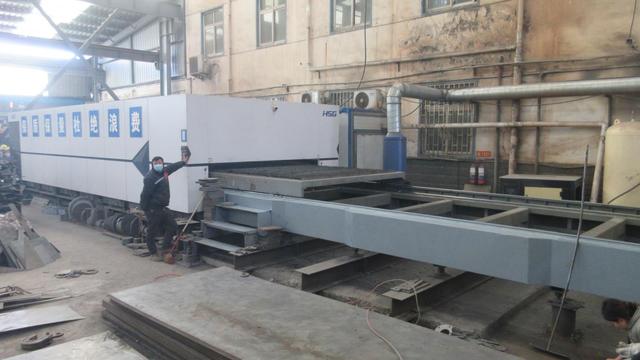
Our production workshops feature state-of-the-art automated sheet metal bending, robotic welding systems, and abrasive blasting stations. Every fermentation vessel and turning machine undergoes strict chemical resistance testing and structural load testing before leaving our facility.
We offer tailor-made customization for our Nepalese clients. This includes modifying system electrical requirements to match local grid parameters, reinforcing structural steel plates for abrasive mountain soils, and scaling physical dimensions for tight footprints.
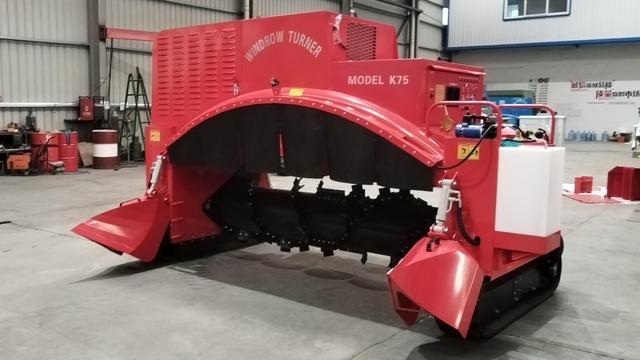


Modern waste processing has shifted from passive landfill storage toward proactive biomass recovery. Throughout the global agricultural machinery sector, several technological developments are defining the next generation of biological processing installations:
Environmental regulations require advanced odor abatement systems. Industrial biological scrubbers combined with bio-filtration mediums absorb and neutralize ammonia and hydrogen sulfide gases, enabling operations near urban limits.
Modern operators utilize remote PLC touch screens integrated with multi-point temperature probes, humidity monitoring sensors, and exhaust gas sensors to optimize aerobic conditions in real-time, reducing manual labor costs.
Compost output is no longer treated as simple topsoil. Integrating custom nitrogen-phosphorus-potassium (NPK) enrichment steps and pelletizing machinery transforms raw compost into premium bio-fertilizer pellets for commercial sale.
Expanding regional cooperatives require systems that scale up easily. Modular vertical fermentation towers support incremental capacity expansions without requiring extensive civil foundation redesigns.
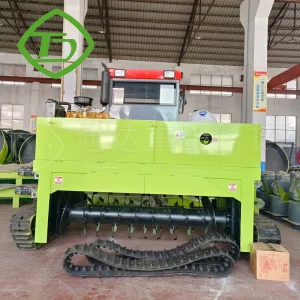
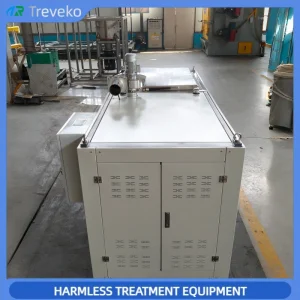
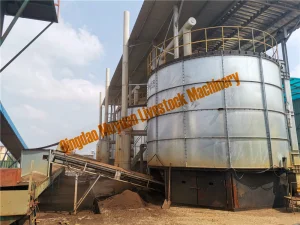
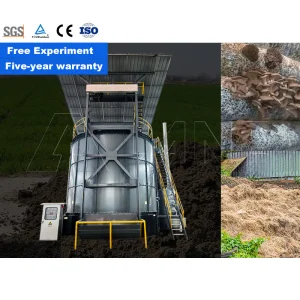
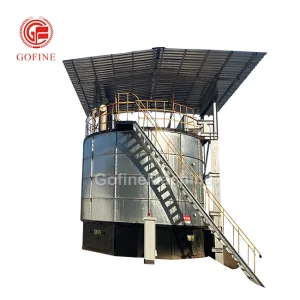
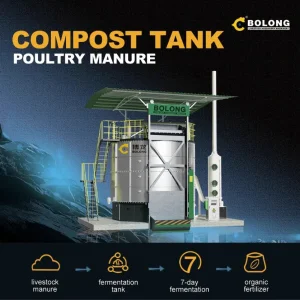
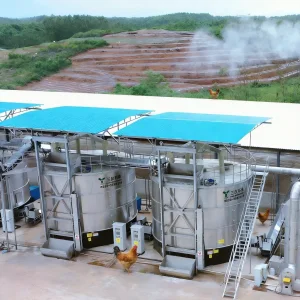
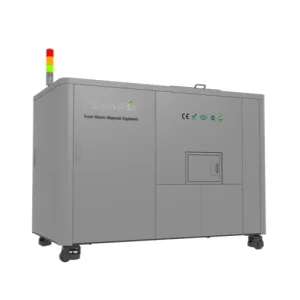
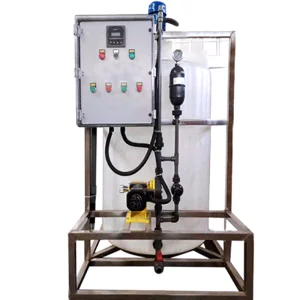
Our full range of industrial composting machines, organic waste separators, and composting components configured for Nepalese municipal and agricultural applications:
Whether you are engineering a municipal waste project in Kathmandu or upgrading commercial agricultural composting systems in Terai, Chengdu AgBio Energy Co., Ltd. delivers reliable, customized solutions. Contact our engineering team for a system layout design and price quotation.
Send Inquiry Now AgBio Energy