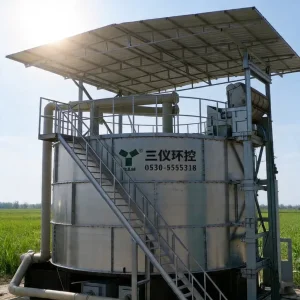
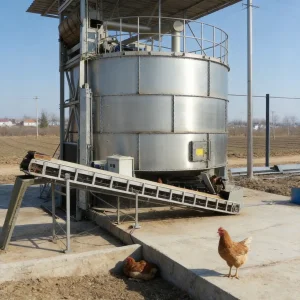
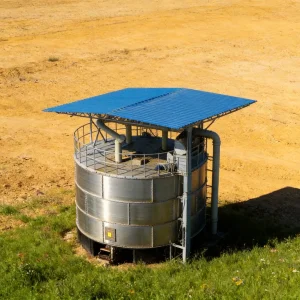
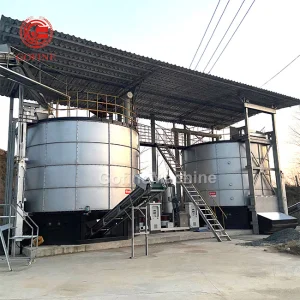
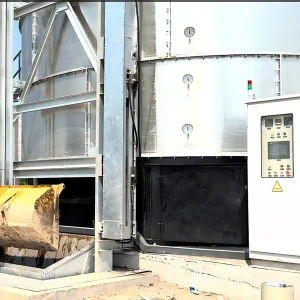
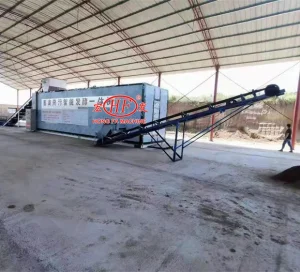
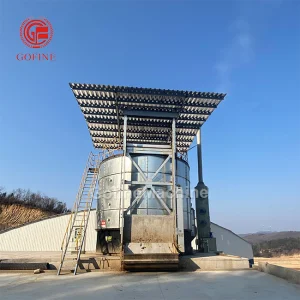
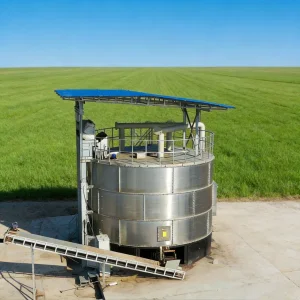
As the heart of Germany's "Energiewende" and a global leader in sustainable urban development, Berlin has set ambitious goals to become a climate-neutral city by 2045. A critical component of this transformation is the management of organic and agricultural waste. While Berlin itself is a metropolitan hub, the surrounding Brandenburg region serves as a massive agricultural belt with a dense concentration of poultry farms. The integration of Poultry Waste Composting Machines is no longer just an environmental preference; it is a regulatory necessity.
Germany's Waste Management Act (KrWG) and the specific "Bioabfallverordnung" (BioAbfV) mandate strict protocols for the treatment of organic bypasses. Our intelligent aerobic fermentation systems provide Berlin-based waste management firms and Brandenburg farmers with a high-efficiency path to convert nitrogen-rich poultry manure into high-quality organic fertilizer, effectively closing the nutrient loop in accordance with the European Circular Economy Action Plan.
Compliance with EU Nitrate Directive
Rapid Fermentation Cycle
Reduction in Odor Emissions
Intelligent Monitoring Control
Globally, the organic fertilizer equipment market is witnessing a CAGR of 12.4%. Major poultry-producing nations are shifting from traditional lagoon-based waste storage to vertical aerobic fermentation. This shift is driven by the global ESG (Environmental, Social, and Governance) investment trend, where corporate farms must prove carbon footprint reductions.
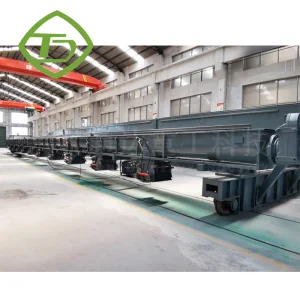
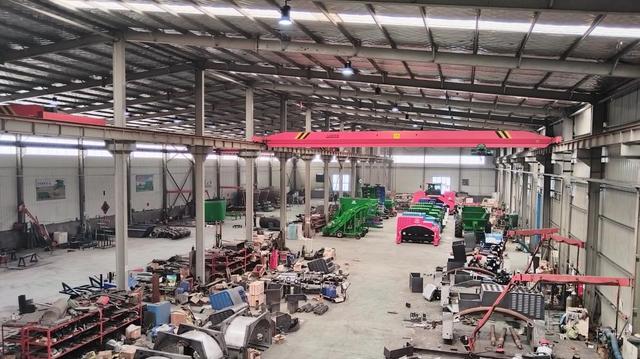
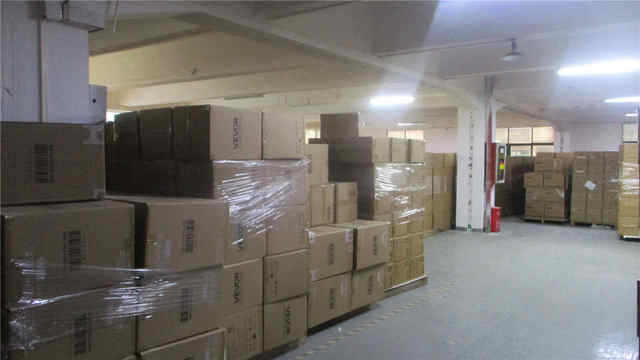
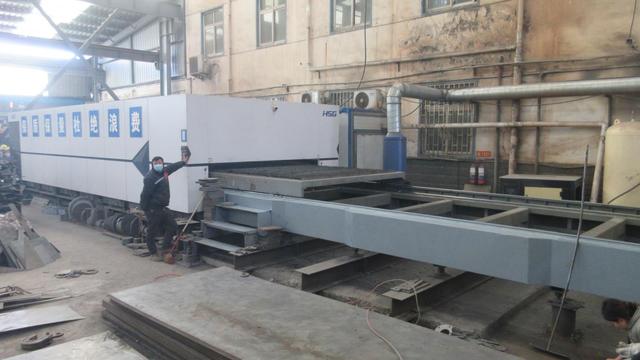
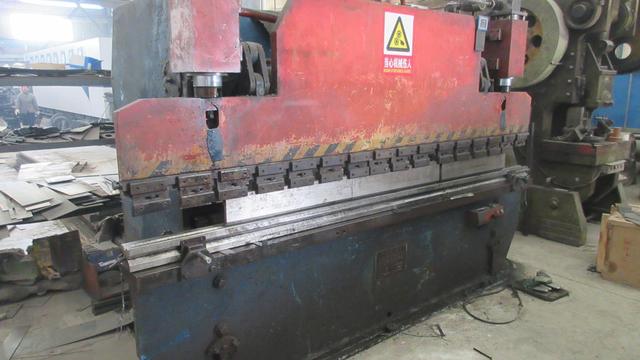
Why Chengdu AgBio Energy Co., Ltd.? Located in Chengdu, China, our 16,000-square-meter facility represents the pinnacle of "Industry 4.0" application in waste management. Our factory efficiency advantages include:
True E-E-A-T (Expertise, Experience, Authoritativeness, Trustworthiness) in composting equipment is demonstrated through the management of the Thermophilic Phase. Our machines are engineered to maintain a constant internal temperature of 55°C to 70°C for at least 7 days, which is critical for eliminating pathogens like *Salmonella* and *E. coli*, as well as weed seeds.
For the Berlin market, we have optimized the Heat Recovery System. Our machines can capture the biological heat generated during the aerobic process and redirect it to pre-heat the incoming air, reducing electricity consumption in cold Brandenburg winters by up to 25%.
Our commitment to Information Gain for our clients includes providing detailed nutrient analysis reports of the end-product. A typical output from an AgBio fermentation tank using poultry manure contains 4% Nitrogen, 3% Phosphorus, and 3% Potassium (N-P-K), making it a high-value commodity for Berlin’s organic landscaping and urban agriculture sectors.
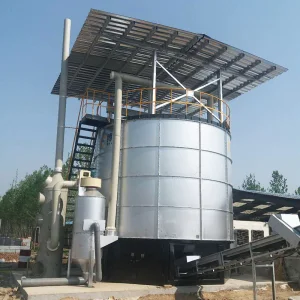
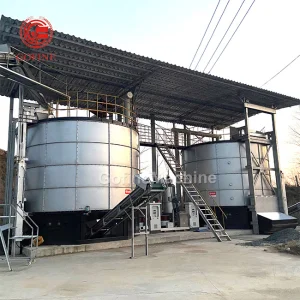
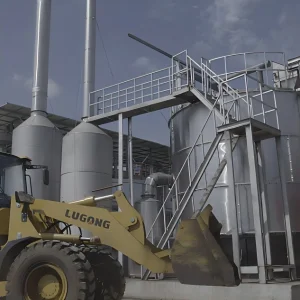
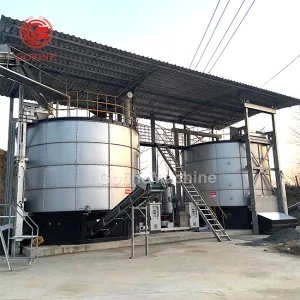
Small to medium poultry farms within the Berlin metropolitan area face strict odor control regulations. Our Enclosed Fermentation Tanks utilize bio-filtration systems that neutralize odors before exhaust, allowing farms to operate in proximity to residential zones without conflict.
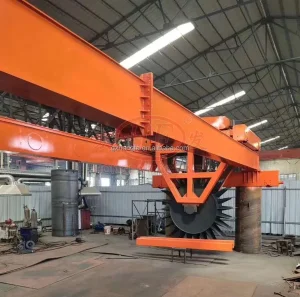
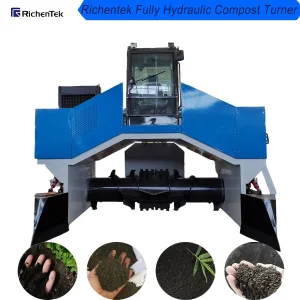
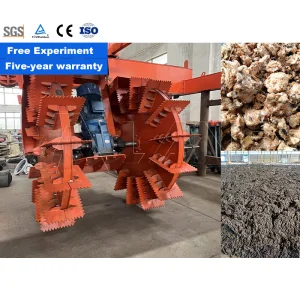
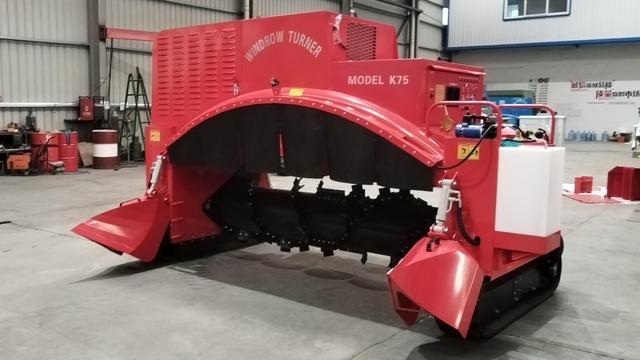
Large-scale operations benefit from our Wheel-Type Compost Turners, which can process hundreds of tons of manure daily. These machines are integrated with automated moisture adjustment systems, critical for handling the high liquid content of manure in the rainy German climate.
Q: Does your equipment meet German CE and safety standards?
A: Yes, all AgBio Energy equipment exported to the European market is fully CE-certified. We use components from global brands like Schneider Electric and Siemens to ensure local maintenance in Berlin is seamless.
Q: How do you handle the high electricity costs in Germany?
A: Our machines feature high-efficiency motors and a patent-pending biological heat retention system. Additionally, our intelligent PLC control ensures the machine only runs at full power during peak fermentation, minimizing energy draw.
Q: Can the end product be sold as retail organic fertilizer?
A: Absolutely. When integrated with our Granulated Fertilizer Making Machine, the compost is transformed into easy-to-handle pellets suitable for Berlin’s garden centers and commercial agricultural retailers.
Q: What is the lead time for a project in Berlin?
A: Standard units are ready for shipment within 15-20 days. Custom-engineered large-scale fermentation plants usually require 45 days from design approval to container loading.
 AgBio Energy