Innovative Manure Fermentation System for Organic Fertilizer and Waste

Product Description

Product Description

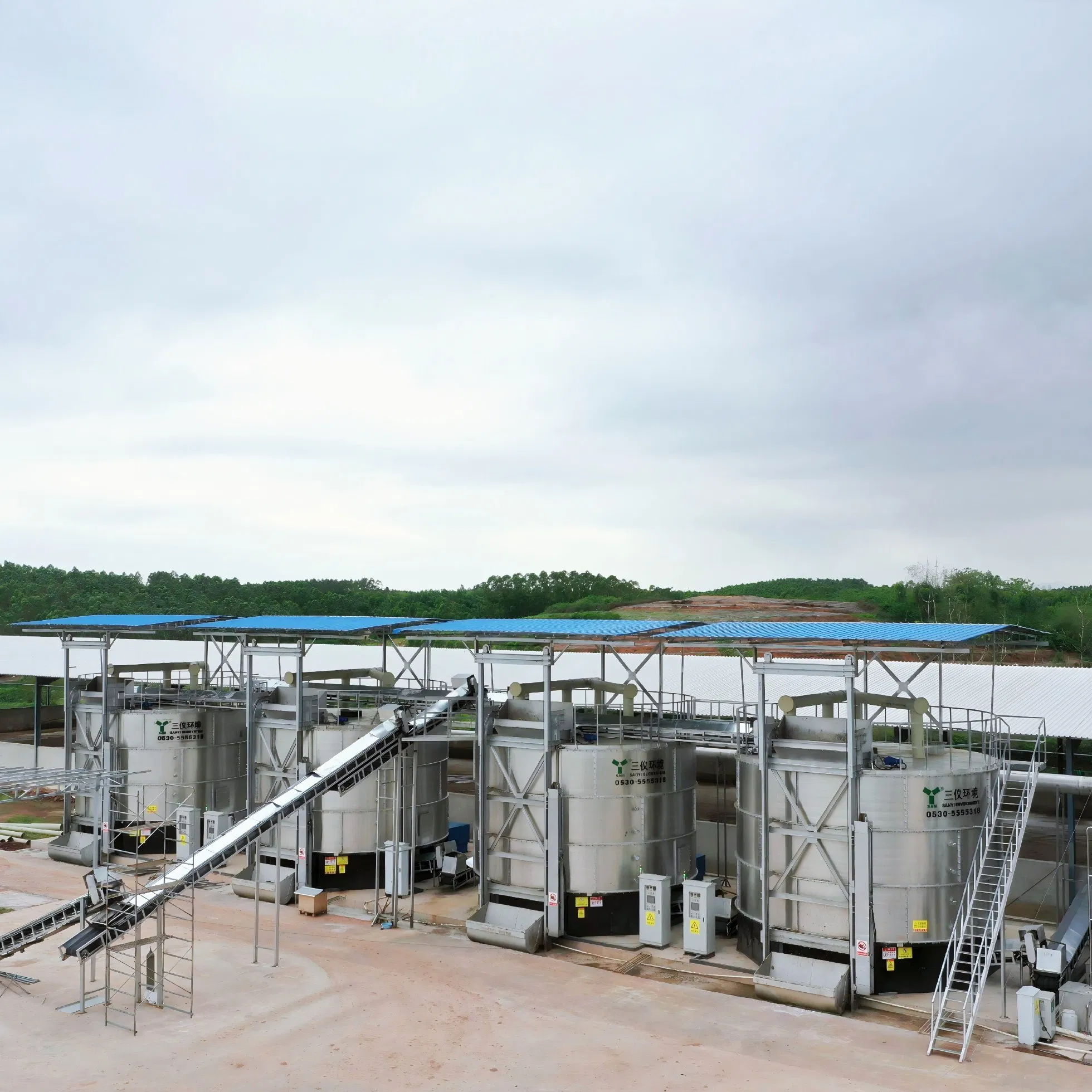
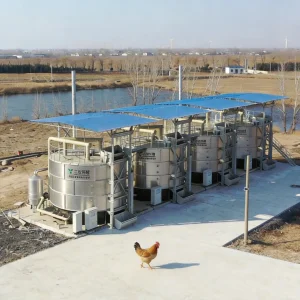
The 2.0 version of energy-saving fermentation tank utilizes four major energy-saving technologies to achieve an effective energy saving of 40%. For manure with a water content of 75%, power consumption per ton is reduced from 60 degrees to approximately 35 degrees compared to previous versions.
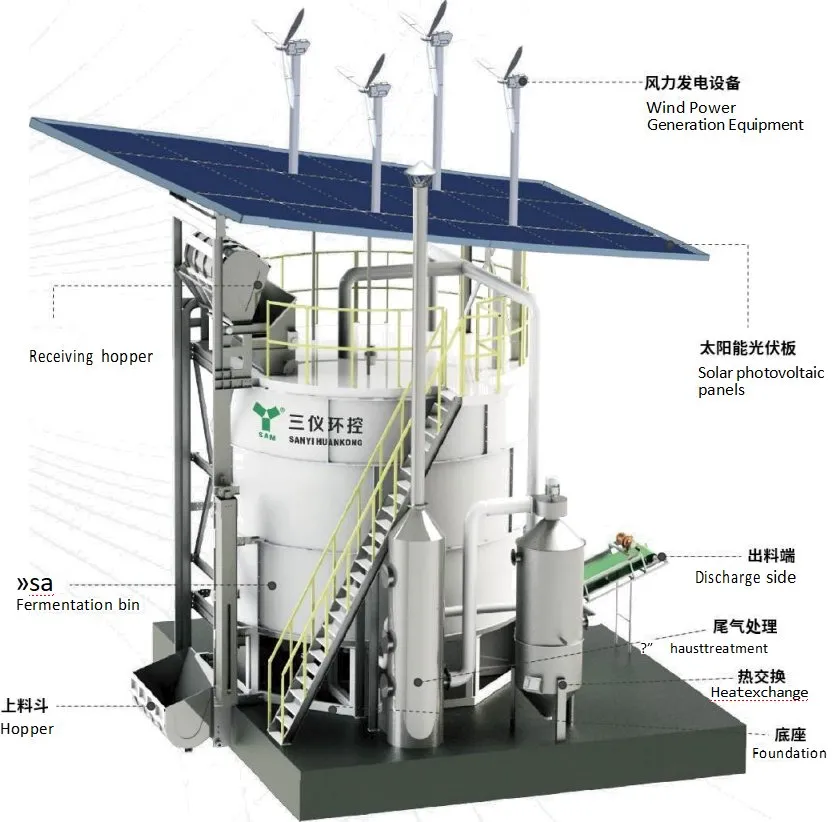
Energy-saving fermentation tank
1Equipment Introduction

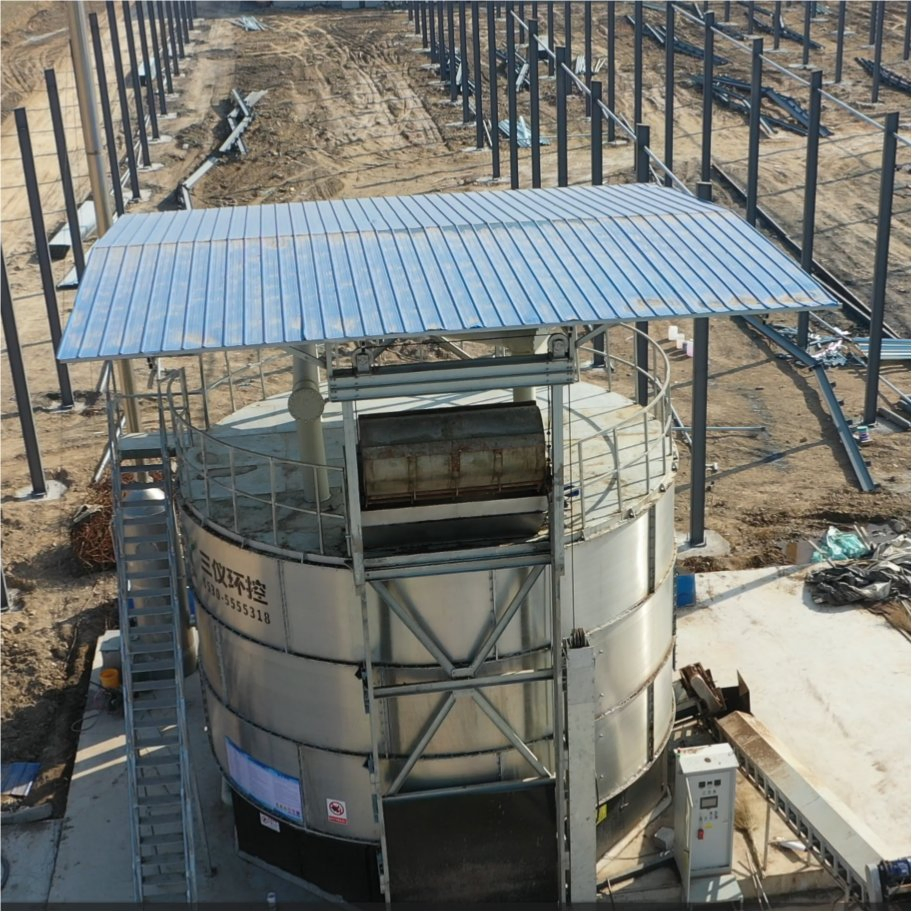
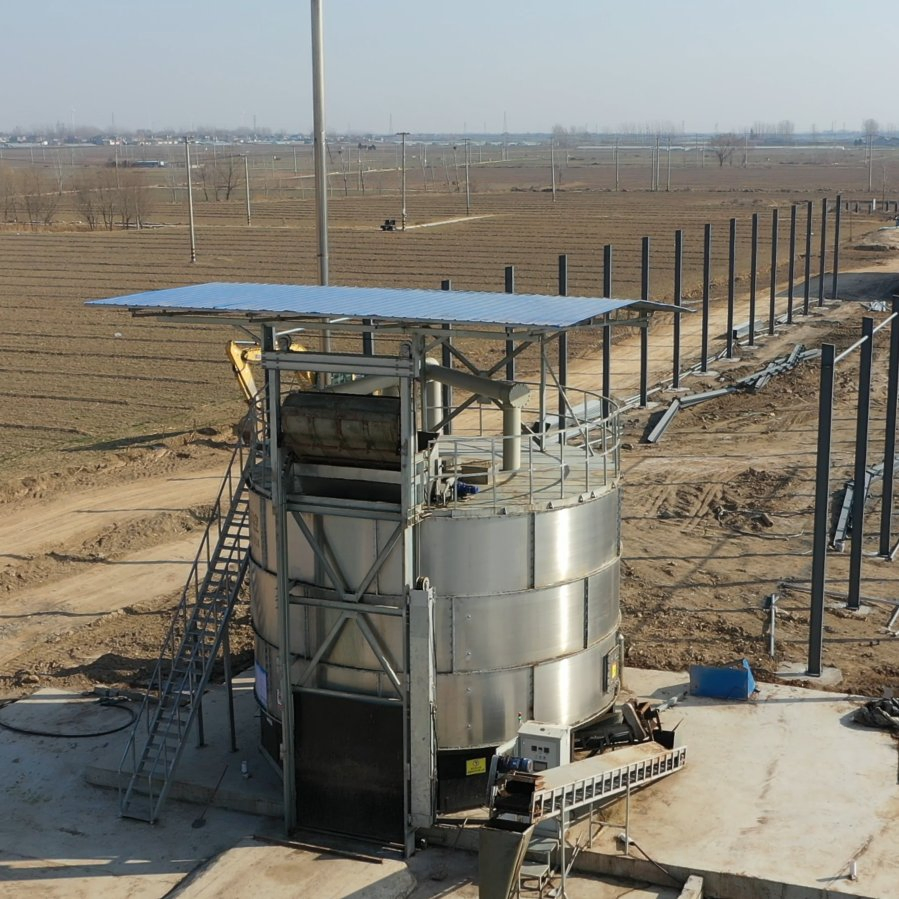
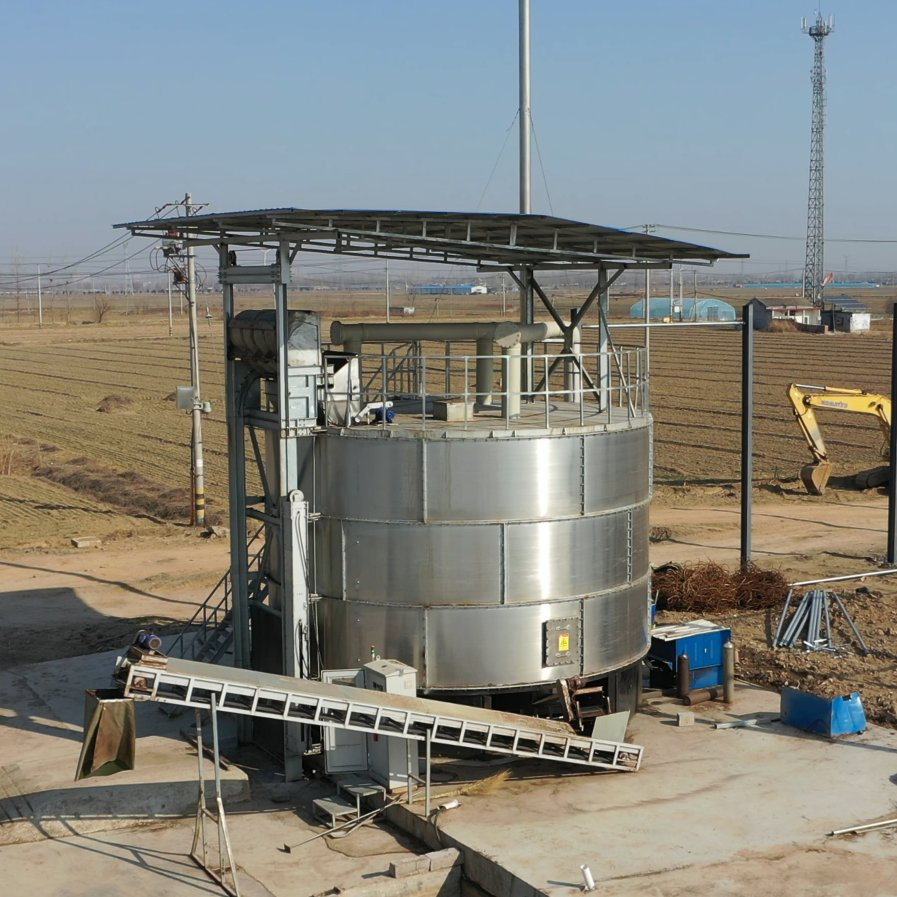
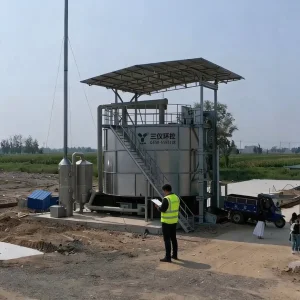
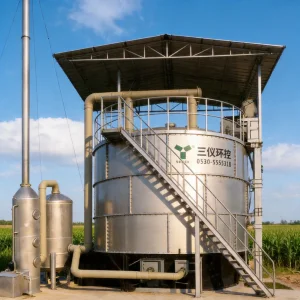
The equipment structure consists of three main parts:

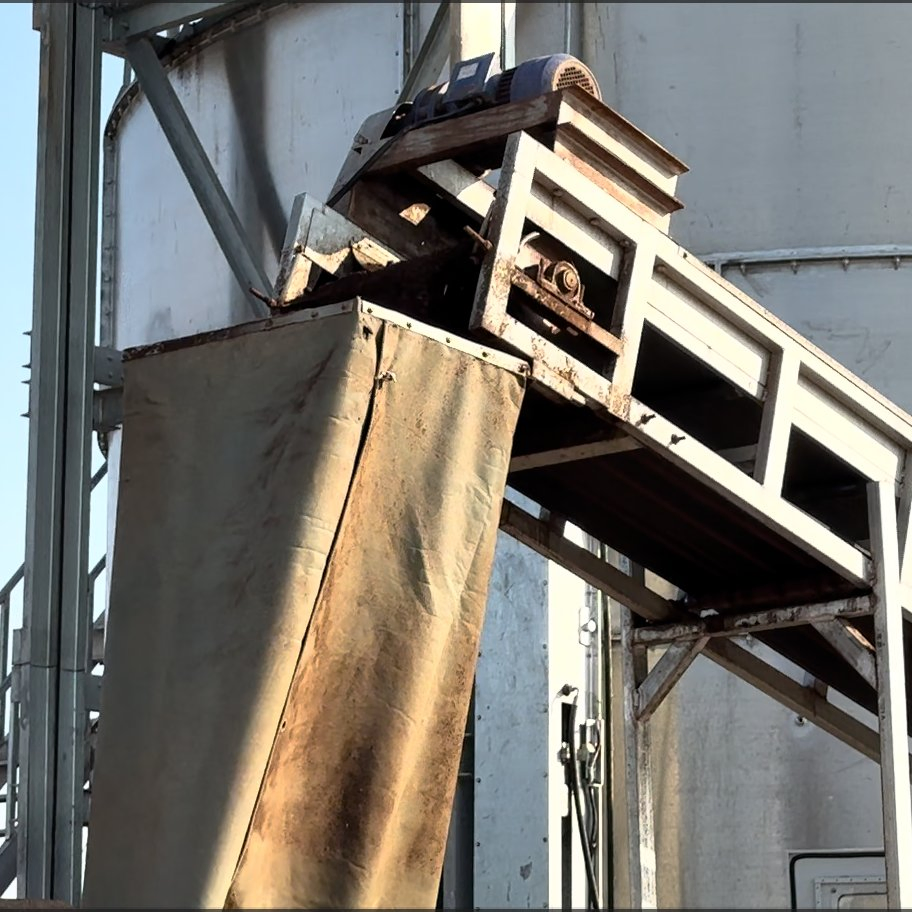
  • Lower Base: Includes hydraulic stations, scroll air pumps, cylinders, heating systems, and mixing shafts.
  • Middle Tank: Double-layer insulated tanks with automatic control systems. The inner wall uses 304 stainless steel for durability and easy cleaning. Polyurethane foam provides high-efficiency thermal insulation.
  • Upper Structure: Features a wind and rain shed, testing platform, and exhaust facilities.
Process Principle

Livestock and poultry manure are processed in a closed warehouse through intelligent high-temperature aerobic fermentation. This rapidly degrades odors and harmful substances into soil-friendly organic matter.

Operating temperatures reach 65-75°C, effectively eliminating insect eggs and pathogenic bacteria. The resulting high-quality organic fertilizer meets the NY52S-2021 quality standards, placing this equipment at a leading position in energy efficiency.
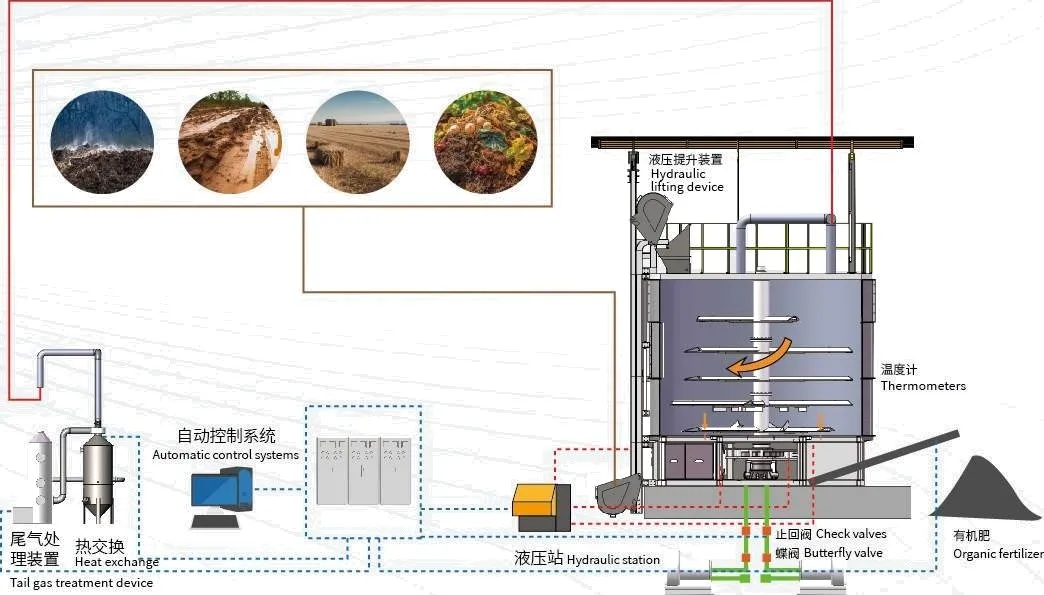
Process Principle Diagram
Process Advantages
Low Operating Costs
Utilizes aerobic bacteria technology to minimize energy consumption during waste treatment.
Short Fermentation Cycle
Realizes resource utilization in just 15 days with daily input and output cycles.
Standardized Production
Real-time recording of process parameters ensures consistent quality across every link.
Small Footprint
Efficient design requires only 70-105 square meters of floor space per unit.
Environmental Compliance
Multi-layer biological deodorization filters ensure gas discharge meets safety standards.
High Automation
Full PLC control allows a single operator to manage the entire fermentation process.
Application

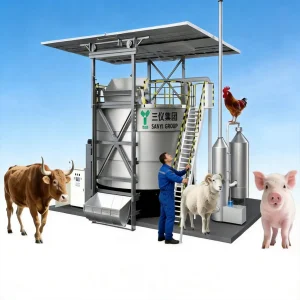
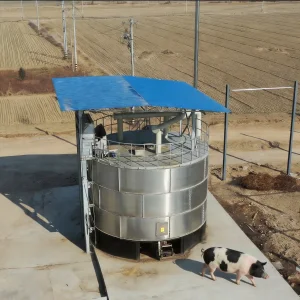
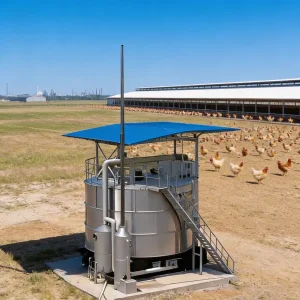
Suitable for the harmless treatment and resource utilization of organic waste such as chicken manure, dry clean pig manure, and other agricultural residues.

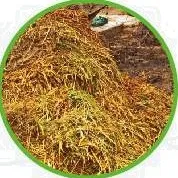
Waste Application 1
Waste Application 2
Waste Application 3
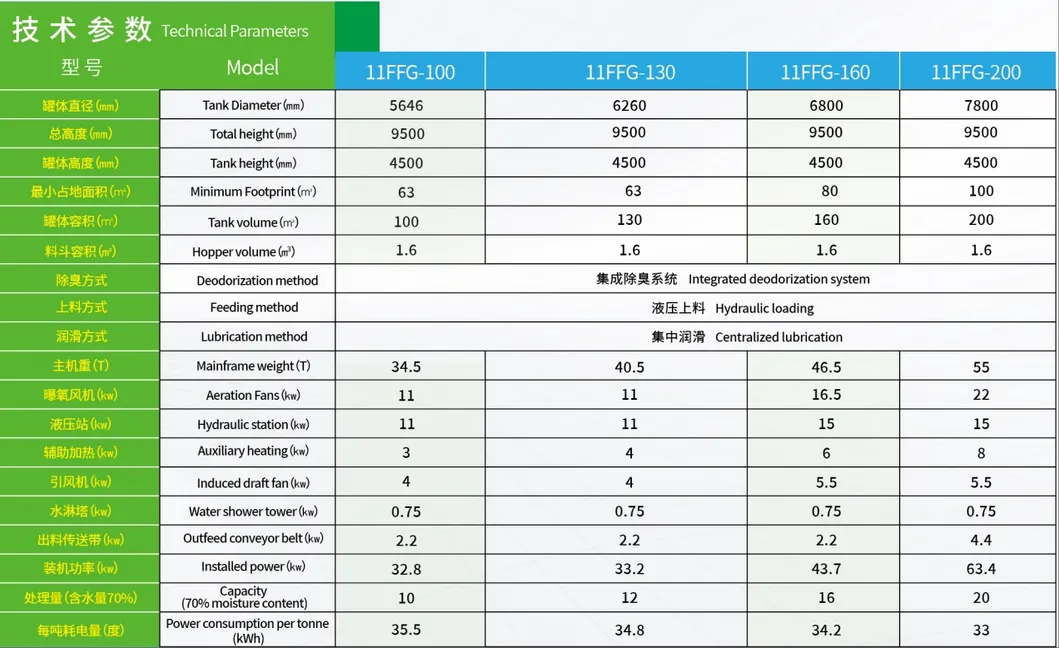
Product Parameters
Technical Specifications Table
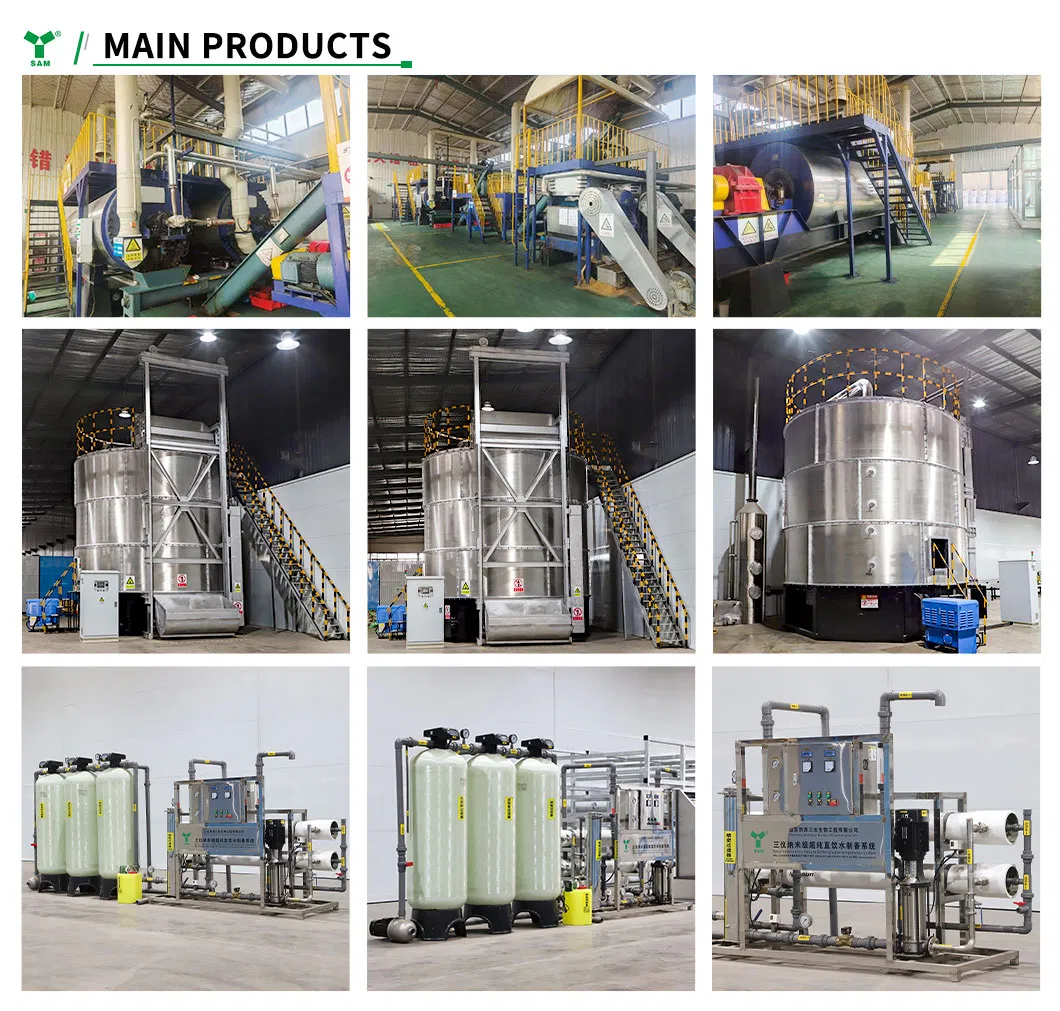
Main Products
Product Line Display
Company Profile

Operating since December 1998, the group has been a pioneering force across animal husbandry and environmental protection sectors. With state-of-the-art production parks in Dalian, Xuzhou, and Heze, the organization excels in biological veterinary drugs, diagnostic preparations, and advanced feed additives.
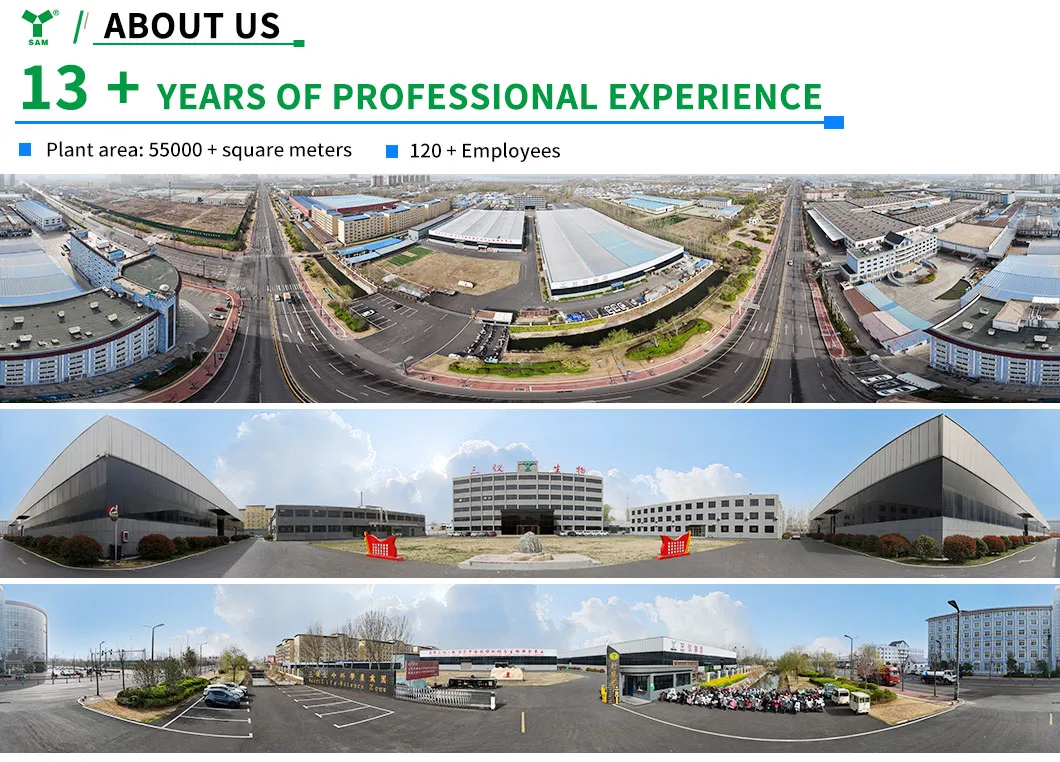
Facility Overview

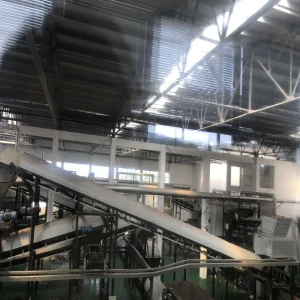
Committed to excellence and innovation, the facility encompasses 55,000 square meters and is supported by a dedicated team of 120 skilled employees, focusing on pasture innovations and environmental protection solutions.
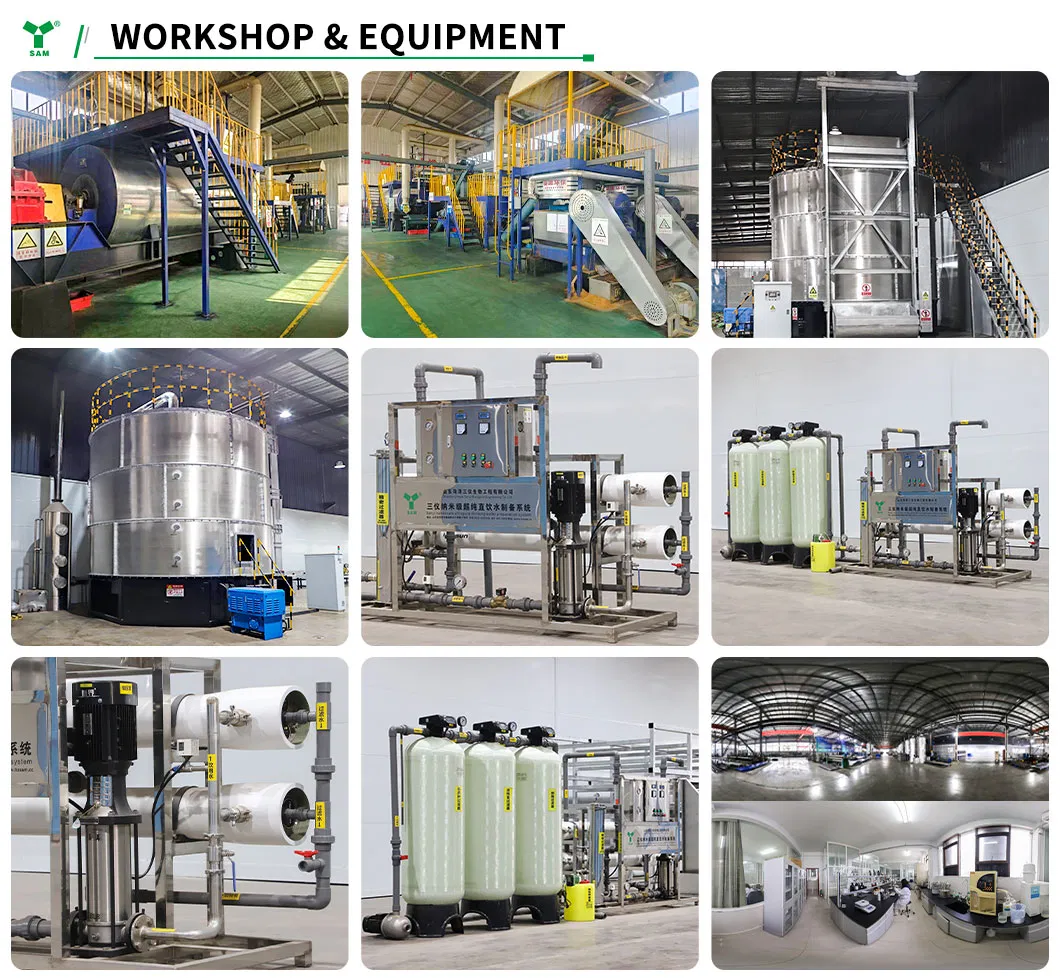
Factory Internal
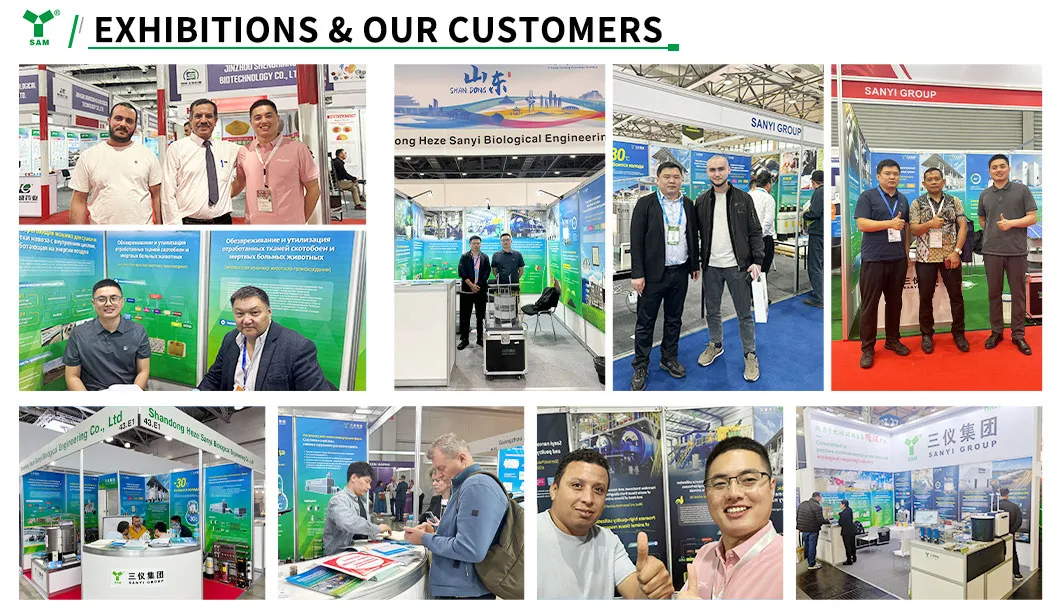
Exhibitions & Customers
Exhibition Photos
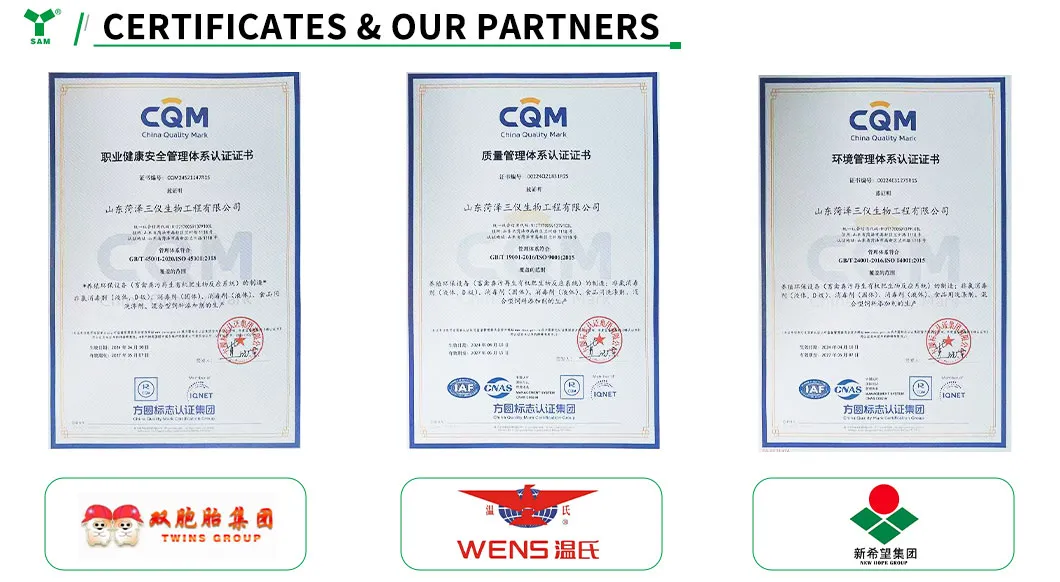
Certifications & Partners
Certificates
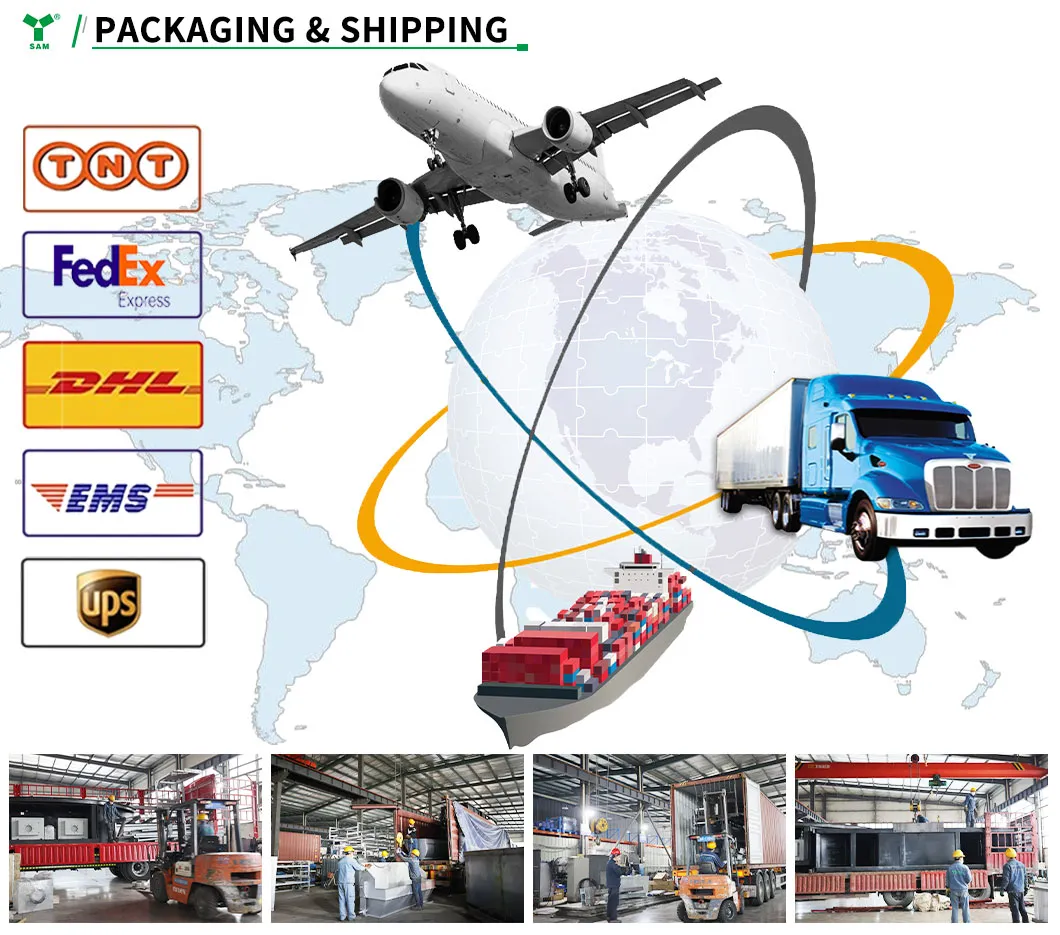
Packaging & Shipping
Logistics and Packing
Frequently Asked Questions
1. What fields is the high temperature aerobic fermentation tank mainly used in? The tank is primarily used for composting livestock and poultry manure (pig, chicken, cow), organic waste recycling (straw, garden waste), municipal sludge, and kitchen/vegetable waste.
2. What information is needed before ordering? Please provide your requirements for the overall treatment process, material quality reports (type of waste), maximum treatment capacity needed, and the intended use of the final product.
3. How long is the lead time for equipment? Generally, the lead time is 20 days, depending on specific project scales and customization requirements.
4. Do you provide OEM services? Yes, we provide high-quality OEM services and can customize products according to the buyer's specific needs.
5. What technical support is available? We provide free technical support at any time and can assist in designing the entire treatment process for your specific project.
6. How does the system handle environmental pollution? The equipment includes a biological deodorization system with multi-layer filtration to ensure gas discharge meets environmental standards without secondary pollution.

Related Products