AgBio Energy
1 / 5
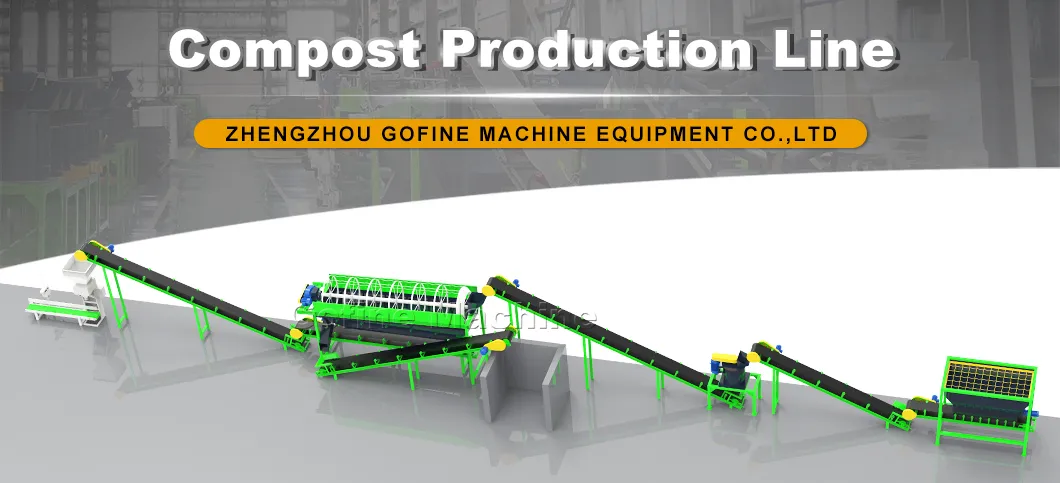
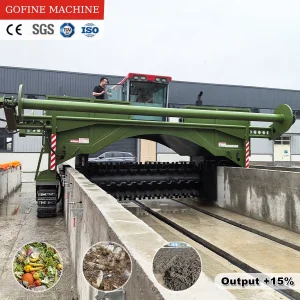
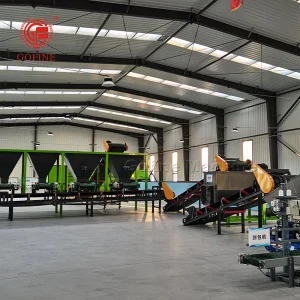
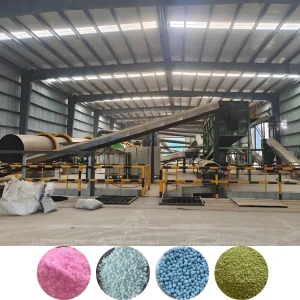
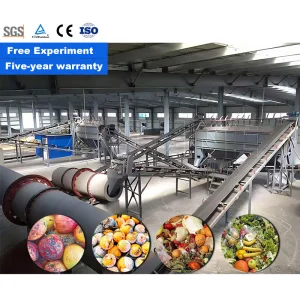
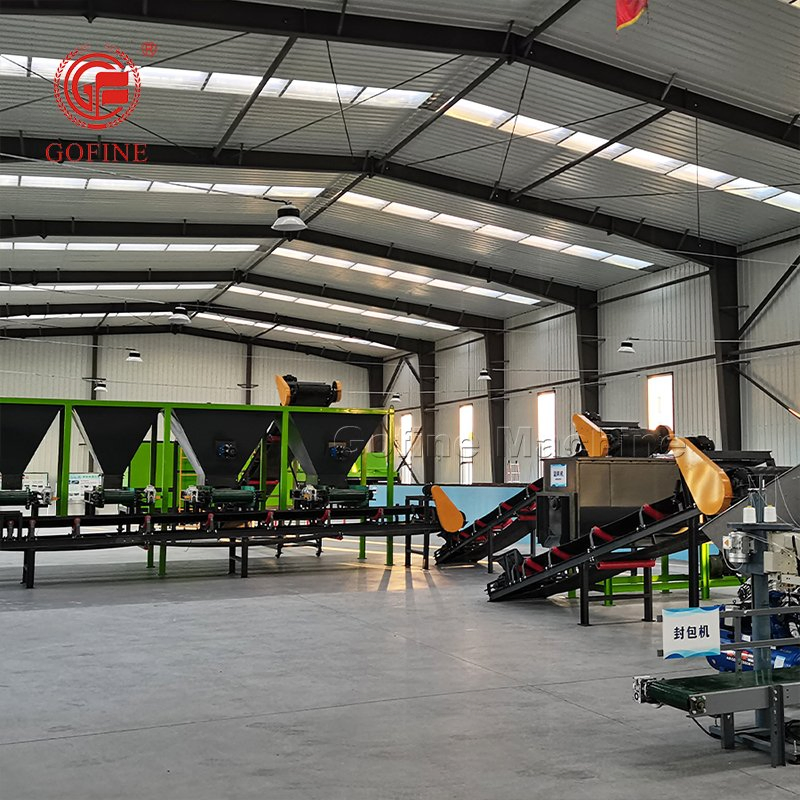
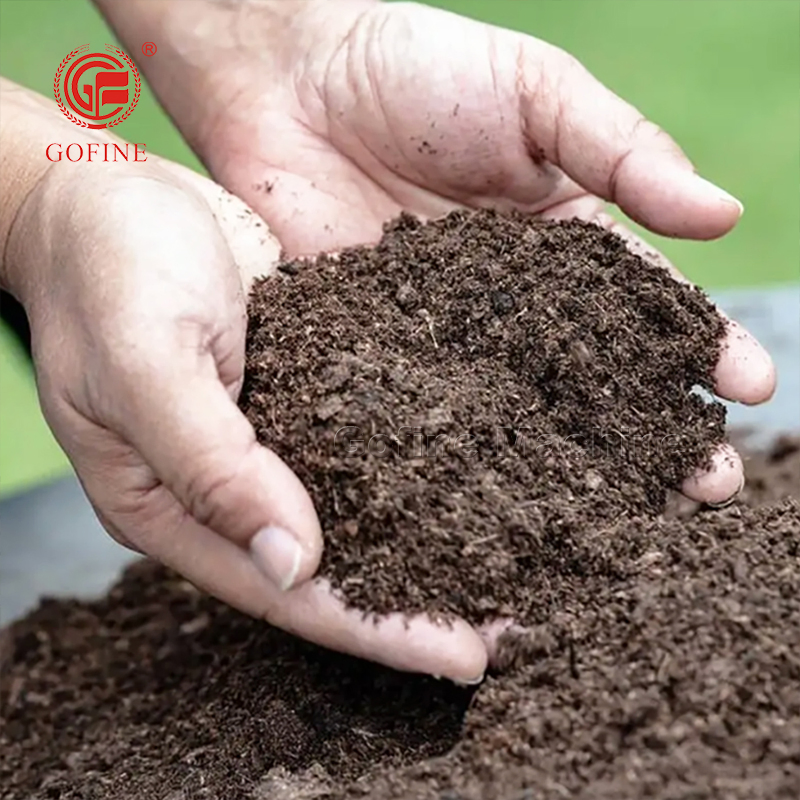
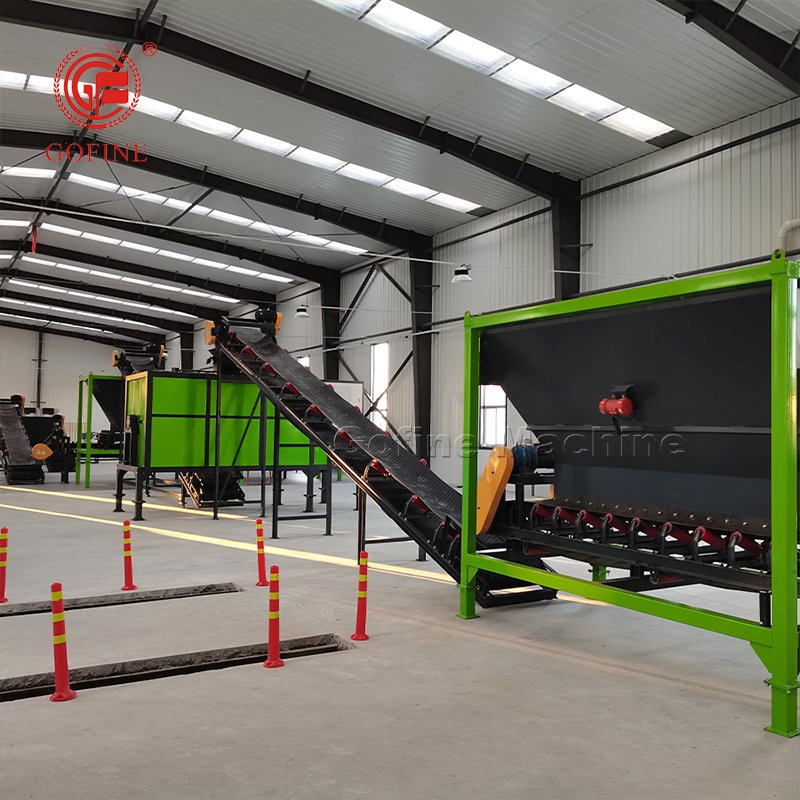
Our Powder Organic Fertilizer Composting Production Line is a specialized system designed to transform organic waste into high-quality, ready-to-use powder fertilizer through efficient aerobic composting technology.
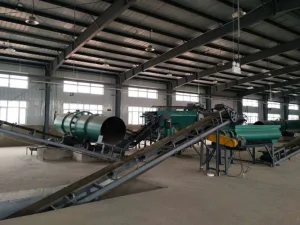
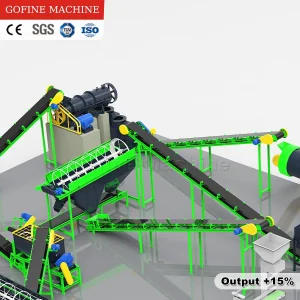
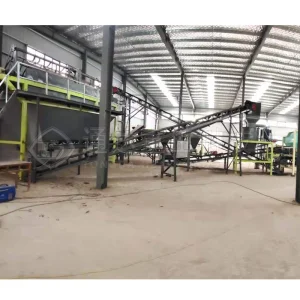
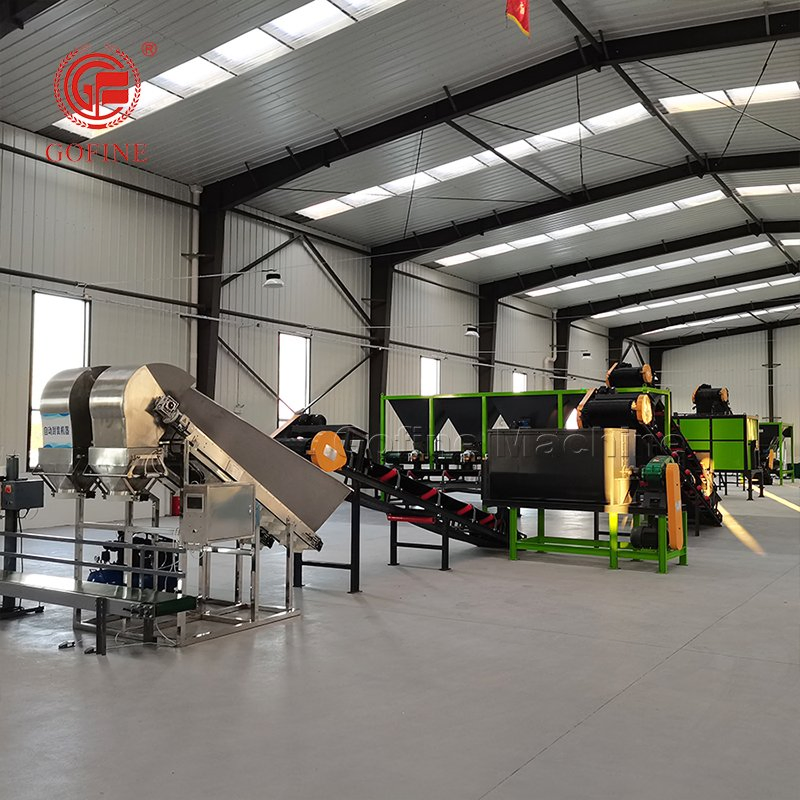
This streamlined production line focuses on the essential stages required to produce commercial-grade powder organic fertilizer. The system emphasizes efficiency, cost-effectiveness, and ease of operation while maintaining the biological integrity and nutrient content of the finished product.
Piling organic waste causes environmental issues and odor complaints.
Solution:Systematic conversion of waste into a valuable product, eliminating disposal problems.
High costs associated with commercial fertilizer purchases.
Solution:On-site production using existing waste materials with lower initial investment.
Inconsistent compost quality and unreliable nutrient content.
Solution:Standardized process ensuring uniform product quality and precise nutrient values.
| Parameter | Specification | Advantages |
|---|---|---|
| Production Capacity | 1-20 tons/hour | Scalable to match volume and demand |
| Fermentation Period | 15-20 days | Faster than traditional methods (3-6 months) |
| Power Consumption | 25-40 kWh/ton | Lower operating costs than granulation |
| Labor Requirement | 2-4 operators/shift | Reduced staffing needs through automation |
| Final Moisture | 25-35% | Optimal for storage and handling |
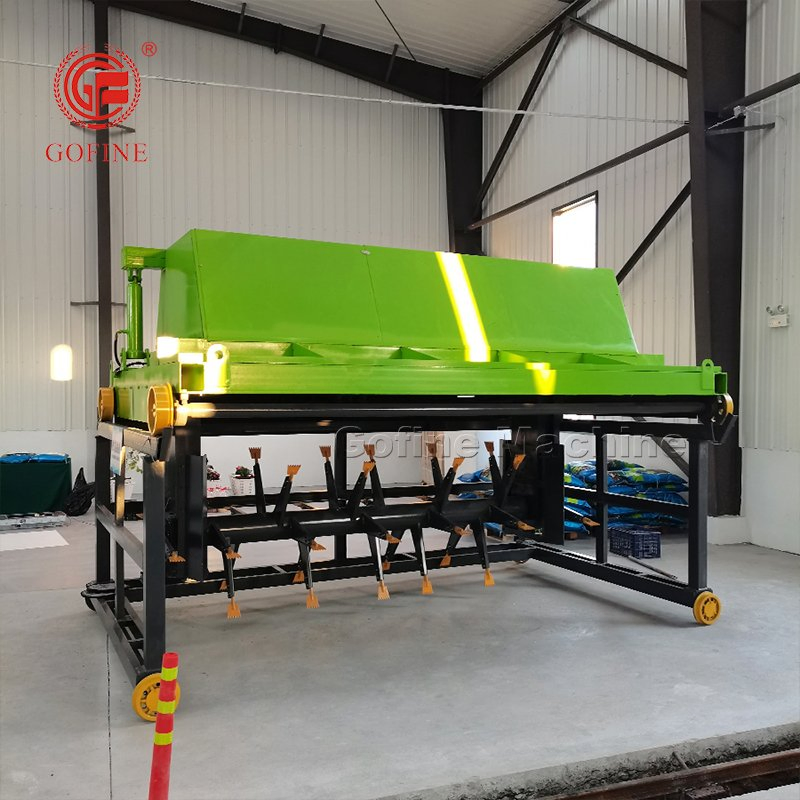
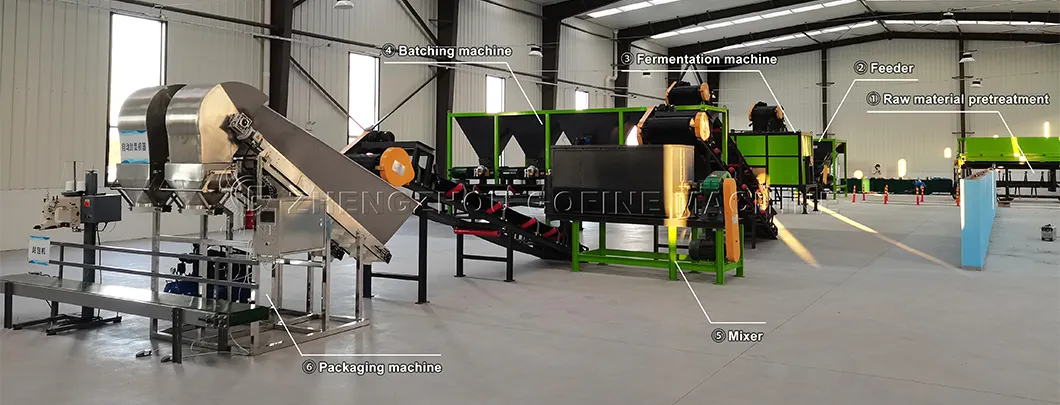
Aerobic composting in a controlled environment (10-15 days) with regular mixing to ensure uniform decomposition and pathogen elimination.
Breaking down compost clumps into smaller particles with adjustable output sizes to meet market needs.
Precisely adding nutrients (NPK), minerals, or microbial agents to customize fertilizer formulations for specific crops.
Removing contaminants (stones, plastics) and recycling oversized particles for secondary crushing.
Automatic weighing and dust-free filling into 5-50 kg bags for market-ready distribution.
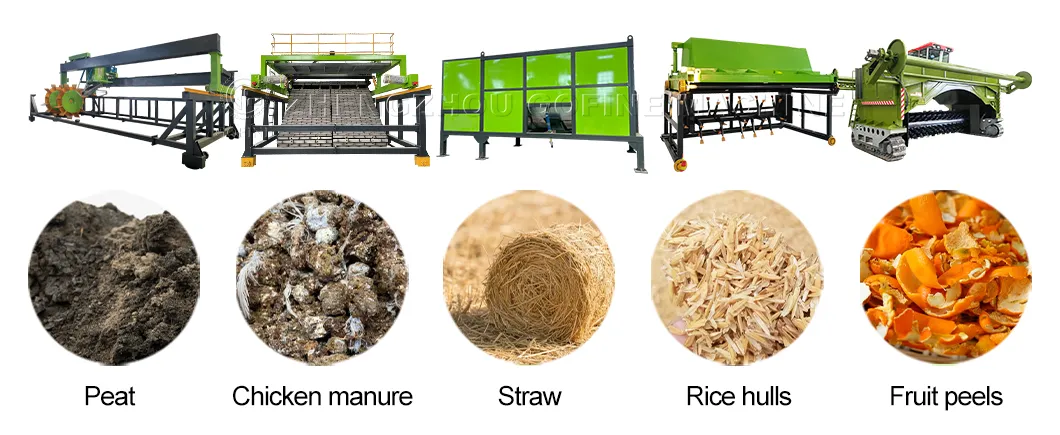
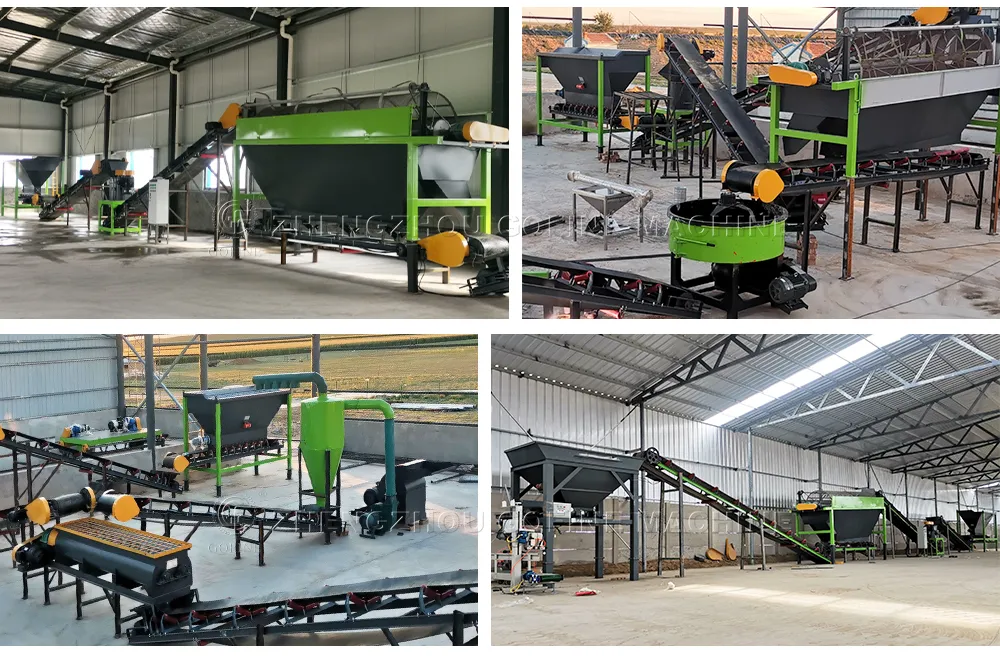
Our equipment offers 40-60% lower capital investment compared to granular lines, providing high flexibility for different raw materials and faster implementation timelines.