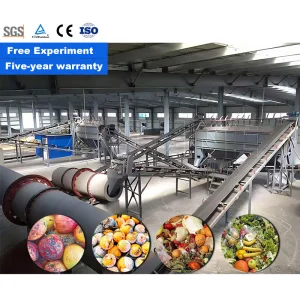
Applicable Industries
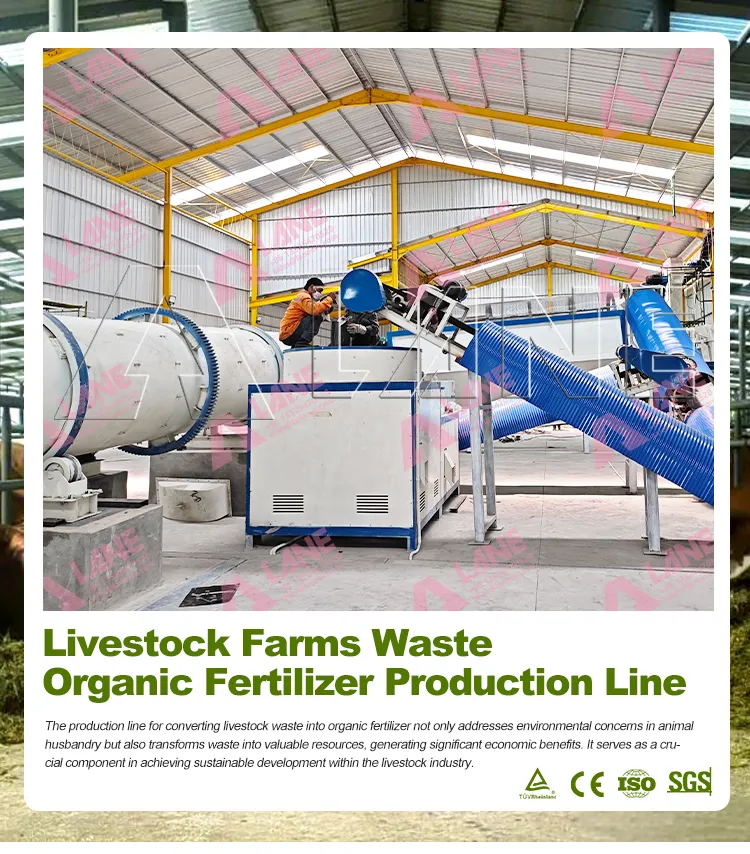
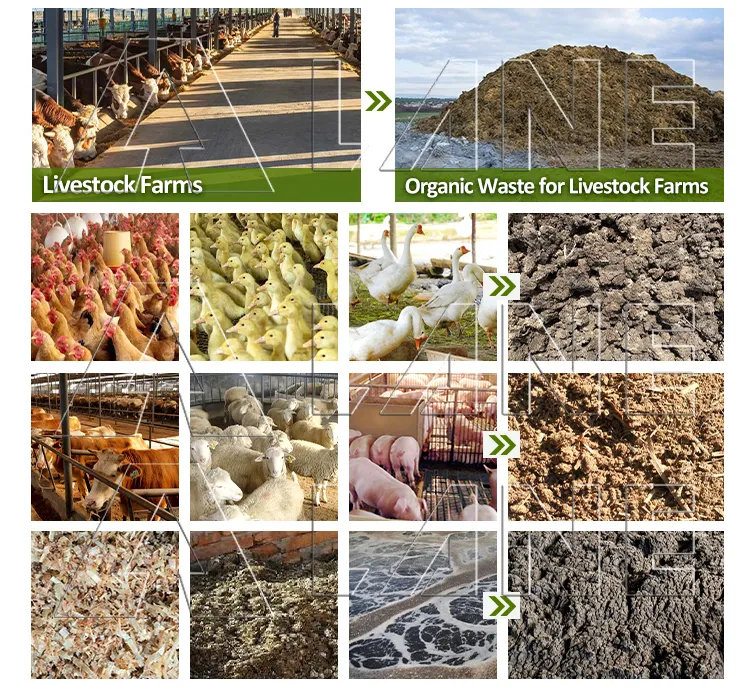
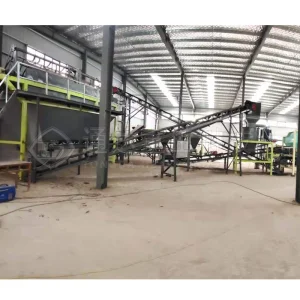
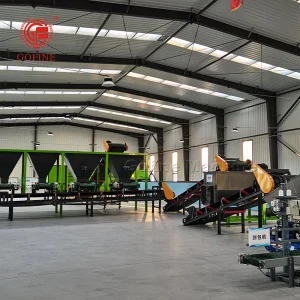
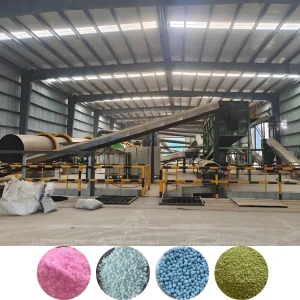
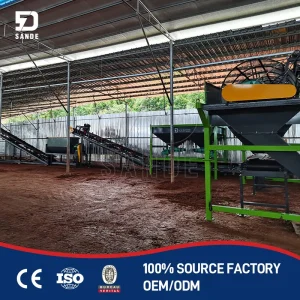
The core raw material for producing organic fertilizer from farm waste is livestock and poultry manure. By scientifically blending manure, auxiliary materials, and microbial agents, pollutants can be stably converted into safe, high-efficiency organic fertilizer, achieving a win-win outcome for both ecology and economy.
How to Make Organic Fertilizer from Livestock Farms Waste?
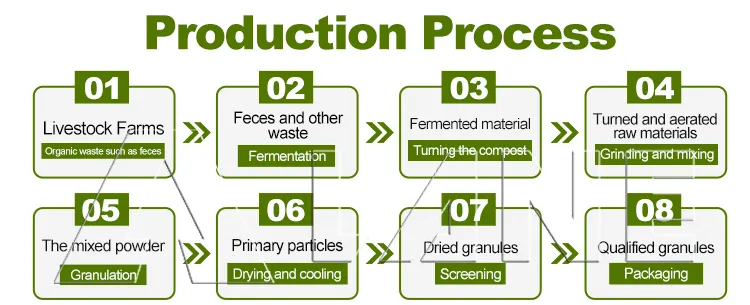
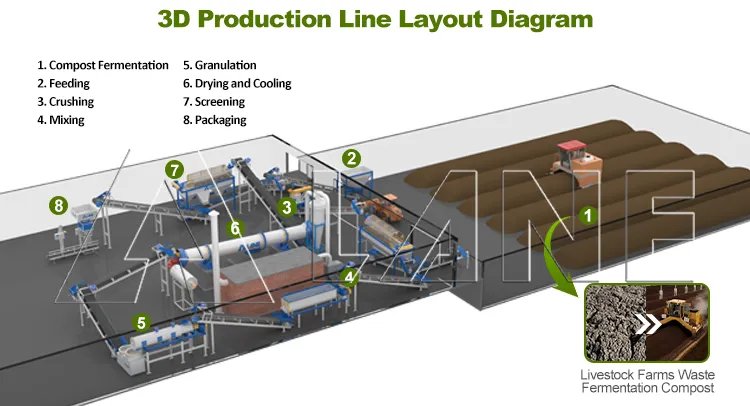
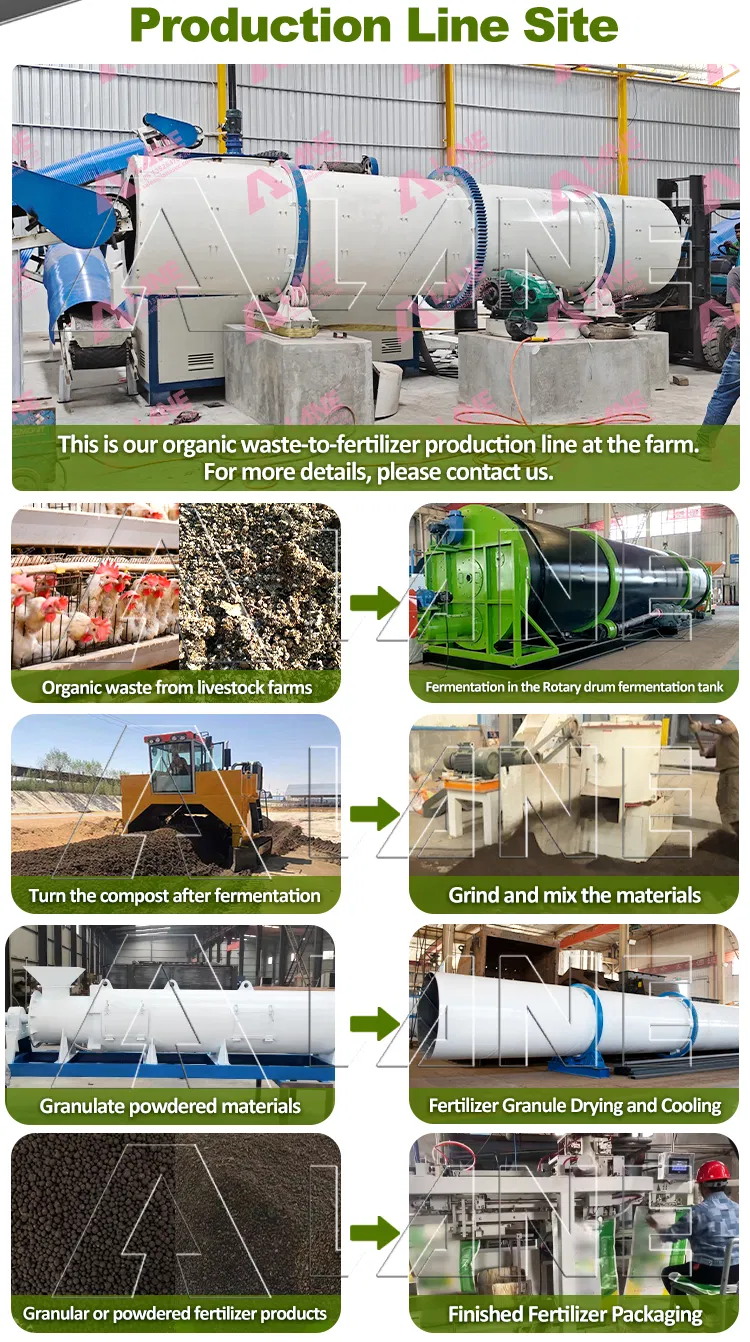
1. Fermentation and Turning
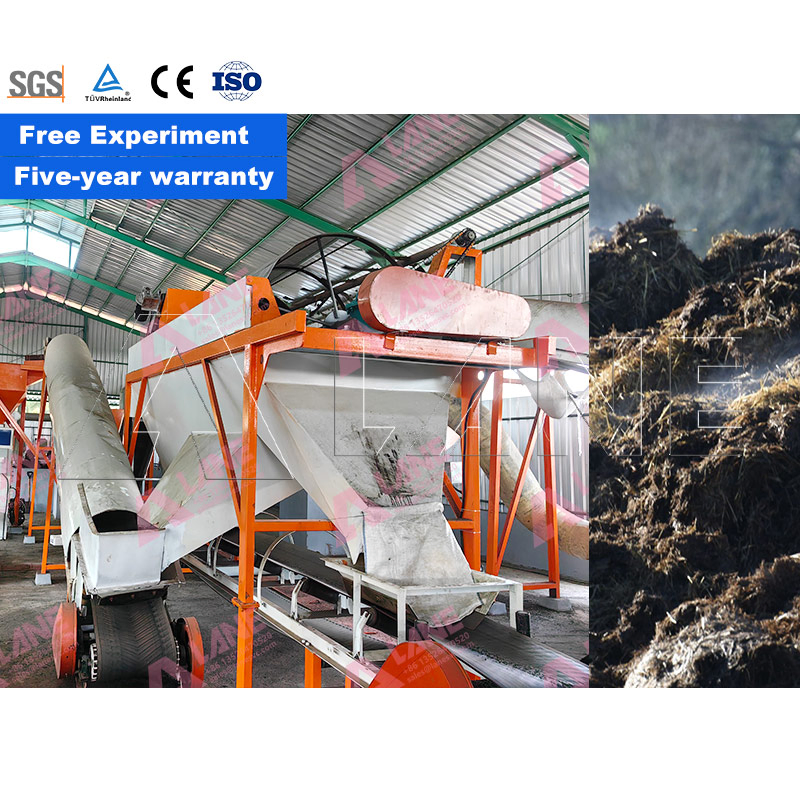
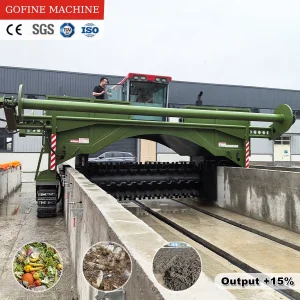
Collect manure from livestock housing into temporary storage ponds. Add supplementary materials before high-temperature fermentation in tanks. Use a turning machine to periodically turn the pile.
2. Crushing and Mixing
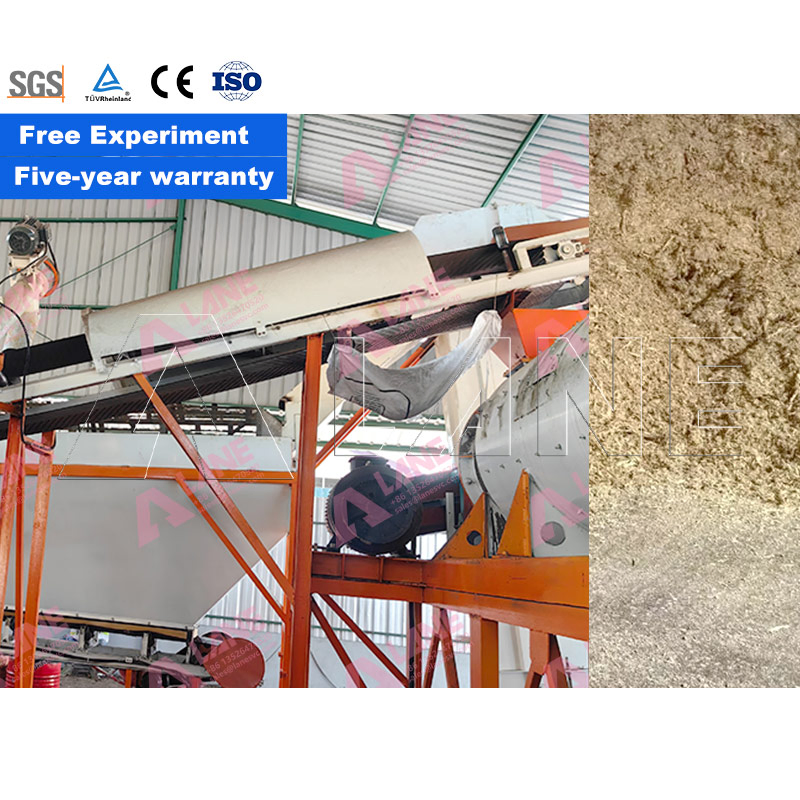
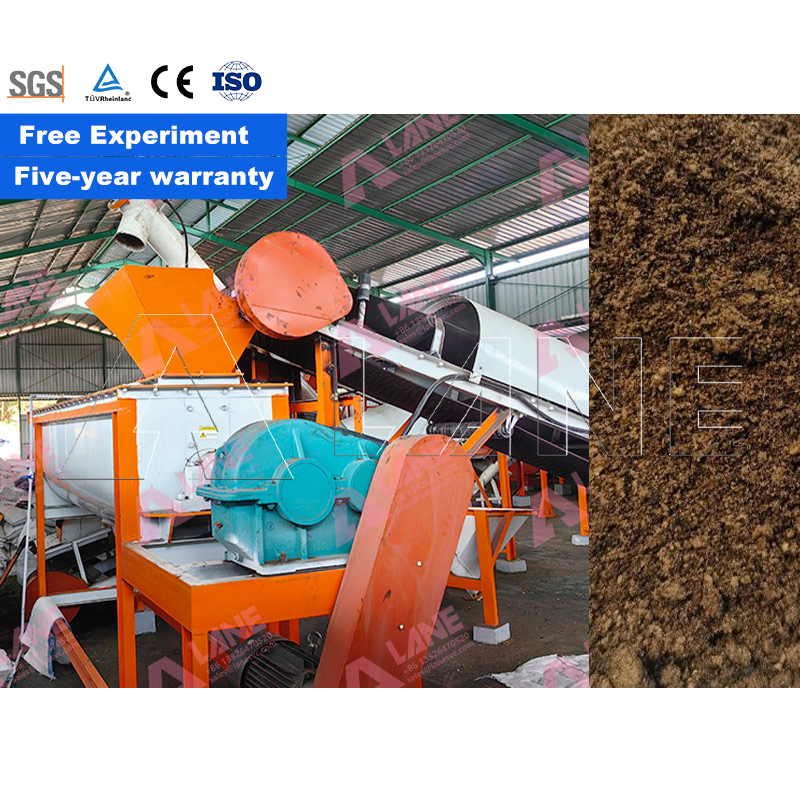
Use a crusher or shredder to break down material clumps for uniform particle size. Add supplementary materials and thoroughly mix using a specialized mixer.
3. Granulation
Select an appropriate granulator based on requirements, such as Rotary Drum, Stirring Pin, or Double Roller Granulators.
| Name |
Capacity |
Granulation Process |
| Rotary drum granulator |
5-30 tons/h |
Wet material is granulated by rolling in an inclined rotating drum. |
| Stirring pin granulator |
4-12 tons/h |
Material is compressed via rotating paddles and the cylinder. |
| Double roller granulator |
1-8 tons/h |
Dry powder formed through a die under high pressure without drying. |
4. Drying and Cooling
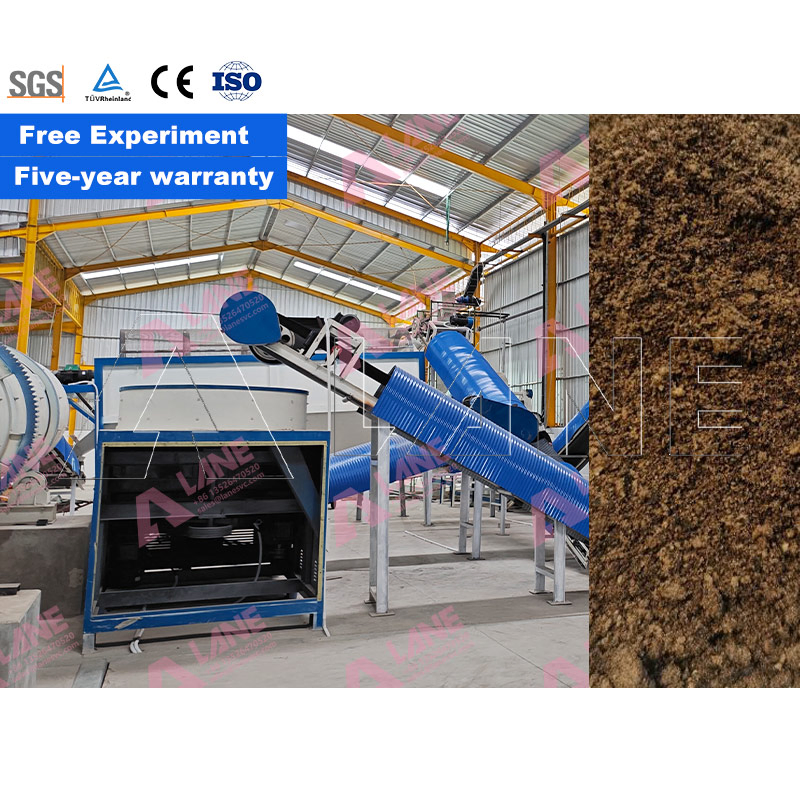
Granules enter a dryer where hot air reduces moisture, followed by cooling with ambient air to enhance granule strength.
5. Screening
Qualified products enter the silo; fine powder and oversized pellets are returned for reprocessing.
6. Packaging
An automatic packaging scale weighs, bags, and seals the finished organic fertilizer for storage.
Frequently Asked Questions
Can I use this production line to produce multi granularity particles?
Yes, our production line is multifunctional. We can customize ring moulds of different sizes, allowing you to easily adjust the size of the final product.
How do I choose the most suitable machine for my needs?
Simply provide us with your raw materials, required capacity (tons/hour), and the desired size of the final particles. We will design a custom solution based on your specific situation.
Do you provide training for operating the production line?
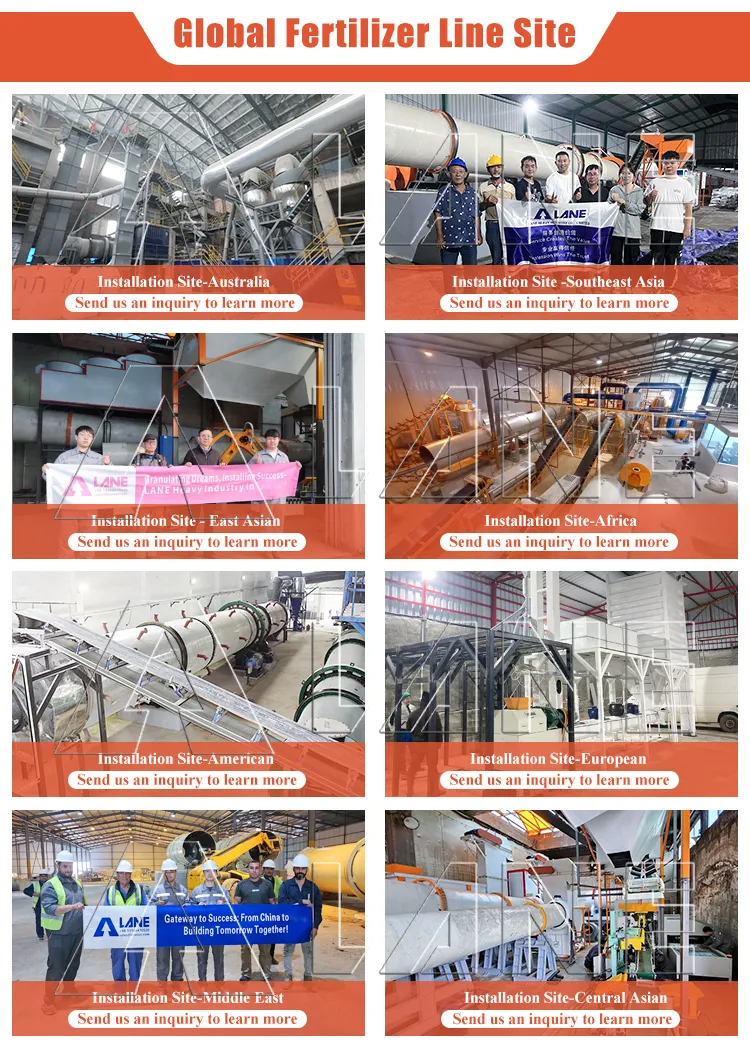
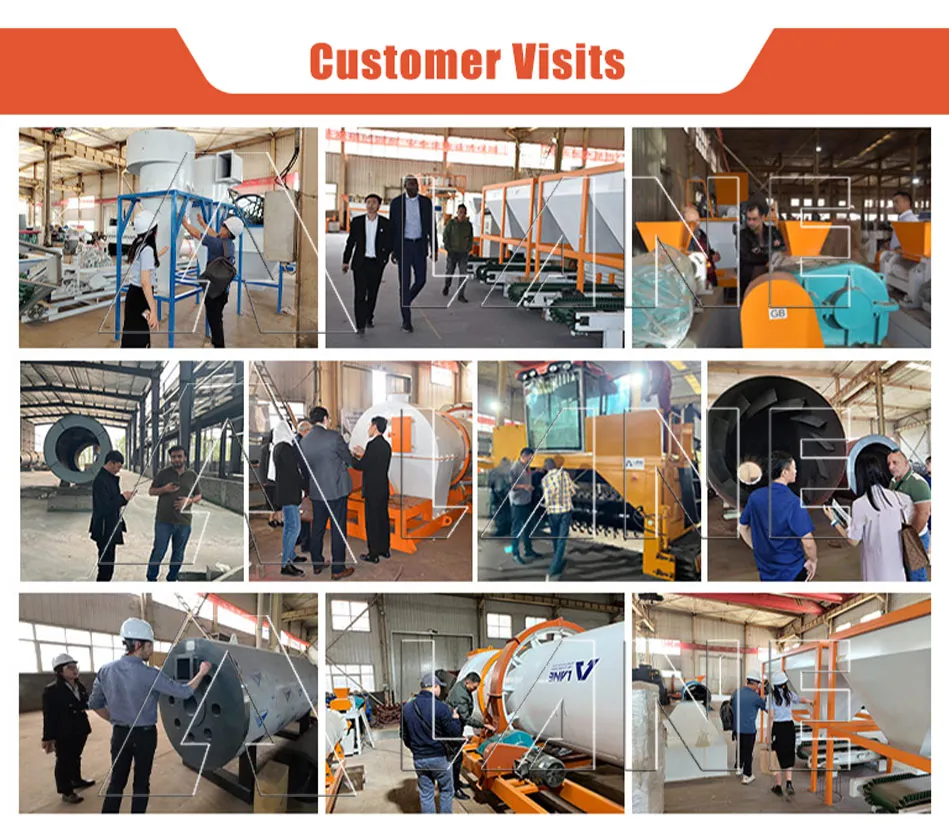
Yes, our engineers provide on-site instructions for installation, workshop building, and field tests, along with comprehensive training for your workers.
What is the production period for the equipment?
For single machines, production takes approximately 7 days. For a complete fertilizer production line, the production period is generally no more than 30 days.
What quality guarantees and certifications do you have?
All our machines have passed ISO and CE certifications. We guarantee the highest quality with a warranty period of 5 years from the shipment date.
Are you a manufacturer?
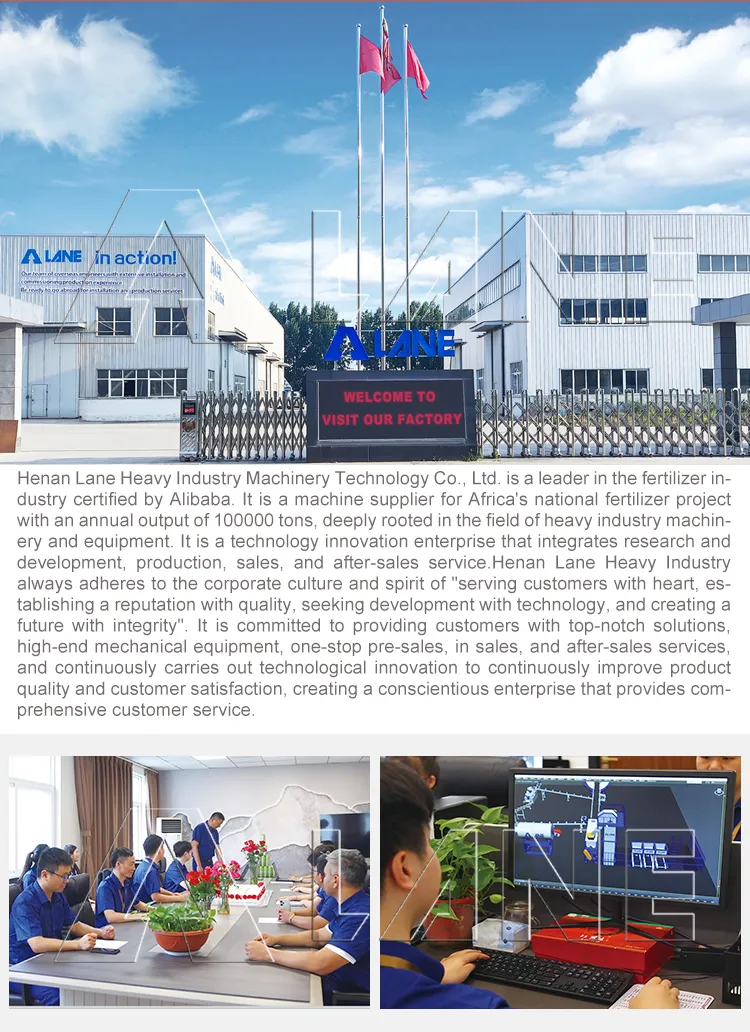
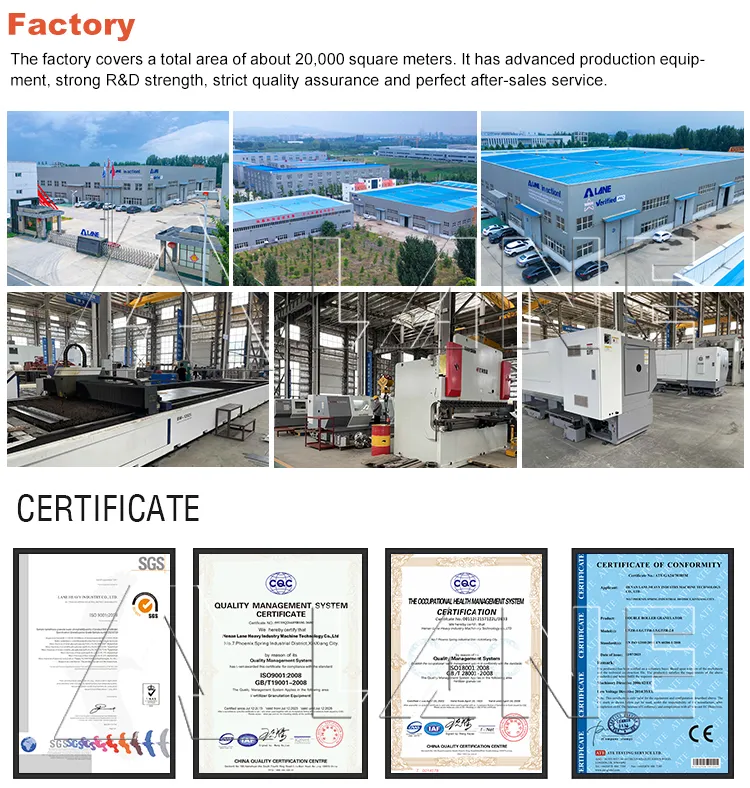
Yes, we operate a large-scale factory covering 10,000 square meters, equipped with advanced manufacturing facilities to ensure product precision.
 AgBio Energy