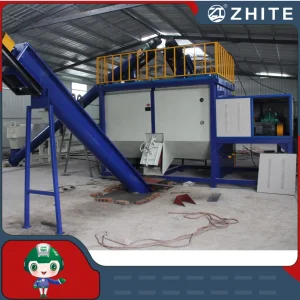
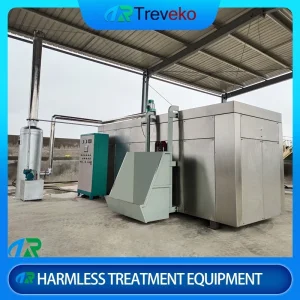
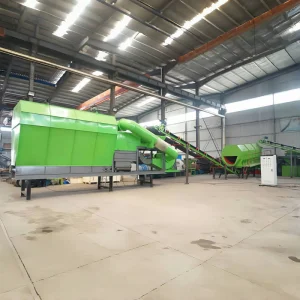
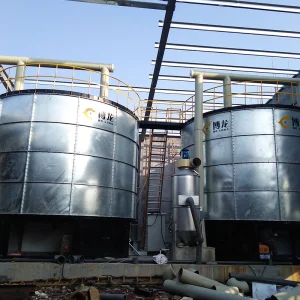
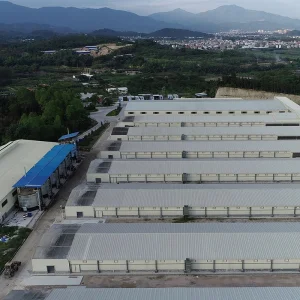
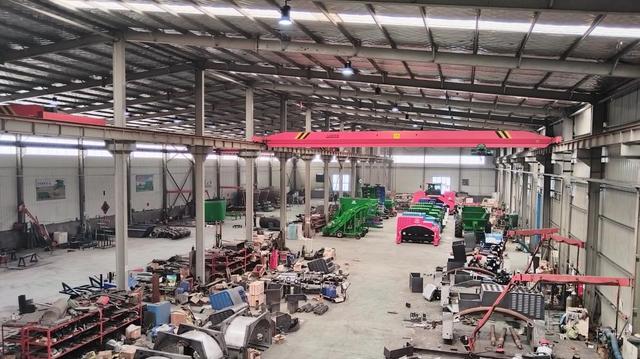
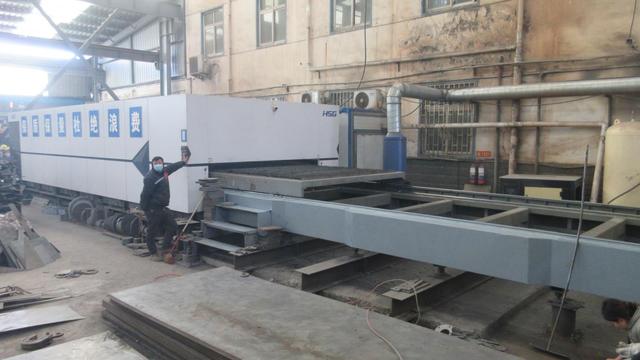
Chengdu AgBio Energy Co., Ltd. stands at the forefront of the global environmental technology sector as a premier manufacturer specializing in organic waste composting equipment and food waste recycling systems. Founded in 2013 and headquartered in the industrial hub of Chengdu, Sichuan Province, China, AgBio Energy has redefined waste management through science-backed innovation and robust engineering. Our 16,000-square-meter state-of-the-art facility serves as the nerve center for over 230 specialists dedicated to transforming problematic waste into profitable resources.
In an era where Environmental, Social, and Governance (ESG) criteria drive corporate strategy, our solutions offer more than just disposal—they provide a roadmap to carbon neutrality. Our product portfolio integrates advanced aerobic fermentation, microbial inoculation, and intelligent automated monitoring, ensuring that municipalities, agricultural giants, and hospitality leaders can meet stringent landfill diversion mandates while producing high-quality organic fertilizers.
China's dominance in kitchen waste equipment stems from a vertically integrated supply chain. From high-grade SUS304/316 stainless steel to IoT-enabled PLC controllers, every component is sourced and assembled within a tight industrial cluster, ensuring competitive pricing and rapid innovation cycles.
Modern Chinese factories like AgBio Energy utilize AI-driven fermentation algorithms. These systems monitor temperature, humidity, and oxygen levels in real-time, reducing processing cycles by up to 40% compared to traditional windrow composting methods.
As a leading supplier, we prioritize international standards. Our equipment is designed to meet CE, UL, and ISO certifications, ensuring seamless integration into the waste management frameworks of North America, Europe, and Southeast Asia.
Global urbanization is overwhelming centralized landfills. Our solution involves deploying localized composting units at the community level. This "Source-to-Resource" model eliminates the massive carbon footprint associated with hauling wet waste over long distances. Our automated systems can process 100kg to 50 tons daily, tailored for smart cities.
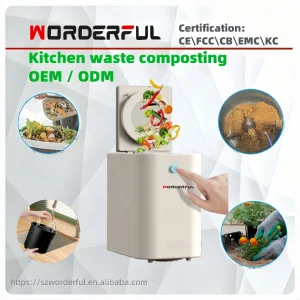
For hotels and restaurants, food waste is a liability. Our compact in-vessel composters turn kitchen scraps into nutrient-rich soil additives overnight. This not only slashes waste removal costs but also provides the property with fertilizer for on-site landscaping, completing the circular loop.
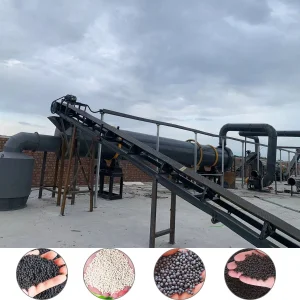
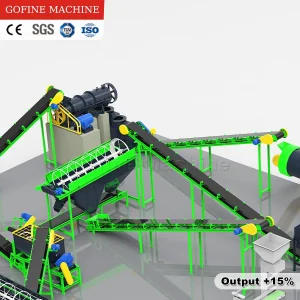
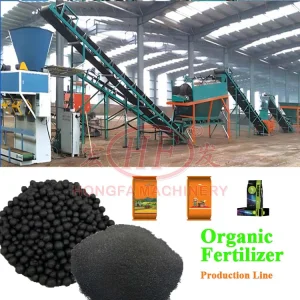
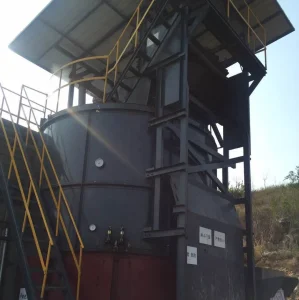
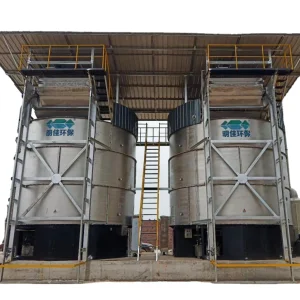
In the livestock sector, managing manure is critical for environmental compliance. AgBio Energy's vertical fermentation vessels and organic fertilizer production lines transform raw manure into granulated commercial fertilizers, creating a secondary revenue stream for agricultural enterprises.
Our In-Vessel Composting (IVC) technology addresses the four critical barriers of waste recycling: Odor control, Pathogen elimination, Process speed, and Space constraints.
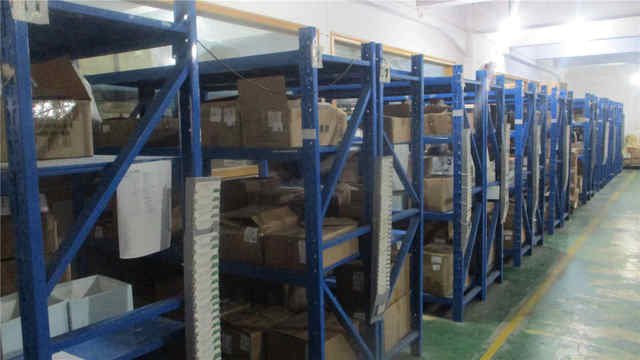
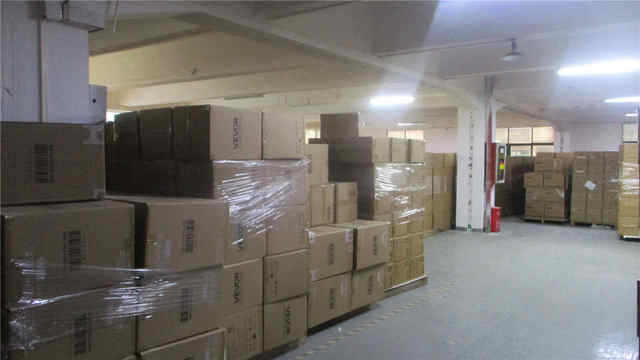
Procuring industrial-grade recycling equipment from China requires a partner with proven export expertise. AgBio Energy provides a comprehensive one-stop service that includes:
We tailor processing capacities, voltage requirements, and footprint dimensions to match your specific site constraints.
Every unit undergoes a 72-hour continuous load test before shipping to ensure field-ready reliability.
From installation supervision to spare parts logistics, our team ensures your investment yields a high ROI over its 10-15 year lifespan.
A: Our aerobic fermentation systems achieve a volume reduction of 80% to 90% within 24 hours, depending on the moisture content and waste composition.
A: Yes, the high-temperature fermentation process stabilizes the organic matter. While it is concentrated and should be mixed with soil, it is rich in beneficial microbes and organic carbon.
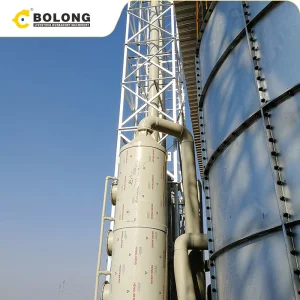
A: Our machines are equipped with integrated deodorization units that use carbon adsorption and biological filtration to neutralize volatile organic compounds (VOCs) and ammonia.
A: Maintenance is minimal. It typically involves checking the agitation system, cleaning the filters, and periodically adding microbial starters to maintain the bio-culture.
 AgBio Energy