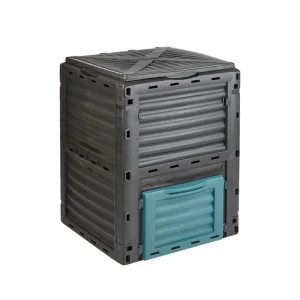
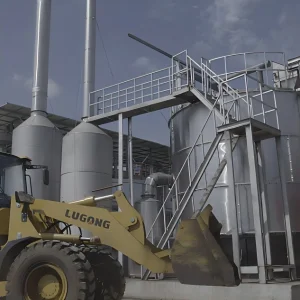
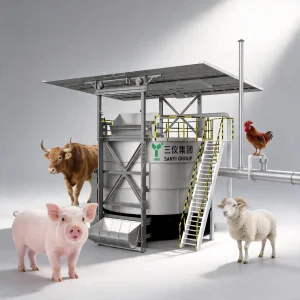
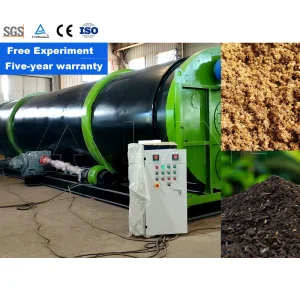
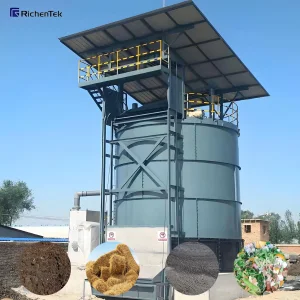
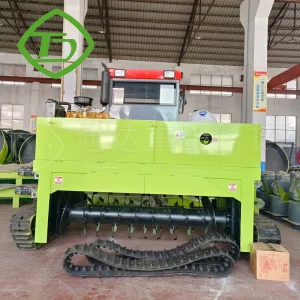
Explore our engineered equipment configured for agricultural processing, high-temperature aerobic digestion, and rapid organic decomposition.
Years Engineering Excellence
Square Meters Factory Area
Expert Technicians & Staff
Rapid Fermentation Cycle
In modern industrial poultry operations, managing byproduct waste is no longer merely an operational concern—it is a critical compliance and financial metric. The rise in global protein consumption has forced poultry processors and commercial farms to operate at unprecedented scales. This acceleration produces immense volumes of manure, mortalities, processing sludge, and feather byproducts. Historically treated as hazardous overhead, modern environmental frameworks demand the implementation of circular economies where these materials are converted into stable bio-fertilizers and energy sources.
Chengdu AgBio Energy Co., Ltd. stands at the forefront of this industrial revolution. Utilizing advanced thermophilic aerobic digestion and biological engineering, we develop customized, high-throughput waste recovery plants. Our machinery helps enterprise producers eliminate pathogenic risk, drastically reduce green-house gas emissions (GHG), and yield highly valuable, nutrient-rich soil amendments that meet stringent international agricultural criteria.
The global agricultural ecosystem is adapting to new bio-security protocols and environmental restrictions. Manufacturers must integrate technology to keep pace.
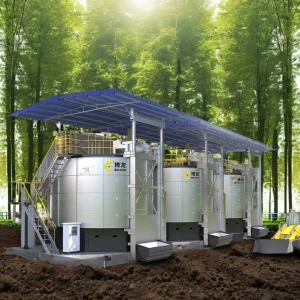
Strict biosecurity regulations demand that poultry waste be treated at temperatures exceeding 55°C (131°F) to ensure the complete elimination of Avian Influenza, Salmonella, and E. coli. Our high-temperature aerobic digestion systems maintain these conditions naturally through microbial activity, guaranteeing pathogen-free output.
Real-time telemetry measuring Nitrogen-Phosphorus-Potassium (N-P-K) profiles and moisture contents during fermentation has become standard. By managing thermal cycles intelligently, operations can retain volatile Nitrogen compounds, shifting output fertilizers from simple organic matter to high-grade inputs.
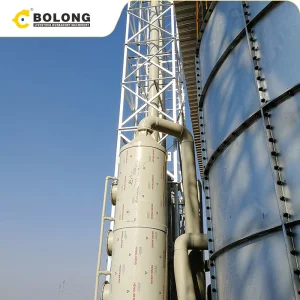
Modern municipalities surrounding processing centers are imposing strict limits on volatile organic compounds and ammonia emissions. Closed-loop, negative-pressure bio-filters and chemical scrubbing mechanisms are now standard in state-of-the-art poultry byproduct processing.
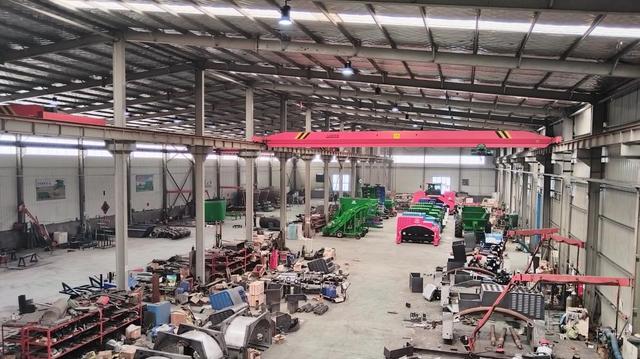
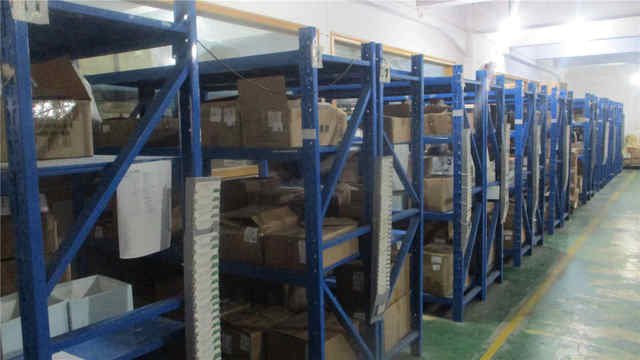
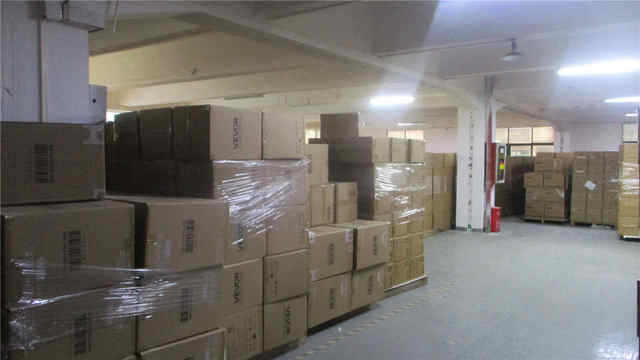
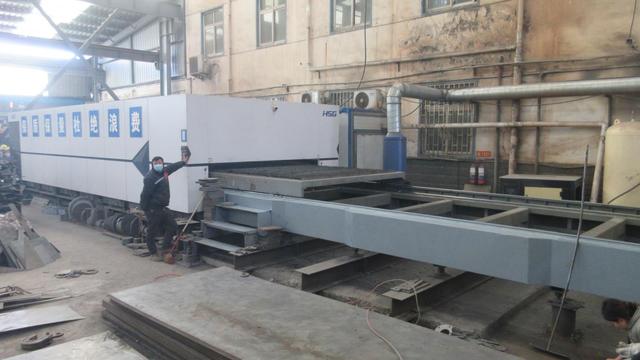
Chengdu AgBio Energy Co., Ltd. operates a highly standardized, ISO-compliant manufacturing plant spanning 16,000 square meters. Our integration of Factory 4.0 principles ensures that our OEM and ODM services are robust, highly customizable, and completed with strict quality control. From automated welding gantries to advanced CNC metal processing, we ensure that every stainless steel fermentation vessel and organic waste composter has consistent thickness, structural integrity, and thermal efficiency.
By leveraging China's comprehensive industrial supply chain, we secure premium structural steels, specialized motor-gearbox assemblies, and advanced electronics (like Siemens PLC modules) at optimal cost structures. This allows us to pass massive capital expenditure (CAPEX) savings to our global clients without compromising structural longevity or operational safety. Our 230+ employees work in dedicated production blocks, ensuring synchronous processing of multiple large-scale overseas orders.
For international buyers, distributors, and municipal operators, sourcing a waste solution manufacturer requires aligning complex technical needs. We meet these requirements across four critical pillars:
Every commercial poultry facility has its own throughput, spatial constraints, and input mixtures. We provide custom engineering options for daily treatment capacities ranging from 1 ton to over 100 tons. Our R&D team works closely with project contractors to design physical layouts, feed mechanisms, and discharge setups that slot directly into pre-existing plant infrastructure.
Poultry waste produces highly corrosive chemical environments, specifically rich in sulfuric acid, ammonia, and high-salinity runoffs. We mitigate chemical degradation by fabricating high-contact parts from premium SUS304 or SUS316L stainless steels, extending the operational life of vessels to over 15 years.
Aerobic digestion is exothermic. Our engineering designs incorporate advanced thermal insulation jackets and hot-air recirculation loops. By recycling biological heat, we significantly minimize the reliance on auxiliary electric heaters, slashing daily utility costs by up to 45% compared to conventional composting systems.
We build our waste treatment solutions in strict accordance with European CE directives, UL standards, and ISO 9001:2015 frameworks. We support environmental permits by providing full engineering design packages, structural calculations, and exhaust air validation profiles.
Our systems are deployed across various operating contexts around the world, proving their adaptability and efficiency.
Direct processing of raw litter, manure, and mortalities at the farm gate. Eliminates long-distance transport costs and bio-security containment risks by converting waste into stable fertilizer directly on-site.
Handling offal, feather, and dissolved air flotation (DAF) sludge. The combination of high-temperature digestion and biological inoculants rapidly breaks down complex lipids and proteins into odorless organic soil additives.
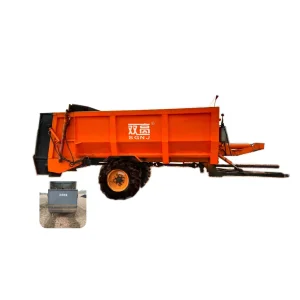
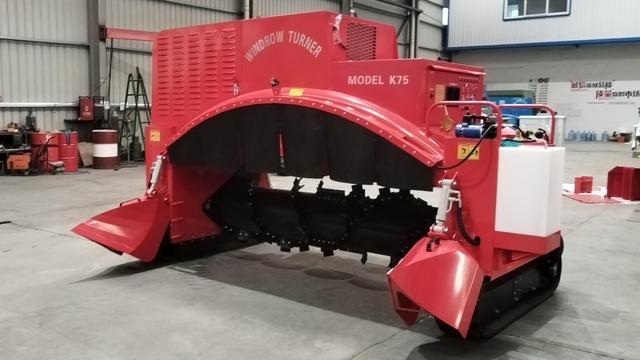
Integrating poultry waste with municipal green waste and food waste. Using our heavy-duty compost turners and granulators, operators produce premium commercial compost pellets for agriculture and retail distribution.
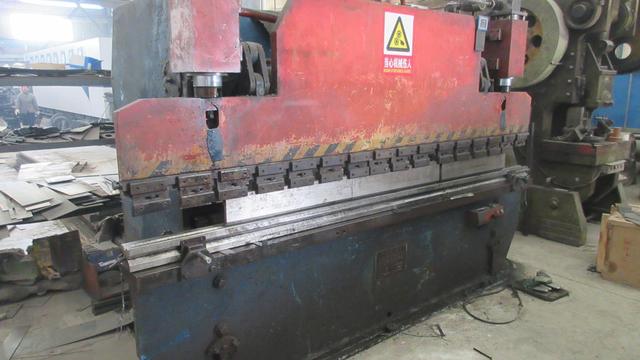
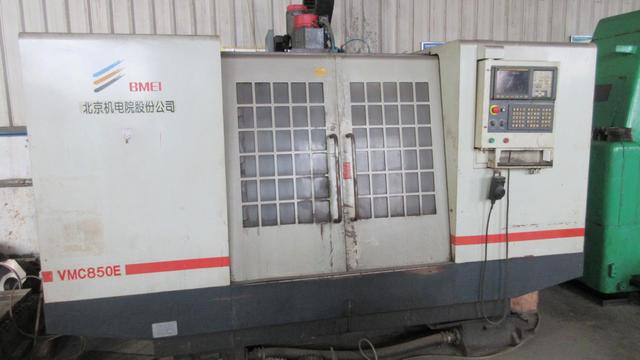
Established in 2013 and headquartered in the high-tech manufacturing corridors of Chengdu, Sichuan Province, China, Chengdu AgBio Energy Co., Ltd. has dedicated over a decade to the research, development, and scaling of organic waste composting equipment, food waste recycling systems, and sustainable waste treatment plants.
Our expansive, modern manufacturing plant encompasses more than 16,000 square meters, equipped with cutting-edge heavy fabrication machinery. Our core team consists of over 230 experienced engineers, automation experts, and biochemical specialists who collaborate to help businesses, agricultural operators, and municipalities globally transition to circular waste frameworks.
Our product portfolio reaches every stage of biological conversion, comprising organic waste composting machines, food waste treatment systems, aerobic fermentation equipment, agricultural waste recycling solutions, manure composting systems, organic fertilizer production lines, and intelligent composting management software. Through our specialized OEM and ODM service channels, we translate complex site parameters into reliable, long-lasting capital equipment.
Find answers to key technical questions about the operation, design, and customization of our poultry byproduct waste solutions.
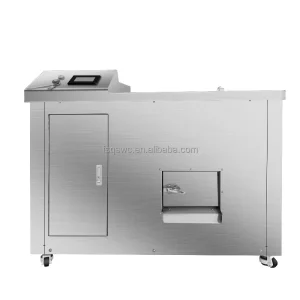
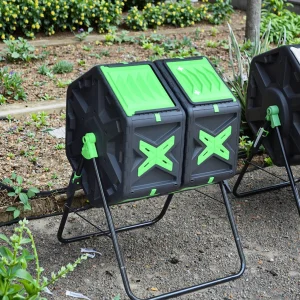
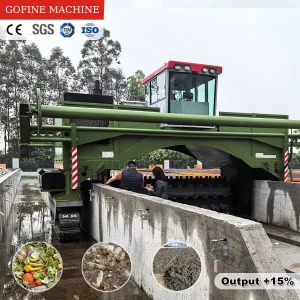
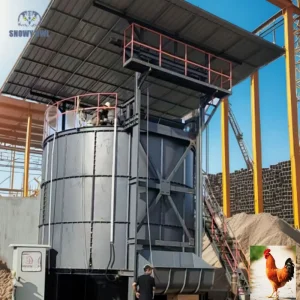
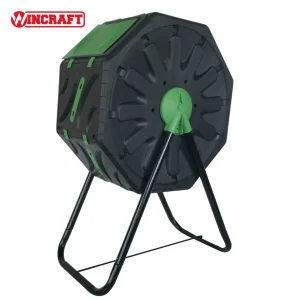
Complementary equipment designs for fertilizer production lines, municipal operations, and agricultural processing systems.
 AgBio Energy