♻️
Organic Fertilizer Fermentation Solution
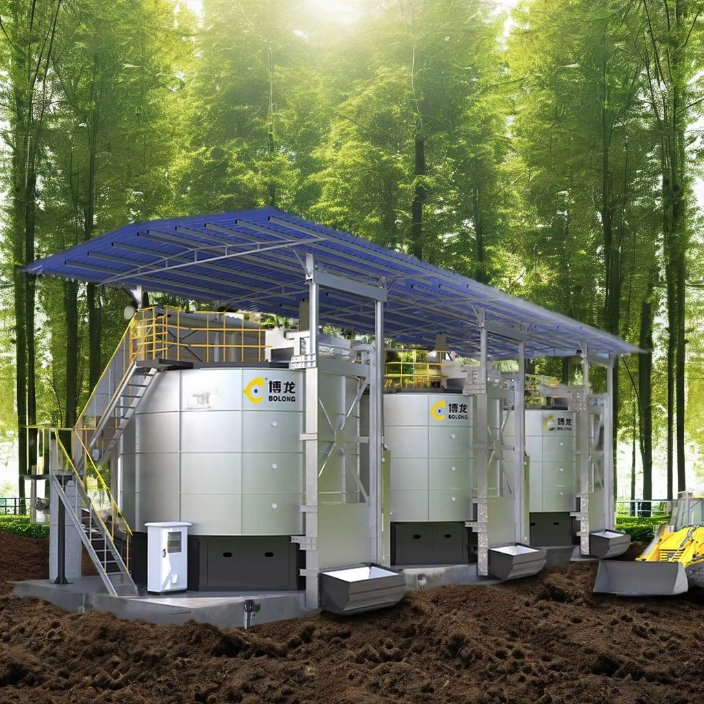
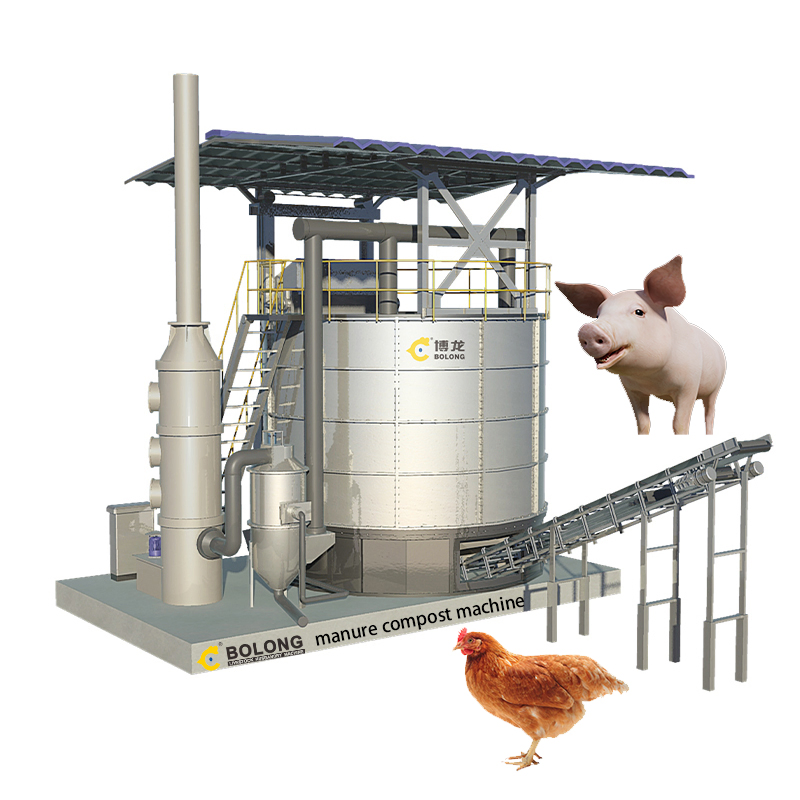
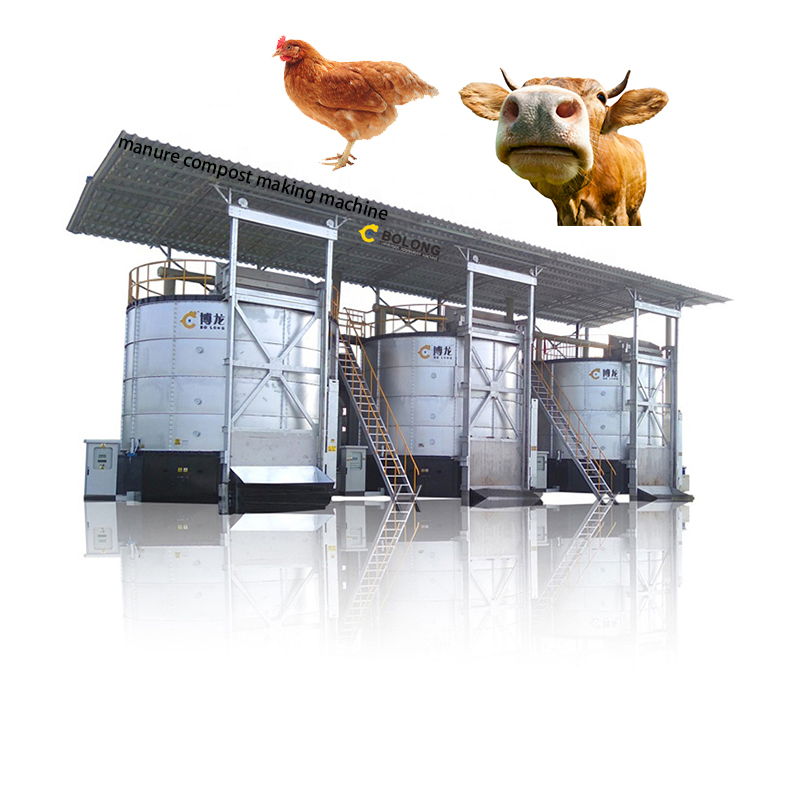
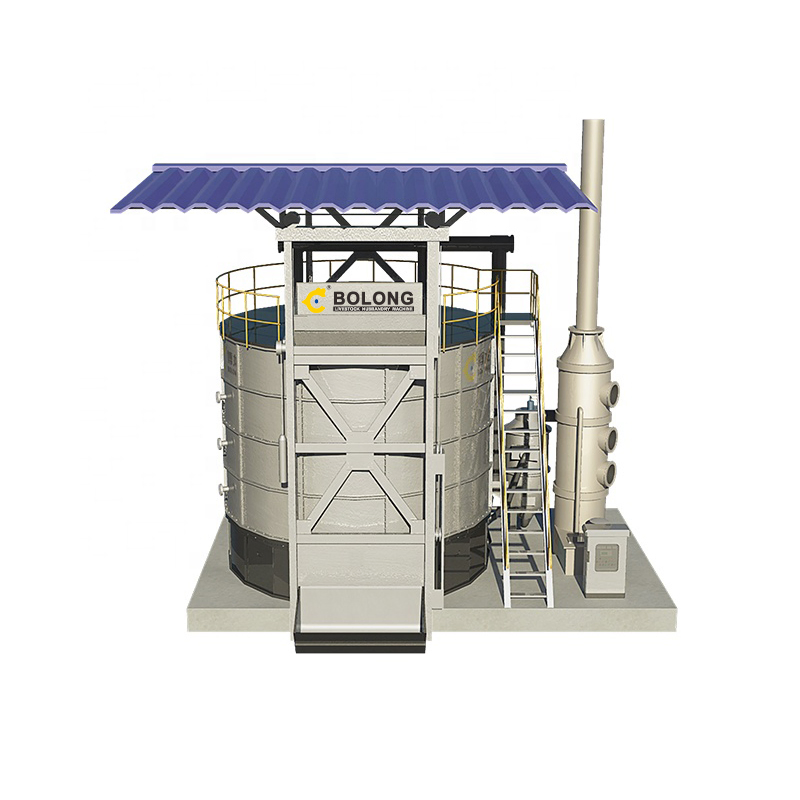
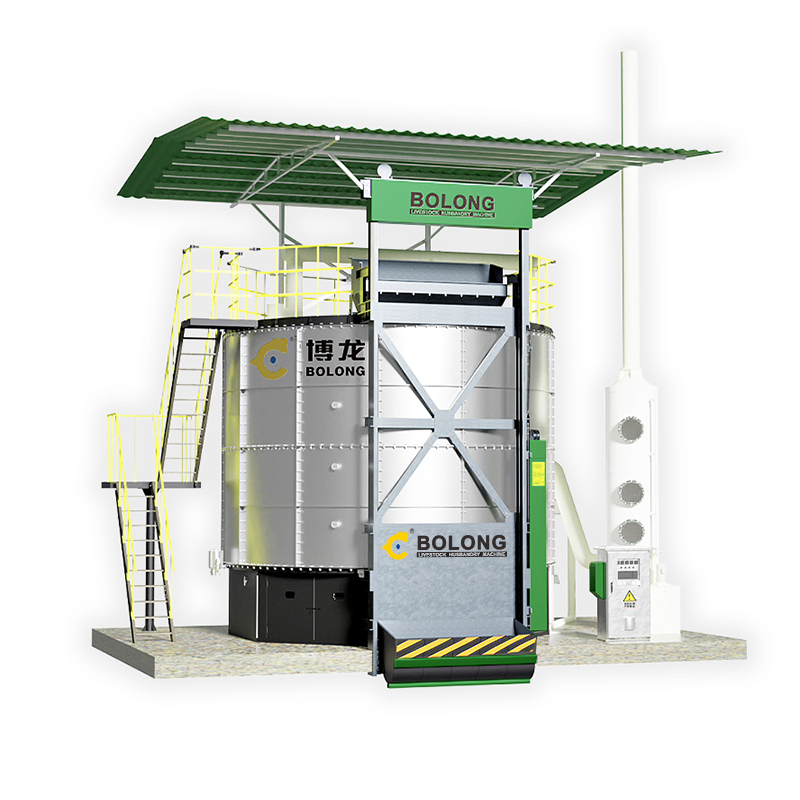
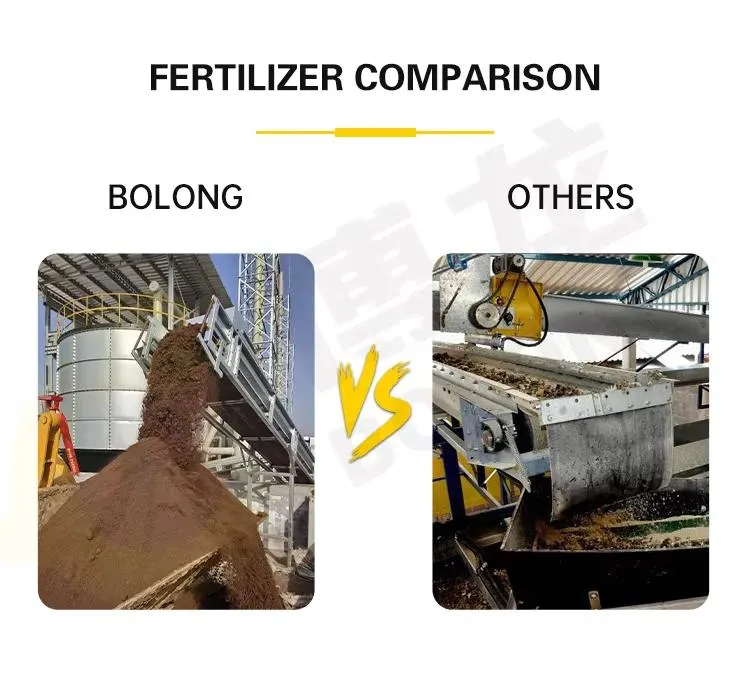
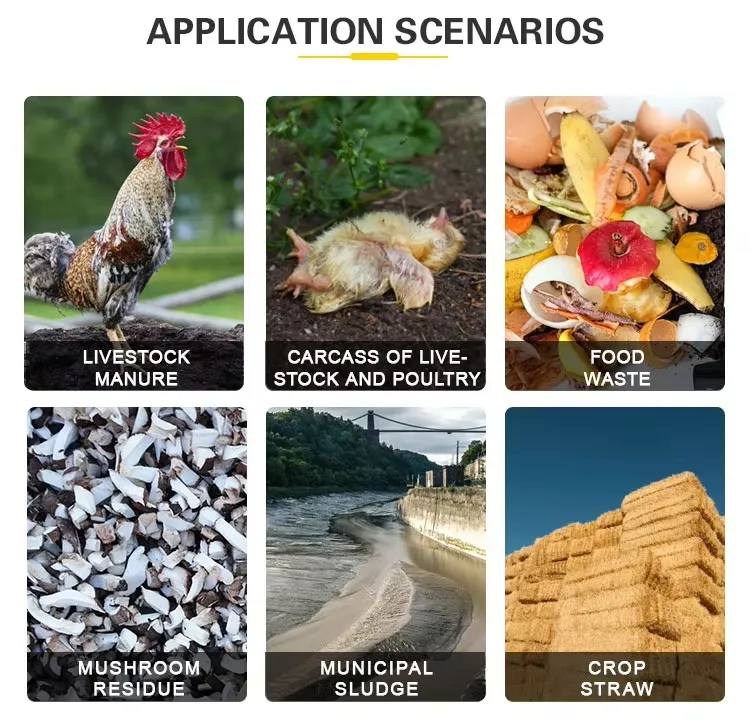
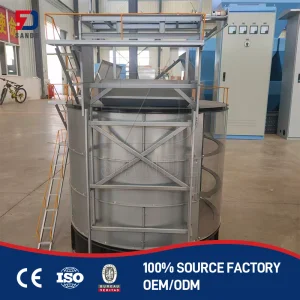
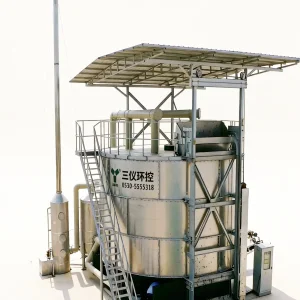
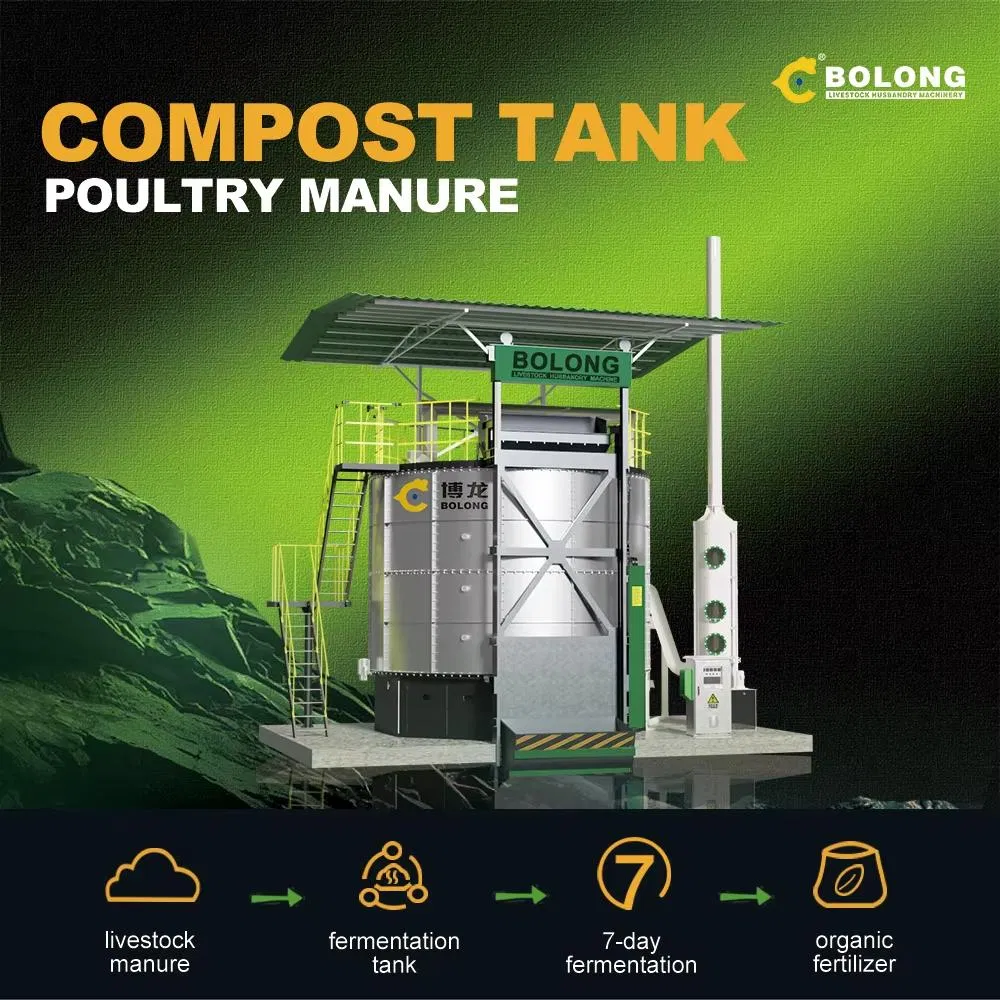
An organic fertilizer fermentation tank is a device that converts organic solid waste into organic fertilizer through aerobic fermentation of microorganisms in a closed container. It utilizes the decomposition of microorganisms in nature, matures the materials through high temperature and microbial activity, kills harmful substances and reduces the moisture content and volume of the materials.
⚙️ Working Principle
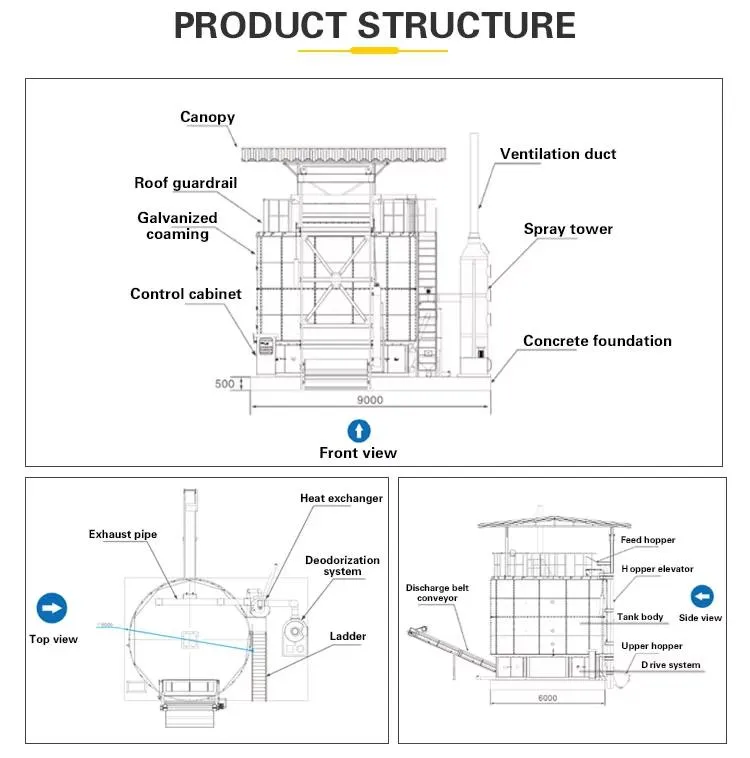
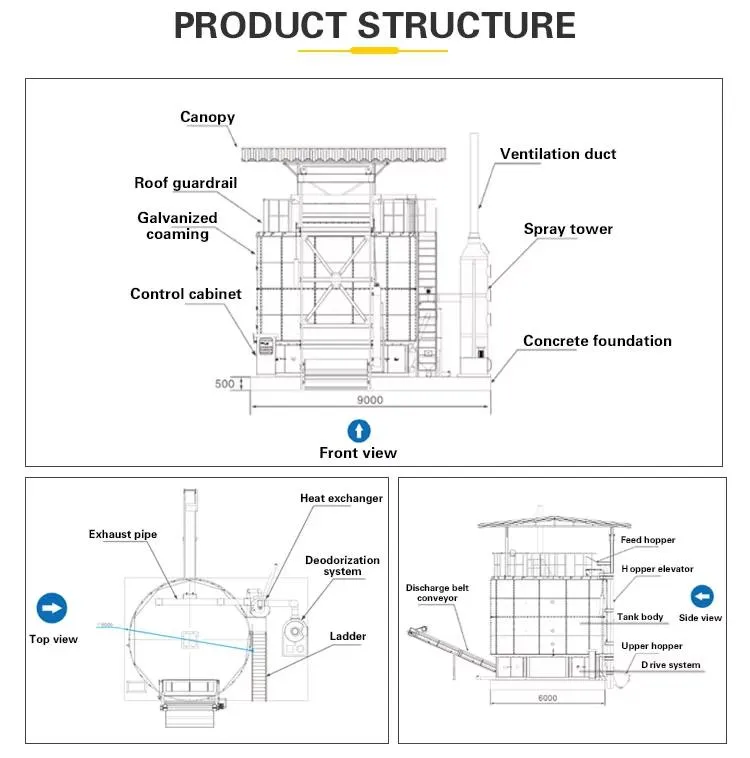
The working principle of the organic fertilizer fermentation tank is to deliver oxygen to the materials in the tank through a vortex air pump, and continuously turn the materials under the action of the stirring shaft to maintain the activity of aerobic bacteria. These microorganisms will gradually heat up to 50-65 degrees, and after about 7 days of high-temperature fermentation, they will effectively kill insect eggs, pathogens and weed seeds, and reach the standards of harmless and reduced treatment. The entire fermentation process is highly automated, which reduces manual operation links and improves production efficiency.
🌱
Agricultural & Livestock Benefits
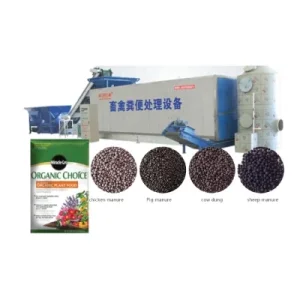
In livestock farming, incorporation of fermentation technology can highly enhance feed nutritional value. Processed via microbial action, fermented livestock and poultry excreta becomes biofertilizer rich in nitrogenous compounds like ammonia, urea, nitrates or nitrites; phosphorous as phosphate salts; potassium ions; and organic matter. It enhances waste utilization. Organic fertilizers not only enhance soil fertility but also promote improved plant growth leading to high yields.
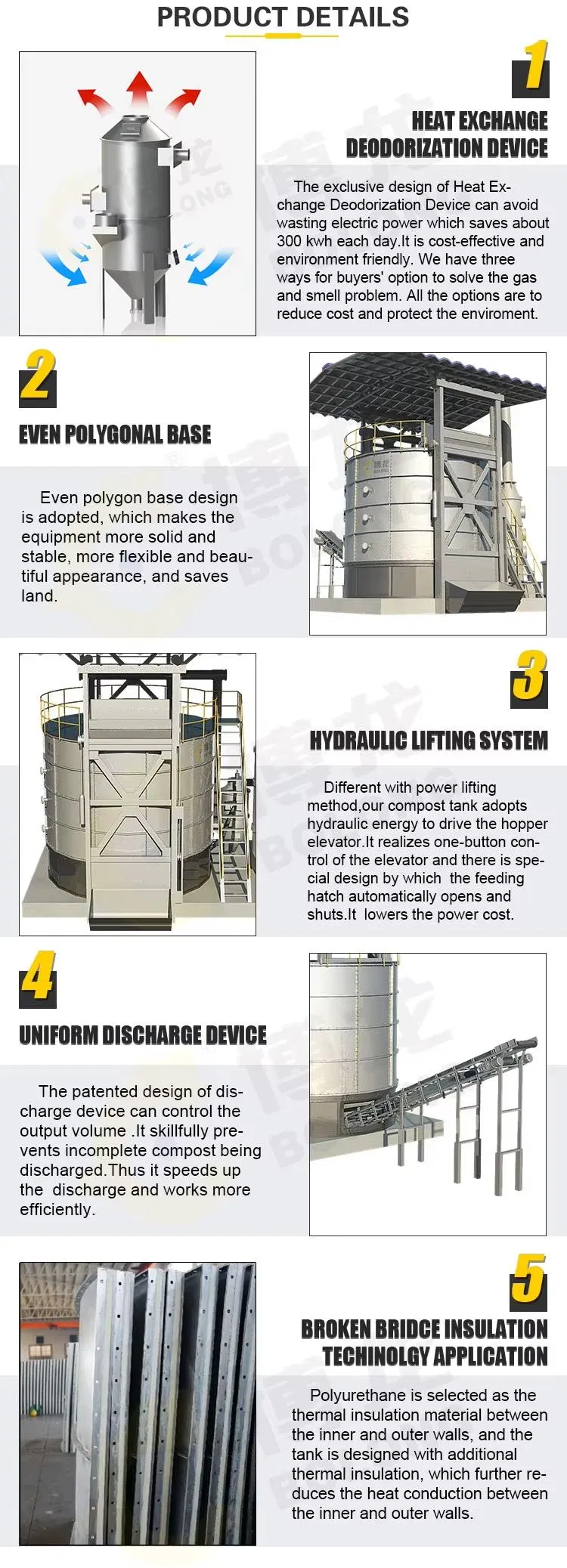
In general, as an important environmental protection equipment, organic fertilizer fermentation tank is beneficial to the development of agriculture and animal husbandry. In the pursuit of sustainable development today, organic fertilizer fermentation tank will play its advantages in more fields.
❓
Frequently Asked Questions
How long does the fermentation process take?
The high-temperature fermentation process typically takes about 7 days to complete, transforming waste into harmless biofertilizer.
What temperature is reached inside the tank?
Microbial activity within the tank causes the temperature to rise to 50-65 degrees Celsius, which is optimal for killing pathogens and weed seeds.
Is the operation of the fermentation tank manual?
No, the process is highly automated. It uses a vortex air pump for oxygen delivery and a stirring shaft for constant material turning, reducing manual labor.
What kind of nutrients are found in the end product?
The resulting biofertilizer is rich in nitrogenous compounds (ammonia, urea, nitrates), phosphorous, potassium ions, and high-quality organic matter.
Can this machine handle poultry waste?
Yes, it is specifically designed to convert livestock and poultry excreta into valuable organic fertilizer, aiding in waste utilization.
How does it benefit soil health?
The organic fertilizer produced enhances soil fertility, promotes plant growth, and supports sustainable agricultural practices by improving crop yields.
 AgBio Energy