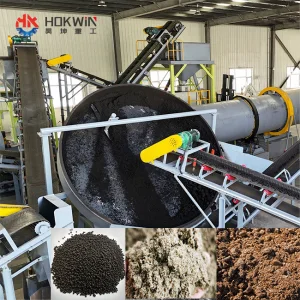
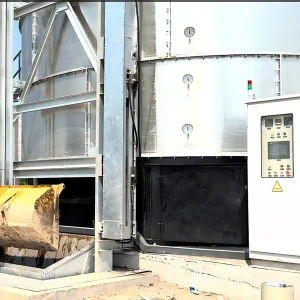
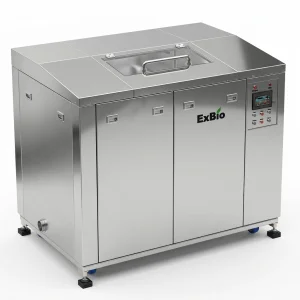
Engineered systems designed for maximum nutrient recovery and process efficiency.
In the era of ESG (Environmental, Social, and Governance) mandates and the global shift toward a circular economy, the "Top 10 Composting Process Optimization Technology Suppliers" are no longer just equipment manufacturers. They have evolved into Bio-Resource Engineers. This report analyzes the integration of Internet of Things (IoT), AI-driven microbial management, and advanced thermodynamic control within the composting sector.
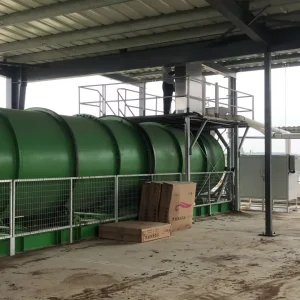
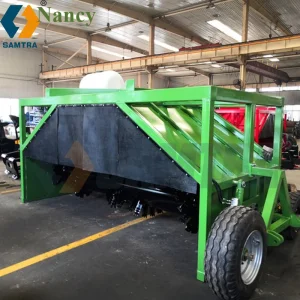
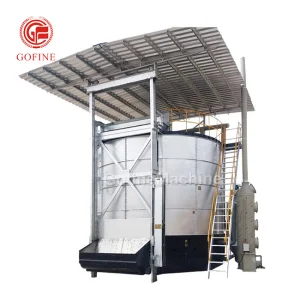
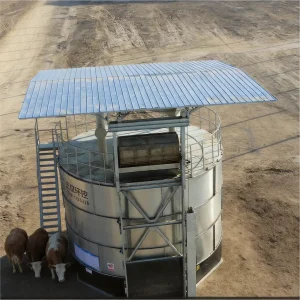
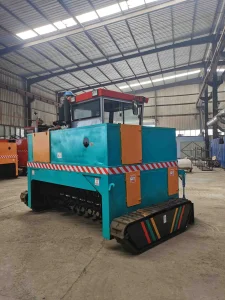
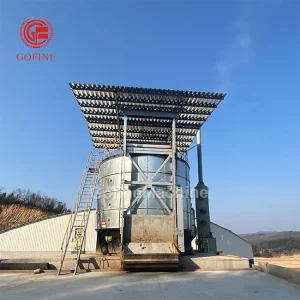
Traditional windrow composting is being rapidly replaced by In-Vessel Composting (IVC) and Vertical Aerobic Fermentation. These technologies optimize the three critical pillars of organic degradation:
Through precise thermophilic phase control.
Reduction from months to days via bio-acceleration.
Advanced bio-filtration and airtight vessel tech.
International procurement departments in the municipal and agricultural sectors have shifted their evaluation criteria. Current procurement benchmarks include:
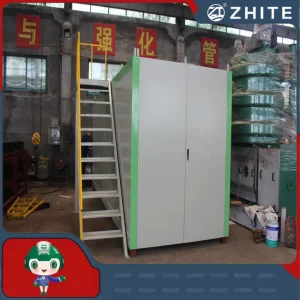
Fully-automated, indoor systems designed for urban centers with zero-leachate and zero-odor requirements.
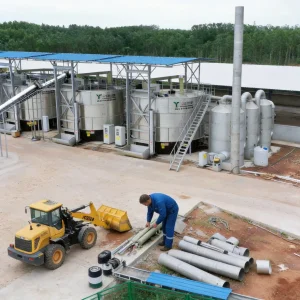
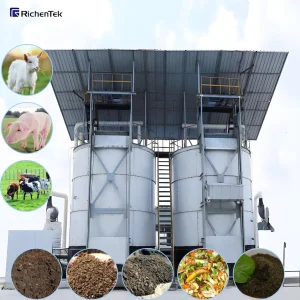
Large-scale vertical fermentation tanks for livestock manure management and high-quality organic fertilizer production.
Specialized solid-liquid separation and fermentation for dairy farms to produce hygienic, recycled bedding.
Chengdu AgBio Energy Co., Ltd. is a professional manufacturer specializing in organic waste composting equipment, food waste recycling systems, and sustainable waste treatment solutions. Established in 2013 and headquartered in Chengdu, Sichuan Province, China, the company is dedicated to helping businesses, agricultural operations, municipalities, and environmental service providers transform organic waste into valuable resources.
With a modern manufacturing facility covering more than 16,000 square meters and a team of over 230 employees, AgBio Energy delivers efficient and environmentally responsible waste management technologies to customers around the world.
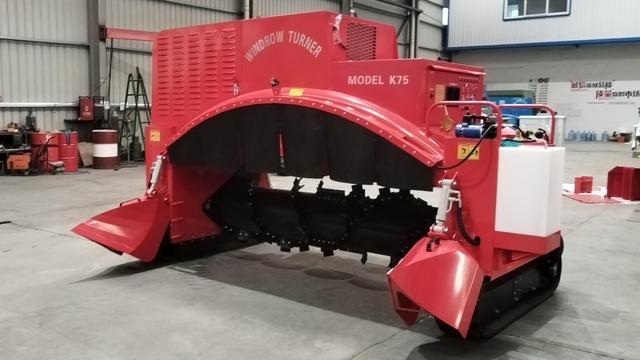
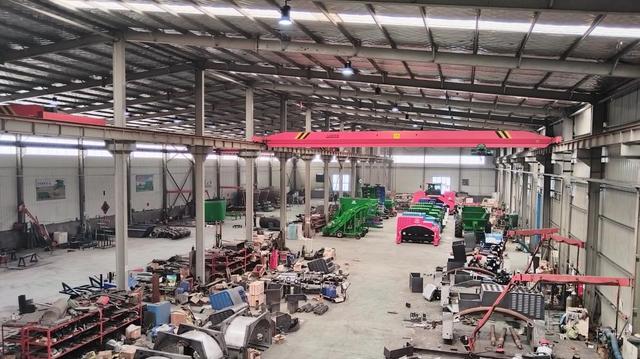
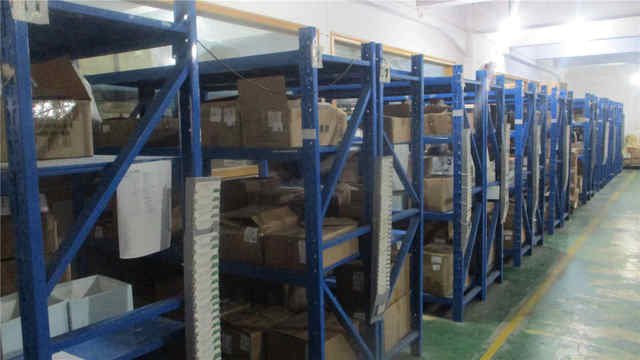
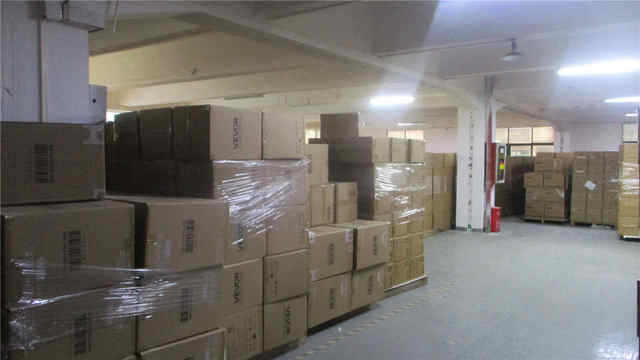
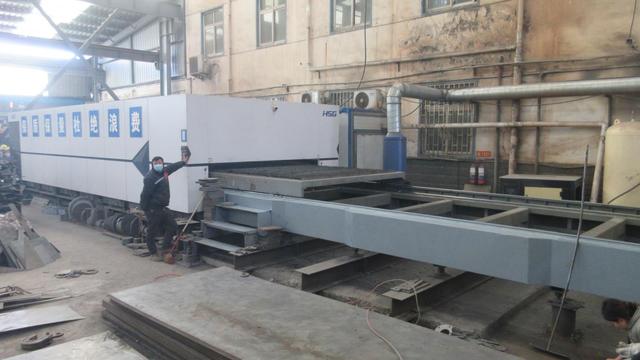
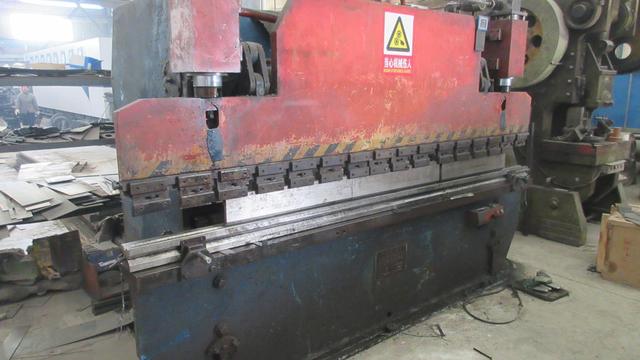
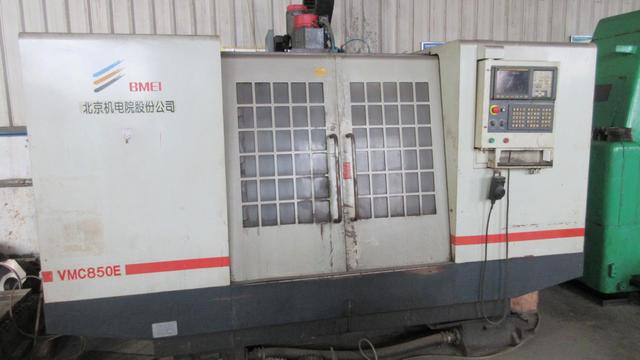
The company integrates engineering expertise, process optimization, and advanced manufacturing technologies to develop reliable composting and organic waste recycling systems. AgBio Energy operates modern production workshops, assembly lines, and testing facilities to ensure product quality, operational efficiency, and long-term reliability. Strict quality management procedures are implemented throughout product development, manufacturing, installation, and customer support processes.
As we look toward 2030, the composting industry is moving toward "Smart Decentralization." Key milestones in our technology roadmap include:
Integration of AI sensors to adjust airflow based on real-time CO2 and O2 consumption rates.
Injecting specific microbial strains during the cooling phase to enhance fertilizer phosphorus and nitrogen levels.
Providing end-to-end traceability for organic waste, allowing brands to claim "Net Zero" waste production.
Navigating global environmental regulations is a core competency. Our systems are built to comply with:
Technical insights for engineering and procurement professionals.
Explore our full range of waste-to-energy and waste-to-resource solutions.
 AgBio Energy