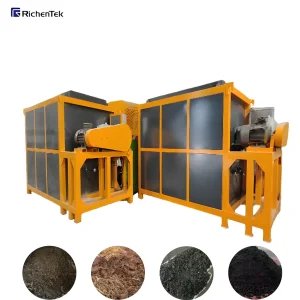
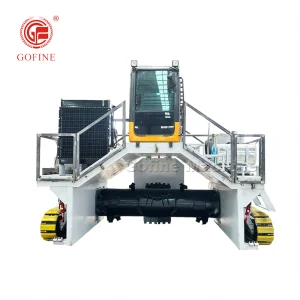
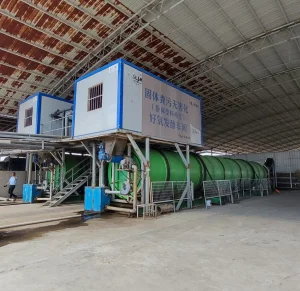
Engineered for high-humidity tropical climates and rapid organic degradation.
As the primary economic engine of Thailand, Bangkok faces a pivotal moment in waste management. With the city producing over 10,000 tons of waste daily, the Bangkok Metropolitan Administration (BMA) has intensified its focus on the "Bio-Circular-Green" (BCG) economic model. This strategic shift demands high-efficiency aerobic composting equipment that can handle large volumes of food waste, municipal solid waste (MSW), and agricultural byproducts from the surrounding provinces like Pathum Thani and Samut Prakan.
The local industrial landscape in Bangkok is shifting from traditional landfilling to Value-Added Resource Recovery. Modern aerobic composting manufacturers are now providing solutions that integrate AI-driven moisture control and automated aeration systems specifically designed to thrive in Thailand’s high-temperature, high-humidity environment. This localization ensures that the thermophilic phase of composting is maintained consistently, achieving pathogens destruction and high-quality organic fertilizer production in record time.
Equipment calibrated for 30°C+ ambient temperatures, preventing overheating while maintaining optimal microbial activity.
Full alignment with Thailand's Department of Agriculture standards for organic fertilizer (OM-specifications).
Low-consumption motors and heat recovery systems to reduce operational overhead for Thai businesses.
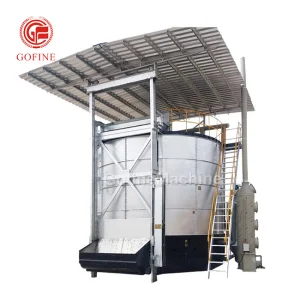
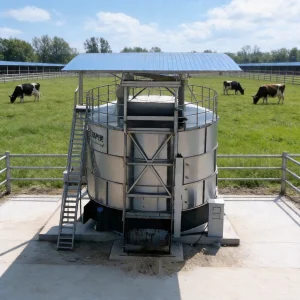
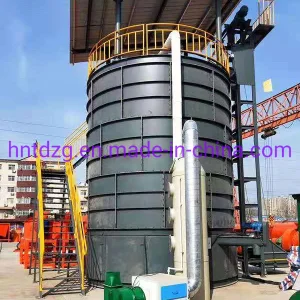
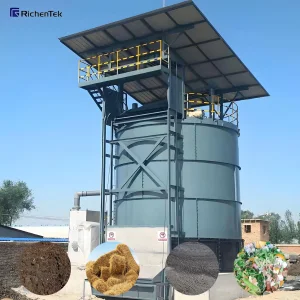
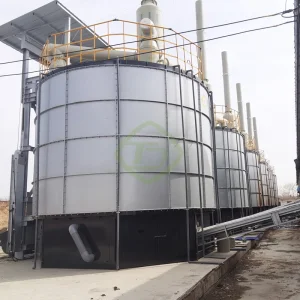
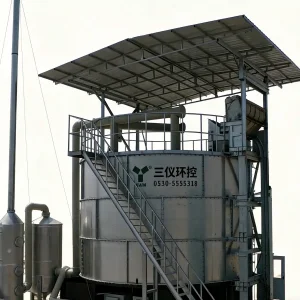
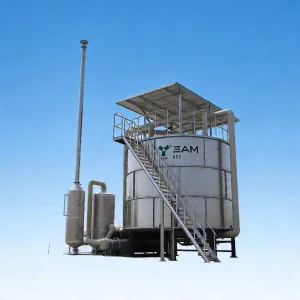
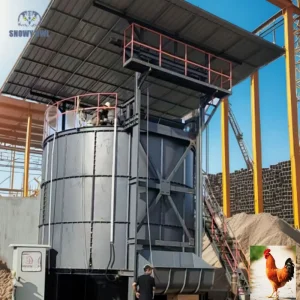
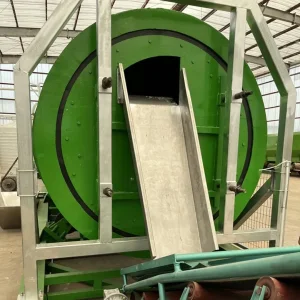
Globally, the aerobic composting equipment market is undergoing a technological revolution. Moving beyond simple windrow turners, the industry has embraced In-Vessel Composting (IVC) and Vertical Fermentation Towers. These systems minimize the land footprint—a critical factor for space-constrained industrial zones in Bangkok—and provide 100% odor control through advanced bio-filtration and plasma scrubbing technologies.
Manufacturers like Chengdu AgBio Energy are at the forefront of this global trend, exporting robust systems that combine Chinese manufacturing prowess with international environmental standards. By utilizing "Information Gain" from diverse global projects, we offer Bangkok clients insights into carbon credit monetization (T-VER) and ESG reporting benefits that traditional local suppliers might overlook.
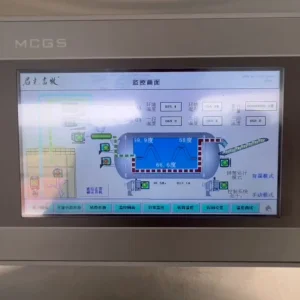
Real-time monitoring of C:N ratios, oxygen levels, and temperature via mobile apps, allowing Bangkok plant managers to oversee operations remotely.
Plug-and-play modules that grow with your business. Start with 5 tons/day and scale to 100 tons/day without replacing the core infrastructure.
Usage of 304/316L stainless steel and specialized coatings to withstand the acidic nature of food waste and the saline humidity of coastal Bangkok.
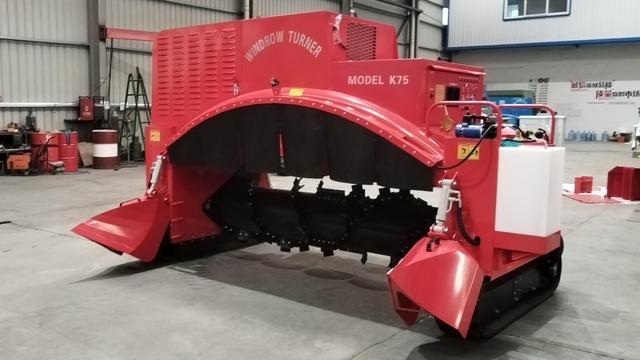
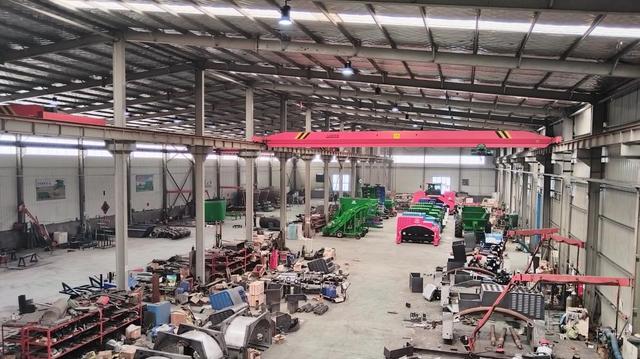
Chengdu AgBio Energy Co., Ltd. is a professional manufacturer specializing in organic waste composting equipment, food waste recycling systems, and sustainable waste treatment solutions. Established in 2013 and headquartered in Chengdu, Sichuan Province, China, the company is dedicated to helping businesses, agricultural operations, municipalities, and environmental service providers transform organic waste into valuable resources. With a modern manufacturing facility covering more than 16,000 square meters and a team of over 230 employees, AgBio Energy delivers efficient and environmentally responsible waste management technologies to customers around the world.
The company's product portfolio includes organic waste composting machines, food waste treatment systems, aerobic fermentation equipment, agricultural waste recycling solutions, manure composting systems, organic fertilizer production lines, municipal bio-waste treatment equipment, and intelligent composting management systems. These solutions are widely used in farms, food processing facilities, restaurants, hotels, commercial waste treatment centers, agricultural cooperatives, and municipal environmental projects.
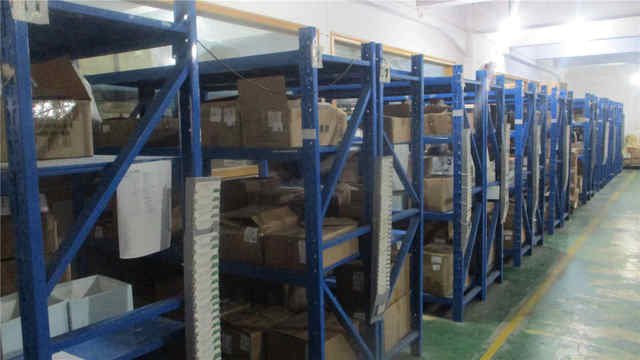
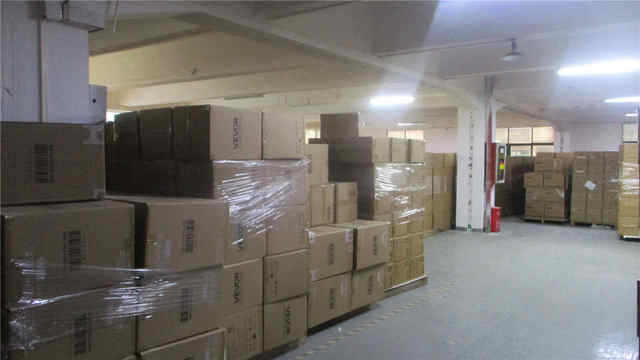
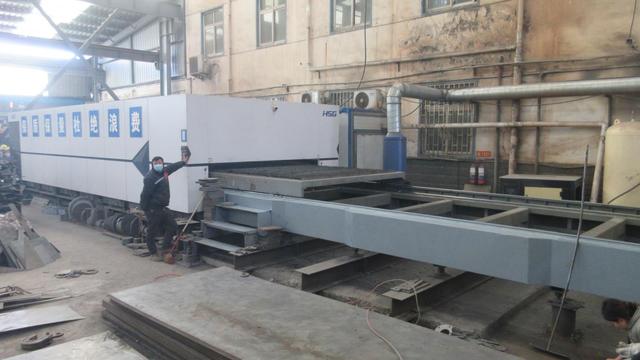
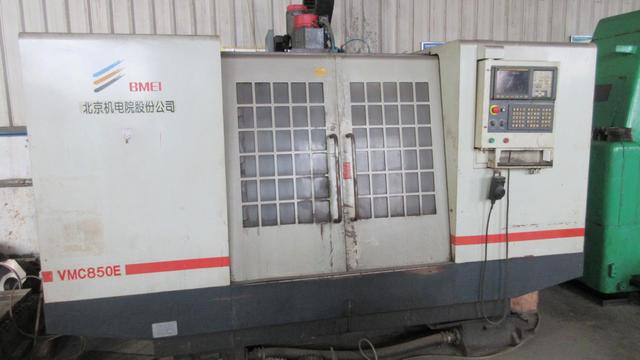
AgBio Energy integrates engineering expertise, process optimization, and advanced manufacturing technologies to develop reliable composting and organic waste recycling systems. The company operates modern production workshops, assembly lines, and testing facilities to ensure product quality, operational efficiency, and long-term reliability. Strict quality management procedures are implemented throughout product development, manufacturing, installation, and customer support processes.
In addition to standard equipment, AgBio Energy offers OEM and ODM services, providing customized waste treatment solutions tailored to specific project requirements, processing capacities, and operational environments. The company works closely with environmental organizations, agricultural enterprises, waste management operators, and project contractors worldwide.
Committed to innovation, sustainability, and resource recovery, Chengdu AgBio Energy Co., Ltd. continues to support global efforts toward circular economy development, landfill reduction, and environmentally responsible organic waste management through advanced composting and recycling technologies.

Navigating the Industrial Estate Authority of Thailand (IEAT) or the Pollution Control Department (PCD) requirements can be complex. AgBio Energy provides comprehensive documentation, emission test reports, and technical drawings to assist our Bangkok partners in obtaining necessary permits.
Our engineers provide site-layout planning and C:N ratio balancing for Thai-specific feedstocks like palm oil mill effluent (POME) or sugarcane bagasse.
We maintain a strategic partnership network in SE Asia to ensure rapid delivery of wear parts, minimizing downtime for your facility.
Localized training modules for Thai operators, focusing on biological health monitoring and preventive maintenance.
Scalable aerobic systems for municipal, commercial, and agricultural sectors.
High humidity can lead to anaerobic conditions if aeration is insufficient. Our equipment features adjustable high-pressure air injection and humidity sensors to ensure that the composting pile remains aerobic and free from unpleasant odors, even during the monsoon season.
Depending on the waste type and fertilizer market price, most Bangkok industrial projects see an ROI within 18 to 36 months, driven by reduced waste disposal fees and the sale of high-quality organic fertilizer.
Yes. Our high-temperature fermentation cycle (60-70°C) ensures that pathogens and weed seeds are neutralized, meeting the strict standards of the Thai Department of Agriculture for "Premium Grade" organic fertilizer.
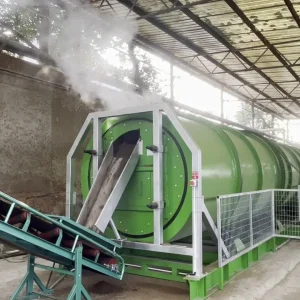
Absolutely. We specialize in custom engineering (OEM/ODM). Our modular designs allow us to fit aerobic fermenters into tight footprints common in Bangkok’s industrial zones like Bang Na or Lat Krabang.
The future of Aerobic Composting in Bangkok lies in "Zero-Human" operation and total carbon sequestration. We are currently developing next-generation fermenters that utilize machine learning to predict the end-point of the composting cycle with 99% accuracy. This "Predictive Composting" will allow Bangkok facilities to maximize throughput and minimize energy waste.
Furthermore, as Thailand moves toward a Carbon Credit economy, our equipment will include integrated data logging to certify methane avoidance. This means that a composting plant in Bangkok will not only produce fertilizer but also generate tradable carbon offsets, adding a third layer of profitability to the waste-to-resource model.
 AgBio Energy