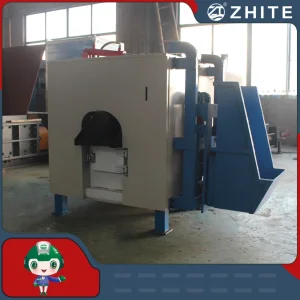
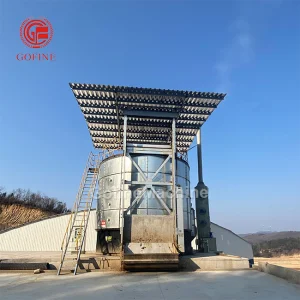
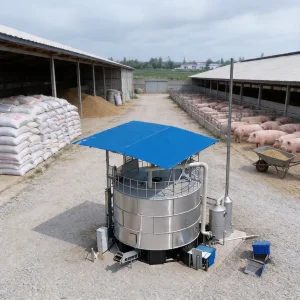
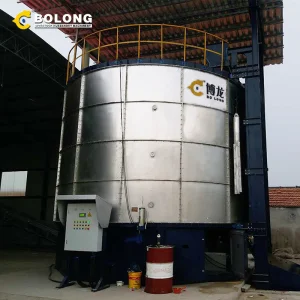
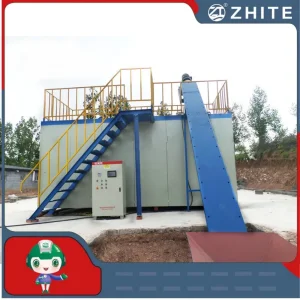
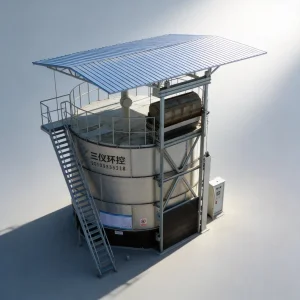
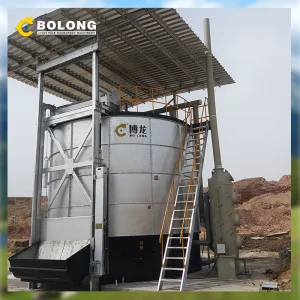
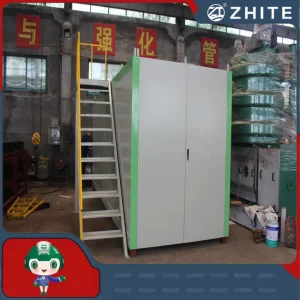
Highly automated aerobic digestion units configured for the demanding agricultural and processing sectors of Timor-Leste.
As Timor-Leste undergoes rapid economic growth, balancing urban expansion in Dili with sustainable agricultural practices in the surrounding districts (such as Ermera, Liquiçá, and Bobonaro) has become a primary national objective. Organic waste represents more than 60% of the municipal solid waste generated daily. Standard landfill practices at the Tibar facility are reaching capacity, highlighting the urgent need for localized, highly efficient bio-recycling solutions.
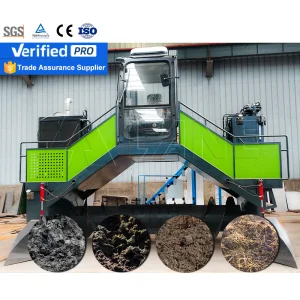
In rural economies, coffee cultivation is the backbone of export revenue. The processing of organic coffee generates vast amounts of coffee pulp and cherry husks. If left untreated, this organic byproduct undergoes anaerobic decomposition, releasing harmful greenhouse gases and acidic runoff into local waterways. Utilizing advanced **Automatic Composting Machines** engineered by Chengdu AgBio Energy Co., Ltd. allows farms to convert these waste materials into nutrient-rich organic fertilizer, returning key micro-elements back to the soil.
Furthermore, the expansion of poultry and pig farms across the nation requires high-temperature fermentation setups to eliminate pathogens (such as Salmonella and E. coli). Our machinery is built to function reliably in tropical climates, dealing with heavy monsoons, high humidity, and fluctuating voltage grids typical of remote island economies.
Request Custom Factory LayoutSqm Production Base
R&D Experience
Technical Engineers
Global Certifications
Built for resilience, ease of maintenance, and high throughput. Our systems incorporate German thermal engineering with heavy-duty structural frames.
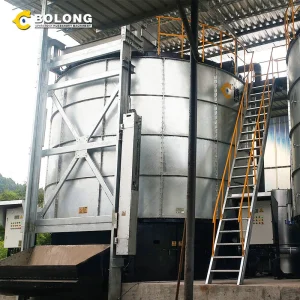
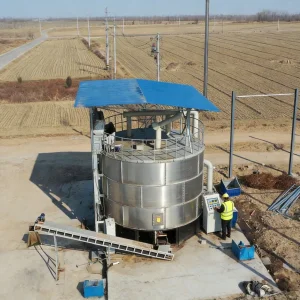
Food waste and agricultural manures contain highly corrosive acids and salts. The inner fermentation chamber is fabricated with heavy-gauge stainless steel to ensure a service life of over 15 years.
Features Siemens or Schneider PLC system with customized settings for moisture input, air ventilation cycles, and oil-jacket heating, enabling operators to manage operations with minimal manual oversight.
Thick polyurethane foam layer prevents heat loss, ensuring thermophilic activity is self-sustaining. Modern heat exchangers recycle waste hot air to preheat inlet air, minimizing energy footprint.
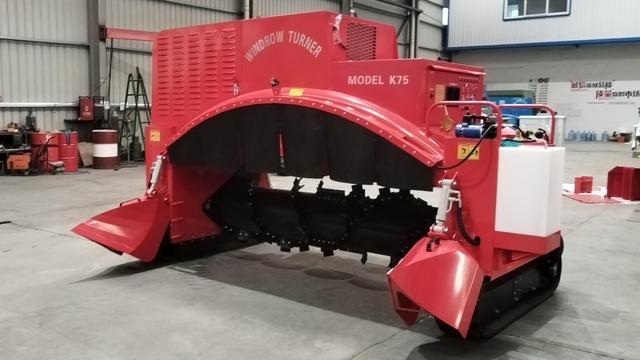
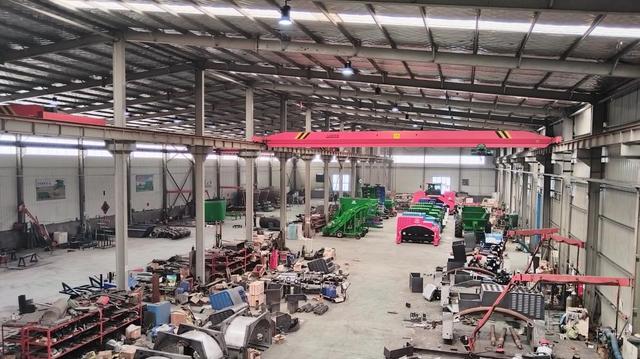
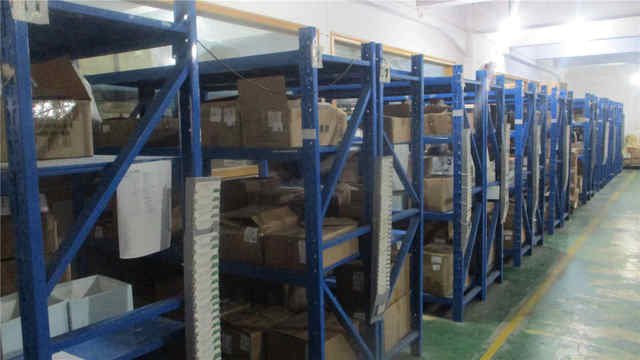
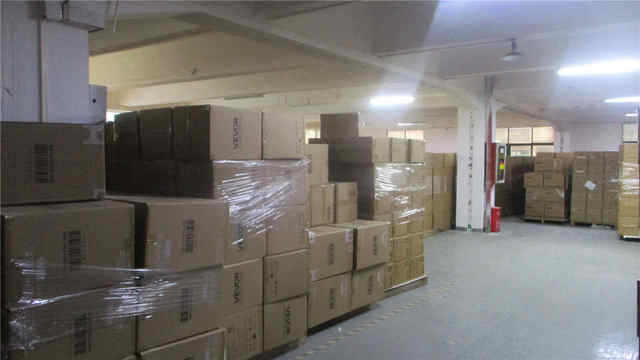
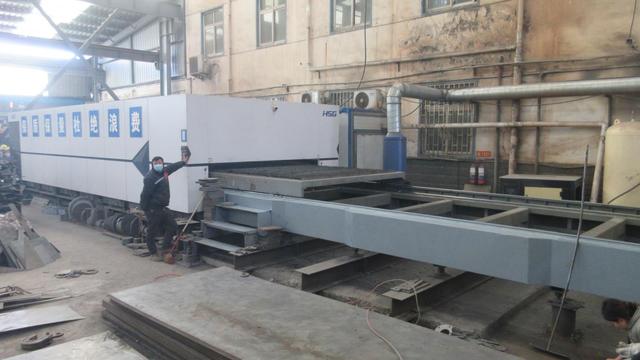
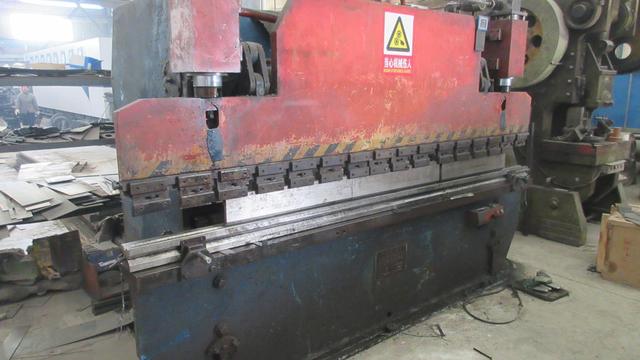
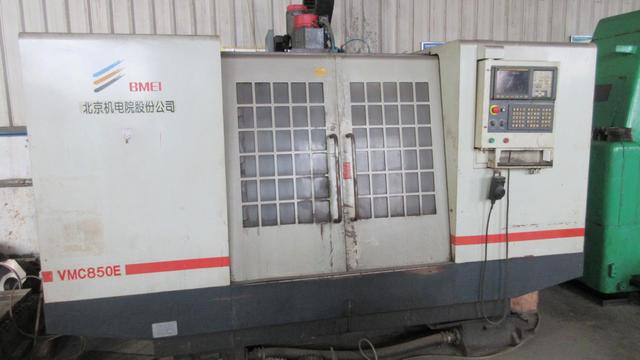
Chengdu AgBio Energy Co., Ltd. is a professional manufacturer specializing in organic waste composting equipment, food waste recycling systems, and sustainable waste treatment solutions. Established in 2013 and headquartered in Chengdu, Sichuan Province, China, the company is dedicated to helping businesses, agricultural operations, municipalities, and environmental service providers transform organic waste into valuable resources. With a modern manufacturing facility covering more than 16,000 square meters and a team of over 230 employees, AgBio Energy delivers efficient and environmentally responsible waste management technologies to customers around the world.
The company's product portfolio includes organic waste composting machines, food waste treatment systems, aerobic fermentation equipment, agricultural waste recycling solutions, manure composting systems, organic fertilizer production lines, municipal bio-waste treatment equipment, and intelligent composting management systems. These solutions are widely used in farms, food processing facilities, restaurants, hotels, commercial waste treatment centers, agricultural cooperatives, and municipal environmental projects.
AgBio Energy integrates engineering expertise, process optimization, and advanced manufacturing technologies to develop reliable composting and organic waste recycling systems. The company operates modern production workshops, assembly lines, and testing facilities to ensure product quality, operational efficiency, and long-term reliability. Strict quality management procedures are implemented throughout product development, manufacturing, installation, and customer support processes.
In addition to standard equipment, AgBio Energy offers OEM and ODM services, providing customized waste treatment solutions tailored to specific project requirements, processing capacities, and operational environments. The company works closely with environmental organizations, agricultural enterprises, waste management operators, and project contractors worldwide.
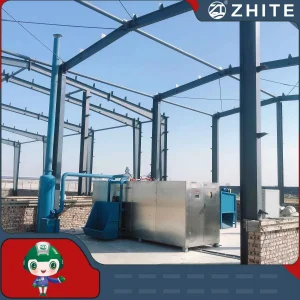
A broad catalog of aerobic fermentation vessels, organic waste turners, and separation lines designed to optimize your recycling operations.
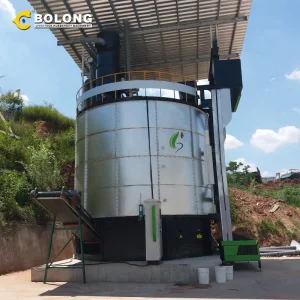
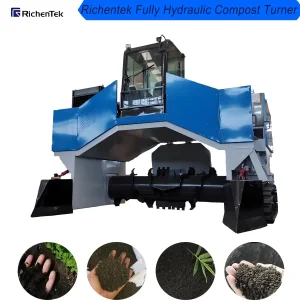
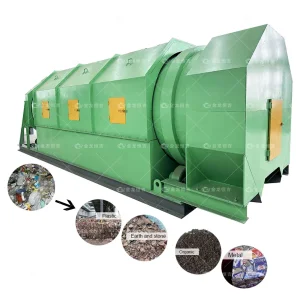
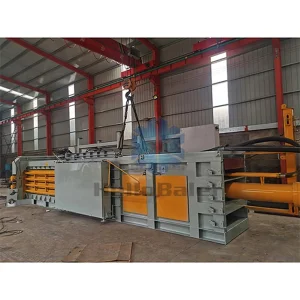
From the Port of Shanghai/Chengdu hubs directly to the Port of Tibar Bay, we ensure a smooth, worry-free delivery and commissioning process.
With the opening of the Tibar Bay Deepwater Port, handling heavy industrial machinery has become far more efficient in Timor-Leste. We offer complete FOB/CIF shipping services, providing all necessary documents such as Bills of Lading, Certificate of Origin, and packing lists to facilitate easy custom clearance.
We customize the electrical configurations of our composting machines to match Timor-Leste's power supply standards. Our machines can be set up for 220V single-phase or 380V three-phase systems at 50Hz, with added surge protection to handle voltage fluctuations.
We provide remote installation guidance and video calls led by our engineers. For large-scale industrial projects or municipal lines, we can arrange for technicians to travel directly to your site to handle setup, commissioning, and staff training.
Expert answers addressing operating costs, climate compatibility, power requirements, and sizing options for businesses in Timor-Leste.
 AgBio Energy