Thailand is currently at a critical crossroads in its environmental journey. Under the Bio-Circular-Green (BCG) Economy Model, the Thai government has prioritized waste management as a national agenda. With the rapid urbanization of Bangkok and the industrial growth in the Eastern Economic Corridor (EEC), the volume of organic and industrial waste has reached unprecedented levels.
Traditional landfilling is no longer a viable option due to land scarcity and environmental regulations from the Pollution Control Department (PCD). This is where Smart Composting and Waste Management Systems enter the scene. By integrating AI and IoT, these systems don't just "process" waste; they convert it into high-value organic fertilizer, supporting the nation's massive agricultural sector.
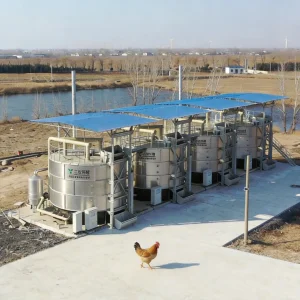
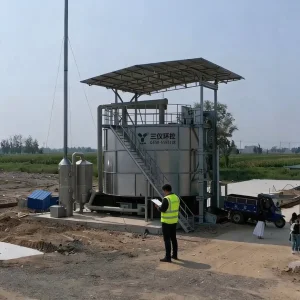
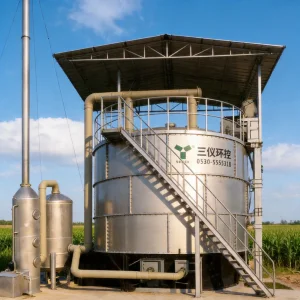
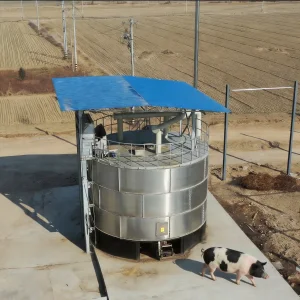
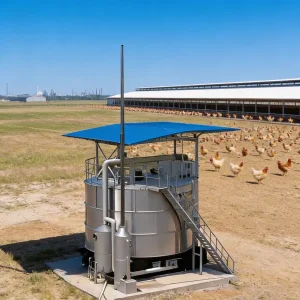
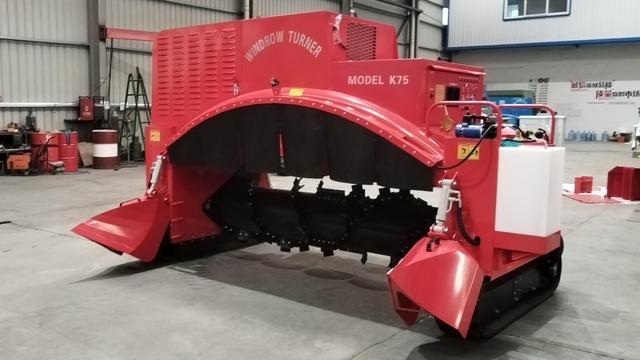
Thailand's massive palm oil and sugar sectors generate significant biomass waste. Our aerobic fermentation tanks utilize specialized microbial strains to break down tough fibers into nutrient-rich compost in just 7-14 days.
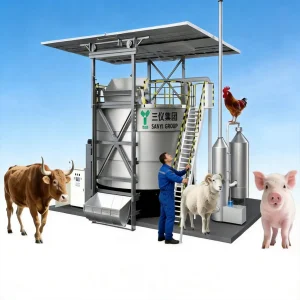
With large-scale swine and poultry operations, manure management is critical. Our AI-controlled systems prevent groundwater contamination and eliminate the "nuisance odors" often cited in local environmental disputes.
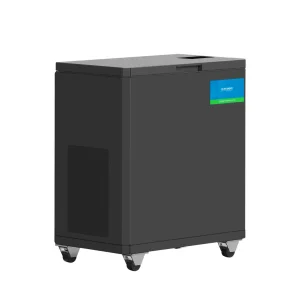
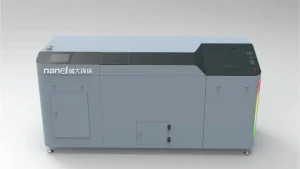
Decentralized food waste processing at hotels and resorts. Our "Thermax" series allows for on-site reduction of food waste, cutting hauling costs and supporting "Zero Waste to Landfill" certifications.
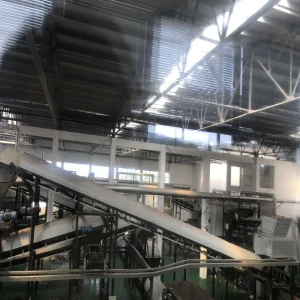
Scaling up to handle 200+ tons per day. Our centralized systems integrate dewatering, aerobic digestion, and automated packaging for municipal bio-waste management.
As a leading Smart Composting and Waste Management System Exporter based in Chengdu, China, we offer unique strategic advantages for Thai clients:
With the China-Laos-Thailand railway and optimized RCEP trade routes, we ensure faster delivery times and lower tariffs for heavy equipment compared to European alternatives.
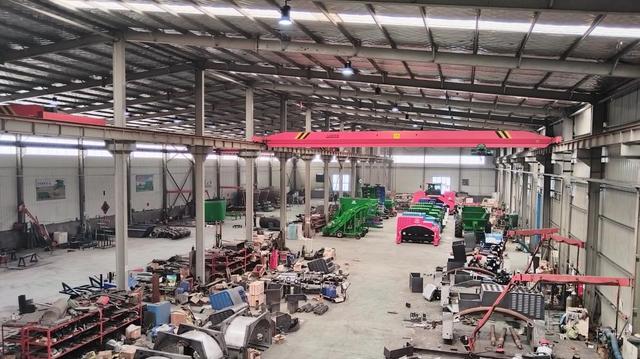
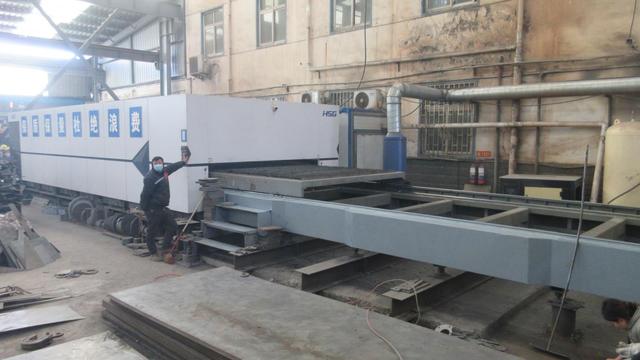
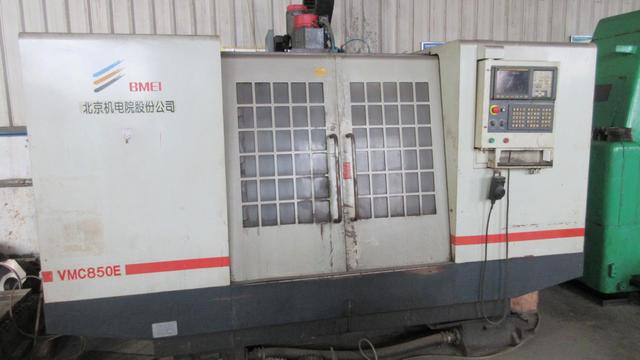
Our 16,000 sqm facility in Chengdu allows for simultaneous production of multiple large-scale fermentation tanks, ensuring we meet the tight timelines of Thai infrastructure projects.
We recognize that "one size fits all" does not work in waste management. We offer bespoke engineering to adapt to Thailand's tropical humidity and specific waste compositions (high moisture content).
We combine advanced AI control systems with rugged, corrosion-resistant hardware designed for the demanding environments of organic waste processing.

 AgBio Energy