In the heart of Massachusetts, the push for environmental sustainability has reached a critical inflection point. Boston, a city renowned for its academic excellence and technological innovation, is currently navigating the complexities of the Massachusetts Commercial Organics Waste Ban. With the MassDEP (Department of Environmental Protection) lowering the threshold for businesses generating organic waste, many commercial entities in the Boston metro area are now legally required to divert food waste from landfills.
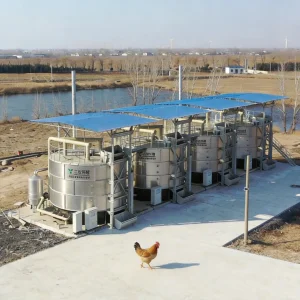
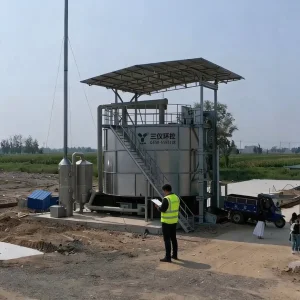
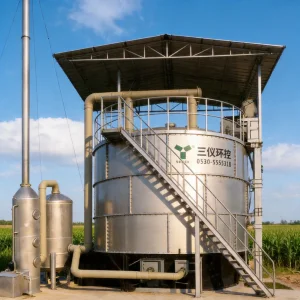
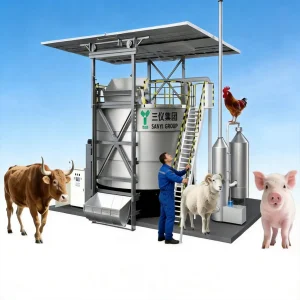
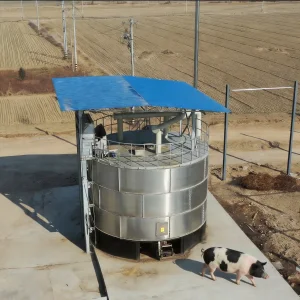
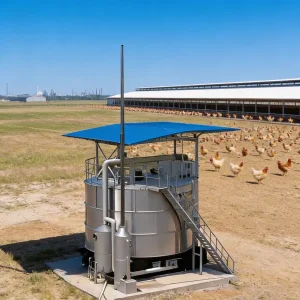
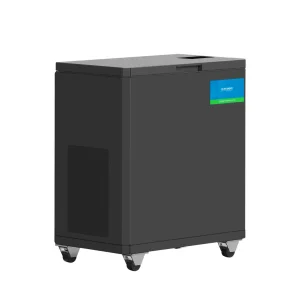
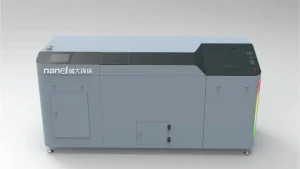
Currently, the Boston industrial and commercial waste landscape is shifting toward decentralized, on-site treatment. Traditional hauling methods are becoming increasingly expensive due to rising fuel costs and limited tipping space at regional facilities. Our Smart Composting and Waste Management Systems provide a local solution for Boston's hospitals, universities, and food processors, allowing them to transform waste into high-quality organic fertilizer within 24 hours.
Globally, the waste management sector is undergoing a massive transformation, driven by ESG (Environmental, Social, and Governance) mandates and the global transition to a Circular Economy. From the European Union's "Green Deal" to Asia's rapid urbanization initiatives, the mandate is clear: organic waste is no longer a liability; it is a resource.
Current trends indicate a massive move toward "IoT-Enabled Waste Infrastructure." This involves the integration of sensors and AI to monitor moisture, temperature, and microbial activity in real-time. As a leading manufacturer, we have observed that global markets are prioritizing decarbonization. By processing waste on-site, businesses eliminate the carbon footprint associated with waste logistics—a key metric for modern green building certifications like LEED.
Chemical fertilizers are being phased out in favor of biological soil conditioners. This has created a high-demand market for the end-product of our composting machines. In markets across North America and Europe, the "closed-loop" system—where a facility produces its own fertilizer from its own waste to use on its own landscaping—is becoming the gold standard for sustainability.
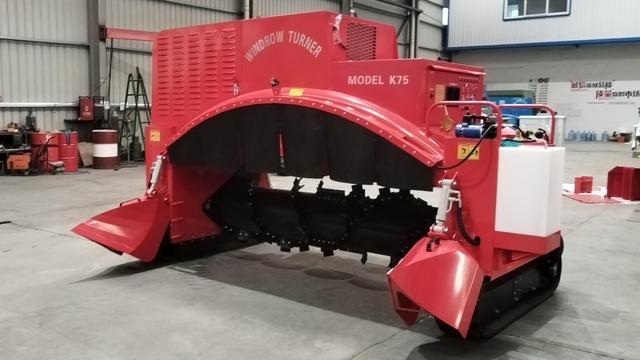
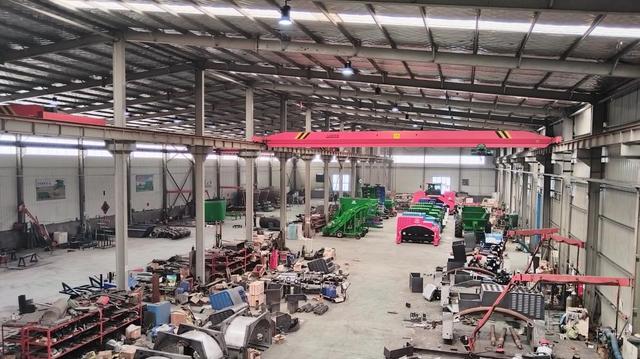
Chengdu AgBio Energy Co., Ltd. is a professional manufacturer specializing in organic waste composting equipment, food waste recycling systems, and sustainable waste treatment solutions. Established in 2013 and headquartered in Chengdu, Sichuan Province, China, the company is dedicated to helping businesses, agricultural operations, municipalities, and environmental service providers transform organic waste into valuable resources.
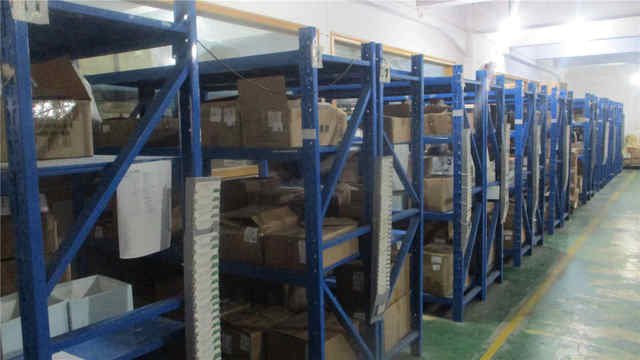
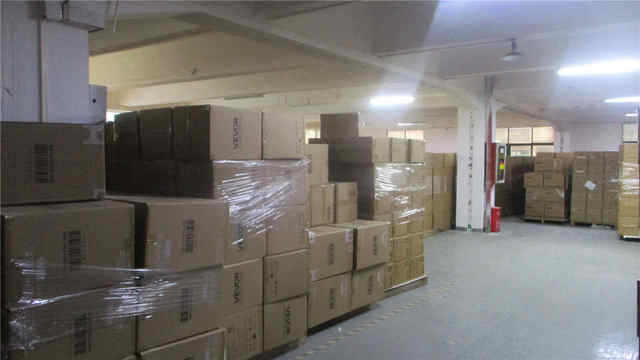
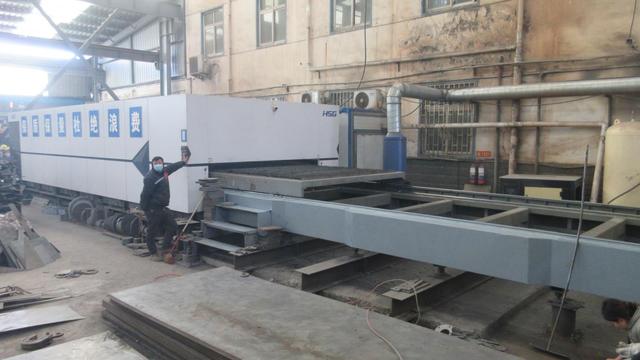
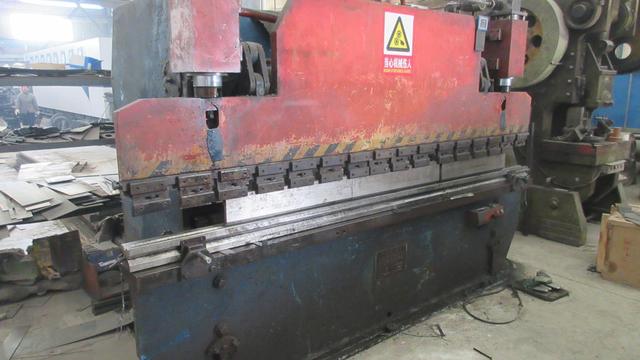
With a modern manufacturing facility covering more than 16,000 square meters and a team of over 230 employees, AgBio Energy delivers efficient and environmentally responsible waste management technologies to customers around the world. Our solutions are widely used in farms, food processing facilities, restaurants, hotels, commercial waste treatment centers, agricultural cooperatives, and municipal environmental projects.
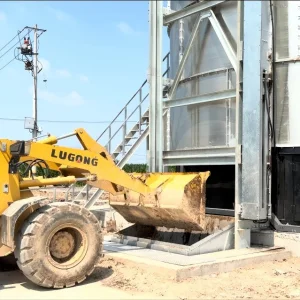
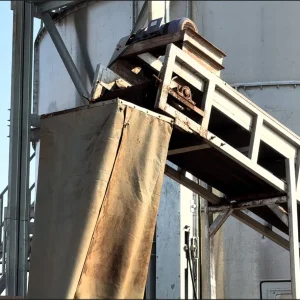
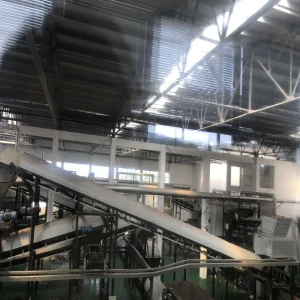
AgBio Energy integrates engineering expertise, process optimization, and advanced manufacturing technologies to develop reliable composting and organic waste recycling systems. The company operates modern production workshops, assembly lines, and testing facilities to ensure product quality, operational efficiency, and long-term reliability. Strict quality management procedures are implemented throughout product development, manufacturing, installation, and customer support processes.
Our commitment to R&D ensures that our Boston clients are always at the forefront of waste technology. The next five years will see a significant evolution in how organic waste is managed:
As a leading supplier, we are moving beyond "machines" into "Macro Industry Solutions." This includes integrating solar-powered composting units for remote Massachusetts locations and developing modular, "plug-and-play" units for rapid deployment in urban redevelopment projects.
Our smart waste systems are engineered for diverse environments across the Commonwealth:
The Massachusetts Commercial Organics Waste Ban requires any business generating more than 0.5 tons of food waste per week to divert it. Our machines process this waste on-site, converting it into soil, which qualifies as diversion and keeps you fully compliant while eliminating hauling fees.
Yes, our industrial-grade aerobic fermentation tanks are designed to handle varied organic streams, including small bones, fish waste, and tough vegetable fibers, thanks to our high-torque maceration and microbial digestion processes.
Not at all. Our "Smart" series features integrated bio-filtration and activated carbon systems that neutralize odors before they are vented. This makes them ideal for installation in dense urban areas like Boston's North End or Back Bay.
While we are a global manufacturer (AgBio Energy), we partner with local engineering firms in Massachusetts for installation and ongoing maintenance. Furthermore, our AI-controlled systems allow for remote monitoring and troubleshooting to minimize the need for on-site visits.
Most Boston commercial clients see a full Return on Investment within 18 to 36 months, primarily driven by the elimination of waste hauling costs and the production of free, high-quality fertilizer for campus use.
Join the ranks of sustainable leaders in Boston. Contact AgBio Energy today for a customized consultation and technical proposal tailored to your specific processing volume.
 AgBio Energy