AgBio Energy
1 / 5
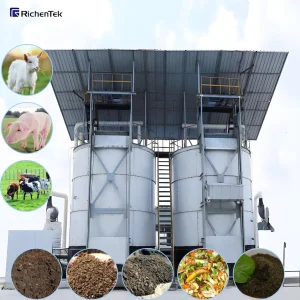
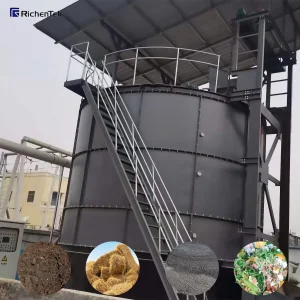
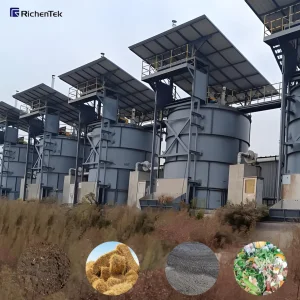
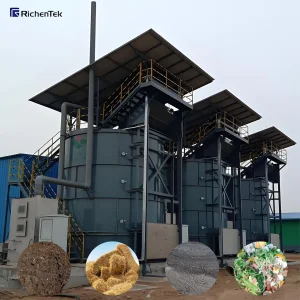
High Efficiency Membrane Covered Aerobic Composting Equipment
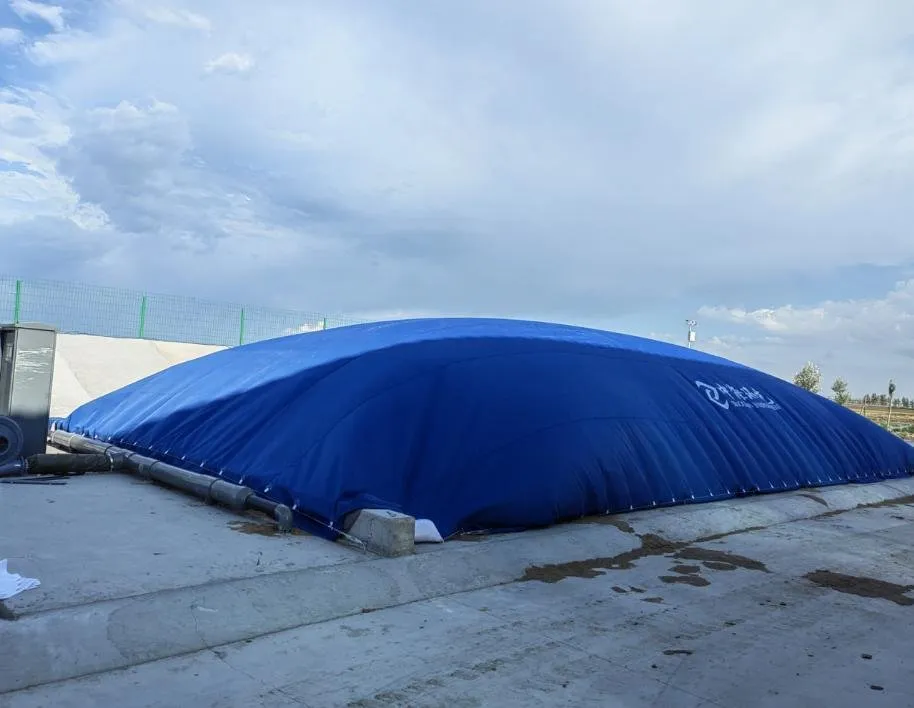
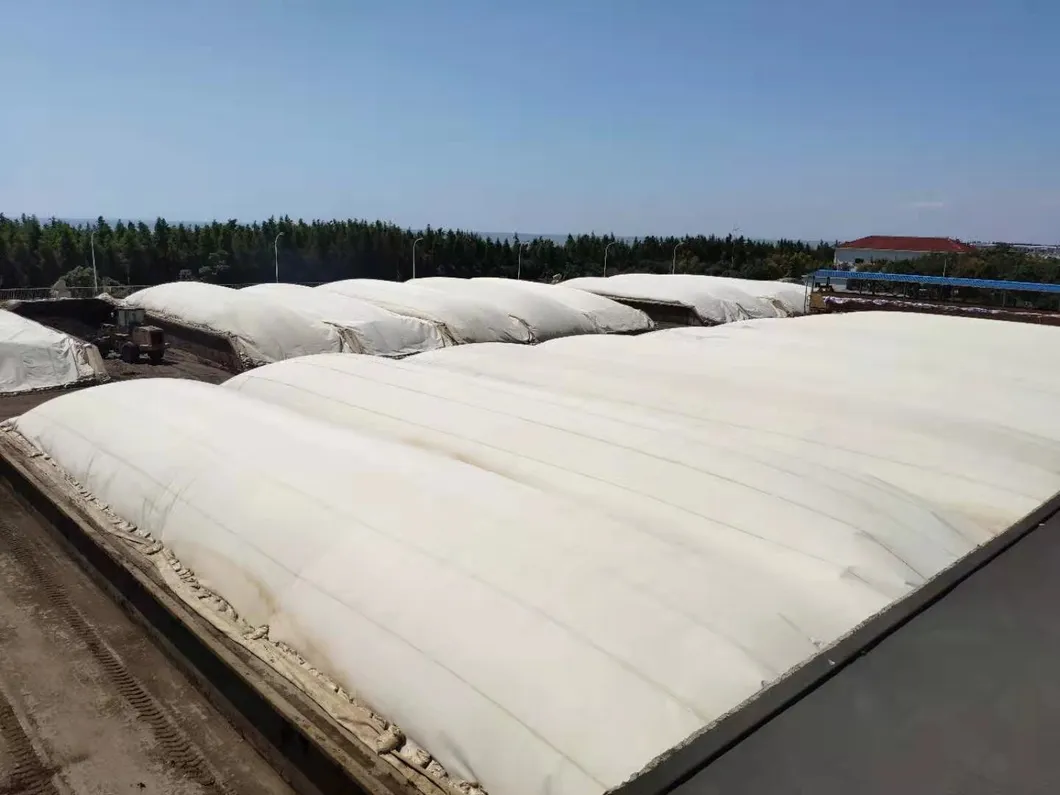
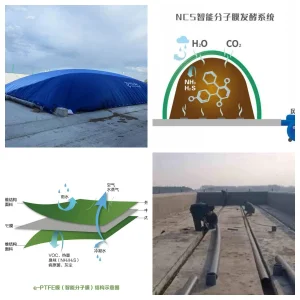
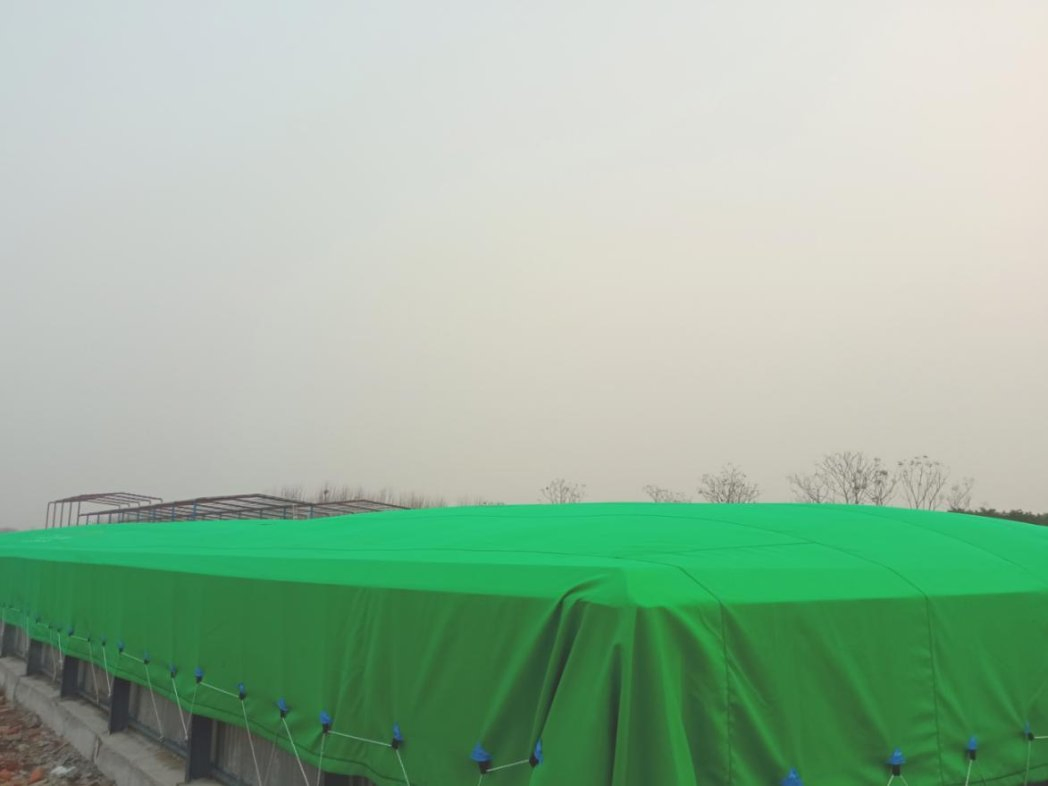
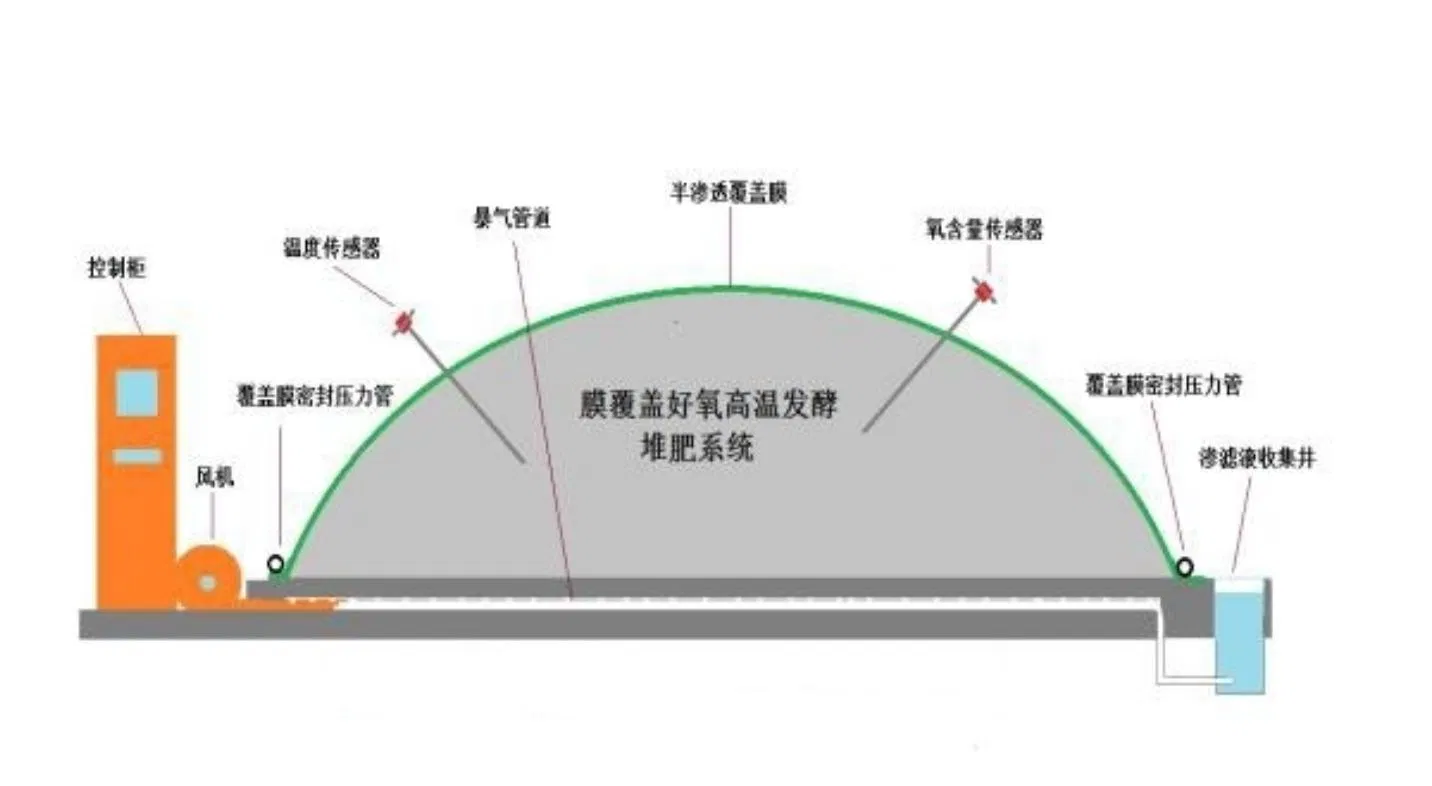
The membrane covered aerobic composting equipment uses a specially designed functional membrane as the aerobic fermentation treatment cover. The core component is a functional membrane with specially designed micropores, which can create a constant climate environment through its semi-permeable function.
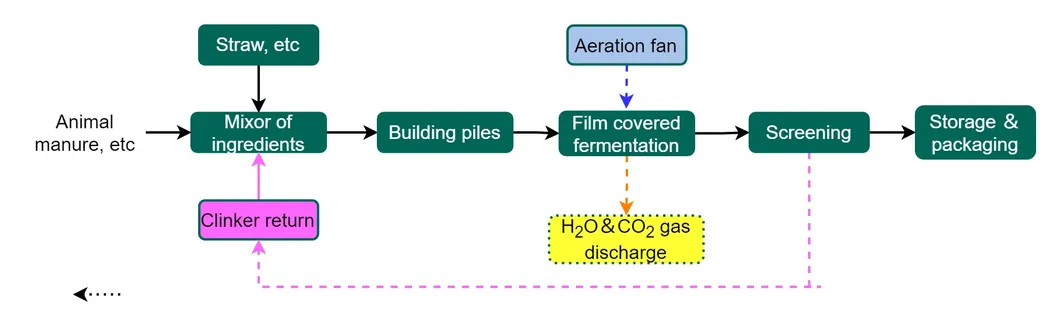
Under the action of air blowing, a micro high-pressure inner chamber is formed in the fermentation body, providing uniform and sufficient oxygen supply. This creates a suitable environment for aerobic fermentation while allowing water vapor and carbon dioxide to diffuse out through the functional membrane. This maintains the airflow balance inside and outside the fermentation stack, ensuring a thorough fermentation process and effectively killing pathogenic microorganisms.
Adopts multiple measures to control odor at the source and emission pathway. The functional microporous membrane allows water vapor and carbon dioxide to escape while blocking harmful gases such as hydrogen sulfide and ammonia.
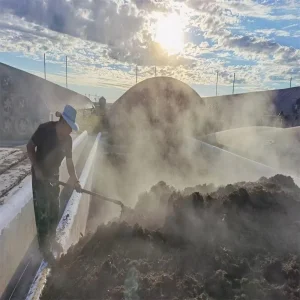
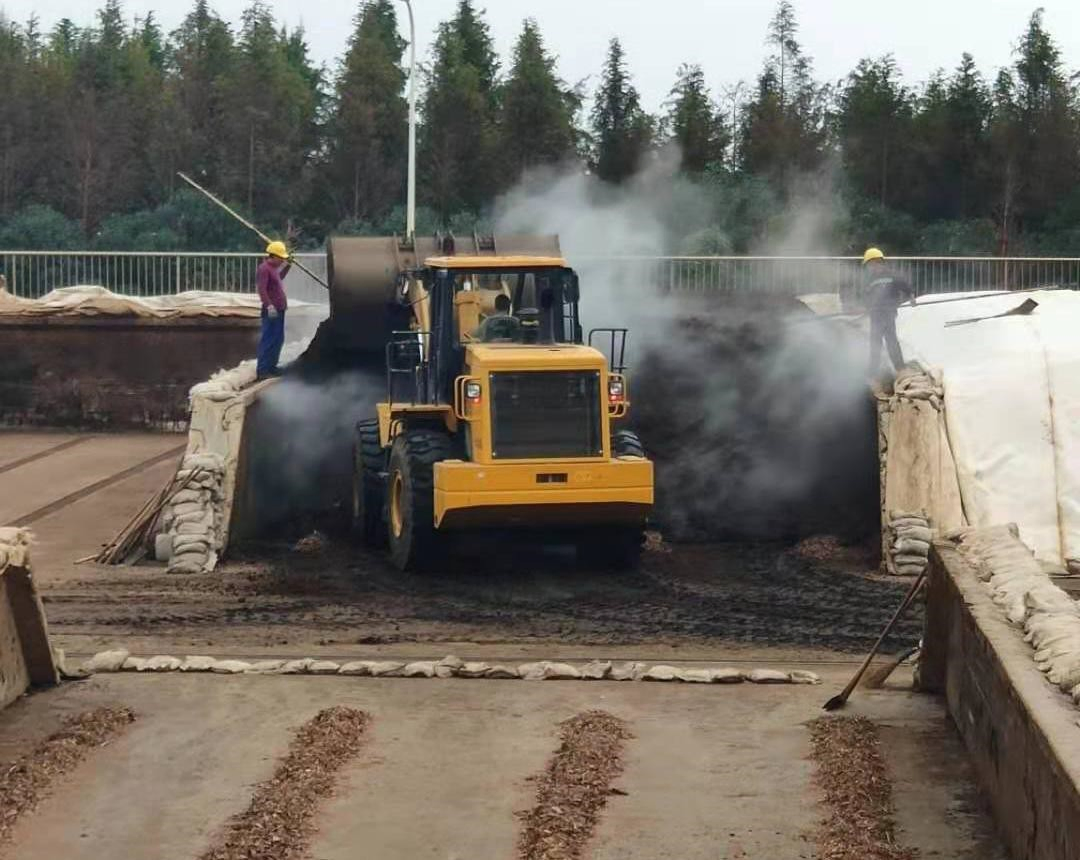
Creates a high-humidity (up to 100%) and high-temperature (up to 95ºC) environment. Sufficient oxygen supply allows aerobic microorganisms to reproduce rapidly, leading to complete degradation of organic matter.
Achieves uniform gas distribution and reduced resistance. It integrates the advantages of static and dynamic composting while eliminating environmental control difficulties found in traditional processes. Energy consumption is significantly lower compared to dynamic systems.
| No. | Model No. | Annual Breeding Scale (pcs) | |||||||
|---|---|---|---|---|---|---|---|---|---|
| Egg Chicken | Meat Chicken | Pig (Water) | Pig (Dry) | Duck | Dairy Cow | Beef Cattle | Sheep | ||
| 1 | RY-NCS-100 | 30000 | 30000 | 8000 | 1750 | 28000 | 1000 | 250 | 2500 |
| 2 | RY-NCS-200 | 60000 | 60000 | 16000 | 3500 | 56000 | 2000 | 500 | 5000 |
| 3 | RY-NCS-300 | 90000 | 90000 | 24000 | 5250 | 84000 | 3000 | 750 | 7500 |
| 4 | RY-NCS-400 | 120000 | 120000 | 32000 | 7000 | 112000 | 4000 | 1000 | 10000 |
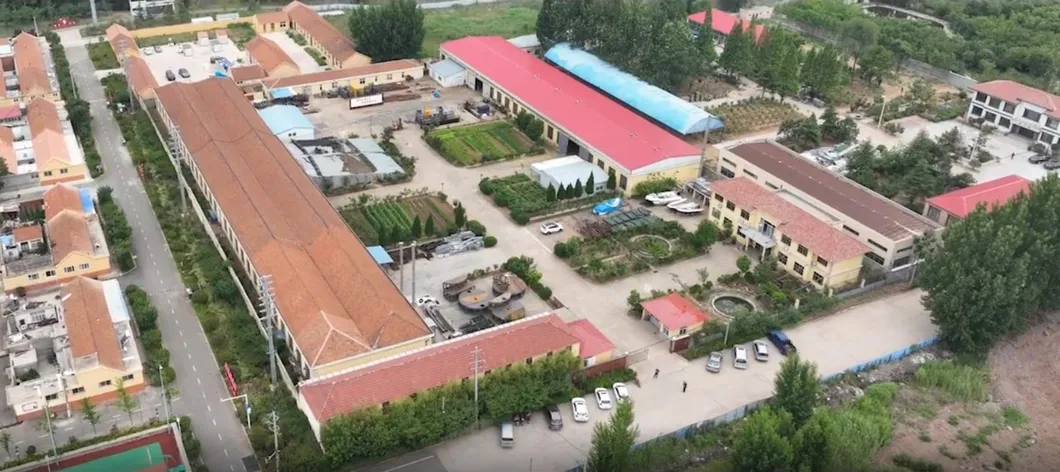
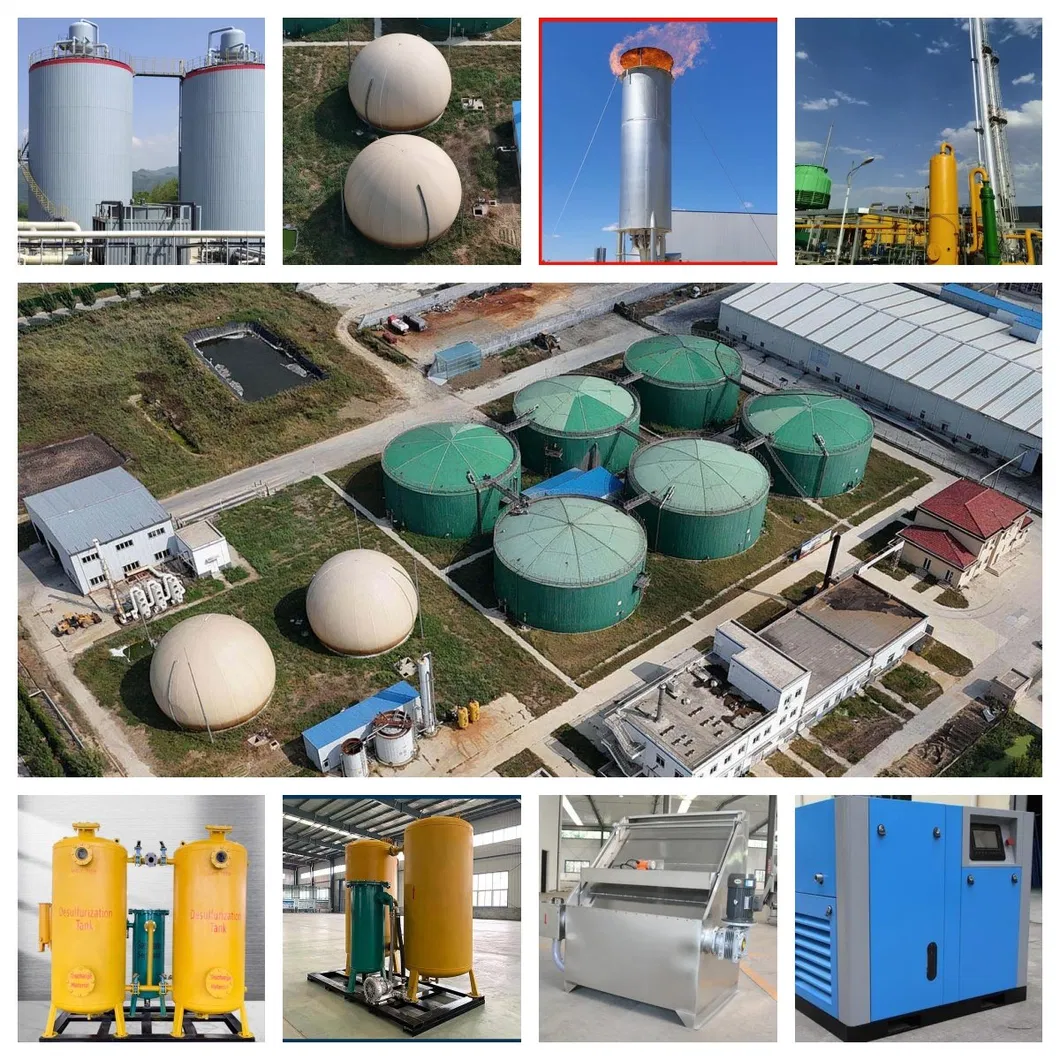
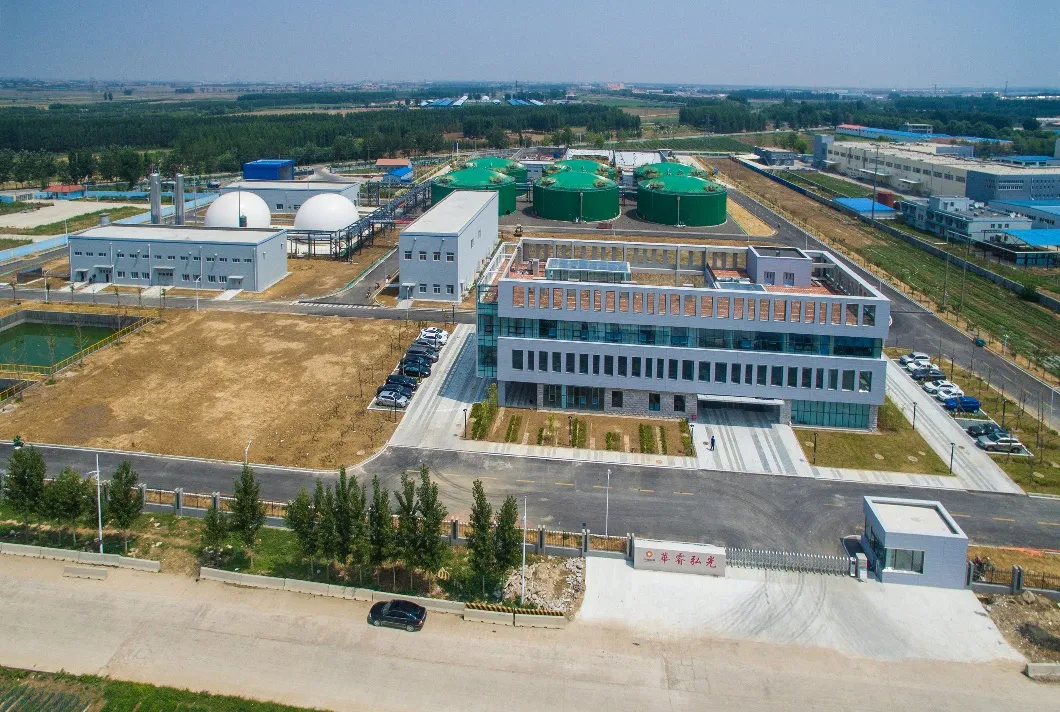
We are a comprehensive environmental enterprise focusing on product research, process design, system integration, and equipment manufacturing. Our products are widely used for drinking water treatment, industrial and domestic sewage, air pollution control, and organic waste treatment.
We provide full EPC general contracting services, including:
World Class Partners


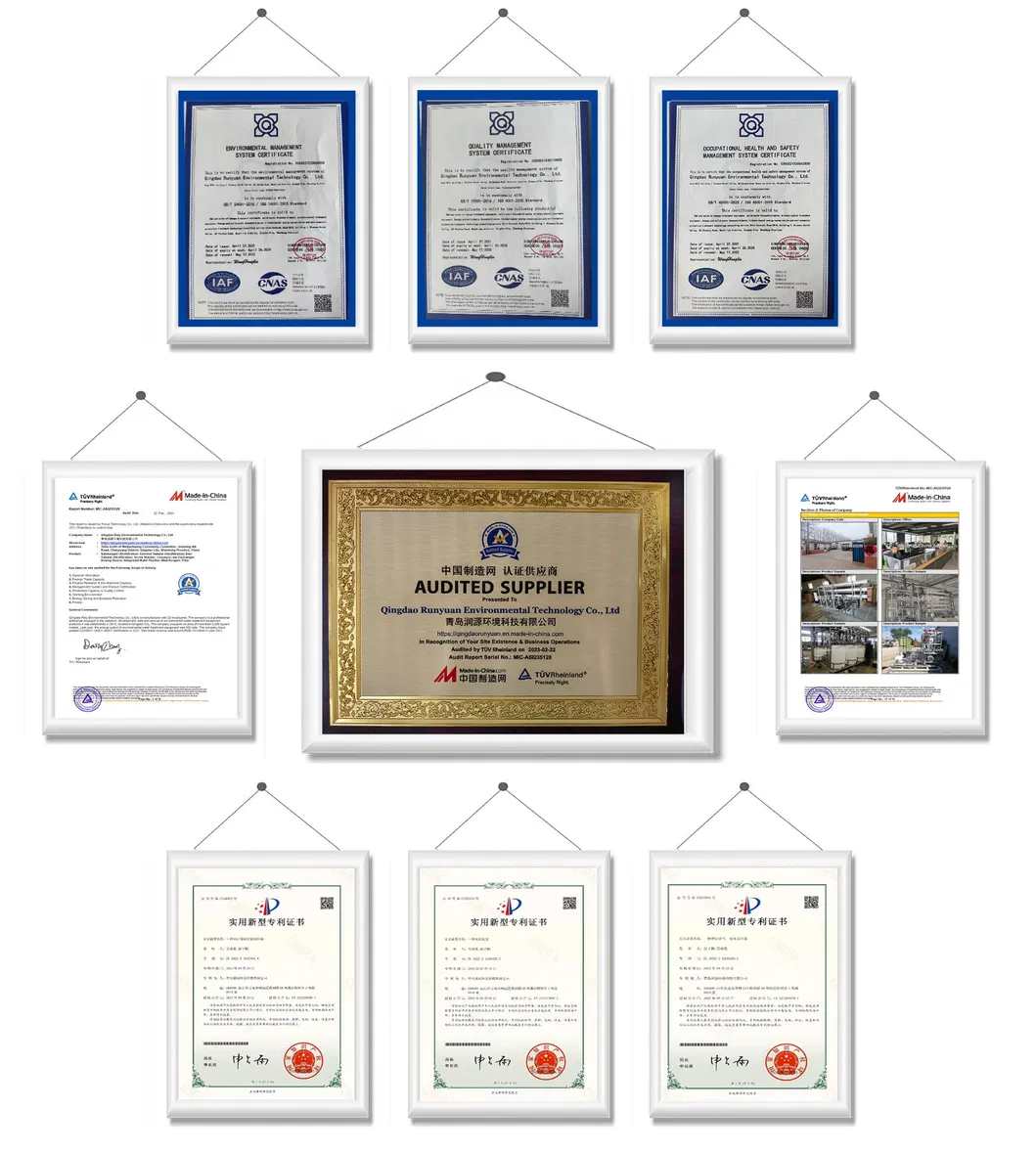
Certifications