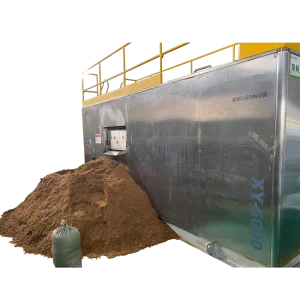
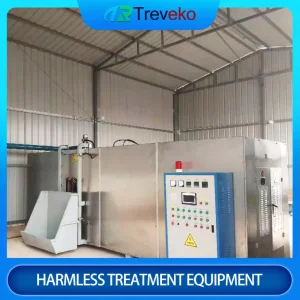
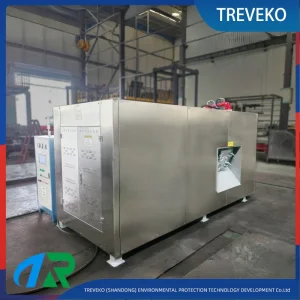
The global organic waste processing equipment market is currently undergoing a massive transformation, driven by the shift toward a Circular Economy and stringent ESG (Environmental, Social, and Governance) mandates. As landfills reach capacity and methane emissions from organic decay become a primary target for climate action, industrial-scale composting and aerobic fermentation have emerged as the gold standard for sustainable waste management.
Europe’s Green Deal and North America’s diversion mandates are forcing municipalities and businesses to process waste at the source.
Waste is no longer seen as a liability but as a raw material for organic fertilizers, biogas, and animal feed additives.
Modern factories are integrating IoT sensors to monitor fermentation temperature, moisture, and oxygen levels in real-time.
China has become the global hub for Organic Waste Processing Equipment manufacturing due to its unparalleled supply chain integration and R&D speed. At Chengdu AgBio Energy Co., Ltd., we represent the pinnacle of this industrial efficiency.
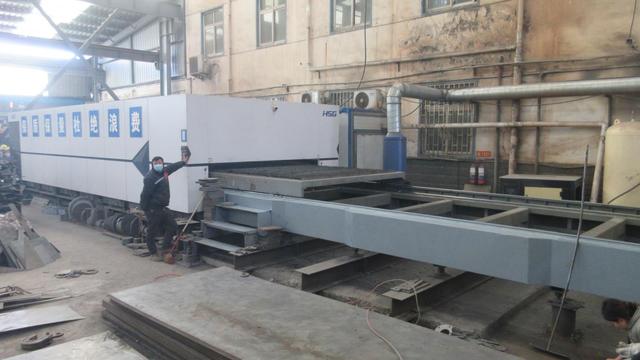
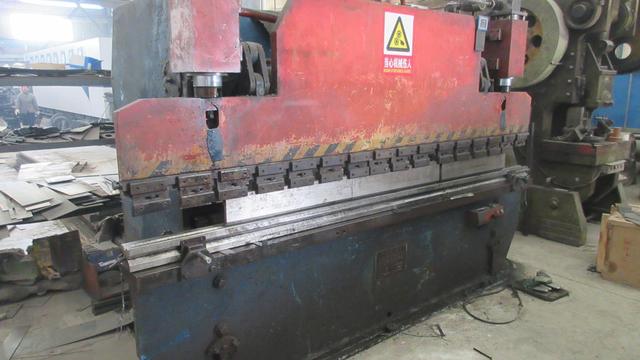
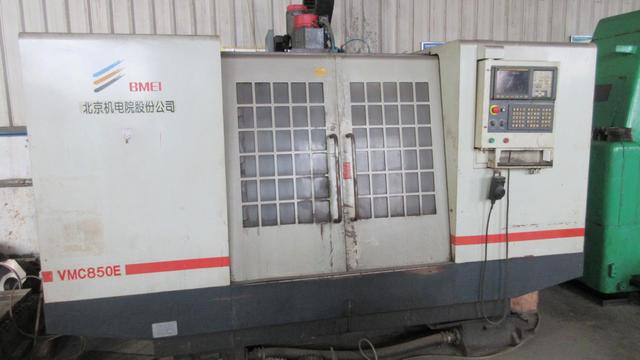
Chengdu AgBio Energy Co., Ltd. is a professional manufacturer specializing in organic waste composting equipment, food waste recycling systems, and sustainable waste treatment solutions. Established in 2013 and headquartered in Chengdu, Sichuan Province, China, the company is dedicated to helping businesses, agricultural operations, municipalities, and environmental service providers transform organic waste into valuable resources.
Established Year
M² Factory Area
Expert Employees
Countries Served
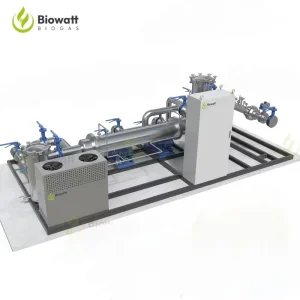
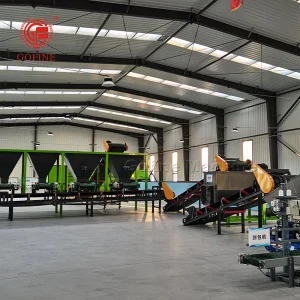
The company's product portfolio includes organic waste composting machines, food waste treatment systems, aerobic fermentation equipment, agricultural waste recycling solutions, manure composting systems, organic fertilizer production lines, municipal bio-waste treatment equipment, and intelligent composting management systems. These solutions are widely used in farms, food processing facilities, restaurants, hotels, commercial waste treatment centers, agricultural cooperatives, and municipal environmental projects.
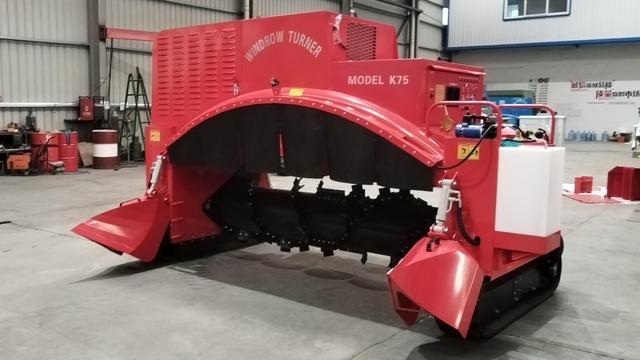
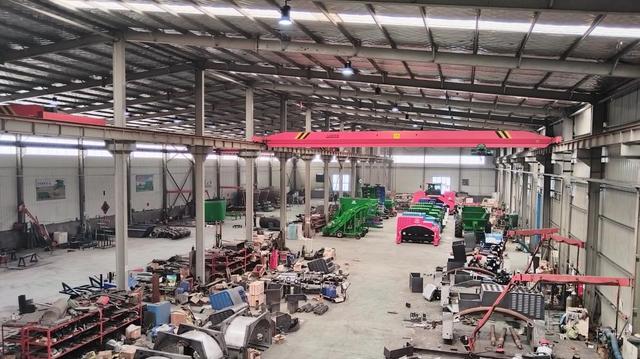
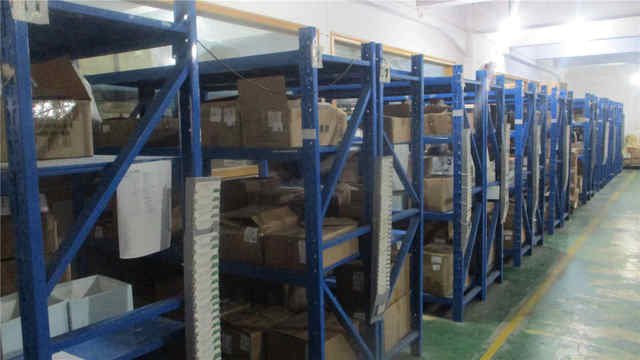
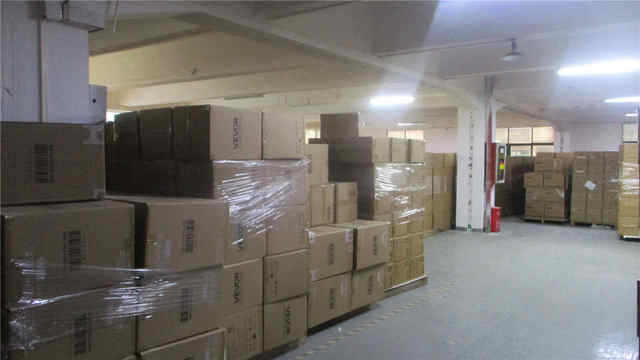
Every region has unique waste profiles. Our equipment is engineered for diverse global application scenarios:
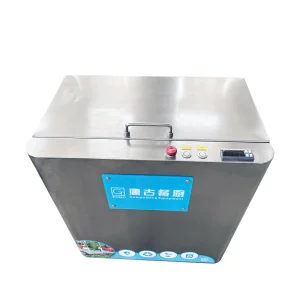
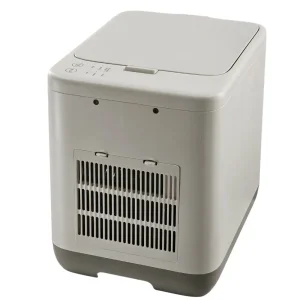
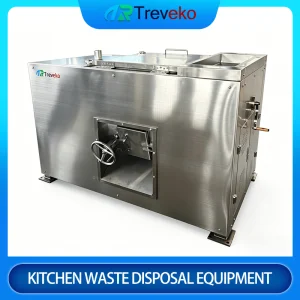
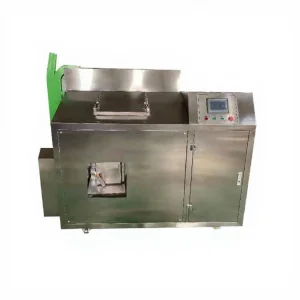
Hotels and shopping malls generate high-moisture food waste. Our Compact Bio Digesters and Smart Kitchen Composters reduce waste volume by up to 85% within 24 hours, eliminating odors and reducing hauling fees.
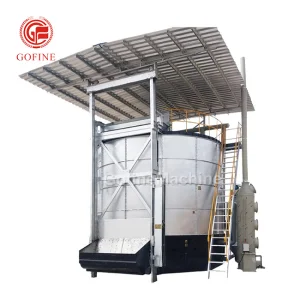
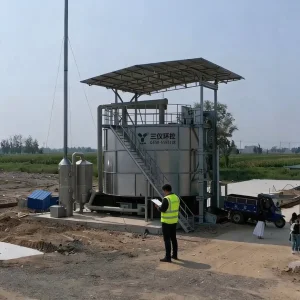
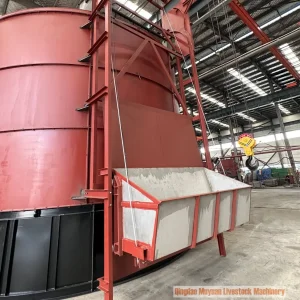
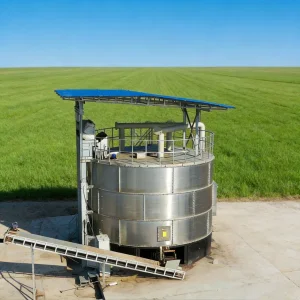
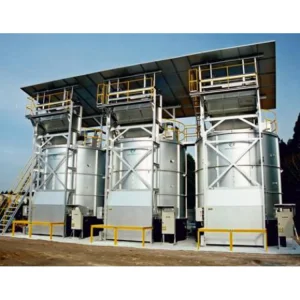
For poultry and livestock farms, managing manure is a significant challenge. Our High-Temperature Fermentation Tanks ensure pathogens are destroyed (thermophilic process), turning raw manure into high-quality organic fertilizer for the Middle East and African markets.
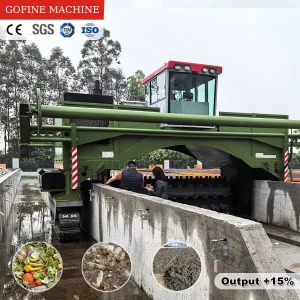
Green waste from parks and residential garden waste requires large-scale processing. Our aerobic fermentation machines provide a scalable solution for city-wide sustainability goals.
In 2024-2025, global procurement directors are prioritizing three key metrics when selecting waste processing suppliers:
 AgBio Energy