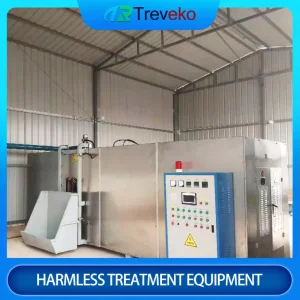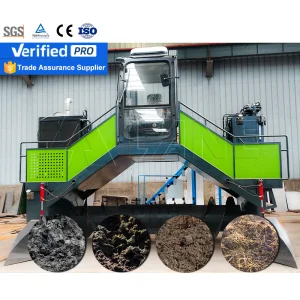
As global environmental directives enforce stricter carbon budgets and zero-landfill milestones, the biological conversion of solid organic waste has transitioned from simple regulatory compliance to a core driver of corporate ESG performance. Achieving scalable, economically viable volume reduction in agricultural operations, municipal processing sites, and food production chains requires deep thermodynamic optimization and automated biological stabilization.
Chengdu AgBio Energy Co., Ltd. stands at the forefront of this industrial transformation. Established in 2013, our company has built a premier design, engineering, and manufacturing operation in Chengdu, Sichuan Province, China. Focused exclusively on high-efficiency organic waste fermentation, commercial kitchen waste recycling, and comprehensive bio-fertilizer production setups, we help global operations convert heavy waste liabilities into high-purity fertilizer resources.
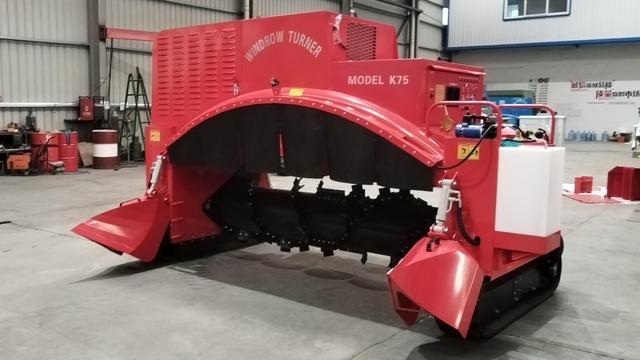
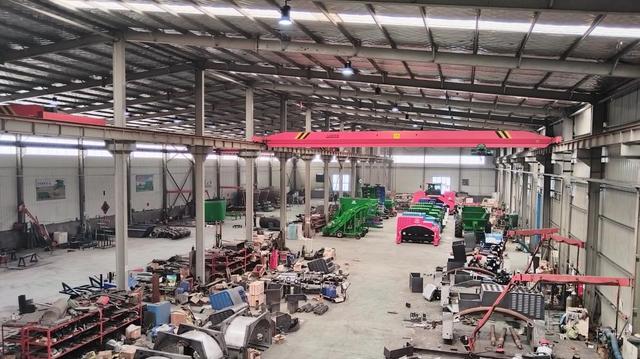
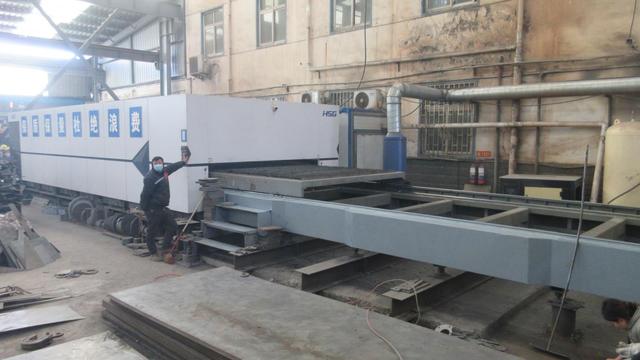
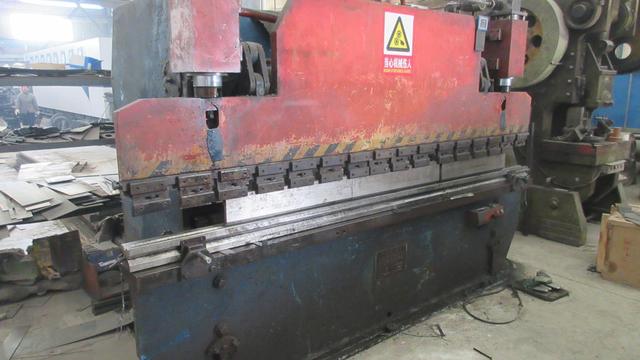
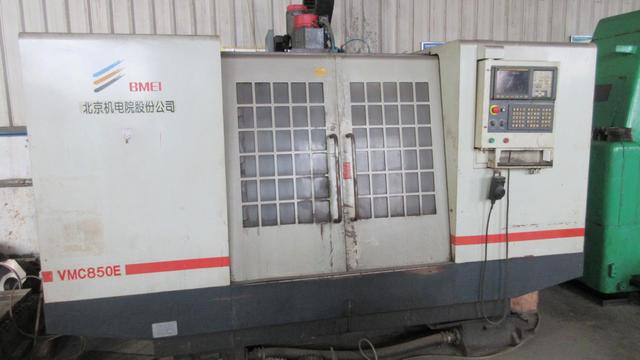
Our operation spans a modern 16,000-square-meter production complex staffed by over 230 mechanical engineers, biological technicians, and integration specialists. Operating strict, ISO 9001-certified processes, we manufacture everything from municipal food waste processing equipment to massive in-vessel aerobic digesters. Our machinery operates globally, providing high volume reduction, odor mitigation, and chemical stabilization across multiple continents.
Through our comprehensive OEM/ODM services, our engineering teams customize processing systems to handle varying moisture profiles, ambient temperatures, and regulatory discharge limits for developers, municipal planners, and agricultural operators worldwide.
Real-time telemetry networks now track temperature, oxygen, and moisture within composting vessel chambers. Closed-loop control systems adjust internal agitation, air injection, and heating cycles dynamically. This shortens organic degradation periods and minimizes thermal energy consumption.
Modern setups combine mechanical gas extraction with advanced biofiltration beds and chemical scrubbing. These capture volatile organic compounds (VOCs) and ammonia gas at the source, enabling high-capacity organic processing near urban centers and municipal boundaries.
Processing plants are shifting from simple volume reduction to nutrient extraction. Modern organic composting systems preserve bioavailable nitrogen, phosphorus, and potassium (NPK), transforming municipal and farm waste into commercial-grade organic fertilizers.
Industrial waste managers and municipal contractors balance complex operational demands. Systems must process high volumes of organic waste reliably under diverse local conditions while keeping energy costs low. AgBio Energy meets these requirements by focusing on three key design criteria:
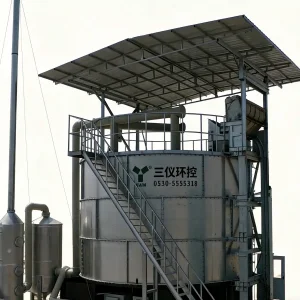
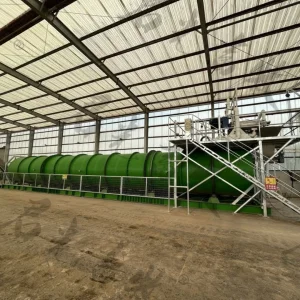
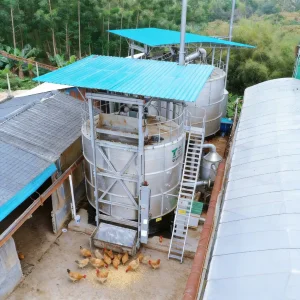
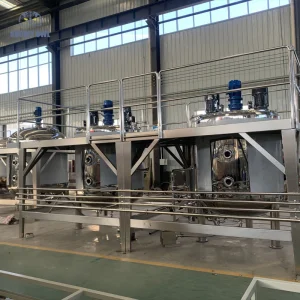
Durability and Materials Science: Our composting drums and fermentation vessels are fabricated with heavy-gauge SUS304/SUS316L stainless steel cladding. This provides long-term resistance to organic acids, moisture, and elevated thermophilic processing temperatures.
Energy Efficiency: By optimizing process thermodynamics, our systems capture and recycle the natural heat generated by microbial respiration. This significantly reduces the external heating required to keep processes in the thermophilic sanitization zone (>55°C).
Modular Scalability: Our standard products range from 500 kg daily-capacity restaurant composters to multi-ton agricultural systems. This modular approach allows processing sites to add capacity incrementally as their waste management needs grow.
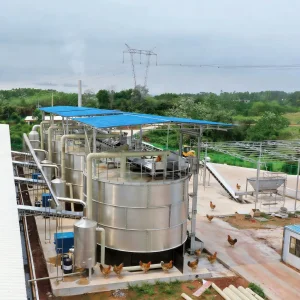
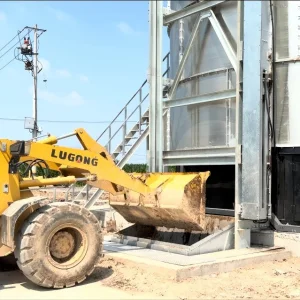
Tailored for high-volume pig, poultry, and dairy farming operations looking to process manure into stable, pathogen-free compost.
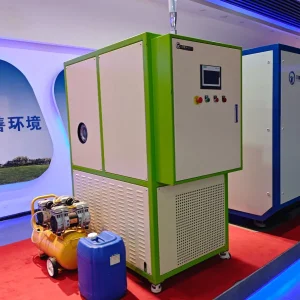
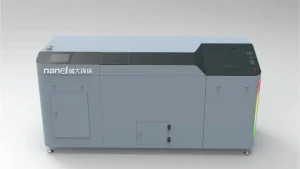
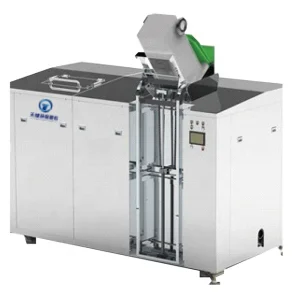
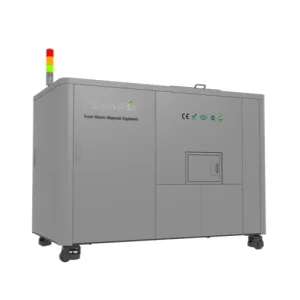
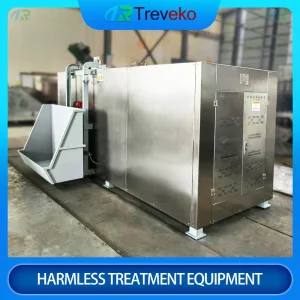
Engineered for high-generation nodes including university dining facilities, large hotels, and food preparation facilities.
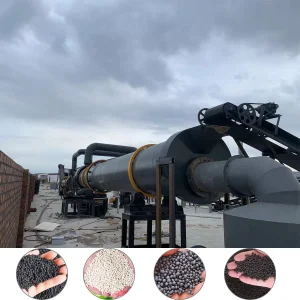
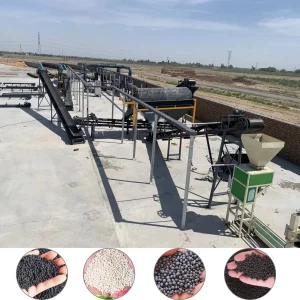
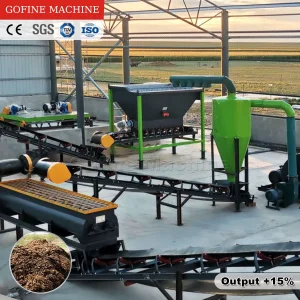
Turnkey packaging plant solutions designed to transform bulk bio-solids and organic compost into commercial granular fertilizer.
Navigating global regulatory landscapes requires customized equipment configurations. Chengdu AgBio Energy ensures compliance with international standards, offering custom electrical designs (including UL, CE, CSA, and AS/NZS compliance) to match local voltage and safety standards.
Our engineering support services guide clients from initial project planning to final deployment. Our technical support staff assist with civil engineering layout designs, electrical drawings, mechanical installation, biological start-up inoculation, and long-term preventative maintenance scheduling.
With our robust OEM/ODM production capabilities, we construct tailor-made waste processing equipment suited for extreme operational environments—from cold northern climates requiring heavy thermal insulation jackets to remote islands requiring high-salinity corrosion resistance packages.
Through partnerships with engineering firms, municipal contractors, and environmental distributors, AgBio Energy maintains reliable machinery operation, optimizing waste logistics costs and protecting facility investments worldwide.
Deploying cloud-linked, sensor-based monitoring networks across our composting and fermentation equipment lines. Operators can track internal parameters and run diagnostics remotely through secure mobile and desktop interfaces.
Integrating targeted microbial inoculants with optimized airflow systems. This reduces processing times for high-density agricultural residues and animal by-products while maintaining high biosecurity standards.
Developing fully closed-loop composting systems that capture, filter, and reuse all exhaust streams and process water. This helps operations meet strict regional air quality and liquid discharge standards.
We manufacture systems to handle various operational scales. Our range includes commercial kitchen composting units processing 30 kg to 500 kg daily, up to large-scale industrial fermentation tanks that process multiple tons of agricultural waste per day.
Our composting machines feature sealed processing chambers connected to negative-pressure air handling networks. Exhaust air is routed through integrated UV photolysis systems, biofiltration beds, and activated carbon filters to neutralize odor compounds.
Yes. We configure our control systems, electrical cabinets, and motors to match target country specifications (including CE, UL, and CSA standards) for voltage, frequency, and local safety rules.
We offer comprehensive technical support. This includes site planning, detailed mechanical and electrical drawings, remote commissioning assistance, video troubleshooting, and sending field engineers for on-site installation and testing when required.
Yes. Backed by our 16,000-square-meter facility and a dedicated design team, we custom-engineer equipment dimensions, structural layouts, and processing capacities to match specific site requirements and material profiles.
Our aerobic composting machinery utilizes controlled thermophilic fermentation, maintaining internal core temperatures between 55°C and 65°C for sustained periods. This process effectively sanitizes the waste by killing weed seeds, pathogens, and insect larvae, yielding clean organic fertilizer.
 AgBio Energy