Engineered to accelerate thermal decomposition, reduce hazardous pathogens, and generate high-nutrient organic soil amendments.
Examining macro-trends, legislative drivers, and economic variables governing organic resource recovery worldwide.
The management of organic waste stands as one of the most critical environmental imperatives of the 21st century. Rapid urbanization, combined with stringent greenhouse gas emission policies, has accelerated the shift away from conventional landfills. Landfills containing organic compounds decompose anaerobically, emitting vast quantities of methane (CH₄)—a greenhouse gas with a warming potential 28 to 36 times greater than carbon dioxide (CO₂) over a 100-year scale.
In response, governments globally are enforcing localized bans on bio-waste landfills. The European Union's Circular Economy Action Plan mandates that organic waste must be collected separately and processed at source. Similarly, North American municipal regulations and Asia-Pacific green-infrastructure initiatives have established heavy regulatory penalties for high-volume organic producers who do not employ proactive biological recovery measures.
Unlike anaerobic digestion which requires months of stabilized incubation, thermophilic aerobic processing reaches biological temperatures of 55°C to 75°C in hours. This rapid heat cycle pasteurizes pathogens, degrades weed seeds, and neutralizes insect larvae, yielding clean bio-fertilizers in 24 to 72 hours.
How Chengdu AgBio Energy Co., Ltd. integrates technological R&D with specialized high-scale industrial manufacturing.
Chengdu AgBio Energy Co., Ltd. is a professional manufacturer specializing in organic waste composting equipment, food waste recycling systems, and sustainable waste treatment solutions. Established in 2013 and headquartered in Chengdu, Sichuan Province, China, the company is dedicated to helping businesses, agricultural operations, municipalities, and environmental service providers transform organic waste into valuable resources.
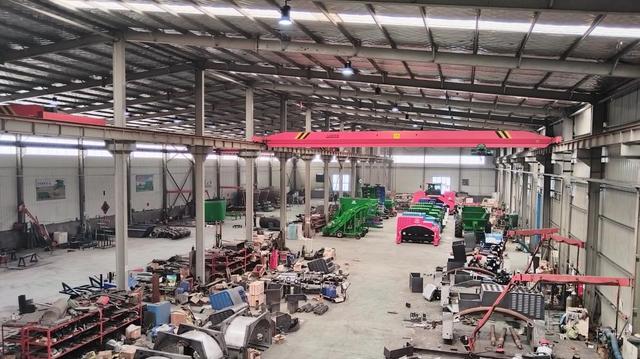
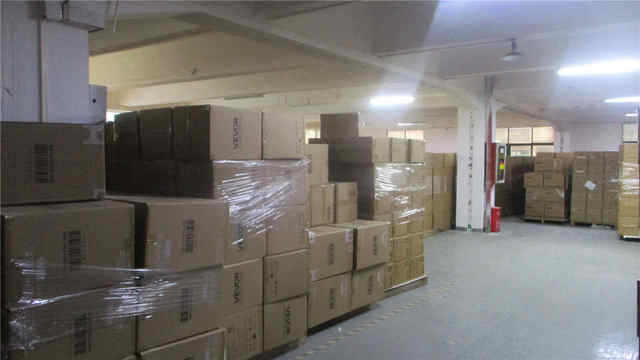
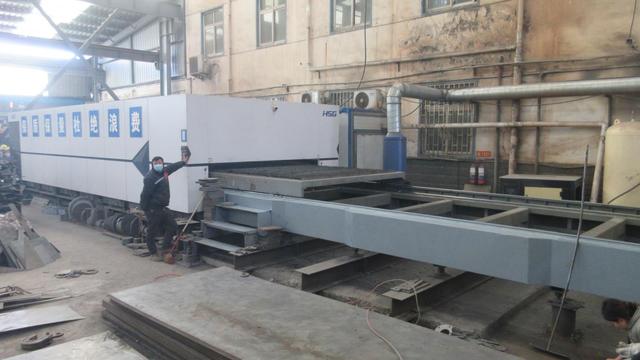
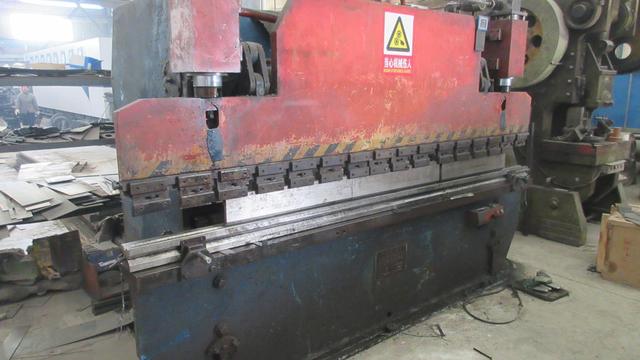
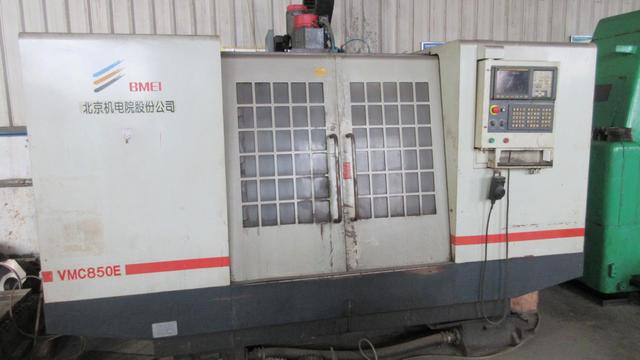
Operating a modern production workshop covering more than 16,000 square meters and employing a team of over 230 specialists, AgBio Energy is positioned at the epicentre of precision industrial manufacturing. China’s centralized supply chain for heavy machinery, structural stainless steel, electronic PLC components, and electric motors enables a dramatic reduction in production cycle times and raw material logistics. This allows Chengdu AgBio Energy to pass massive capital expenditure savings directly onto the end user while guaranteeing superior component quality.
Every composting drum, vertical fermentation cylinder, and processing paddle is fabricated from high-grade structural alloys, containing internal linings of SUS304 or SUS316L stainless steel. This metallurgy protects the machinery from the corrosive organic acids and hydrogen sulfides released during active biological phases.
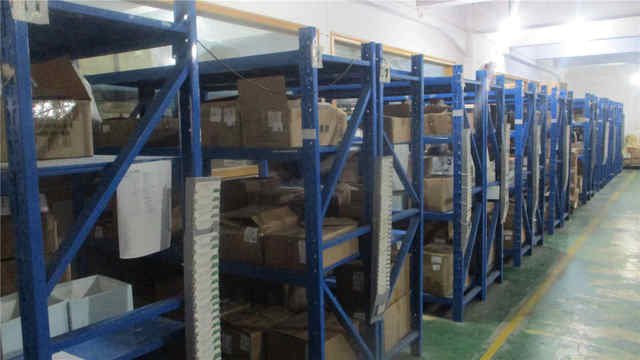
“AgBio Energy integrates engineering expertise, process optimization, and advanced manufacturing technologies to develop reliable composting and organic waste recycling systems. The company operates modern production workshops, assembly lines, and testing facilities to ensure product quality, operational efficiency, and long-term reliability.”
Exploring how aerobic digestion systems resolve site-specific operational challenges across multiple vertical industries.
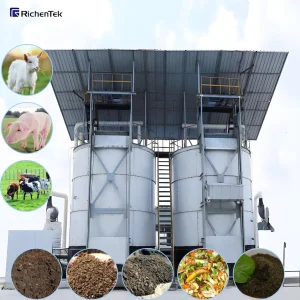
Manure management is a major bottleneck for modern poultry and swine operations. AgBio Energy's closed-loop fermentation tanks process animal feces and bedding materials, converting high-nitrogen inputs into high-value organic fertilizers within 48 hours. By controlling internal aeration rates and biological parameters, the system suppresses volatile ammonia compounds and controls odor emission at the source.
Urban localized systems require zero-discharge and zero-nuisance footprint operations. The Vertical Composting System is designed for centralized city sorting centers. Operating under negative internal air pressure, all process exhaust gases are directed to integrated biological scrubbers, preventing odor dispersion into adjacent urban communities while reclaiming up to 90% dry volume.
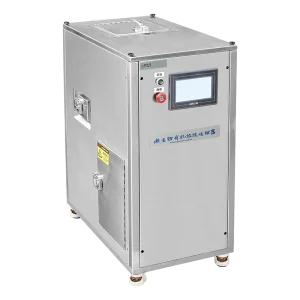
For hotels, universities, and commercial catering businesses, manual feeding aerobic units provide localized food residue disposal. Processing up to 20kg to 500kg daily, these smart devices reduce waste bulk onsite. They rely on high-temperature bacterial cultures to degrade starch, fiber, and oil into localized landscaping soil enhancers.
Insights into engineering shifts, software integration, and the emerging technologies shaping aerobic organic digestion.
Traditional composting required constant manual turning and inspection to ensure consistent core temperatures and oxygen levels. The next generation of industrial fermentation systems features IoT sensors connected directly to industrial Programmable Logic Controllers (PLCs).
These systems dynamically monitor relative humidity, oxygen concentration, and internal temperature profiles. If the moisture sensor detects levels exceeding 65% (which can cause anaerobic pockets), the PLC automatically activates the forced aeration fans and oil-jacket heating units, adjusting the internal environment to optimal thermophilic activity. This eliminates operational errors and reduces electricity consumption by up to 35% compared to continuous-running models.
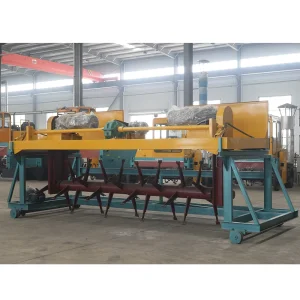
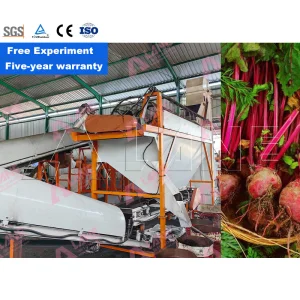
As every feedstock (poultry manure, municipal food scrap, beet pulp, garden clippings) has distinct moisture, density, and C:N (carbon-to-nitrogen) profiles, a "one-size-fits-all" solution is rarely effective. Chengdu AgBio Energy offers extensive OEM and ODM services. Customizations include variable agitator designs (trough type, screw augers, vertical paddles), tailored corrosion protection coatings, and auxiliary sorting/crushing interfaces to adapt to specific operating conditions.
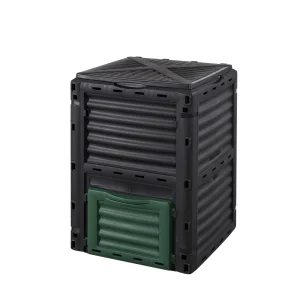
Instead of transporting heavy wet organic waste over long distances, businesses are deploying modular micro-composters directly at the generation source. This eliminates transport costs and secondary carbon emissions.
Modern vertical fermenters capture the biological heat generated during the peak thermophilic phase. This recycled heat pre-heats incoming fresh waste streams, decreasing startup auxiliary energy requirements.
By stabilizing and neutralizing nitrogen before soil application, aerobic digestate prevents ammonia volatilization, increasing total organic carbon content in soils and earning carbon offset credits.
Core evaluation parameters for procurement officers to consider when investing in industrial waste treatment infrastructure.
Select systems capable of processing surge loads. A vertical tank utilizes vertical space, maximizing treatment capacity per square meter and reducing site acquisition and civil engineering costs.
Evaluate the materials in contact with wet waste. Systems with low-grade mild steel corrode quickly, causing frequent downtime. Prioritize SUS304 shell structures to extend equipment life beyond 15 years.
Verify CE, ISO 9001, and local environmental compliance certifications. Systems must maintain reliable biological filtration units to meet strict local limits on odors and volatile organic compounds (VOCs).
A global leader in organic waste recycling, modern compost manufacturing, and resource recovery technologies.
Chengdu AgBio Energy Co., Ltd. is a professional manufacturer specializing in organic waste composting equipment, food waste recycling systems, and sustainable waste treatment solutions. Established in 2013 and headquartered in Chengdu, Sichuan Province, China, the company is dedicated to helping businesses, agricultural operations, municipalities, and environmental service providers transform organic waste into valuable resources. With a modern manufacturing facility covering more than 16,000 square meters and a team of over 230 employees, AgBio Energy delivers efficient and environmentally responsible waste management technologies to customers around the world.
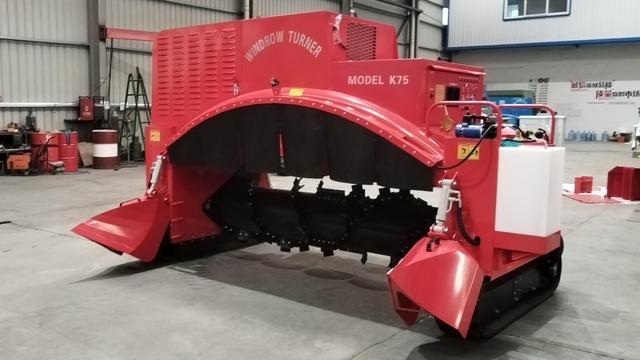
The company's product portfolio includes organic waste composting machines, food waste treatment systems, aerobic fermentation equipment, agricultural waste recycling solutions, manure composting systems, organic fertilizer production lines, municipal bio-waste treatment equipment, and intelligent composting management systems. These solutions are widely used in farms, food processing facilities, restaurants, hotels, commercial waste treatment centers, agricultural cooperatives, and municipal environmental projects.
In addition to standard equipment, AgBio Energy offers OEM and ODM services, providing customized waste treatment solutions tailored to specific project requirements, processing capacities, and operational environments. The company works closely with environmental organizations, agricultural enterprises, waste management operators, and project contractors worldwide.
Committed to innovation, sustainability, and resource recovery, Chengdu AgBio Energy Co., Ltd. continues to support global efforts toward circular economy development, landfill reduction, and environmentally responsible organic waste management through advanced composting and recycling technologies.
Get professional, technical answers to common questions about aerobic waste treatment and equipment selection.
Heavy-duty solutions for industrial wood recycling, livestock bedding recovery, organic fertilizer pelletizing, and high-efficiency water filtration.
 AgBio Energy