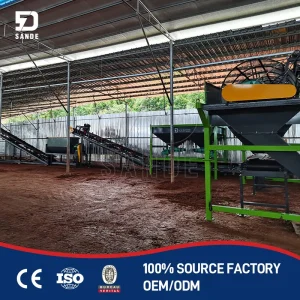
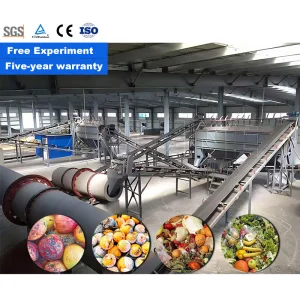
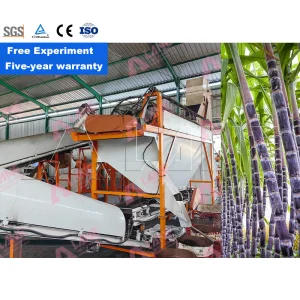
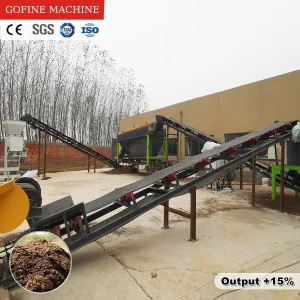
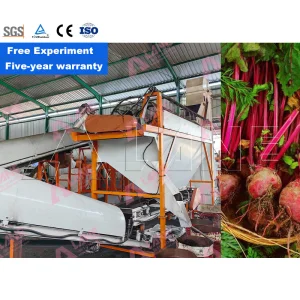
High-efficiency equipment tailored for Central European agricultural waste profiles
Hungary, often referred to as the "Breadbasket of Europe," possesses some of the most fertile soils in the Pannonian Basin. However, decades of intensive chemical farming have led to a gradual depletion of organic carbon content. As the European Green Deal and the Hungarian National Waste Management Plan 2021-2027 take full effect, the transition toward organic fertilizer composting lines is no longer just an environmental choice—it is a commercial necessity.
With over 5 million hectares of agricultural land, Hungary is seeing a 15% annual increase in demand for localized organic waste processing to mitigate the rising cost of imported synthetic NPK fertilizers.
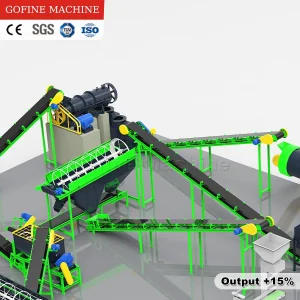
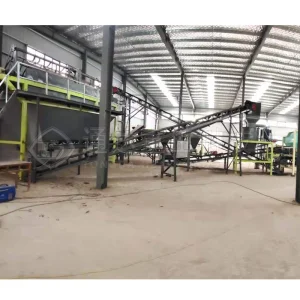
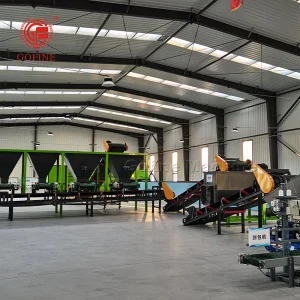
Integration of IoT-monitored aerobic fermentation. Large-scale farms in regions like Hajdú-Bihar and Bács-Kiskun are shifting toward automated industrial-scale pelletizing lines to improve fertilizer logistics.
All AgBio Energy systems exported to Hungary meet the stringent EU Nitrates Directive (91/676/EEC) and Regulation (EU) 2019/1009 on fertilizing products.
As a leading exporter to the Hungarian market, Chengdu AgBio Energy Co., Ltd. provides more than just machinery; we provide a full-lifecycle technical roadmap for organic waste valorization.
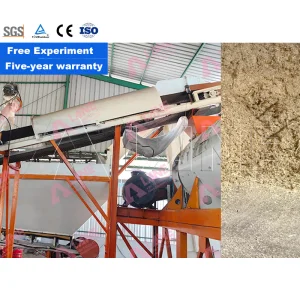
Hungarian livestock manure (poultry, pig, and cattle) often varies in moisture content. Our systems utilize intelligent shredding and mixing technology to ensure an optimal Carbon-to-Nitrogen (C:N) ratio before fermentation begins. This is critical for the cold Hungarian winters where biological activity can naturally slow down.
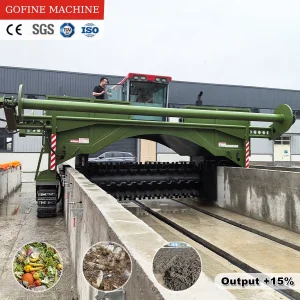
Utilizing our proprietary thermostatic aeration film cover systems, we maintain core temperatures of 55-70°C even in sub-zero ambient temperatures. This ensures the total elimination of pathogens and weed seeds, fulfilling EU biosecurity standards.
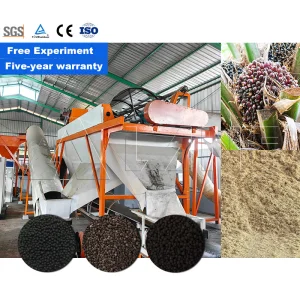
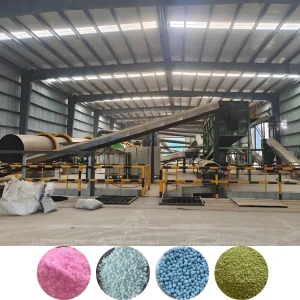
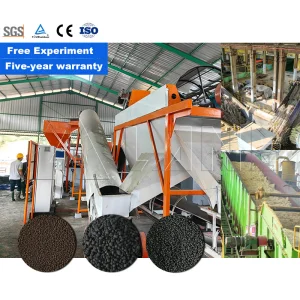
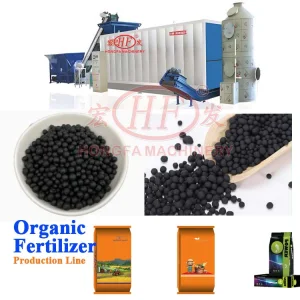
For the Hungarian export market, fertilizer must be easy to transport and apply via standard agricultural machinery. Our granulation lines produce uniform, dust-free pellets with high mechanical strength and controlled release properties.
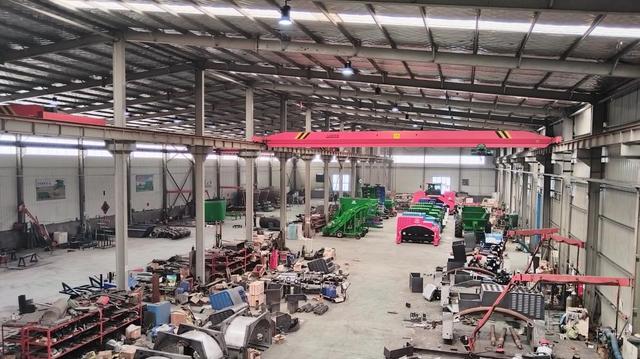
Chengdu AgBio Energy Co., Ltd. is a professional manufacturer specializing in organic waste composting equipment, food waste recycling systems, and sustainable waste treatment solutions. Established in 2013 and headquartered in Chengdu, Sichuan Province, China, the company is dedicated to helping businesses, agricultural operations, municipalities, and environmental service providers transform organic waste into valuable resources. With a modern manufacturing facility covering more than 16,000 square meters and a team of over 230 employees, AgBio Energy delivers efficient and environmentally responsible waste management technologies to customers around the world.
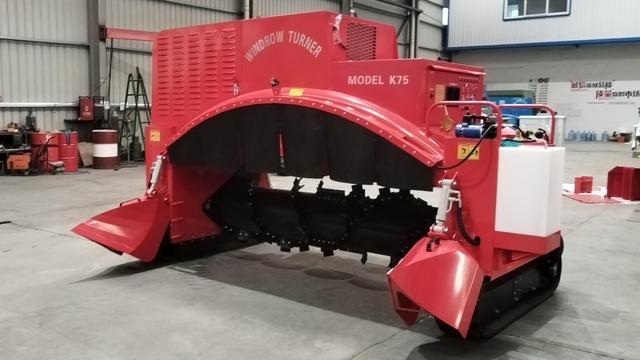
The company's product portfolio includes organic waste composting machines, food waste treatment systems, aerobic fermentation equipment, agricultural waste recycling solutions, manure composting systems, organic fertilizer production lines, municipal bio-waste treatment equipment, and intelligent composting management systems. These solutions are widely used in farms, food processing facilities, restaurants, hotels, commercial waste treatment centers, agricultural cooperatives, and municipal environmental projects.
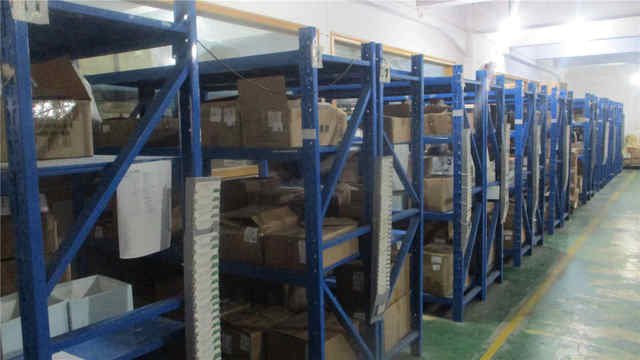
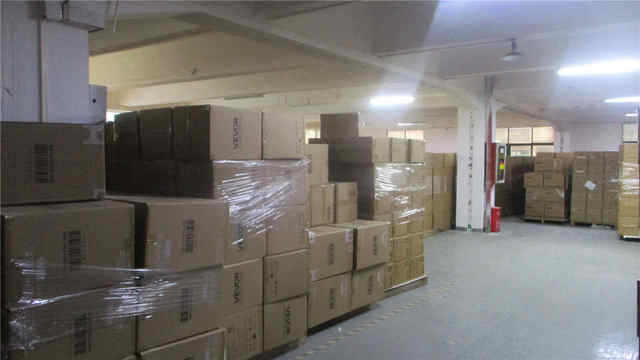
For Hungarian importers and large-scale agricultural cooperatives, the primary concern is often after-sales support and parts availability. AgBio Energy addresses this through our "Local-Global" service model:
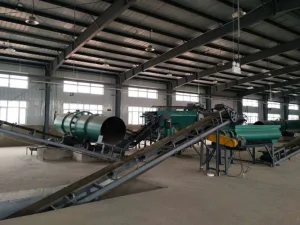
Comprehensive solutions from fermentation to pelletizing
 AgBio Energy