Organic Waste Composting Machine for Agricultural and Livestock Farm

Product Description

Product Description

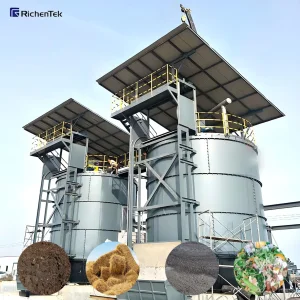
Energy-Saving Fermentation Tank (Version 2.0)

The 2.0 version of the energy-saving fermentation tank utilizes four major energy-saving technologies to achieve an effective energy reduction of 40%. For instance, processing manure with a 75% water content reduces power consumption per ton from approximately 60 units (v1.0) to about 35 units.
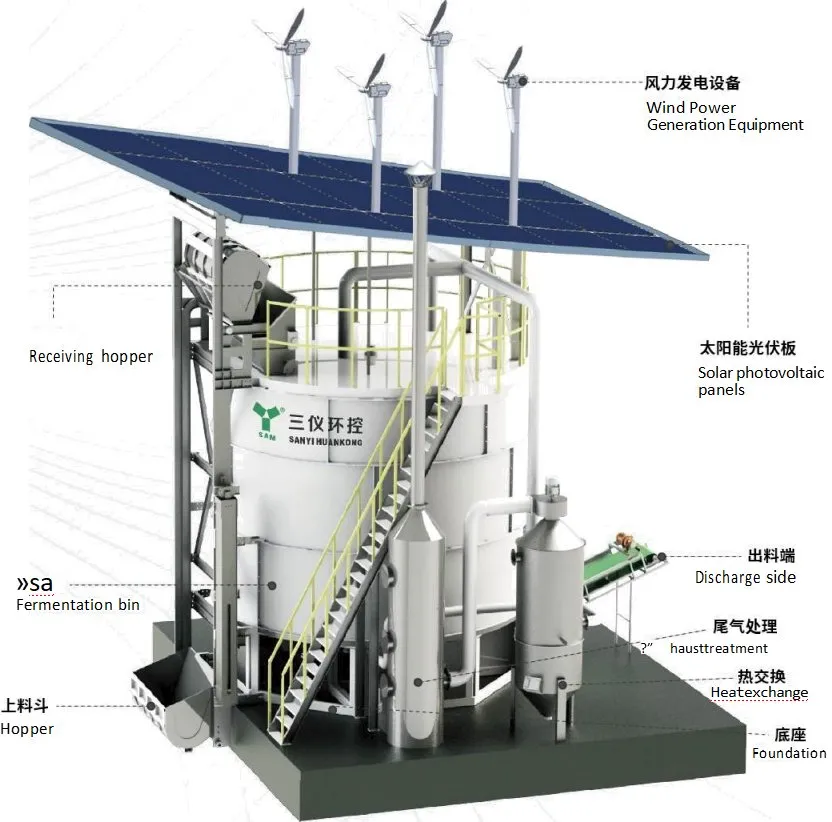
Fermentation Tank Equipment

Equipment Introduction

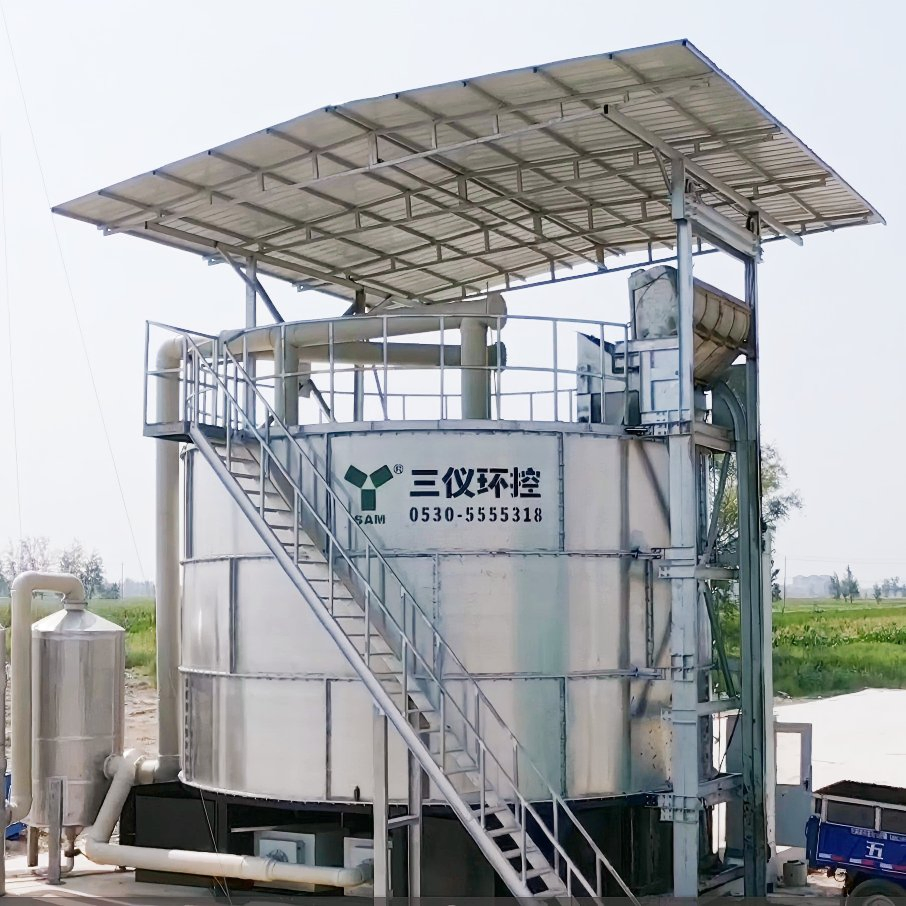
The equipment structure is divided into three functional parts:
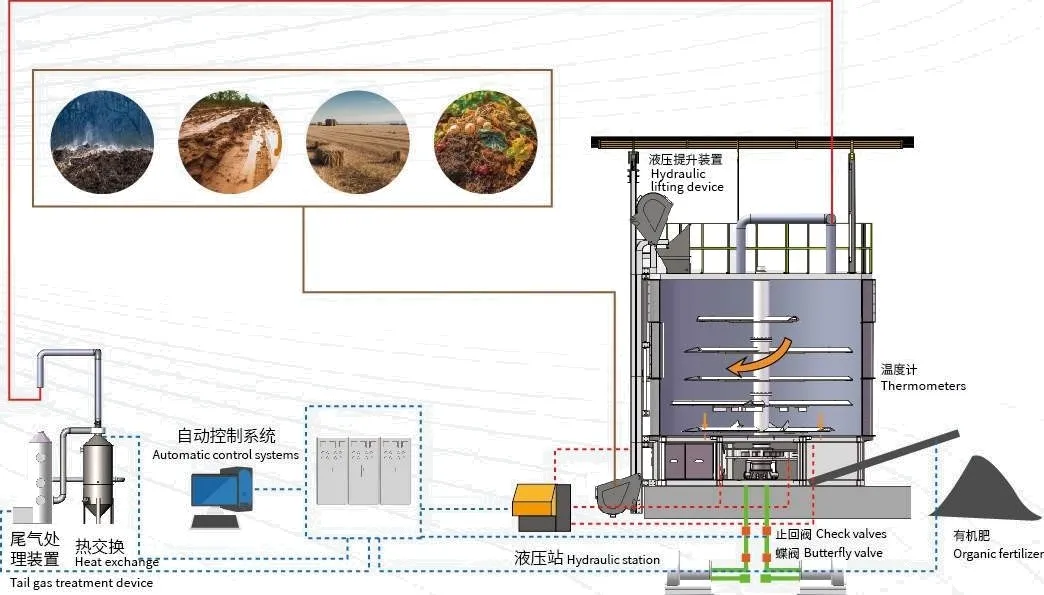
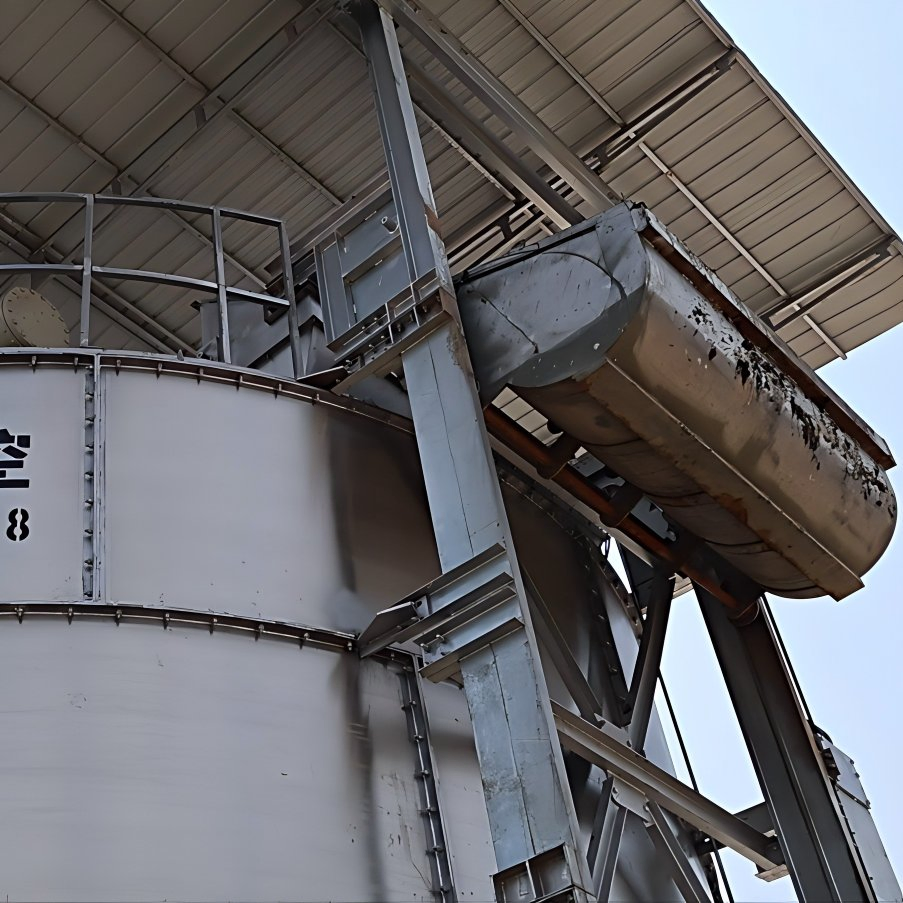
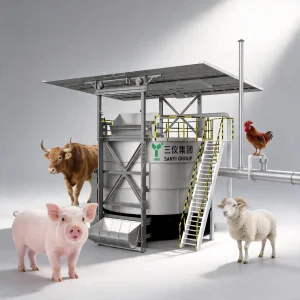
  • Base Part: Distributes hydraulic stations, scroll air pumps, cylinders, heating systems, and mixing shafts.
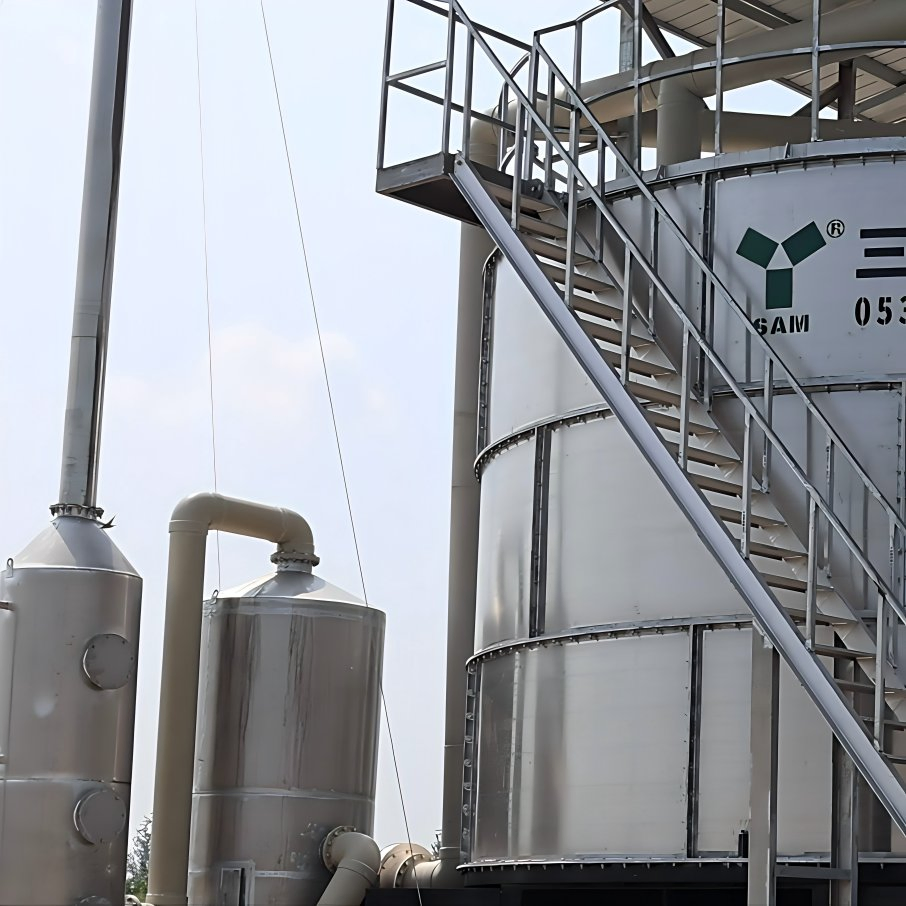
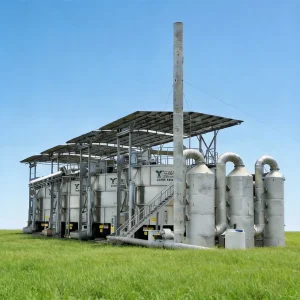
  • Middle Tank: Double-layer insulated tanks with automatic control and export devices. The inner wall uses 304 stainless steel plate to extend lifespan and reduce residue. Polyurethane foam insulation is used between the walls.
  • Upper Part: Composed of a wind and rain shed, testing platform, and exhaust facilities.
Process Principle

Process Principle

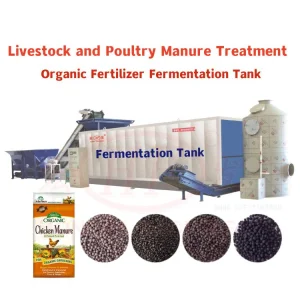
Livestock and poultry manure are processed in a closed warehouse through intelligent high-temperature aerobic fermentation. This rapidly degrades odors and harmful substances into soil-friendly organic matter. Fermentation temperatures reach 65-75°C, effectively killing pathogenic bacteria and insect eggs, ensuring the organic fertilizer meets quality standards (NY52S-2021).

Process Advantages

Low Operating Costs Short treatment cycle for feces and garbage using aerobic high-temperature technology.
Short Fermentation Cycle A complete cycle takes only about 15 days, allowing for daily input of manure and daily output of fertilizer.
Standardized Production Real-time display and recording of process parameters for accurate quality control.
Small Footprint A single unit requires only 70-105 square meters of floor space depending on the model.
Environmental Compliance Multi-layer filtration biological deodorization ensures gas discharge standards are met without secondary pollution.
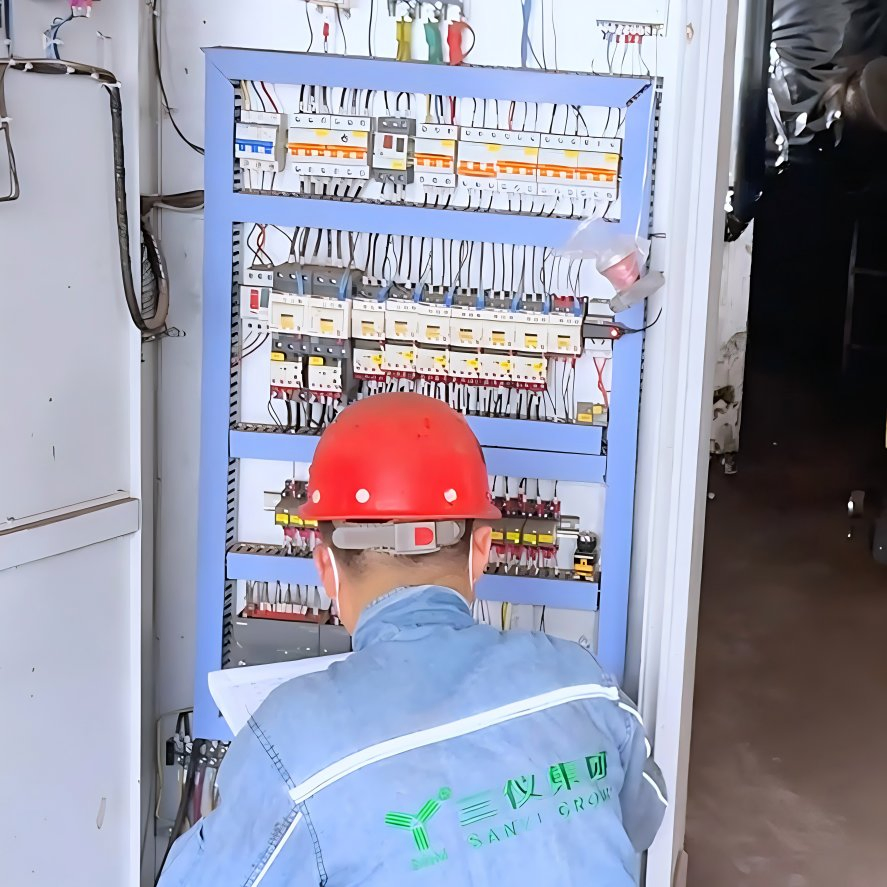
High Degree of Automation PLC control allows a single person to manage the entire fermentation treatment process.

Application Areas

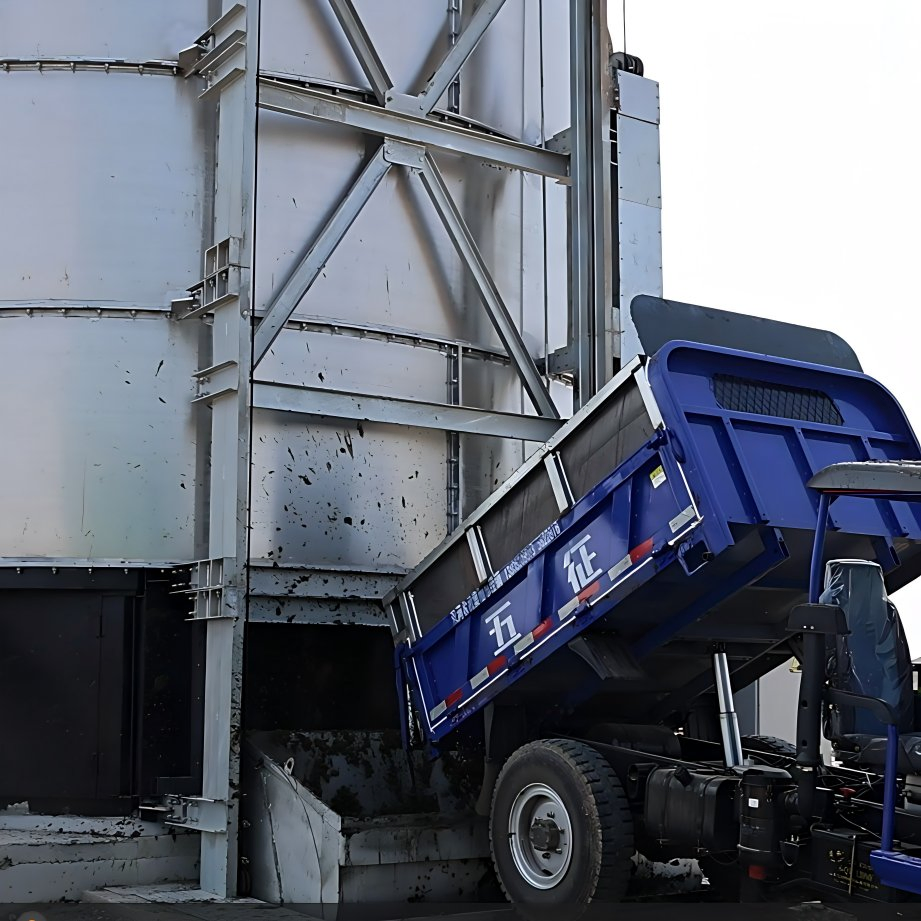
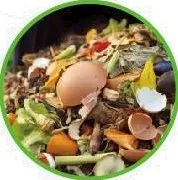
Suitable for harmless treatment and resource utilization of organic waste including chicken manure, dry pig manure, solid-liquid separation solids, sludge, and kitchen waste.

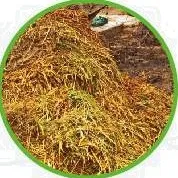
Application 1
Application 2
Application 3

Product Parameters

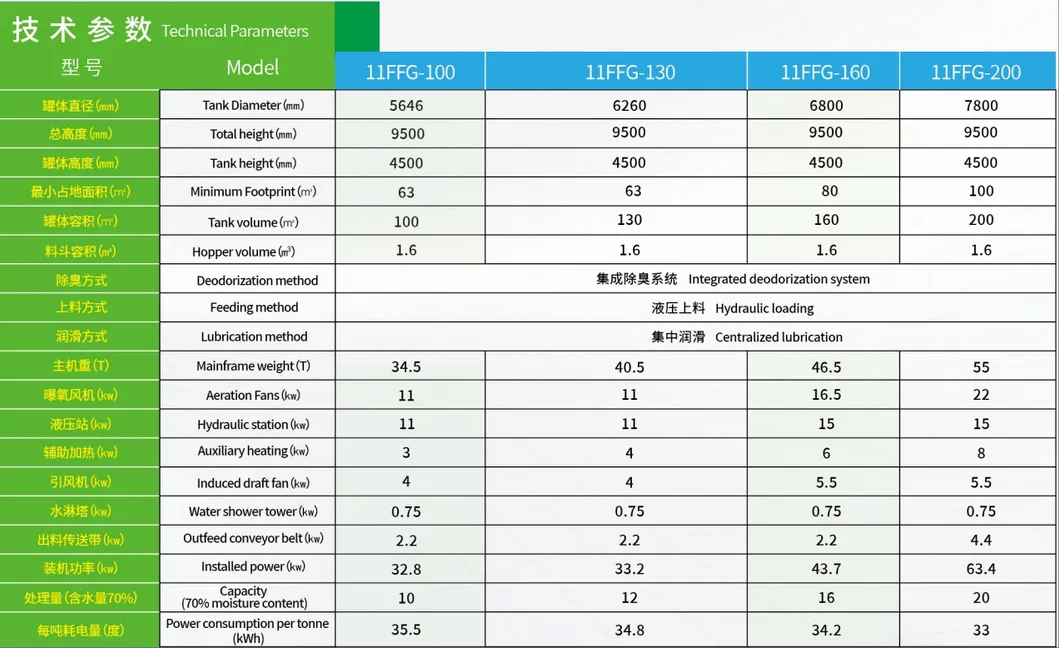
Product Technical Parameters

Production & Facilities

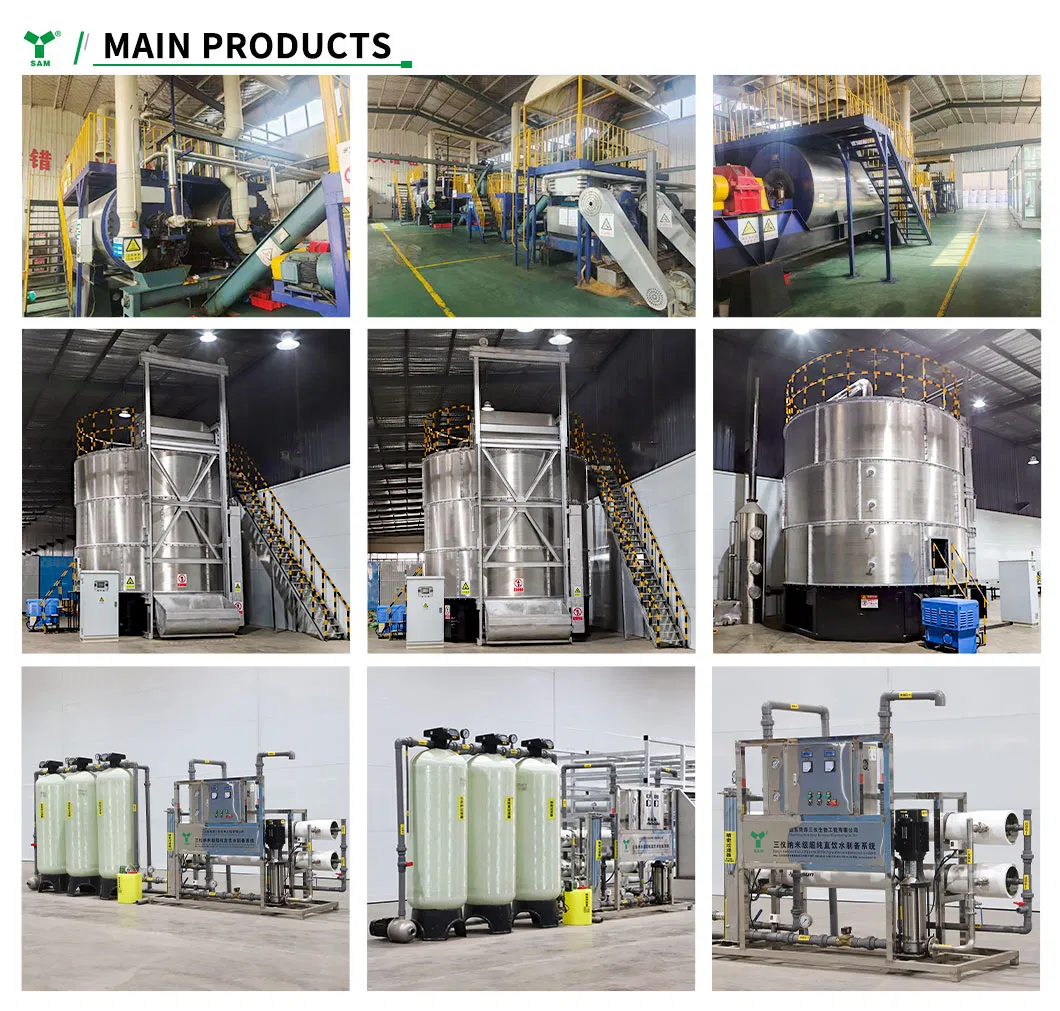
Main Products
Factory Overview

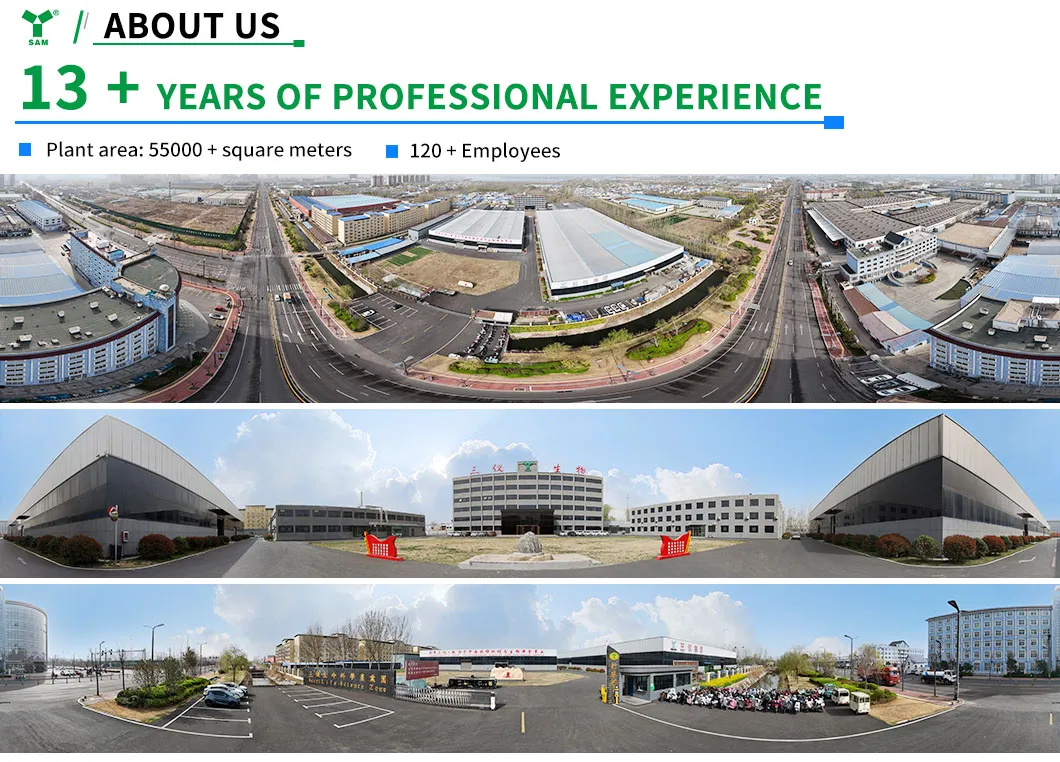
The group industries cover animal husbandry, environmental protection, animal health, and biological feed. With multiple production parks, the facility focuses on pasture environmental protection, disinfection, and new feed additives, covering a factory area of 55,000 square meters with a dedicated team of 120 employees.
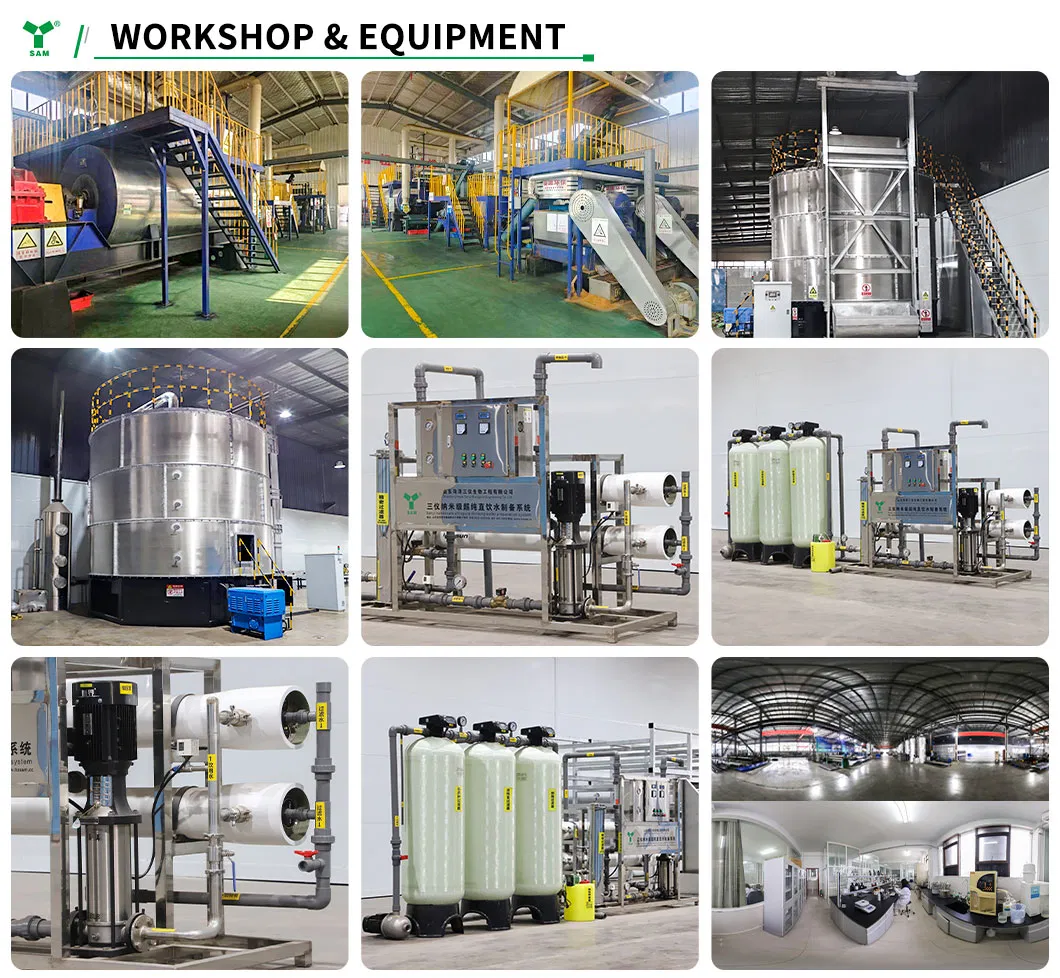
Production Workshop

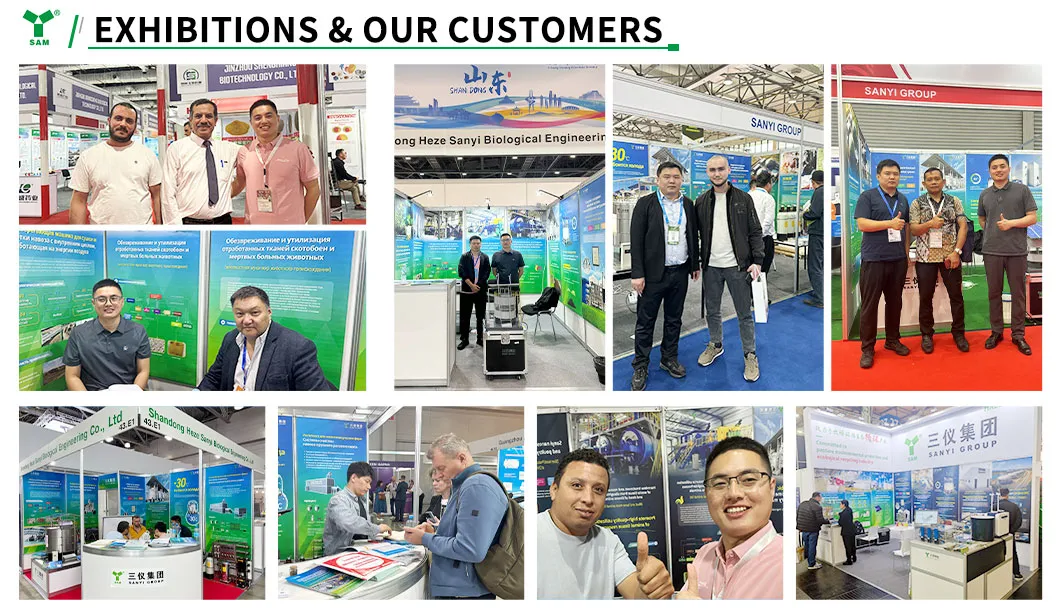
Exhibitions & Certifications

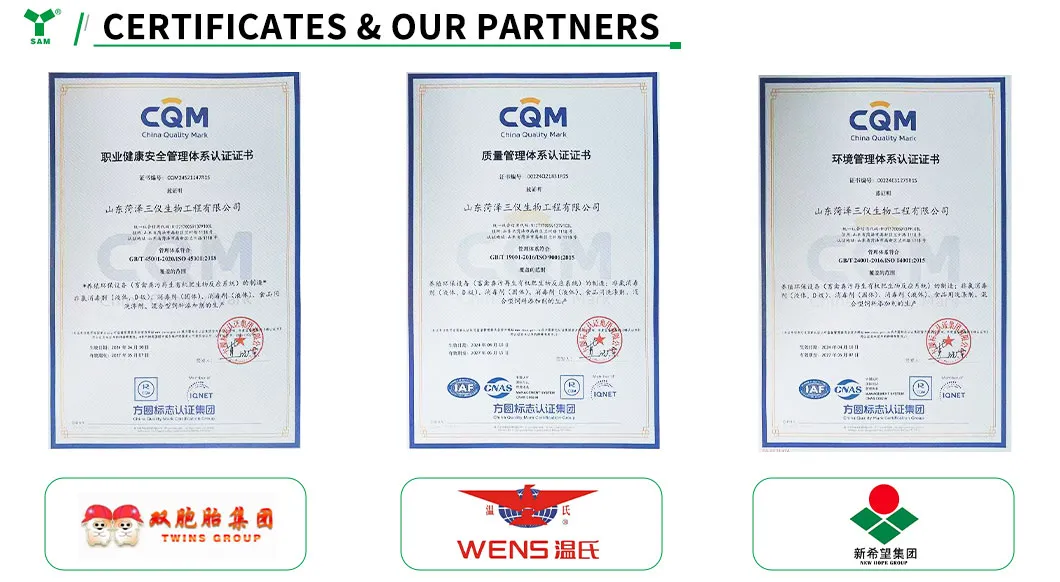
Exhibitions Certifications

Packaging & Shipping

Shipping Details

Frequently Asked Questions

1. What fields is the high temperature aerobic fermentation tank mainly used in?
The tank is used for livestock and poultry manure composting (pig/chicken/cow), organic waste recycling (straw/garden waste), municipal sludge, kitchen waste, and vegetable waste.
2. What information is needed before ordering?
Please provide your overall treatment requirements, material quality reports for the waste type, maximum required treatment capacity, and the intended use of the final product.
3. How long is the lead time for equipment?
Generally, the lead time is approximately 20 days, depending on specific needs and the scale of the project.
4. Is OEM service available?
Yes, we provide high-quality OEM services and customized product options to meet specific buyer requirements.
5. What technical support do you provide?
We provide free technical support at any time and can assist in designing the entire treatment process for your specific project.
6. What are the temperature requirements for effective fermentation?
The fermentation process maintains a temperature between 65-75°C to ensure the effective killing of insect eggs and pathogenic bacteria.

Related Products