Organic Fertilizer Production Line
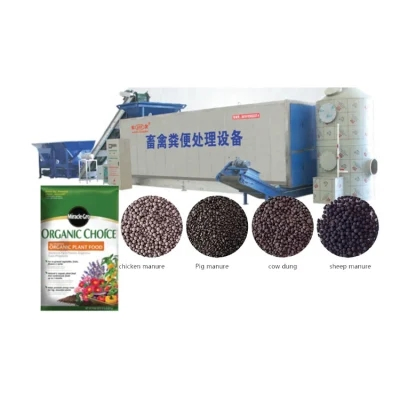
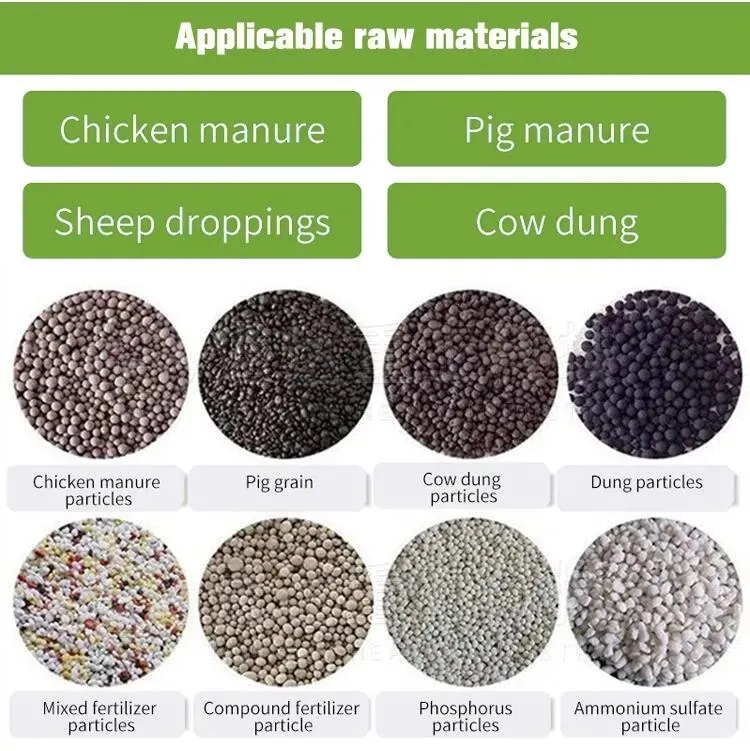
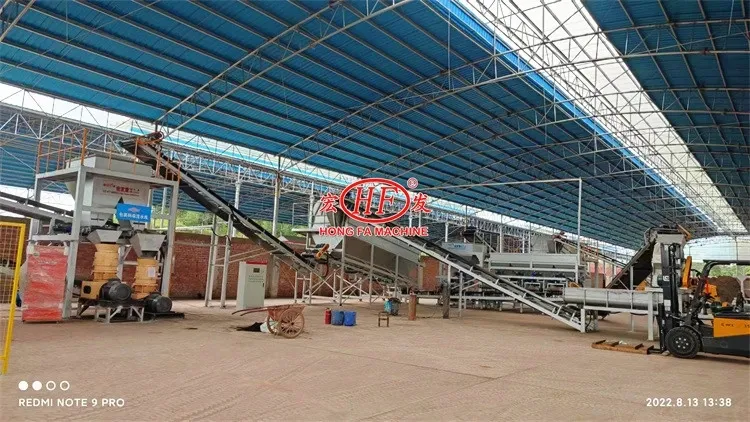
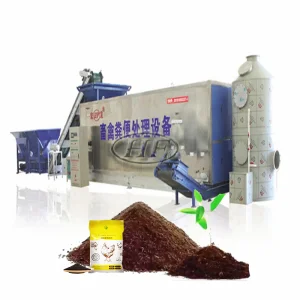
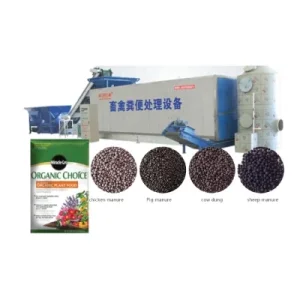
The Organic Fertilizer Production Line is specially designed to convert poultry manure such as sheep dung, pig manure, cow dung, cattle manure, duck droppings, and chicken manure into high-quality fertilizer. This production line creates environmentally safe fertilizer pellets suitable for retail chains, lawn & garden stores, and commercial agricultural use.
Key Benefit: High performance and environmentally friendly processing that turns livestock waste into sellable organic fertilizer.
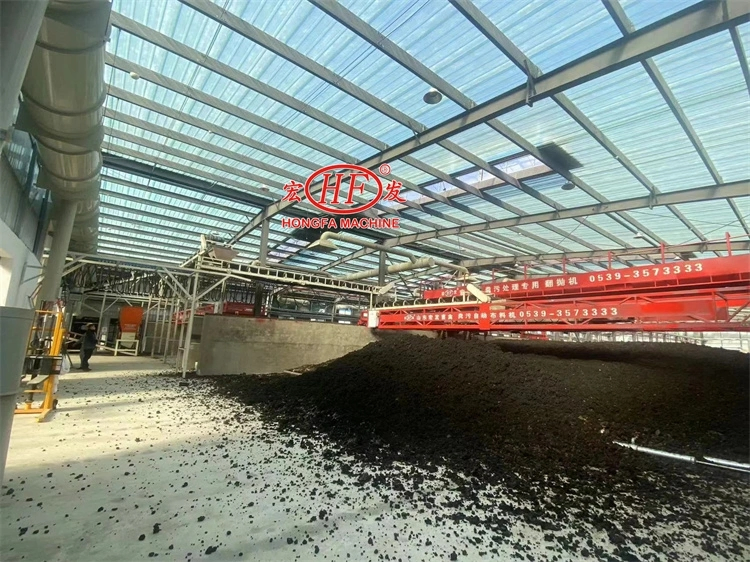
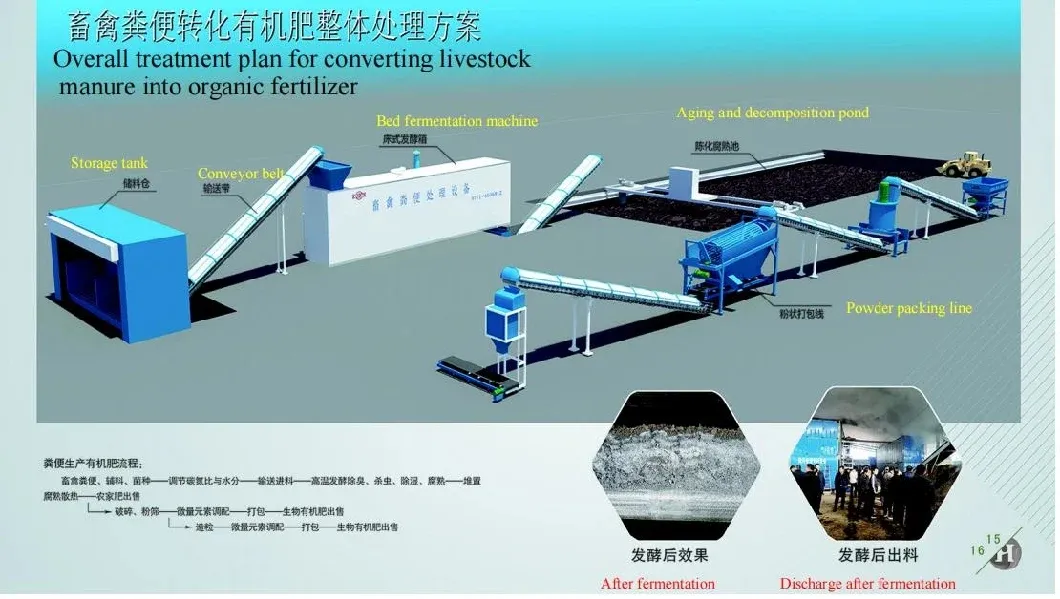
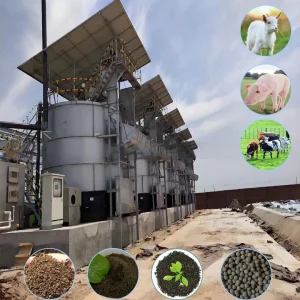
For cow dung processing, the material is pumped from dung pools, dehydrated to approximately 40% moisture content, and mixed with biological bacteria agents. Combined with fillers like straw or rice bran, the material ferments within 7-10 days to become a nutrient-rich base.
Agricultural & Commercial Applications
Agricultural production companies, independent farmers, golf courses, and commercial landscapers can use these organic manure fertilizer pellets to enhance soil nutrients and crop yield.
The flat die fertilizer production line enables an annual production of up to 30,000 tons. It addresses rural pollution issues caused by livestock breeding, protecting groundwater and soil while creating significant economic benefits through the disposal of animal manure and organic waste.
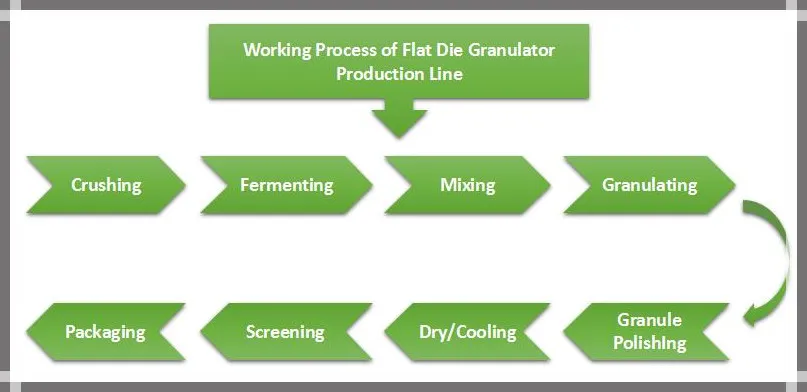
Production Process & Workflow
Raw Material Fermentation ➔
Crushing ➔
Mixing ➔
Drying ➔
Granulating ➔
Cooling ➔
Coating ➔
Packing
Complete Equipment Solutions
| Equipment Name |
Main Function |
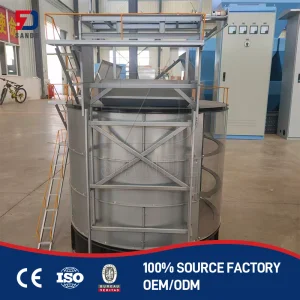
| 1. Fermentation Equipment |
Initial fermentation and composting of raw materials |
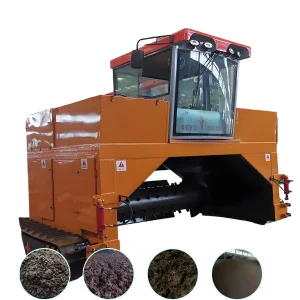
| 2. Roulette Tipping Machine |
Speed cooling and flipping after fermentation |
| 3. Crushing Machine |
Grinding materials to meet granulation requirements |
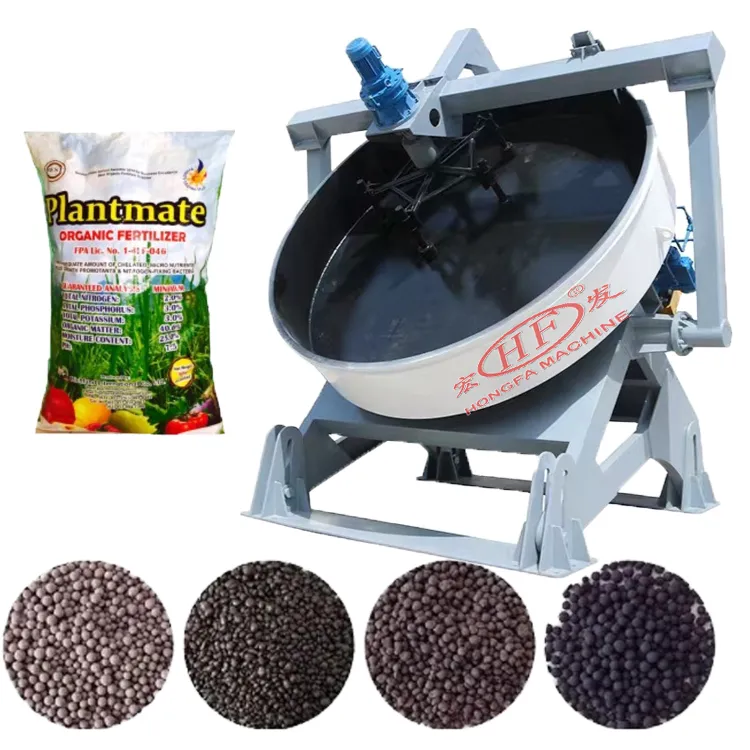
| 4. Organic Granulator |
Converting powder into uniform fertilizer pellets |
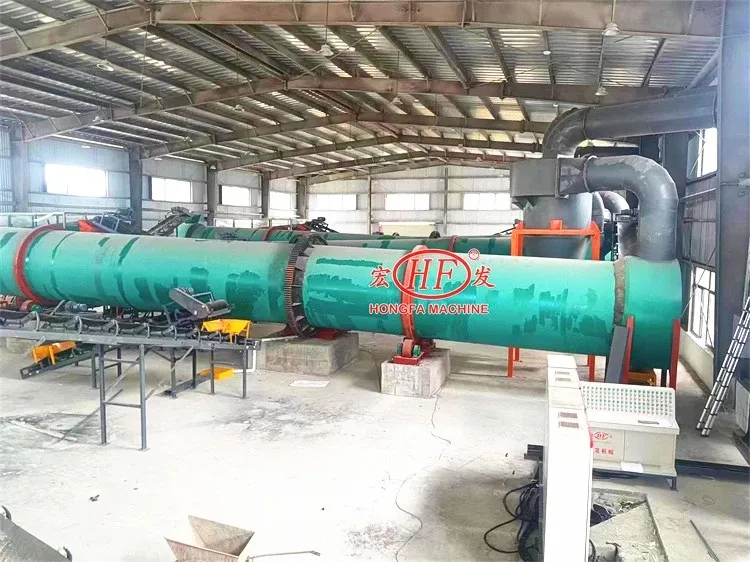
| 5. Rotary Dryer Machine |
Reducing moisture content after granulation |
| 6. Cooling Machine |
Heat removal for safe storage and transport |
| 7. Screener Machine |
Separating finished products from returned materials |
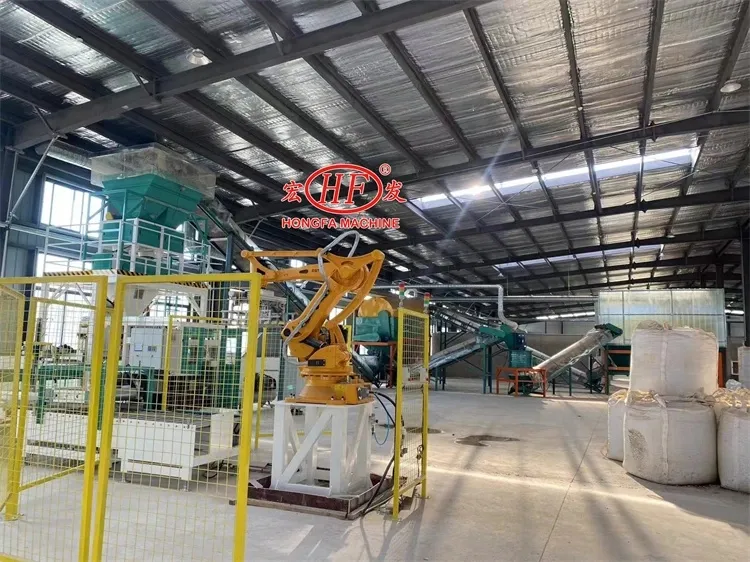
| 8. Packing System |
Automatic weighing, sealing, and packaging |
Core Components Breakdown
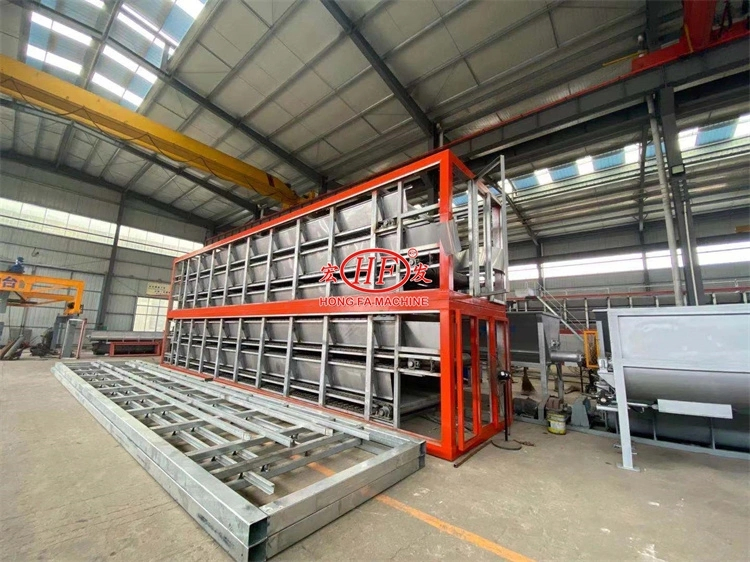
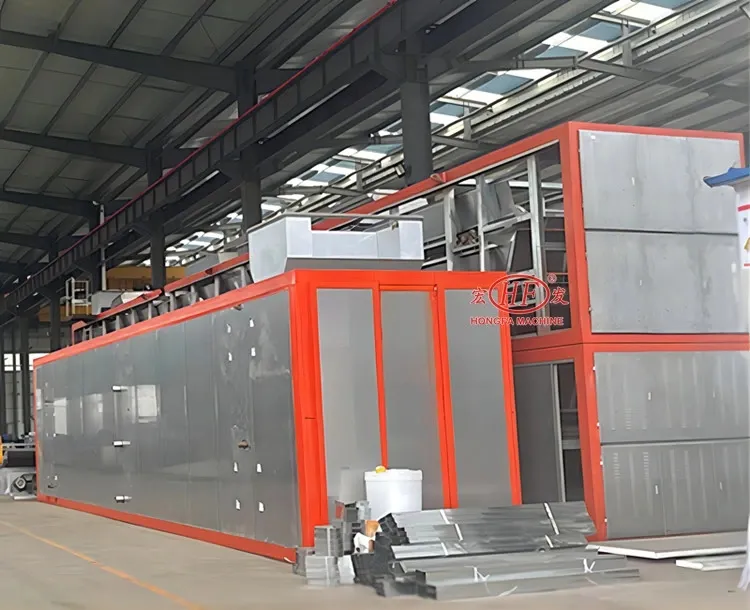
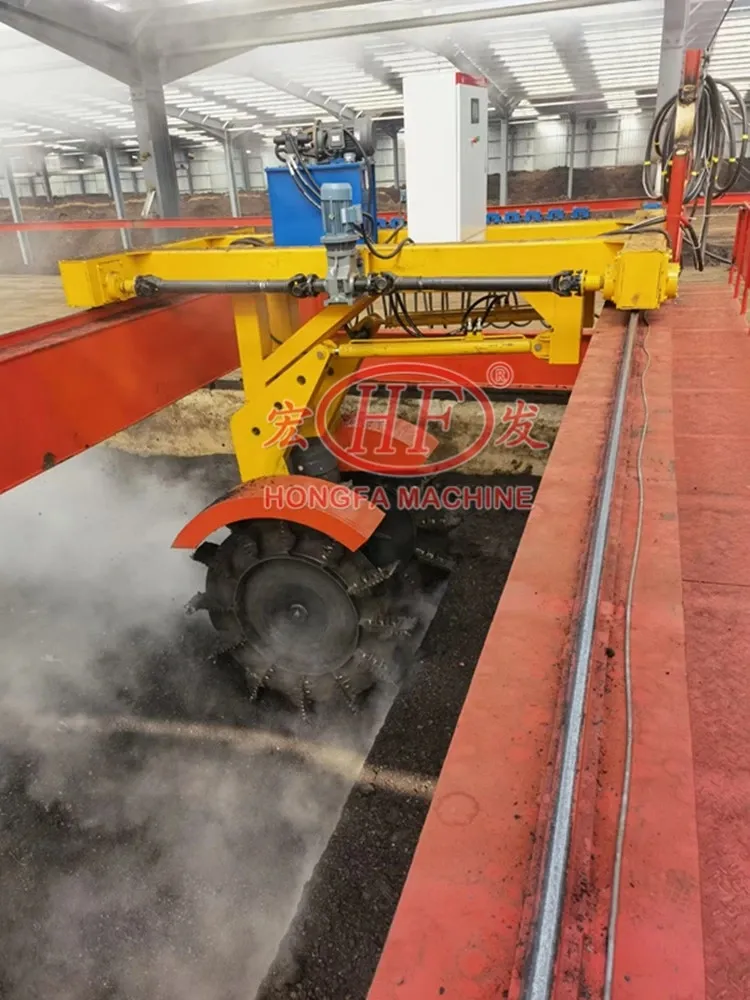
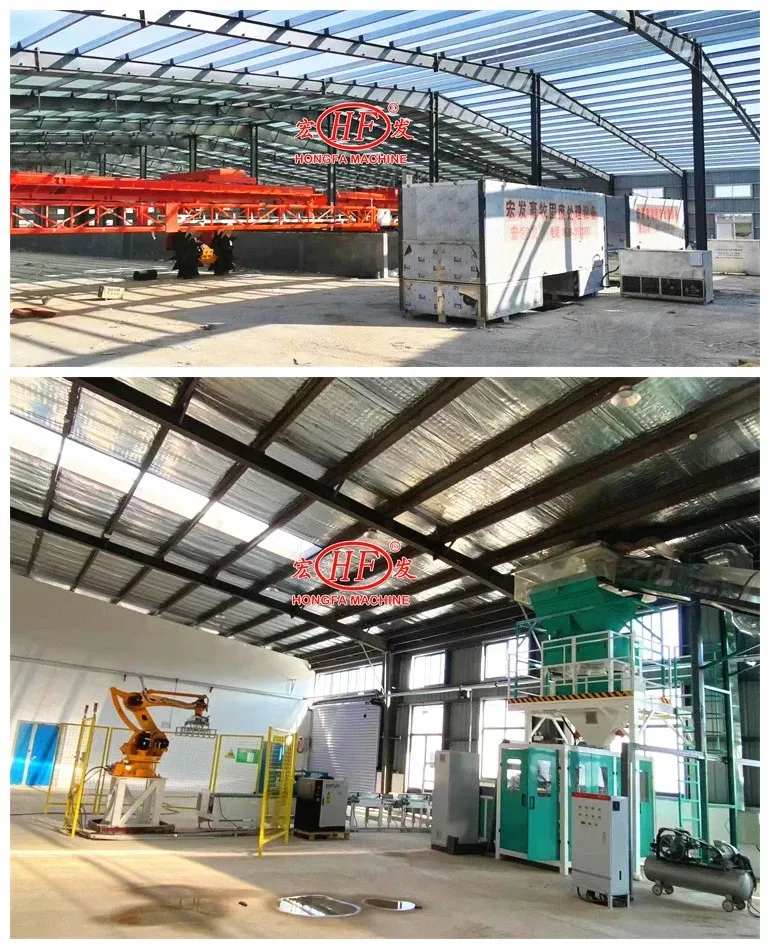
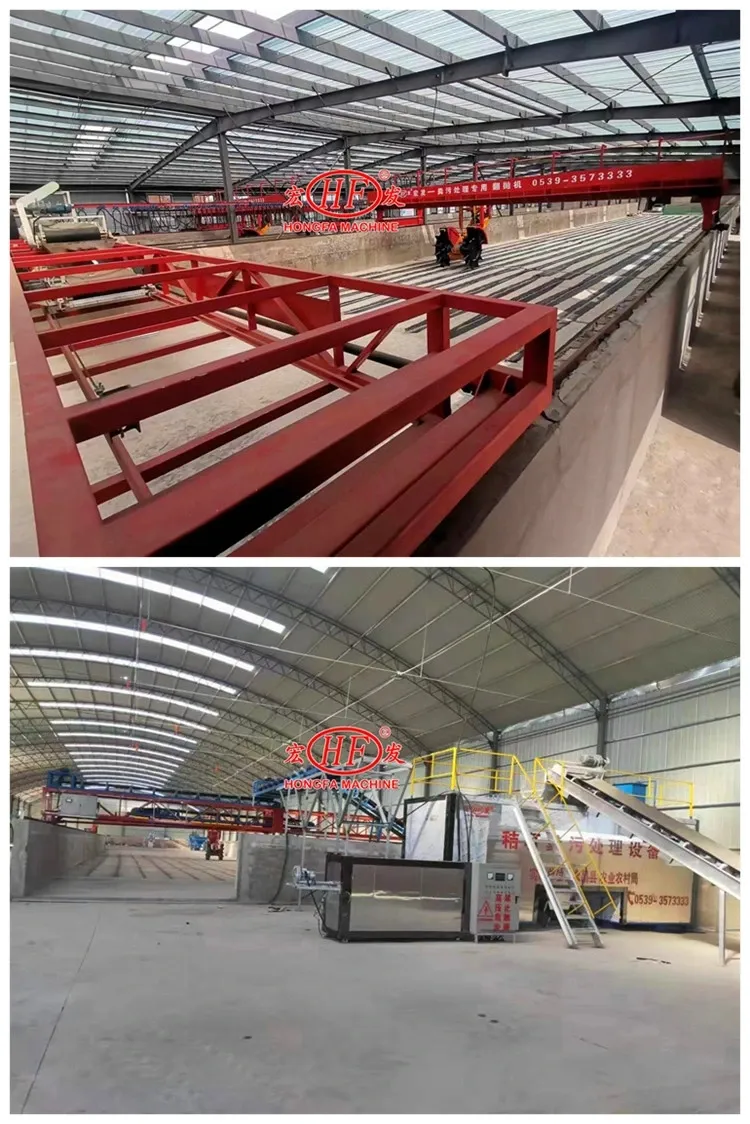
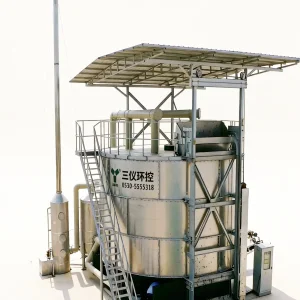
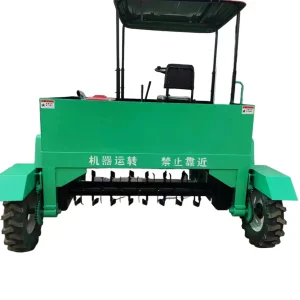
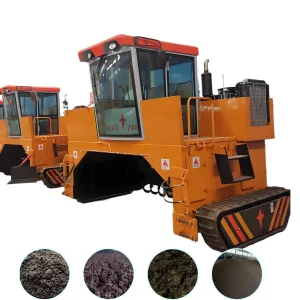
Fermentation & Tipping: Crucial for reaching harmless disposal standards. The roulette tipping machine ensures symmetrical flipping with no dead angles and low energy consumption.
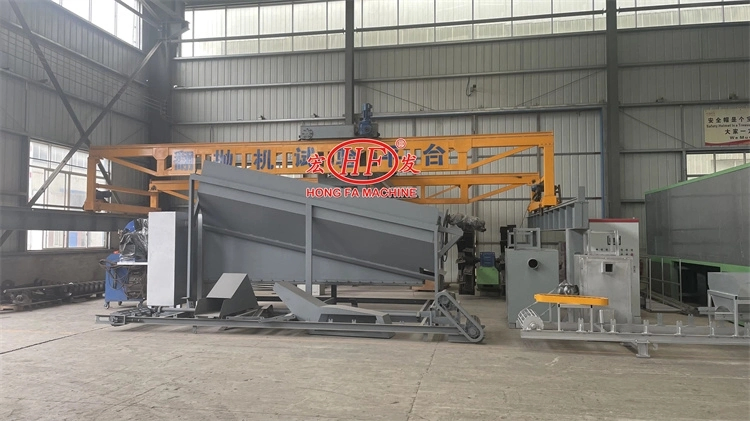
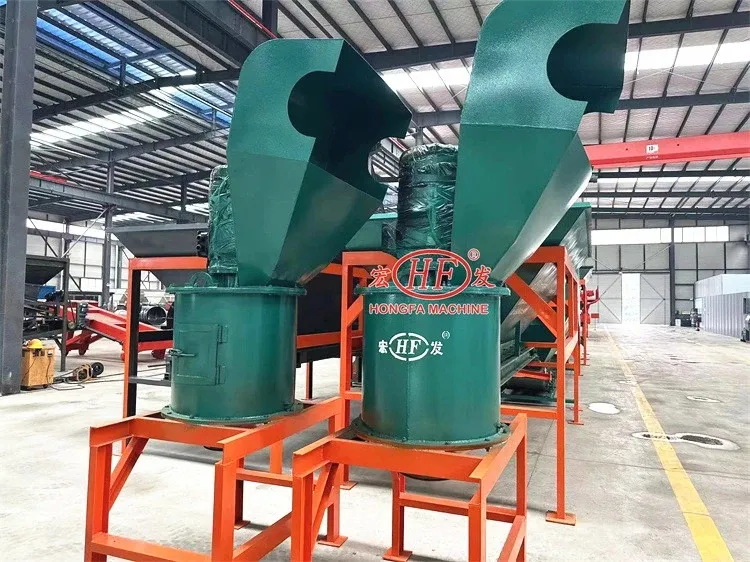
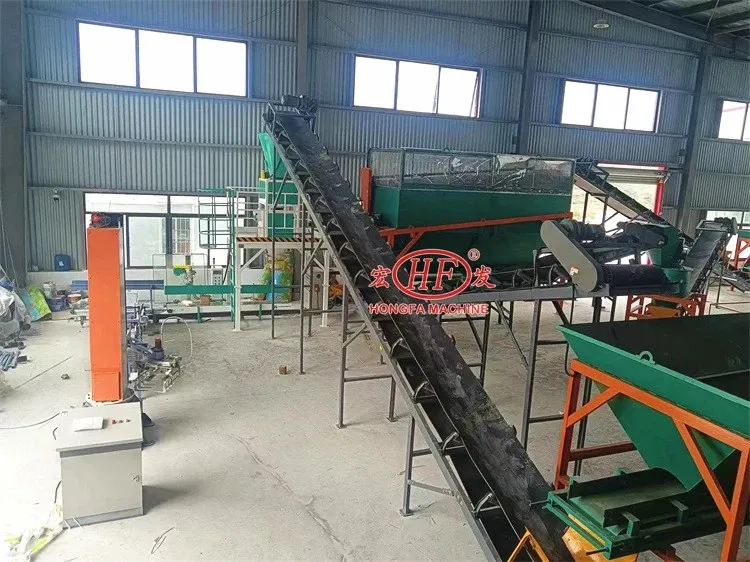
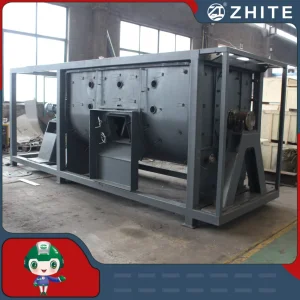
Crushing & Granulation: The semi-wet material crusher handles high-moisture livestock manure. The granulator features adjustable cutter heads and alloy dies (1.5mm - 20mm) for smooth, uniform pellets.
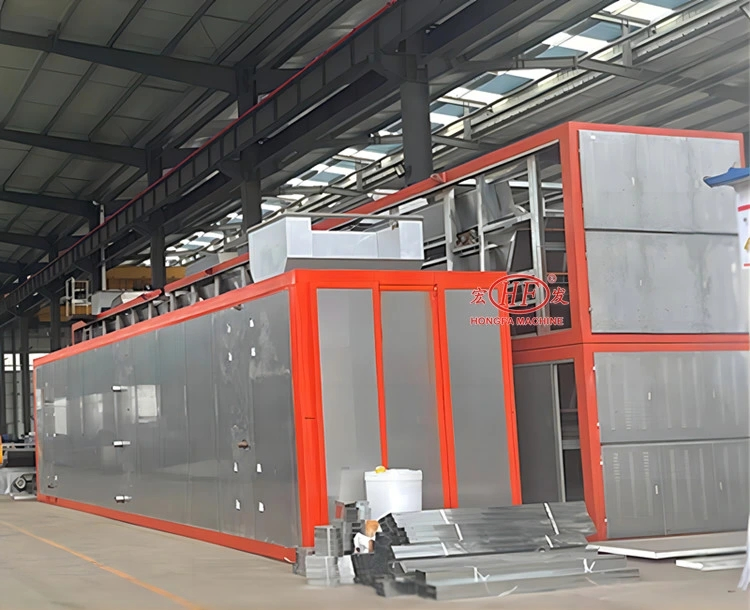
Drying & Packing: Rotary dryers reduce moisture from 40% down to 2-5%. The automatic packaging system enhances efficiency by integrating feeding, transporting, weighing, and sealing.
Smart Factory Solutions
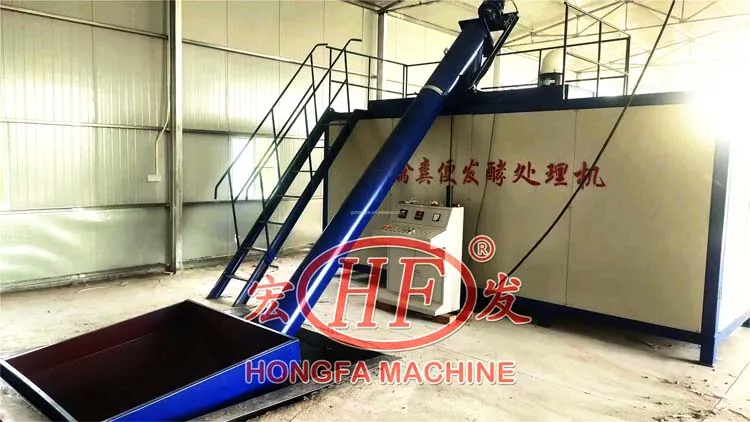
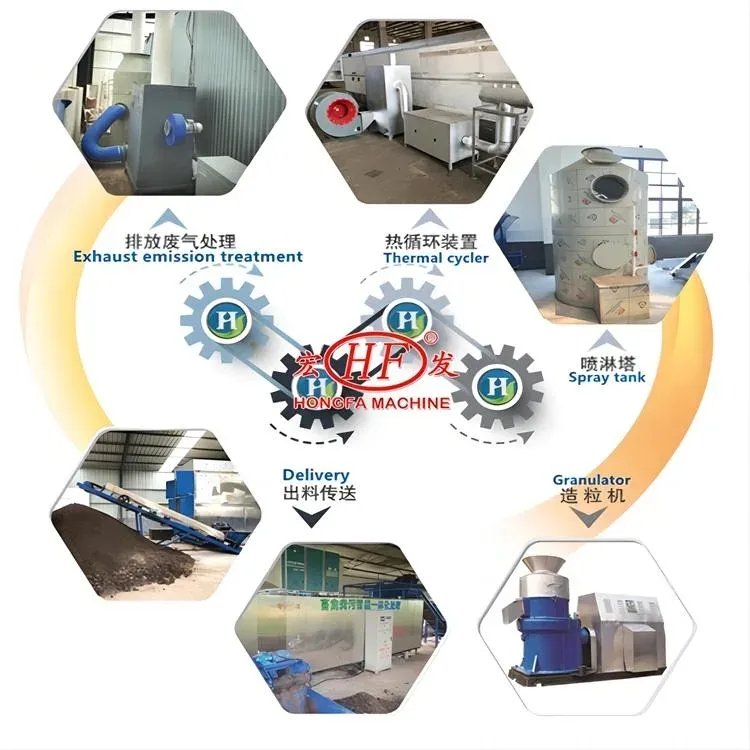
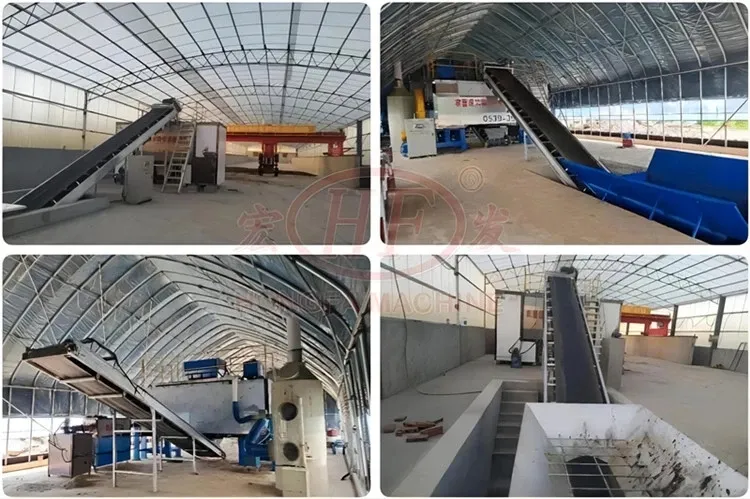
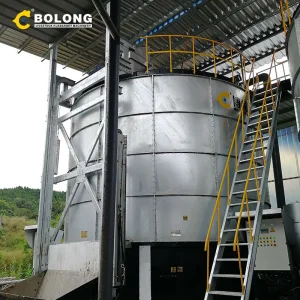
Features an intelligent, automated, and remote-controllable aerobic fermentation system. The entire process is designed within a closed air environment, utilizing PLC intelligent automatic control for material mixing and deodorization.
Manufacturing Excellence
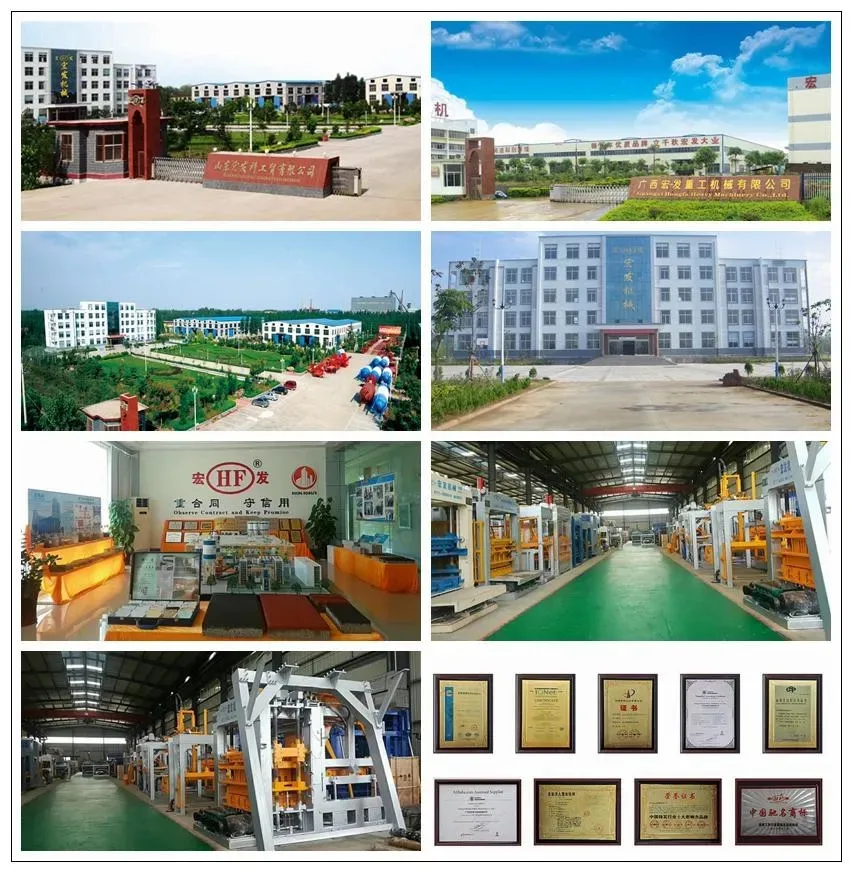
Over 30 years of industry experience with a dedicated team of 50+ engineers.
Large-scale production capacity with 4 major factories covering 440,000m².
Global reach serving over 10,000 customers across 120 countries.
Comprehensive service and logistics support system.
Frequently Asked Questions
Q1: Can you provide customized services for my plant?
Yes, organic fertilizer production plants can be specially designed based on your raw materials, capital budget, and capacity requirements. We also provide full plant layout designs.
Q2: How much budget is required for a production line?
We offer a wide range of machines, from large-scale 10 T/h commercial plants to home-use manure fertilizer pellet mills, catering to different financial requirements.
Q3: How many staff are required for a small plant?
A small production line typically requires 7-9 staff members: 2 for compost turner operation, 1 for the crusher, 2 for the blender, and 2 for packaging.
Q4: What is the lifespan of the machinery?
The main components have a lifespan of 5-8 years, which can extend to 8-10 years with proper maintenance. We provide a one-year guarantee on the main body.
Q5: How long does it take to convert waste into fertilizer?
The composting process typically takes 7-10 days, depending on local temperature, raw materials, and the type of compost turner used.
Q6: What technical support is provided?
We provide full technical support until your workers are proficient in operation, including operating instructions, technical data files, and lifelong guidance.
 AgBio Energy