Product Description
1. Advanced Technology
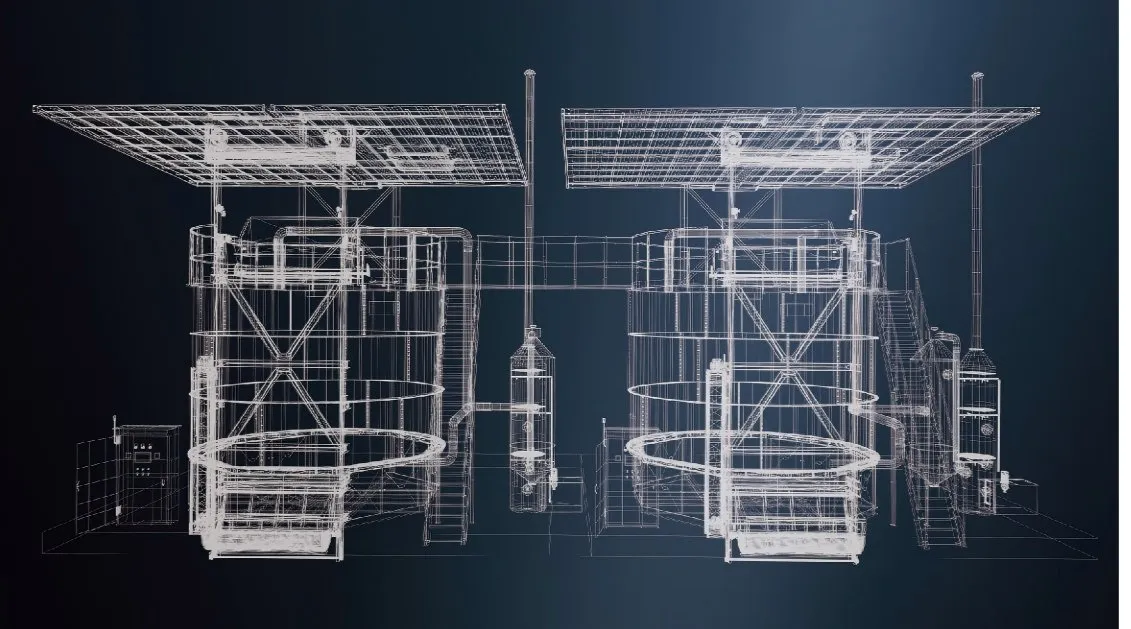
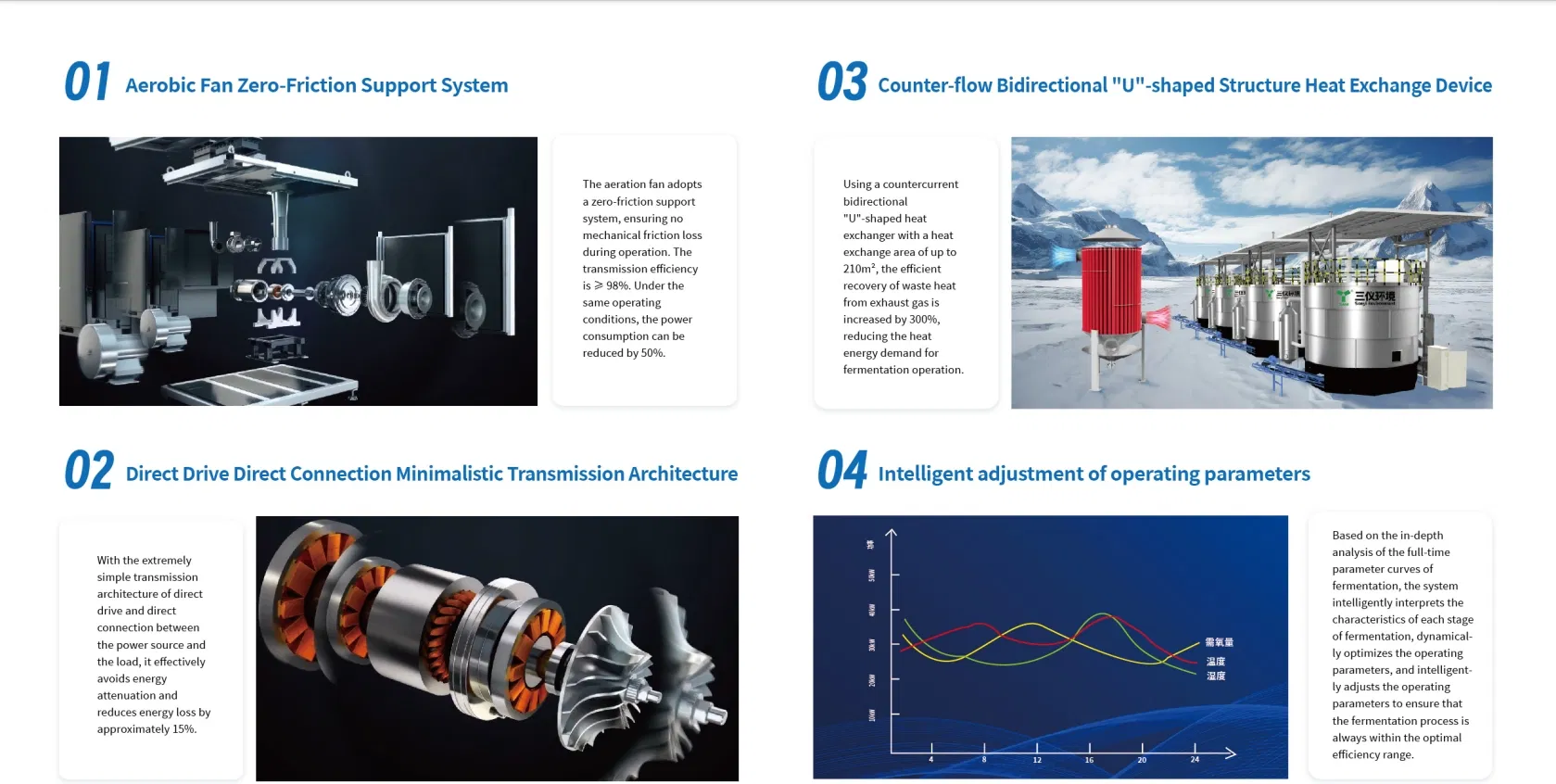
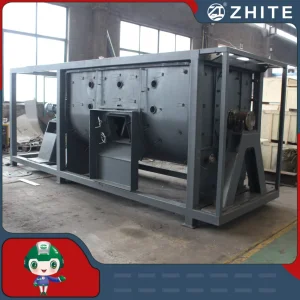
Precision-engineered structure ensures stable operation, long service life, and high fermentation efficiency.
2. Premium Materials
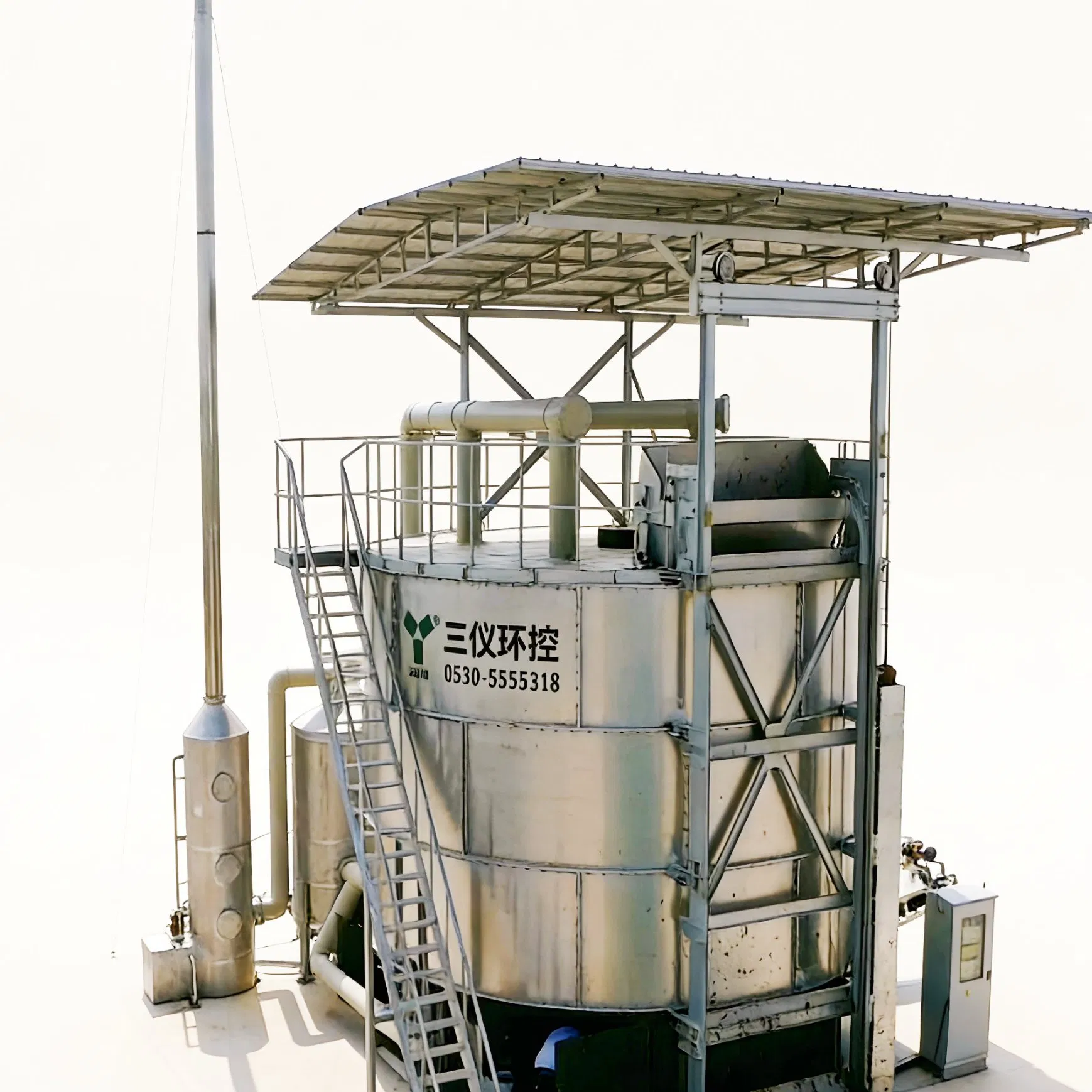
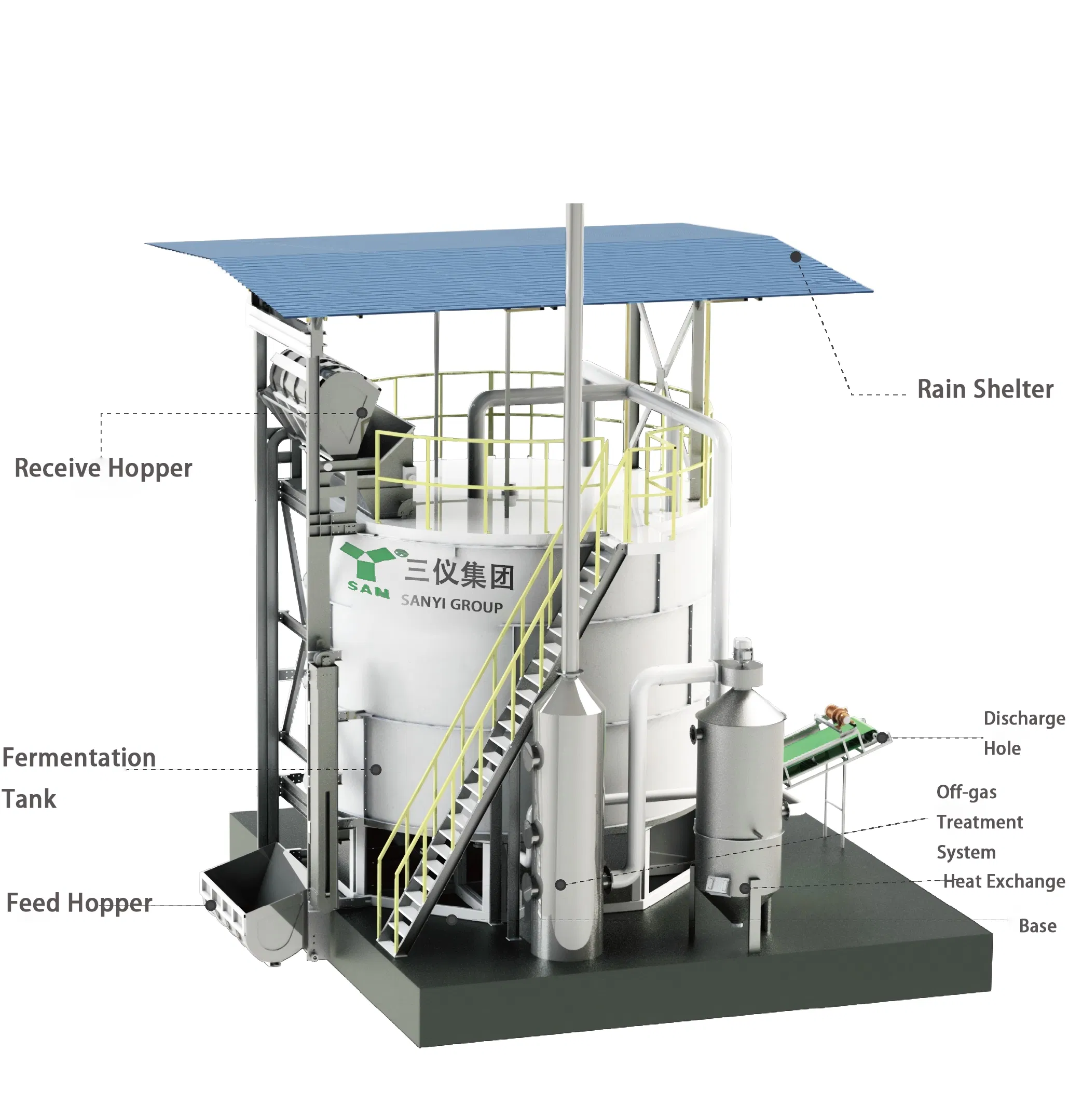
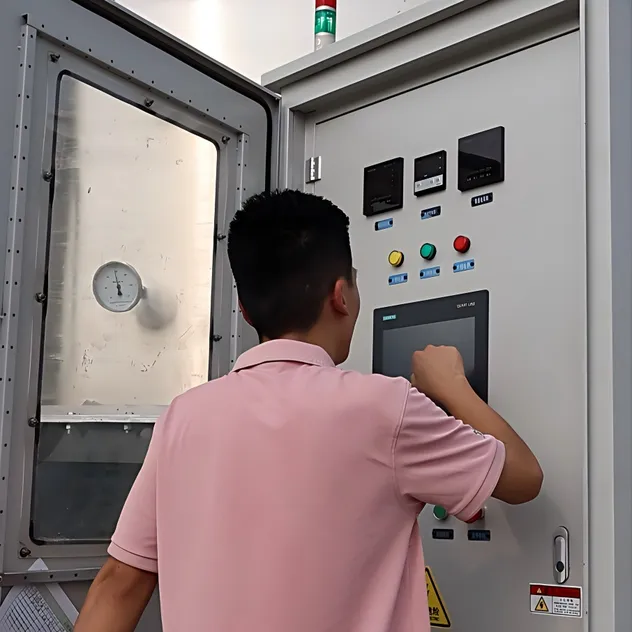
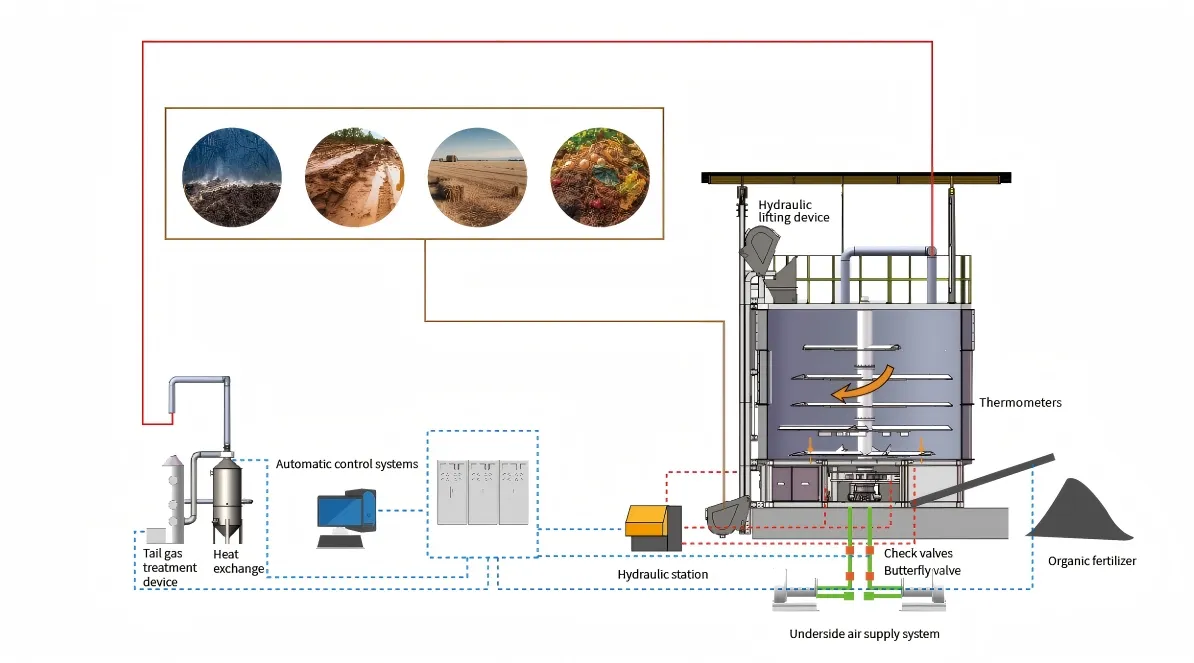
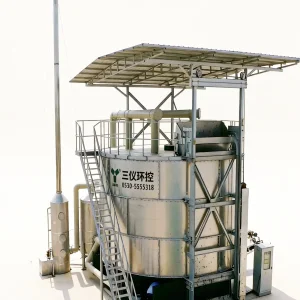
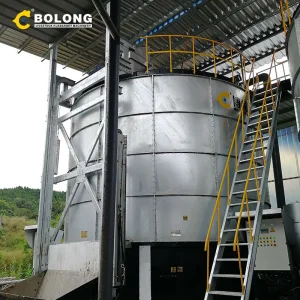
Made of 304/201 stainless steel with reinforced Q355E components for strong corrosion resistance and durability. Equipped with Siemens PLC control.
3. High Efficiency
Short fermentation cycle, high automation level, reduced labor input, and lower overall operating costs, meeting environmental standards.
4. Reliable Service
Full support including installation guidance, commissioning, operator training, and 24/7 remote technical assistance.
PRODUCT OVERVIEW
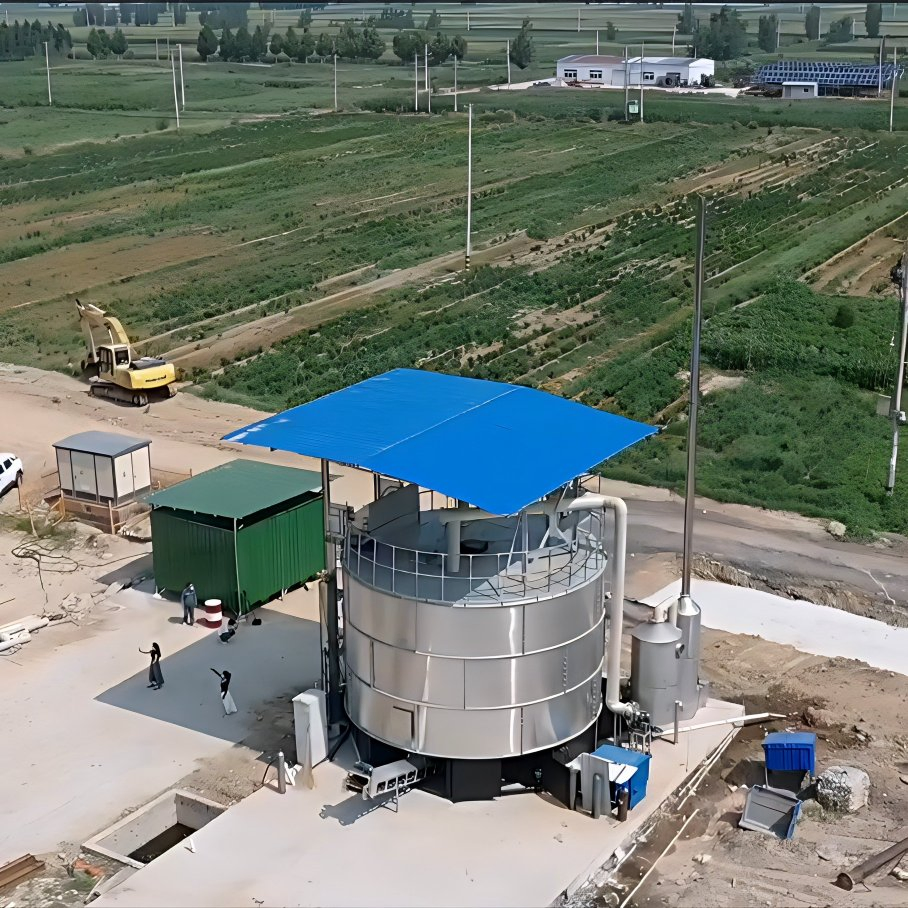
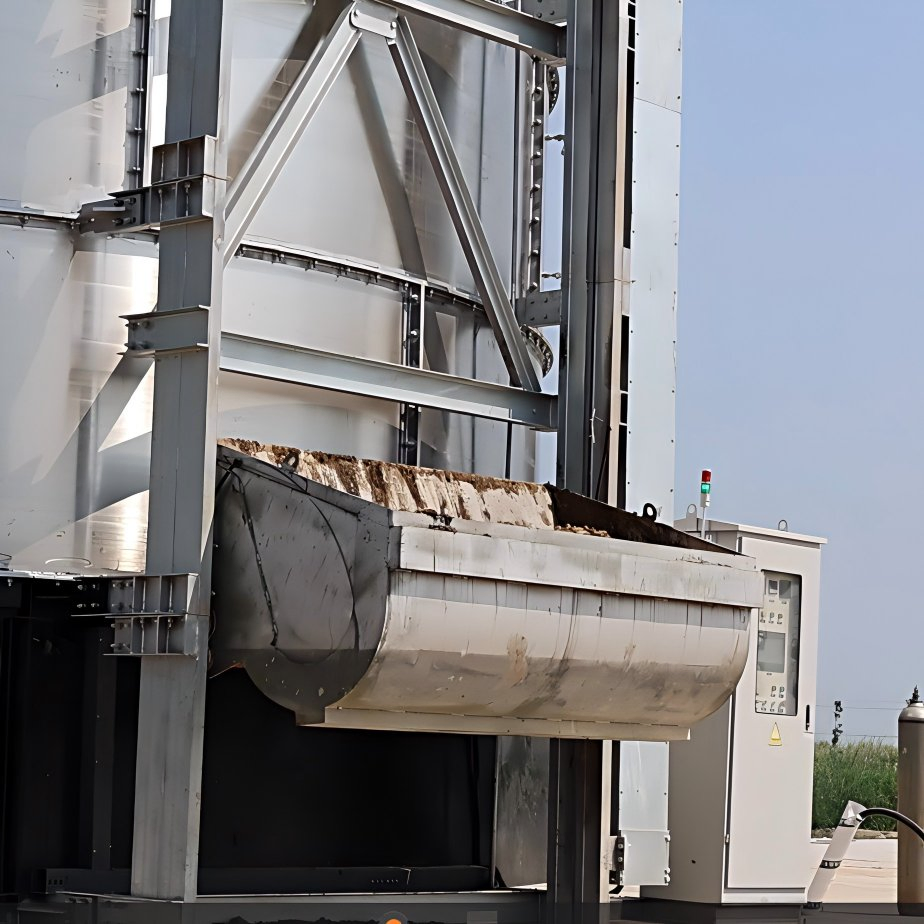
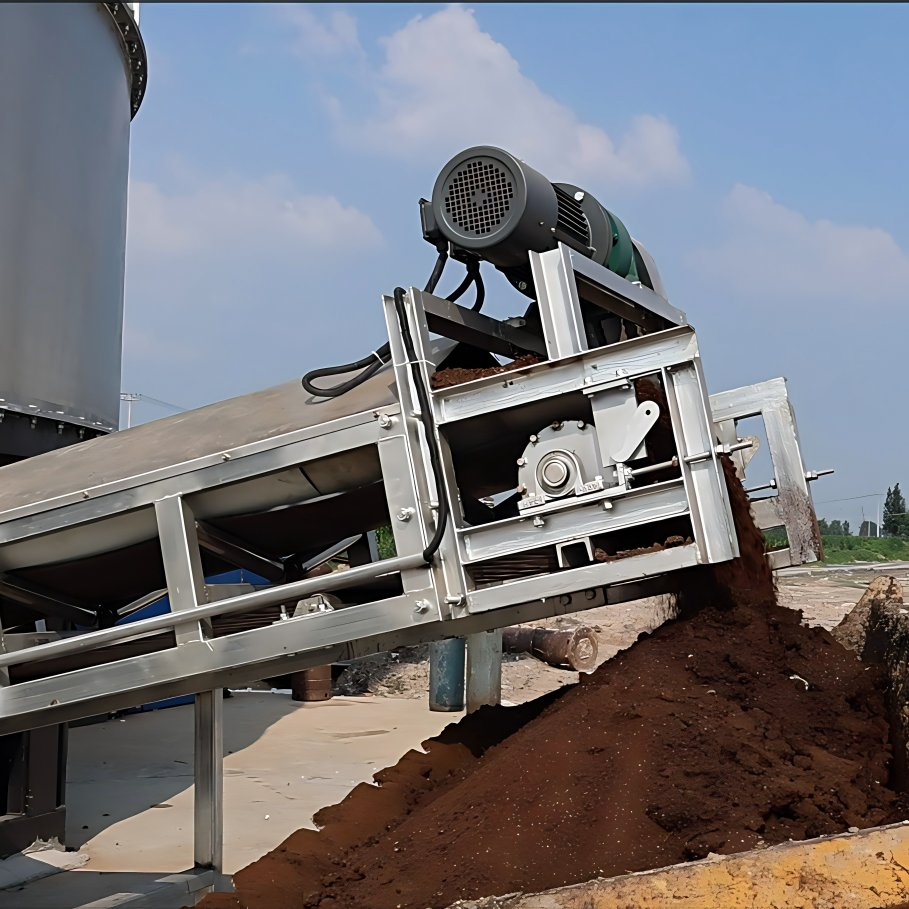
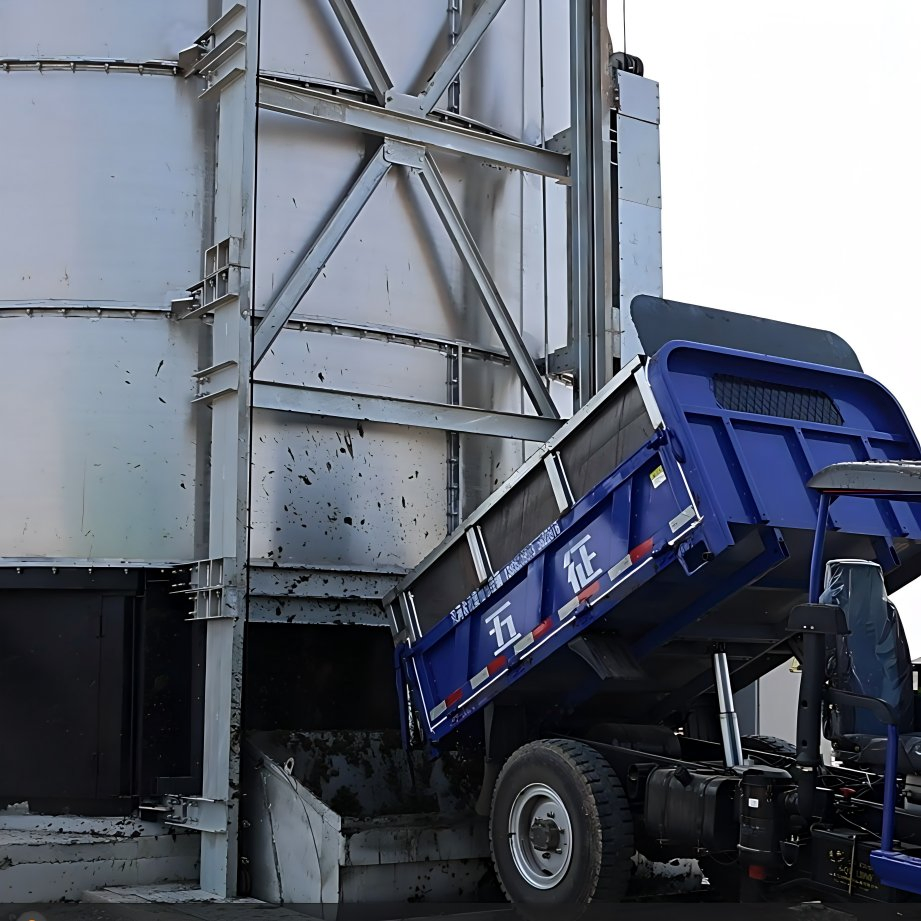
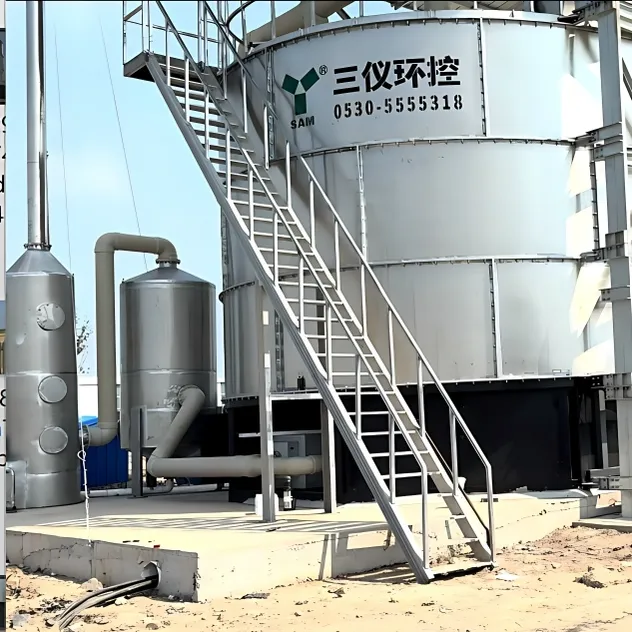
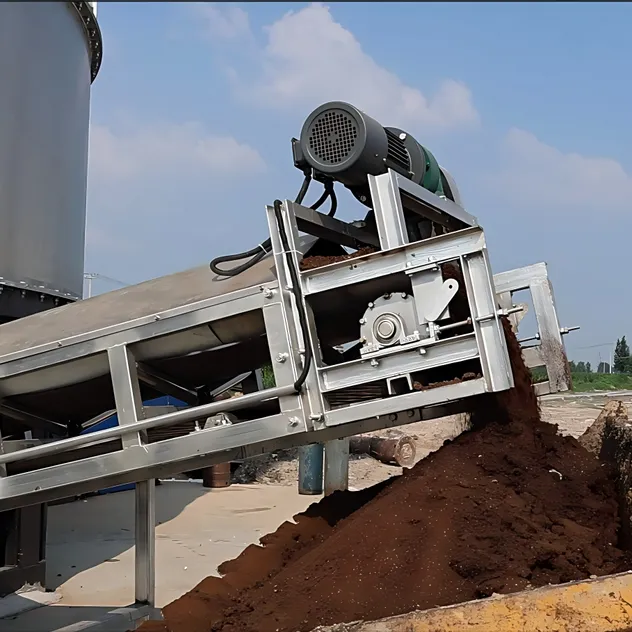
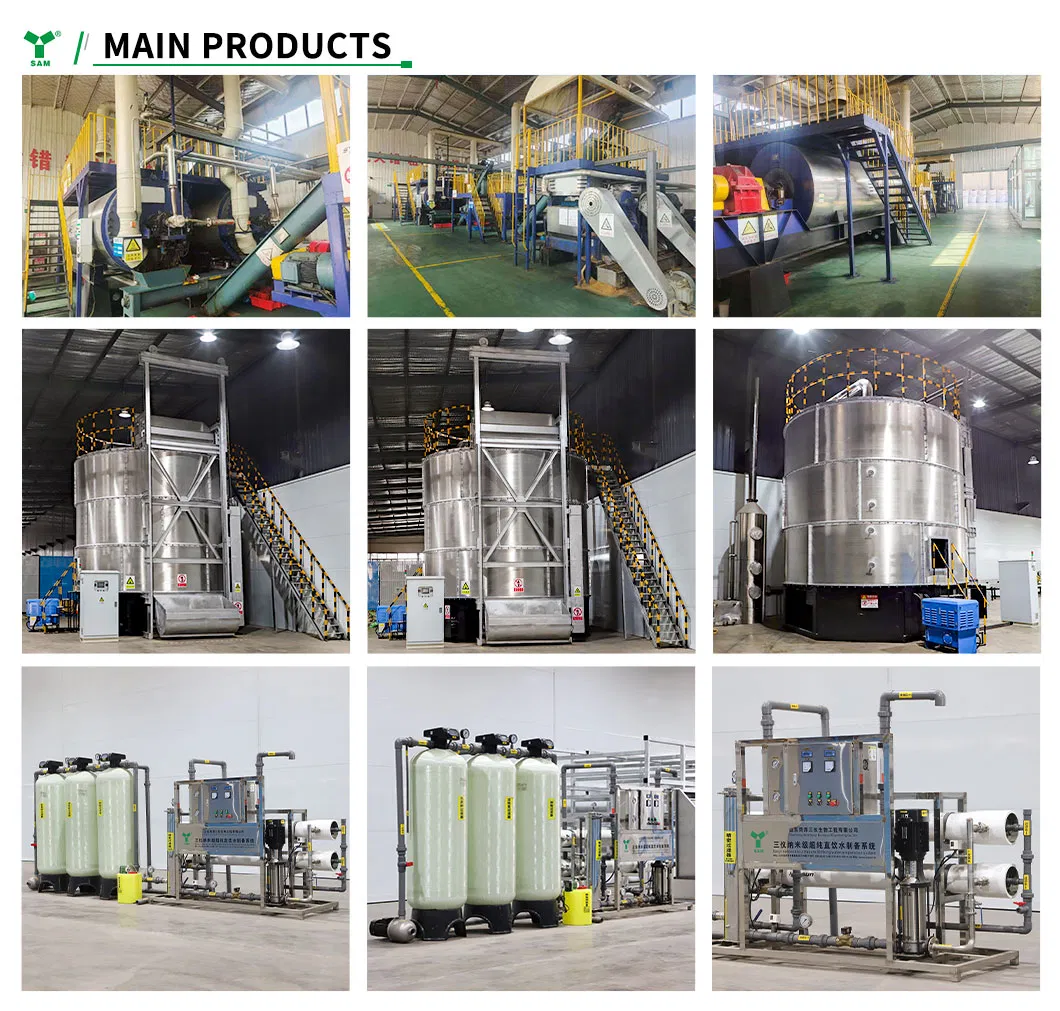
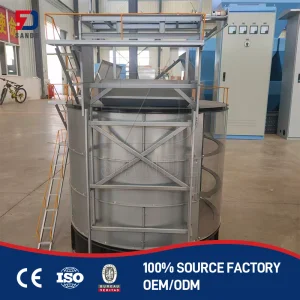
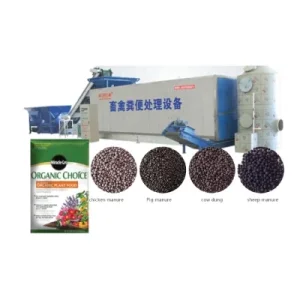
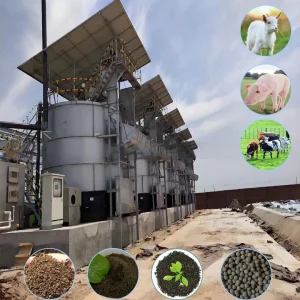
This aerobic fermentation tank is designed for efficient livestock manure treatment and organic fertilizer production. It converts poultry, pig, and cow manure into high-quality organic fertilizer through controlled aerobic fermentation. With intelligent control and optimized airflow, the system ensures stable performance, reduced odor, and fast composting cycles.
Applications
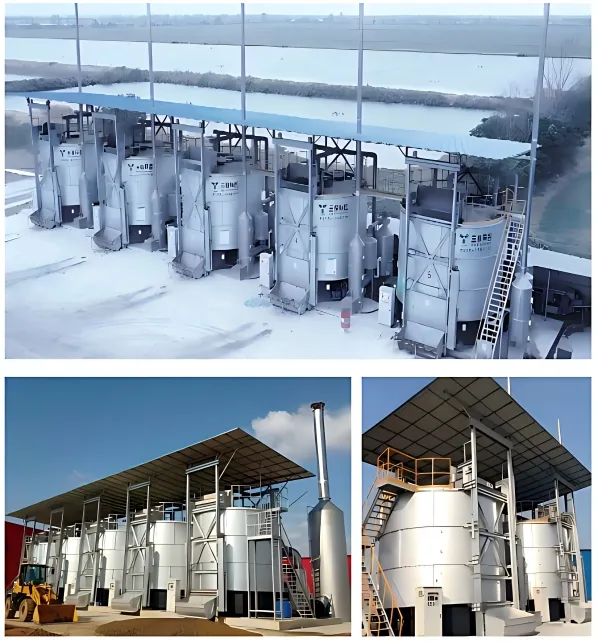
Livestock & Poultry Farms
Essential for chickens, cattle, and pig farms, converting raw waste into value.
Organic Fertilizer Plants
Enables efficient, large-scale aerobic fermentation for industrial manufacturing.
Agriculture Farms
Helps farmers convert animal manure into nutrient-rich organic fertilizer directly on-site.
Rural Waste Centers
Centralized solution for agricultural and organic waste management and recycling.
Production Advantages
● High Automation: Minimal manual intervention.
● Eco-Friendly: No secondary pollution.
● Space-Saving: Compact structure, high utilization.
● Quality Output: Stable, high-grade fertilizer.
Frequently Asked Questions (FAQ)
What types of raw materials can this composting machine process?
The machine is designed to handle various organic wastes, including pig manure, cow dung, poultry manure, and other organic agricultural waste.
How does the deodorization system work?
The system utilizes an integrated deodorization method, often involving activated carbon, to ensure the fermentation process is odor-free and environmentally friendly.
Is the operation of the fermentation tank automated?
Yes, the equipment features a high level of automation, utilizing Siemens PLC controls for stable operation with minimal manual intervention.
What is the main benefit of aerobic fermentation?
Aerobic fermentation provides a shorter composting cycle, high efficiency, and results in stable, high-quality organic fertilizer without secondary pollution.
What materials are used in the construction of the tank?
The tanks are primarily constructed using 304 or 201 stainless steel with reinforced Q355E components to ensure high corrosion resistance and a long service life.
Does the system require on-site installation?
Yes, the equipment is designed for site installation, and we provide full installation guidance and commissioning support to ensure proper setup.
 AgBio Energy