High-efficiency conversion systems for organic matter recycling
In the current ESG (Environmental, Social, and Governance) landscape, multinational corporations and large-scale agricultural enterprises are shifting from "waste disposal" to "nutrient recovery." Global demand for Agronomic Waste Management Systems has surged by 24% annually, driven by carbon neutrality mandates and the rising cost of chemical fertilizers. Procurement officers now prioritize systems that offer traceable carbon reduction data and high volume reduction ratios.
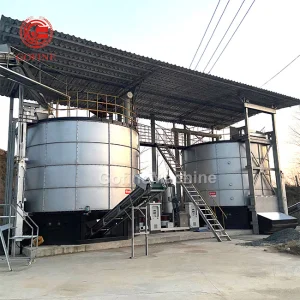
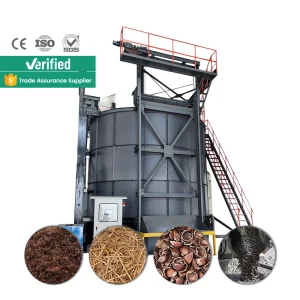
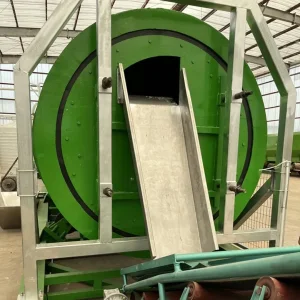
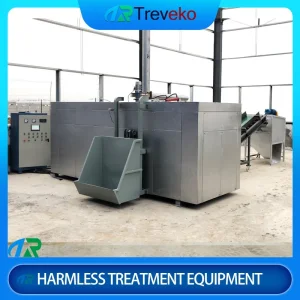
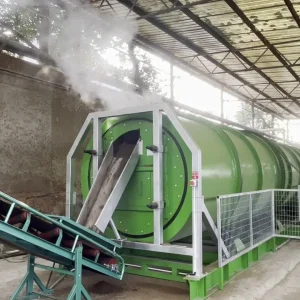
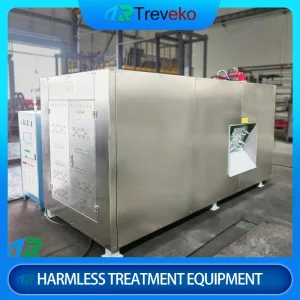
The integration of aerobic fermentation with IoT monitoring represents the pinnacle of modern waste management. By utilizing high-temperature aerobic digestion, systems can reduce organic waste volume by up to 90% in less than 24-48 hours. This solves the logistical nightmare of manure transport and eliminates secondary pollution, such as methane discharge and groundwater leaching, which are critical for ISO 14001 compliance.
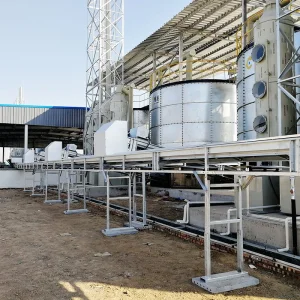
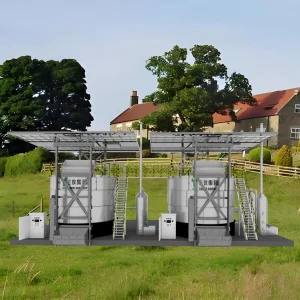
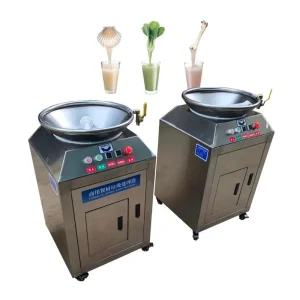
Currently, the market is bifurcated into decentralized "at-source" treatment for commercial kitchens and centralized "industrial-scale" plants for livestock mortalities. Leading manufacturers like Chengdu AgBio Energy Co., Ltd. are bridging this gap by providing modular units that can scale with production needs, ensuring that even mid-sized farms can achieve industrial-grade composting efficiency.
Harnessing AI and Biotechnology for Zero-Waste Agriculture
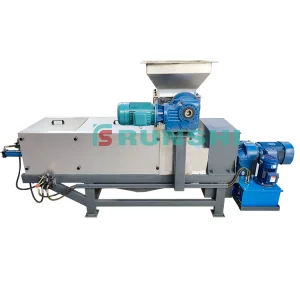
Phase 1: Mechanical Optimization — Enhancing torque and dewatering efficiency to handle high-moisture agronomic waste (current standard).
Phase 2: Biological Acceleration — Specialized microbial inoculants that thrive in automated fermentation tanks, shortening the stabilization period.
Phase 3: AI-Driven Autonomy — Real-time sensor arrays monitoring NH3, O2, and temperature levels, automatically adjusting aeration and mixing for optimal nutrient retention.
Phase 4: Carbon Credit Integration — Systems that automatically calculate CO2e savings, allowing farm operators to trade carbon offsets on international markets.
Years of R&D Excellence
Production Facility
Waste Volume Reduction
Countries Served
Chengdu AgBio Energy Co., Ltd. is a professional manufacturer specializing in organic waste composting equipment, food waste recycling systems, and sustainable waste treatment solutions. Established in 2013 and headquartered in Chengdu, Sichuan Province, China, the company is dedicated to helping businesses, agricultural operations, municipalities, and environmental service providers transform organic waste into valuable resources.
With a modern manufacturing facility covering more than 16,000 square meters and a team of over 230 employees, AgBio Energy delivers efficient and environmentally responsible waste management technologies to customers around the world. The company's product portfolio includes organic waste composting machines, food waste treatment systems, aerobic fermentation equipment, agricultural waste recycling solutions, manure composting systems, organic fertilizer production lines, municipal bio-waste treatment equipment, and intelligent composting management systems.
AgBio Energy integrates engineering expertise, process optimization, and advanced manufacturing technologies to develop reliable composting and organic waste recycling systems. The company operates modern production workshops, assembly lines, and testing facilities to ensure product quality, operational efficiency, and long-term reliability. Strict quality management procedures are implemented throughout product development, manufacturing, installation, and customer support processes.
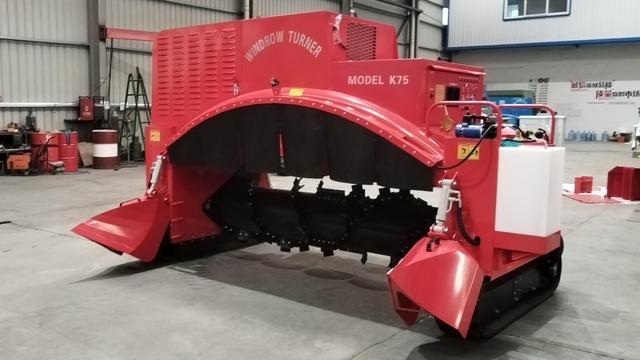
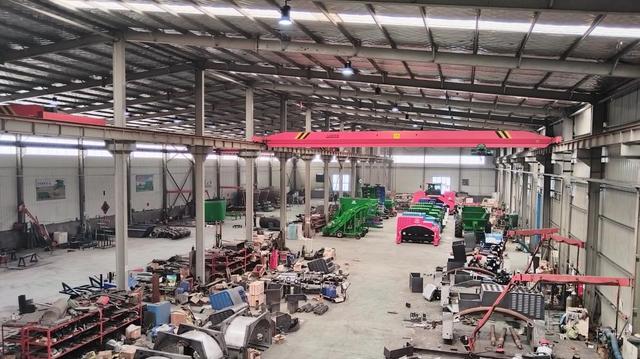
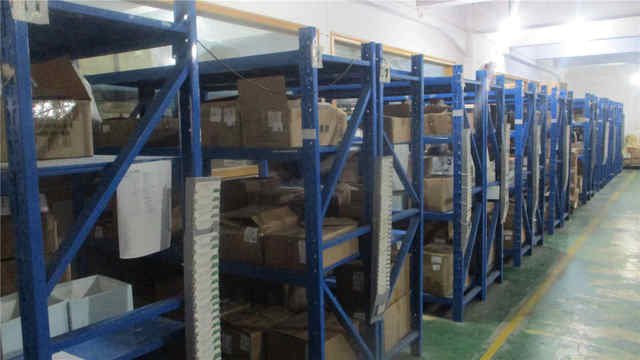
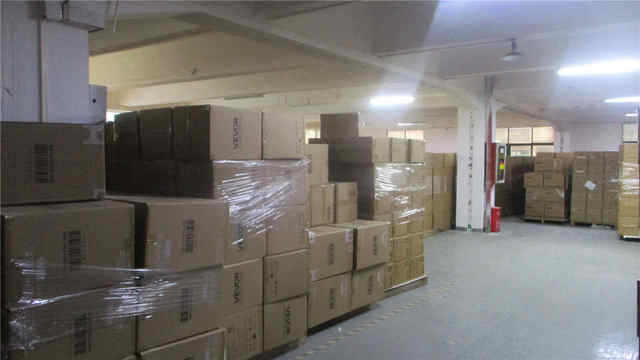
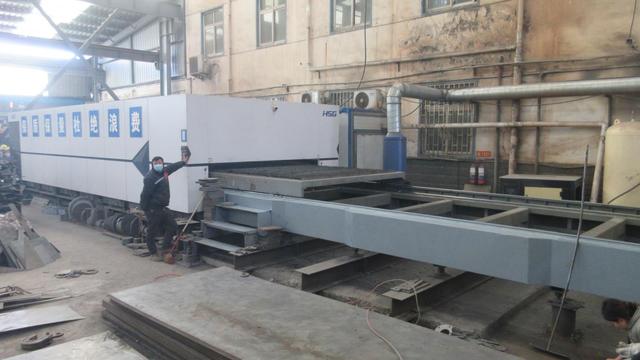
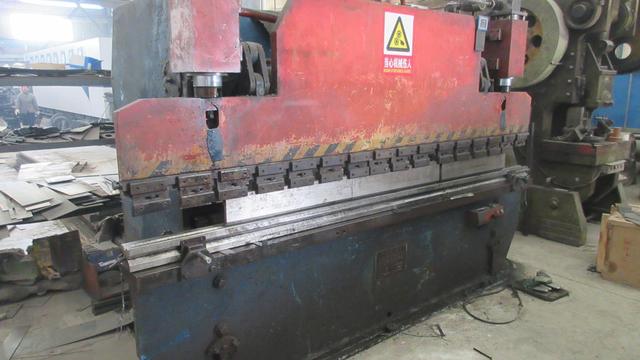
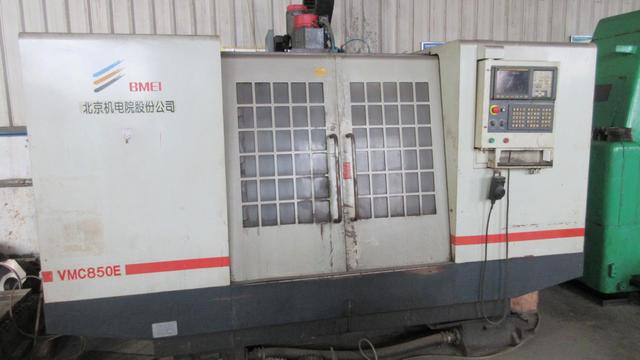
In addition to standard equipment, AgBio Energy offers OEM and ODM services, providing customized waste treatment solutions tailored to specific project requirements, processing capacities, and operational environments. The company works closely with environmental organizations, agricultural enterprises, waste management operators, and project contractors worldwide.
All machinery is engineered to meet European Union CE standards and ISO 9001:2015 quality management systems, ensuring safety and durability in harsh agricultural environments.
We provide global installation supervision and commissioning services, with remote diagnostic capabilities to ensure 24/7 operational uptime.
Adapting to local EPA or national environmental regulations, including odor control systems (bio-filters) and leachate management protocols.
Expert insights into agronomic waste management
Precision engineering for diverse waste streams
 AgBio Energy