In the current era of environmental stewardship, the global fermentation waste treatment industry has transitioned from a niche sanitation requirement to a cornerstone of the Circular Economy. As urbanization accelerates and the global population surpasses 8 billion, the volume of organic waste—comprising food remains, agricultural byproducts, and municipal sludge—has reached a critical mass. Traditional landfilling is no longer a viable option due to land scarcity and the potent greenhouse gas emissions (methane) generated by anaerobic decomposition in uncontrolled environments.
The global organic waste management market is projected to reach USD 115 billion by 2030, driven by stringent ESG mandates and "Zero Waste" city initiatives across Europe, North America, and East Asia.
Legislations like the EU Landfill Directive and California's SB 1383 are forcing industries to adopt in-vessel fermentation and composting technologies to reduce organic diversion to landfills.
Modern fermentation systems are no longer just "disposal units." They are bio-refineries that convert waste into high-grade organic fertilizers, carbon-neutral biogas, and concentrated soil conditioners.
As a global leader in industrial manufacturing, China has redefined the efficiency and scalability of Fermentation Waste Treatment System production. Factories in regions like Sichuan and Shandong combine decades of agricultural expertise with cutting-edge AI-integrated automation.
Unlike regional assemblers, Chinese manufacturers like Chengdu AgBio Energy Co., Ltd. operate within a 360-degree supply chain. From raw stainless steel sourcing to custom PLC (Programmable Logic Controller) programming, every step is optimized for cost and speed.
Modern Chinese factories are pioneering the use of "Digital Twin" technology. Systems are equipped with real-time sensors for Temperature, Moisture, Oxygen levels, and C/N (Carbon-to-Nitrogen) ratios, ensuring optimal microbial activity and odor suppression.
Whether it's a 20kg residential recycler or a 100-ton municipal digestion reactor, the flexibility of China's modular manufacturing allows for rapid prototyping and localized engineering adjustments.
Fermentation waste treatment is not a one-size-fits-all solution. Depending on the substrate (the type of waste) and the localized environment, different engineering approaches are required:
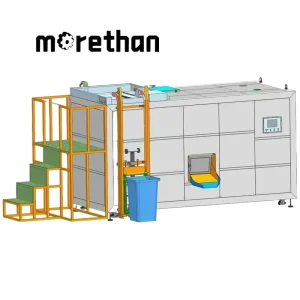
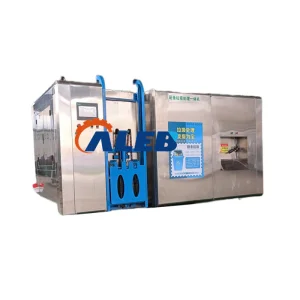
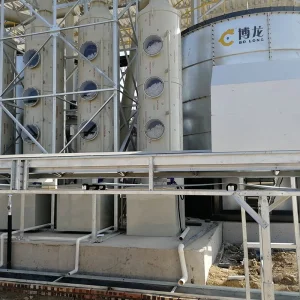
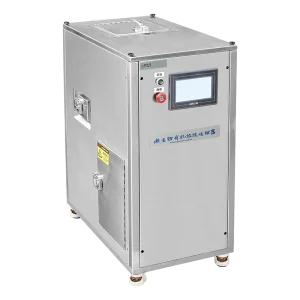
High-density cities utilize In-Vessel Composting (IVC) to process food waste from restaurants and hotels. These systems use aerobic fermentation to reduce waste volume by 80-90% within 24 hours, utilizing bio-filters for zero-odor operation.
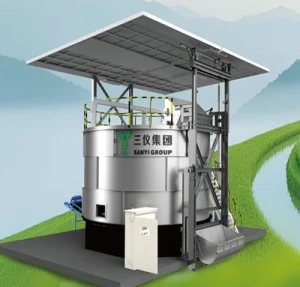
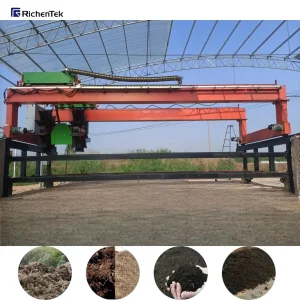
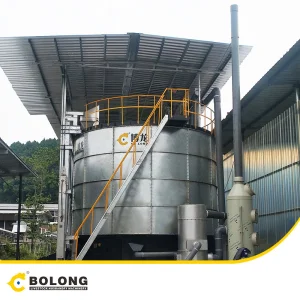
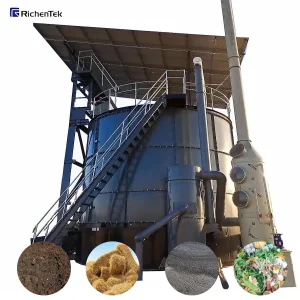
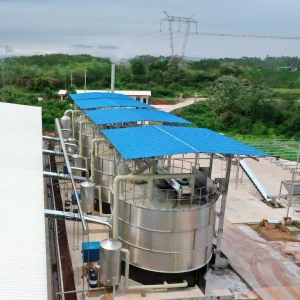
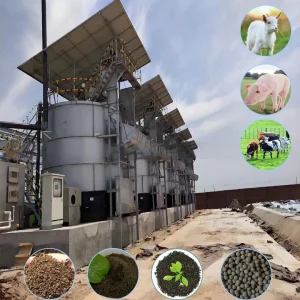
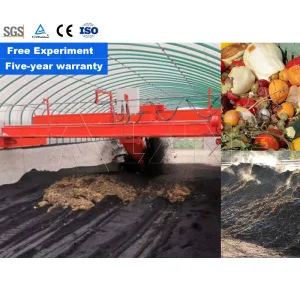
Cattle and poultry farms face immense pressure to manage manure. Vertical fermentation tanks and wheel-disc turners facilitate high-temperature aerobic digestion, killing pathogens and weed seeds while creating nutrient-rich organic fertilizer for crop cycles.
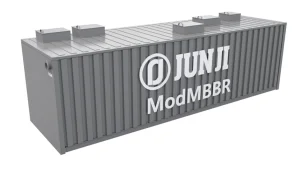
Slaughterhouses and food manufacturing plants produce high-moisture organic sludge. Continuous feeding reactors with automated moisture control systems ensure steady throughput and regulatory compliance for industrial discharge.
Chengdu AgBio Energy Co., Ltd. is a professional manufacturer specializing in organic waste composting equipment, food waste recycling systems, and sustainable waste treatment solutions. Established in 2013 and headquartered in Chengdu, Sichuan Province, China, the company is dedicated to helping businesses, agricultural operations, municipalities, and environmental service providers transform organic waste into valuable resources.
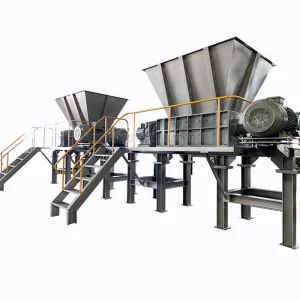
With a modern manufacturing facility covering more than 16,000 square meters and a team of over 230 employees, AgBio Energy delivers efficient and environmentally responsible waste management technologies to customers around the world. The company's product portfolio includes organic waste composting machines, food waste treatment systems, aerobic fermentation equipment, and municipal bio-waste treatment solutions.
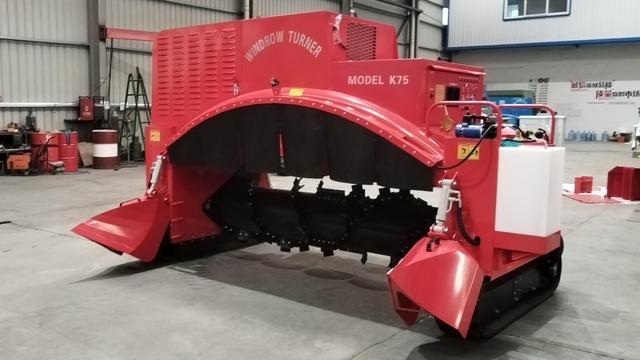
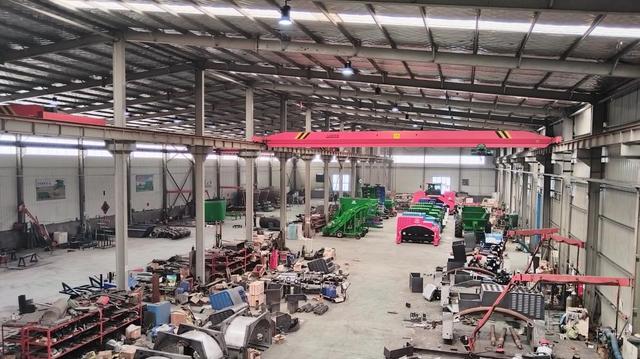
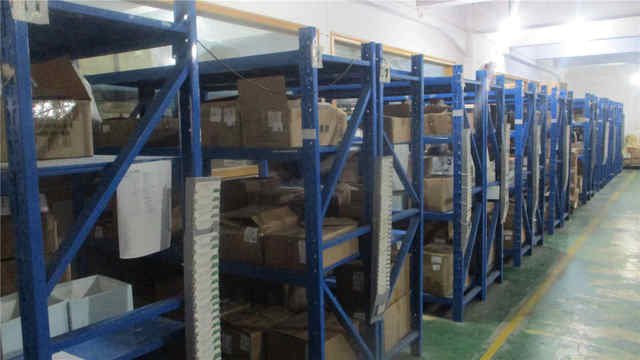
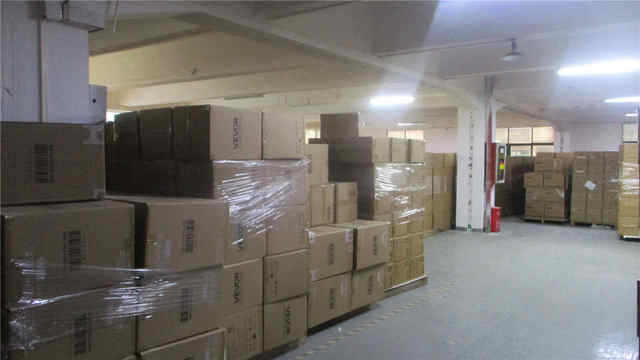
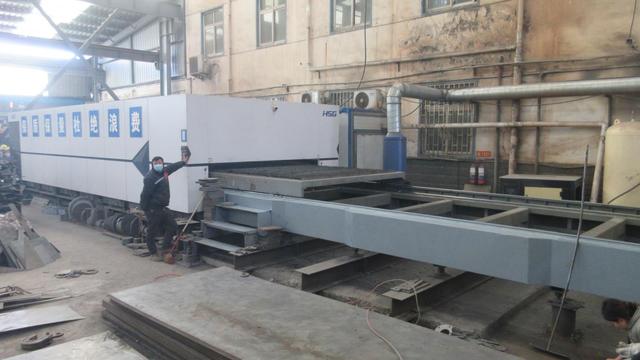
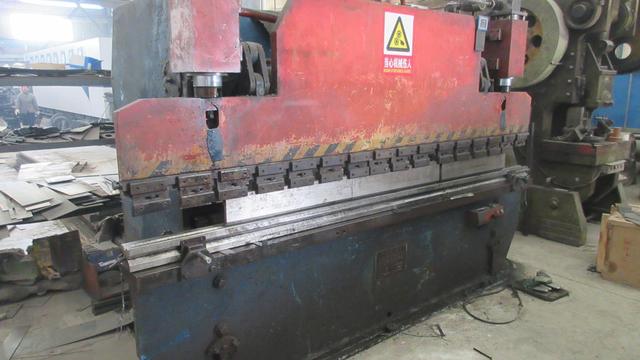
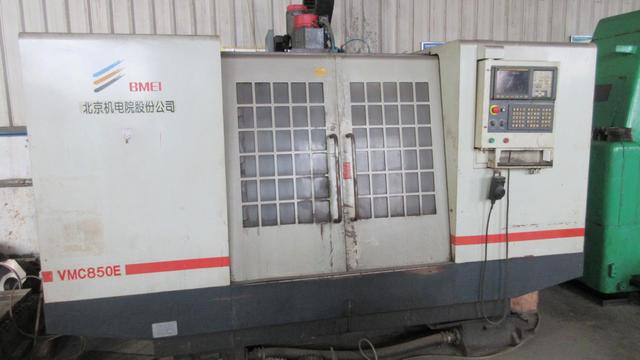
AgBio Energy integrates engineering expertise and process optimization to develop reliable composting and organic waste recycling systems. The company operates modern production workshops, assembly lines, and testing facilities to ensure product quality and long-term reliability. In addition to standard equipment, they offer OEM and ODM services, providing customized waste treatment solutions tailored to specific project requirements.
For global procurement managers, selecting a fermentation system is a 10-year investment. The industry is moving toward Energy-Positive Waste Treatment. Future systems will likely integrate microbial fuel cells (MFCs) to generate small amounts of electricity during the decomposition process.
 AgBio Energy