The German market for livestock manure management is currently undergoing its most significant transformation in decades. As Europe’s leading agricultural powerhouse, Germany faces stringent environmental regulations, notably the Düngeverordnung (Fertilizer Ordinance), which mandates precise nutrient management and significantly limits nitrogen surpluses. For German farmers in regions like Lower Saxony, North Rhine-Westphalia, and Bavaria, the traditional method of raw manure application is no longer viable due to soil saturation risks and groundwater protection protocols.
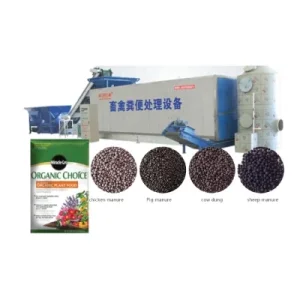
This is where Industrial Livestock Manure Composting Machines become an essential strategic investment. By converting raw manure (pig, cattle, or poultry) into stabilized, pathogen-free organic fertilizer, German agricultural enterprises can meet EU Green Deal targets while reducing reliance on expensive synthetic fertilizers. The demand for advanced machinery that offers high temperature aerobic fermentation—ensuring the destruction of weed seeds and harmful bacteria—is at an all-time high.
Globally, livestock emissions contribute significantly to greenhouse gases. Modern aerobic composting machines suppress anaerobic conditions, effectively reducing methane emissions by up to 85% compared to lagoon storage.
The shift toward "Regenerative Agriculture" demands fertilizers with specific C/N ratios. AI-integrated composters allow operators to monitor moisture and oxygen in real-time to optimize nutrient retention.
Composted manure increases soil organic matter (SOM) more effectively than raw manure, allowing farmers to participate in carbon credit markets—a growing trend in Germany and the EU.
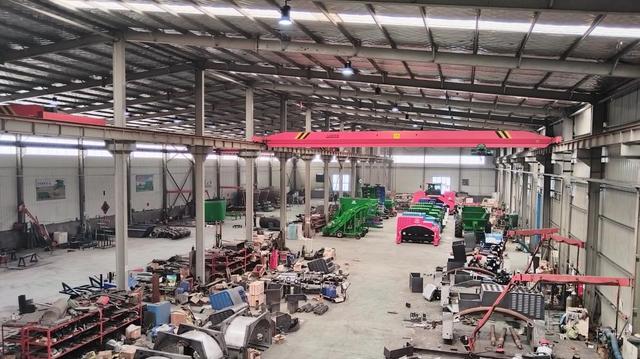
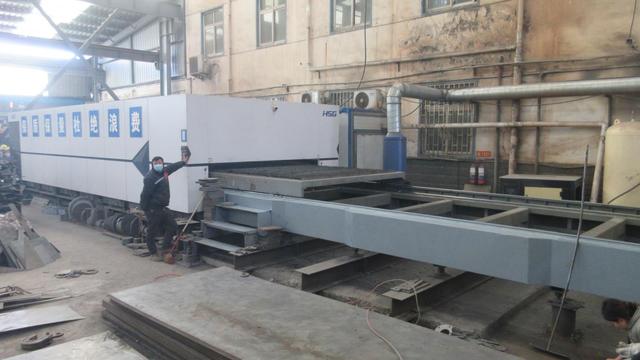
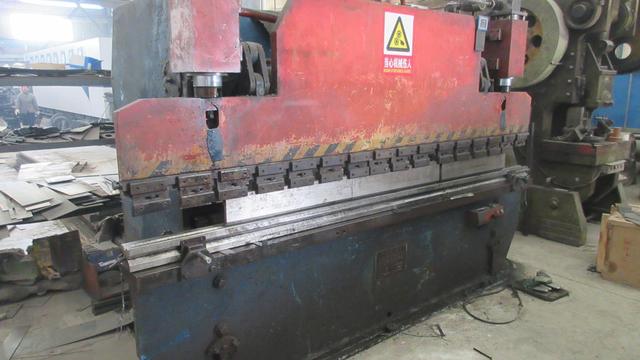
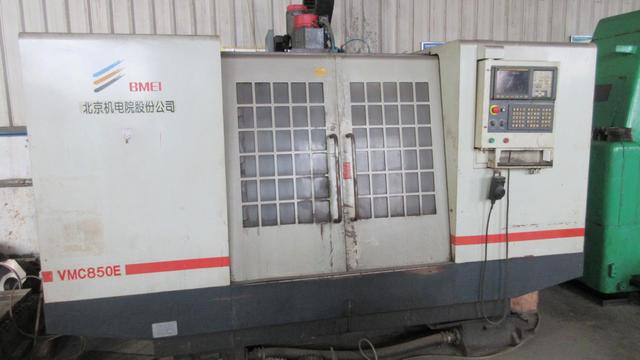
In an era of global supply chain volatility, Chengdu AgBio Energy Co., Ltd. stands as a beacon of reliability and innovation. Our 16,000-square-meter facility in Sichuan Province represents the pinnacle of Factory 4.0 principles. We leverage advanced CNC laser cutting, robotic welding, and intelligent assembly lines to ensure that every livestock manure composting machine exported to Germany meets the highest engineering standards.
Our Supply Chain Resilience is built on localized raw material sourcing combined with global-standard components (Siemens PLCs, ABB motors). This allow us to offer German clients shorter lead times and higher price-to-performance ratios than local European competitors, without compromising on E-E-A-T principles. As a professional manufacturer established in 2013, we don't just sell machines; we provide comprehensive nutrient management ecosystems.
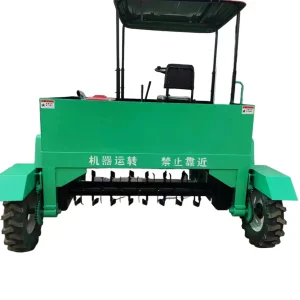
1. Large-Scale Swine Operations (Vechta Region): Utilizing our Wheel Disc Compost Turners for high-capacity throughput, turning daily manure into granular organic fertilizer for sale to local landscape cooperatives.
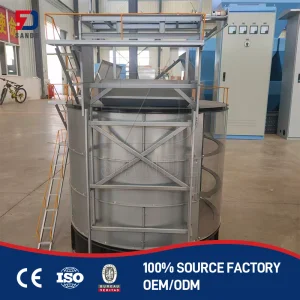
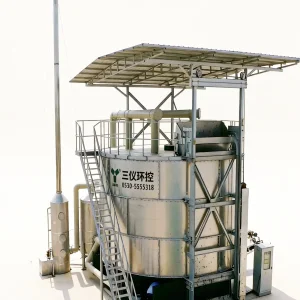
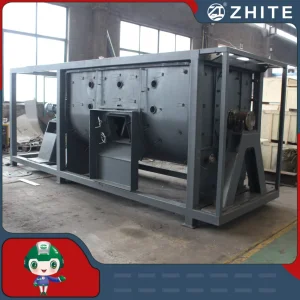
2. Municipal Bio-Waste Centers (Berlin/Hamburg): Implementing our Stainless Steel Composting Machines for odor-free fermentation of urban food waste mixed with horse manure from suburban stables.
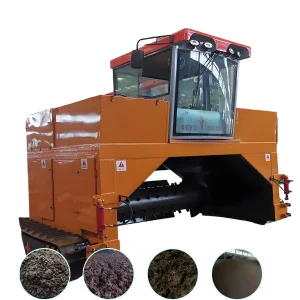
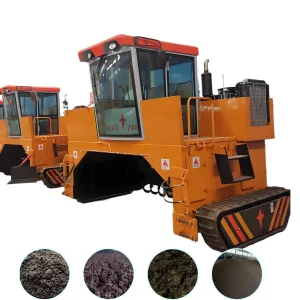
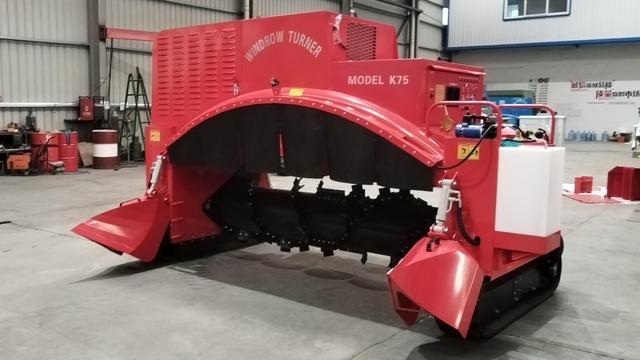
3. Bio-Dynamic Farming (Baden-Württemberg): Using our specialized track-mounted turners to maintain aerobic conditions in high-quality compost piles used in chemical-free viticulture and orchard management.
High-efficiency composting equipment optimized for Northern European climatic conditions.
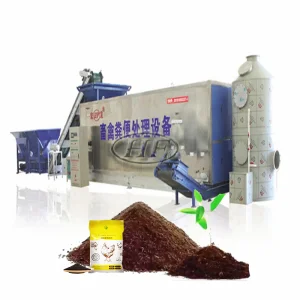
Our advanced systems, specifically the Thuringia Smart Series, utilize bio-filtration and activated carbon scrubbers. These ensure that ammonia and hydrogen sulfide are neutralized before exhaust, making them suitable for farms near German residential zones (Mischgebiete).
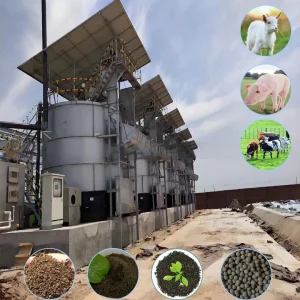
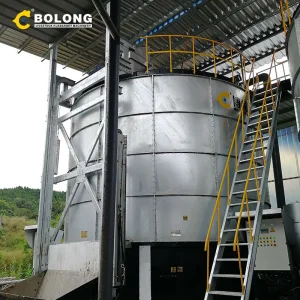
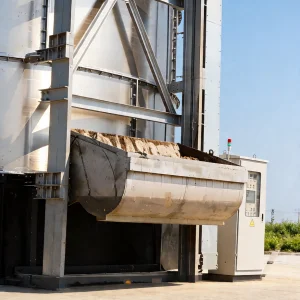
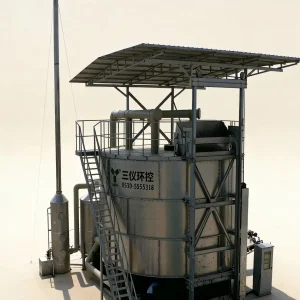
In our high-temperature aerobic fermentation tanks, the thermophilic phase (55-65°C) is reached within 48 hours. The entire stabilization process is typically completed in 7-12 days, significantly faster than traditional windrowing in Northern Europe's colder months.
Yes. Our systems are designed to work with bulking agents like straw or wood chips (common in German agriculture) to adjust the C/N ratio and moisture content. We also provide solid-liquid separators as pre-treatment units.
All our export models for the German market are equipped with IE3 high-efficiency motors and Siemens PLC control systems, fully compliant with CE and EU energy efficiency mandates. We also offer options for solar-integrated power systems for off-grid operations.
About Chengdu AgBio Energy Co., Ltd.
Chengdu AgBio Energy Co., Ltd. is a professional manufacturer specializing in organic waste composting equipment, food waste recycling systems, and sustainable waste treatment solutions. Established in 2013 and headquartered in Chengdu, Sichuan Province, China, the company is dedicated to helping businesses, agricultural operations, municipalities, and environmental service providers transform organic waste into valuable resources. With a modern manufacturing facility covering more than 16,000 square meters and a team of over 230 employees, AgBio Energy delivers efficient and environmentally responsible waste management technologies to customers around the world.
The company's product portfolio includes organic waste composting machines, food waste treatment systems, aerobic fermentation equipment, agricultural waste recycling solutions, manure composting systems, organic fertilizer production lines, municipal bio-waste treatment equipment, and intelligent composting management systems. AgBio Energy operates modern production workshops, assembly lines, and testing facilities to ensure product quality, operational efficiency, and long-term reliability. Strict quality management procedures are implemented throughout product development, manufacturing, installation, and customer support processes.
 AgBio Energy