High-capacity, robust bio-organic machinery tailored to process swine, poultry, and dairy waste into pathogen-free organic fertilizer under high humidity conditions.
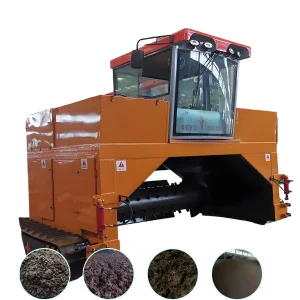
Specially designed crawler-driven windrow turner optimized for heavy volcanic soils and large-scale open-air organic waste composting operations in Rio Muni.
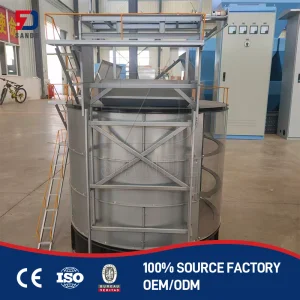
Integrated municipal and agricultural organic waste converter, ideal for food processing facilities and livestock operations near urban hubs.
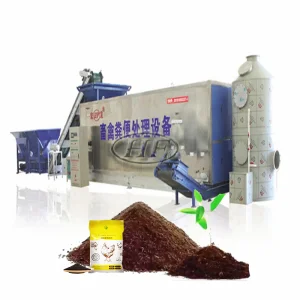
Industrial-scale fermentation machinery paired with downstream enrichment modules to produce high-value commercial NPK bio-organic pellets.
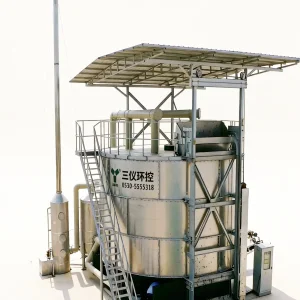
Enclosed, high-aeration composting machine that drastically reduces VOCs, odors, and runoffs, specifically built for environmentally sensitive island ecosystems.
Equatorial Guinea, comprising the mainland region of Río Muni and the insular region of Bioko (hosting the capital Malabo), is undergoing a strategic economic diversification. Under the government's long-term developmental frameworks, reducing reliance on petroleum imports has propelled agriculture and animal husbandry to the forefront of national priorities. However, high-intensity livestock farming—particularly poultry and swine production in zones like Baney, Luba, and the outskirts of Bata—generates significant volumes of raw livestock manure. Left untreated, these organic wastes present serious environmental challenges, including local groundwater contamination, heavy insect breeding, and powerful odor emissions that conflict with community development.
Furthermore, the equatorial climate of the region, characterized by high temperatures and annual rainfall exceeding 2,000 mm, accelerates anaerobic decay when manure is simply stockpiled. This wet decay leads to massive nitrogen loss via ammonia volatilization and runoffs that leach valuable nutrients. Modern livestock manure composting machines offer a scientifically proven pathway to stabilize these wastes. By executing thermophilic aerobic fermentation, these systems convert hazardous farm waste into highly stable, nutrient-dense bio-organic fertilizers. This localized fertilizer production is critical for rejuvenating Equatorial Guinea’s acidic, highly leached tropical soils, directly supporting local cocoa, coffee, and food crop cultivation.
SEO Insight & Industry Trend: Modern agricultural initiatives in the CEMAC (Central African Economic and Monetary Community) region heavily incentivize circular economy projects. Deploying localized composting machinery not only bypasses the high shipping costs of imported synthetic fertilizers but also establishes robust compliance with national environmental impact protocols.
Operating industrial composting machinery in a tropical climate like that of Equatorial Guinea requires specialized engineering considerations that standard equipment manufacturers often overlook. The primary obstacles include:
As a leading Chinese environmental technology enterprise, Chengdu AgBio Energy Co., Ltd. represents the pinnacle of cost-efficient, high-precision supply chain execution. Established in 2013 with a state-of-the-art 16,000 square meter production facility and more than 230 specialized employees, we integrate advanced Chinese engineering with global logistics efficiency. Our supply chain strengths for the Equatorial Guinean market include:
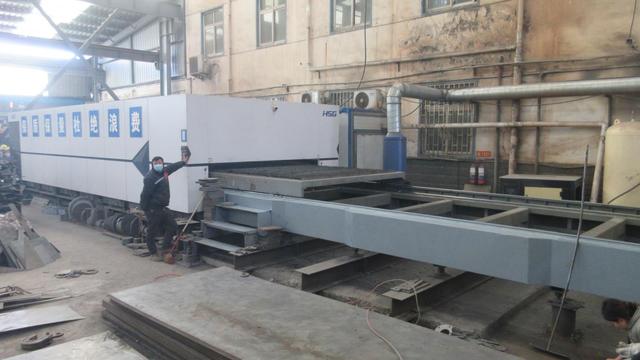
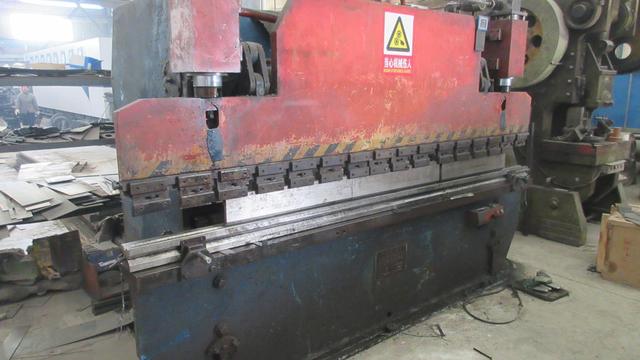
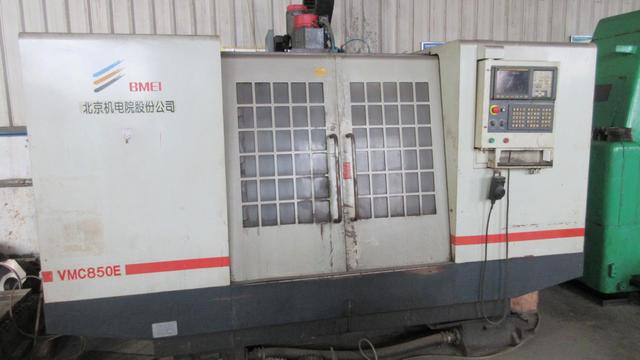
Take an inside look at our 16,000+ square meter manufacturing facility, where advanced engineering meets sustainable design to deliver globally recognized composting machinery.
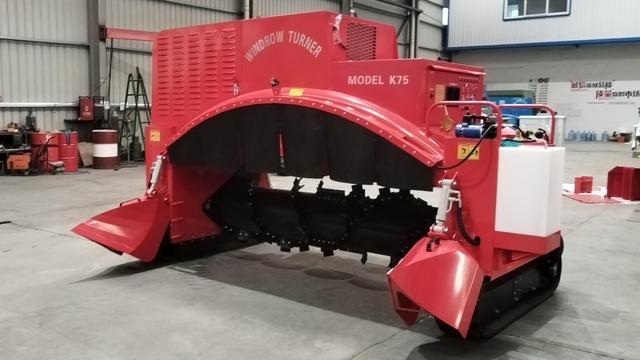
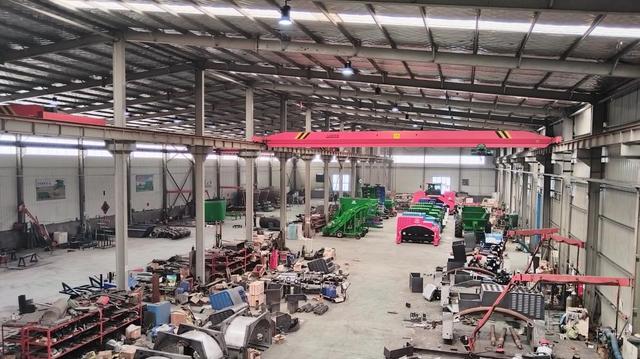
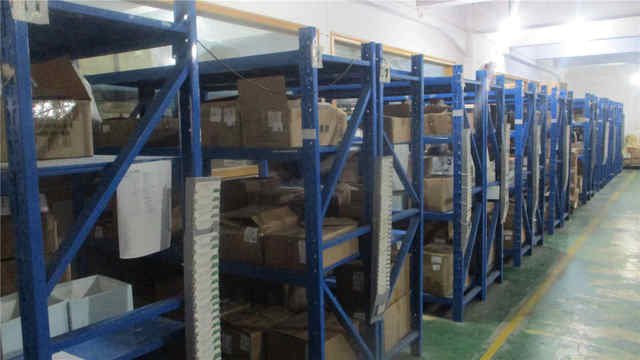
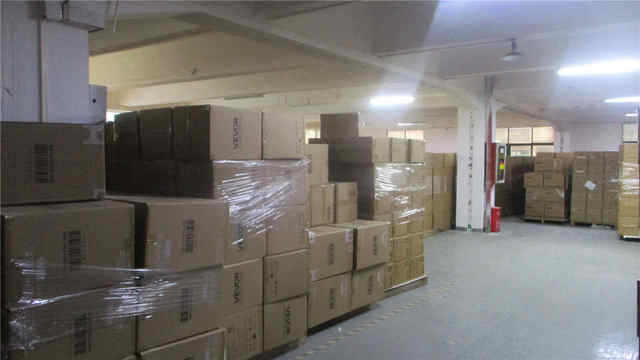
Contact our engineering team to design layout maps for your facility.
Understanding where and how the composting machinery integrates into local commercial frameworks is key to maximizing ROI. Here are the prominent application channels we currently serve:
High-density egg-laying and broiler facilities around Malabo face severe spatial limitations and strict environmental codes to protect Bioko Island's groundwater tables. Compact, high-temperature, fully automatic stainless steel composting vessels are ideal here, processing chicken manure rapidly under odor-controlled conditions without taking up massive land areas.
The vast grasslands and secondary forests of the continental region (Rio Muni) house larger swine and cattle farms. The manure here is often mixed with straw or sawdust bedding. Our heavy-duty crawler-mounted windrow turners and wheel disc compost turners allow operators to run wide windrows outdoors, turning huge volumes of waste with minimal fuel consumption.
Equatorial Guinea’s volcanic soils on Bioko Island are historically famous for producing premium cocoa. Over decades of intensive farming without organic supplementation, these soils have experienced substantial nutrient depletion. By setting up centralized composting stations near agricultural cooperatives, farmers can convert livestock waste into specialized humus-rich organic fertilizers to naturally restore soil structure, improve water retention, and combat soil-borne fungi.
Explore our complete range of high-efficiency composting solutions designed to fulfill demanding industrial procurement requirements.
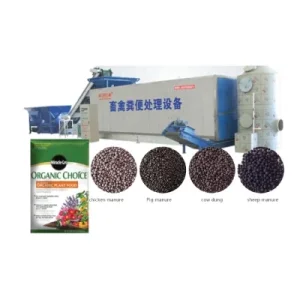
Fully integrated sorting, mixing, and fermentation system optimized to transform raw poultry pollutants into organic soil conditioners.
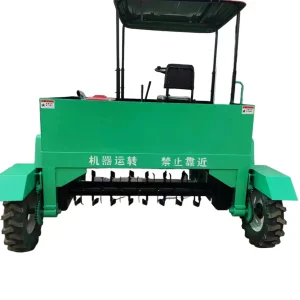
Heavy-duty tracked mixer featuring high-clearance drums to maximize oxygen transfer in moisture-heavy carbon-to-nitrogen piles.
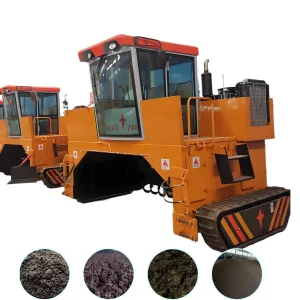
Engineered for robust African soil operations, handling raw, high-moisture agricultural manure with low maintenance downtime.
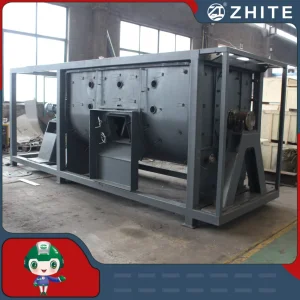
Fully enclosed aerobic compactor coupled with a multi-stage bio-filter air purifier, ideal for facilities close to urban Malabo.
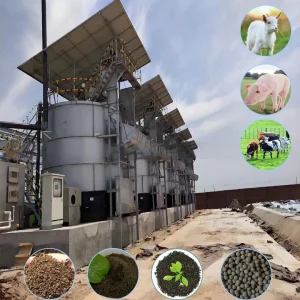
High-throughput organic waste treatment plant designed to blend dry biomass with raw liquid manure to achieve optimal C:N ratios.
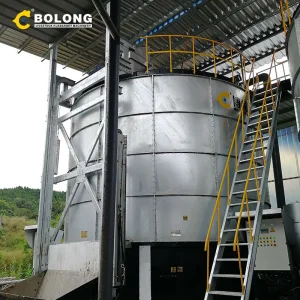
Rapid thermophilic digestion machine that achieves complete biological pasteurization within 48 to 72 hours, eliminating viral pathogens.
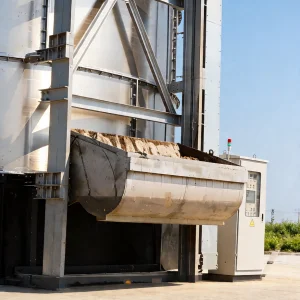
Sealed drum design running internal high-pressure air injectors to feed microbes oxygen, drastically curbing ammonia gas generation.
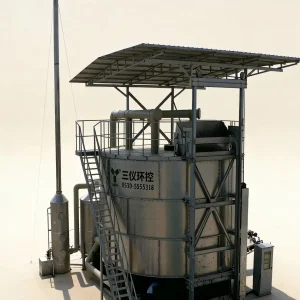
Crafted completely with structural 304 stainless steel to provide lifetime resistance to high atmospheric humidity and ammonia vapors.
For corporate purchasing managers and municipal engineers looking to install waste processing systems, selecting the appropriate composting method is highly critical. The table below outlines structural differences between our primary composting models when deployed in Equatorial Guinea:
In accordance with the highest international manufacturing practices, Chengdu AgBio Energy maintains a comprehensive quality management matrix certified under ISO 9001 (Quality Management), ISO 14001 (Environmental Protection), and CE safety approvals. For international buyers in Equatorial Guinea, importing heavy industrial machinery involves significant logistical capital. We provide total security through our standard manufacturing safeguards:
From Chengdu workshop floor to final assembly in Bata or Malabo, we provide complete lifecycle service support.
We arrange secure shipping to the main commercial ports of Bata and Malabo. Our document handling team ensures smooth customs clearance within the CEMAC framework, providing complete Bills of Lading, Certificates of Origin, and packing lists.
Our technical team provides comprehensive remote video-guided installation or on-site engineer dispatch. We train your local staff on operational practices, biological monitoring (moisture, temperature tracking), and preventative maintenance schedules.
We maintain a dedicated inventory of critical wearing parts (including turner blades, bearings, hydraulic seals, and sensors) for rapid air-freight delivery to Equatorial Guinea, minimizing operational downtime.
Get answers to critical technical questions regarding the acquisition, operation, and efficiency of livestock composting machines.
 AgBio Energy