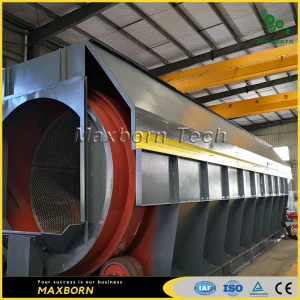
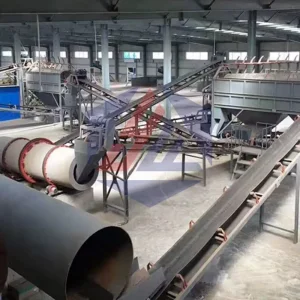
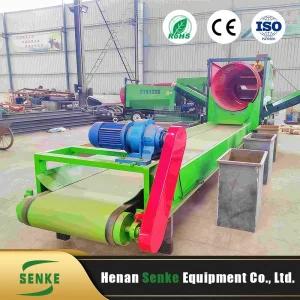
Chicago, the third-largest city in the United States, generates over 1 million tons of organic waste annually. With the Chicago Climate Action Plan (2022) setting a rigorous goal of reducing carbon emissions by 62% by 2040, the management of municipal solid waste (MSW) has shifted from simple landfilling to high-tech resource recovery. The Illinois EPA (IEPA) has tightened regulations on methane emissions, making "Aerobic Fermentation" the gold standard for compliance.
Reduction in Landfill Reliance Targeted
Odor-Free Pre-treatment Cycle
Pathogen Elimination Rate
Local industrial scenarios in Chicago—ranging from the Fulton Market food processing district to the vast suburban agricultural zones—require decentralized and centralized composting solutions. Our Municipal Organic Waste Composting Systems are designed to handle the variable moisture content of Midwestern organic streams, ensuring stable output even in Chicago's extreme temperature fluctuations.
Modern composting is no longer a passive "pile and wait" process. It is an AI-driven biochemical engineering discipline. As a premier manufacturer, Chengdu AgBio Energy Co., Ltd. integrates IoT-based fermentation monitoring to ensure every batch meets the highest carbon-to-nitrogen (C/N) ratios.
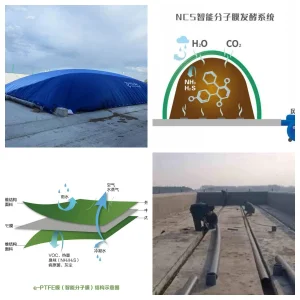
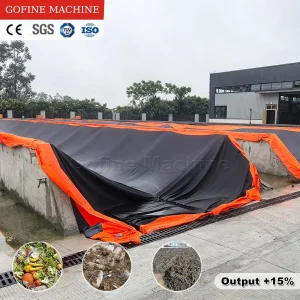
Utilizing high-tech semi-permeable membranes, this system allows water vapor and CO2 to escape while trapping odor molecules and pathogens. This is ideal for Chicago's suburban edge projects where odor control is mandatory by local zoning laws.
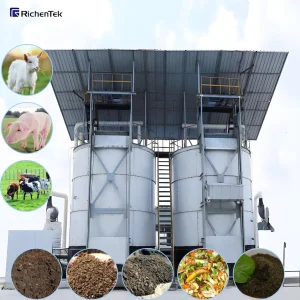
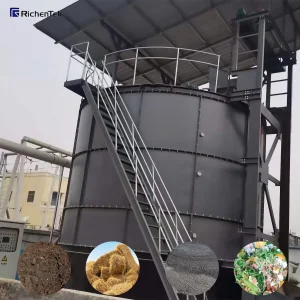
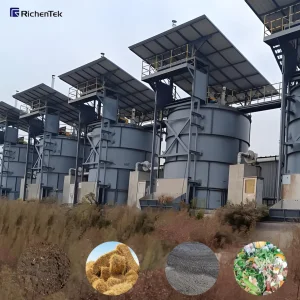
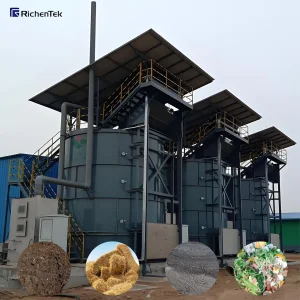
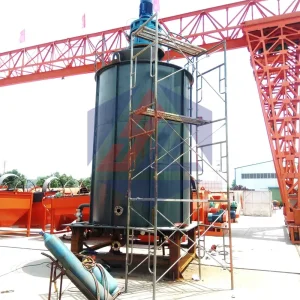
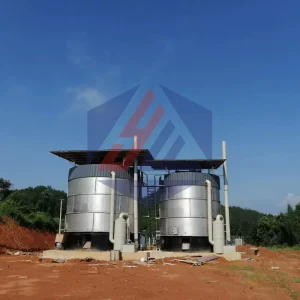
In dense urban areas like the Loop or South Side, space is a premium. Our vertical tanks reduce the footprint by 80% compared to traditional windrow composting, achieving stabilization in just 7-10 days.
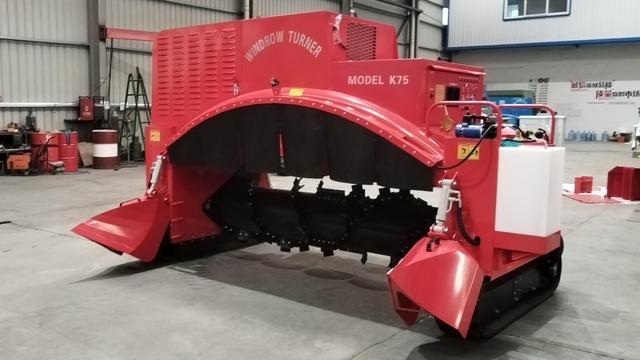
Chengdu AgBio Energy Co., Ltd. represents the pinnacle of Chinese environmental engineering. Established in 2013, our 16,000 square meter facility provides the Chicago market with a unique "Value-to-Performance" ratio that domestic US manufacturers often struggle to match.
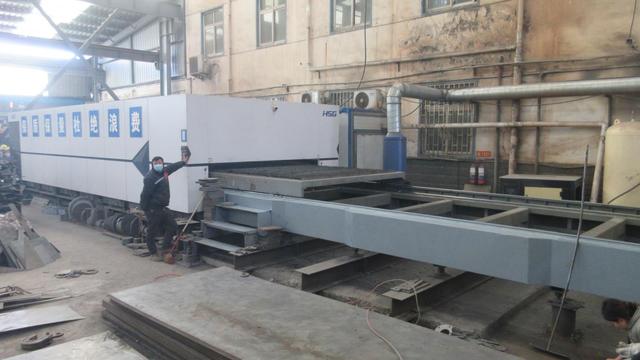
Strict ISO 9001 and CE certifications ensure that every unit delivered to Illinois meets international safety and operational standards. We utilize 230+ specialists to oversee the precision laser cutting and robotic welding of our tanks.
Our strategic location and volume-based shipping contracts allow us to deliver large-scale components to Chicago ports or inland hubs with 20-30% lower freight-inclusive costs than European competitors.
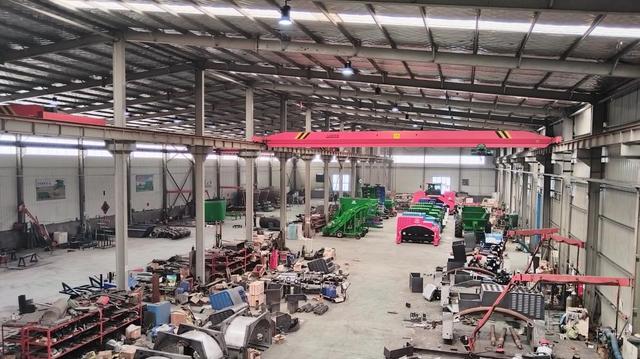
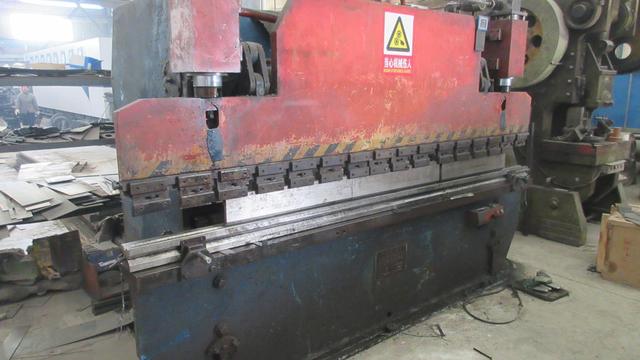
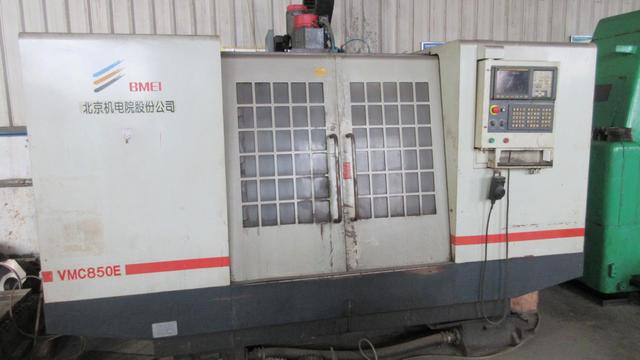
AgBio Energy integrates engineering expertise, process optimization, and advanced manufacturing technologies to develop reliable composting and organic waste recycling systems. The company operates modern production workshops, assembly lines, and testing facilities to ensure product quality, operational efficiency, and long-term reliability. Strict quality management procedures are implemented throughout product development, manufacturing, installation, and customer support processes.
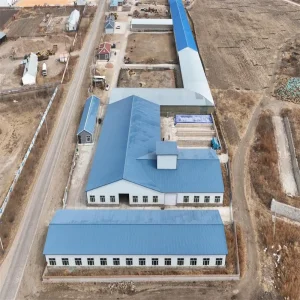
Chengdu AgBio Energy Co., Ltd. is a professional manufacturer specializing in organic waste composting equipment, food waste recycling systems, and sustainable waste treatment solutions. Established in 2013 and headquartered in Chengdu, Sichuan Province, China, the company is dedicated to helping businesses, agricultural operations, municipalities, and environmental service providers transform organic waste into valuable resources. With a modern manufacturing facility covering more than 16,000 square meters and a team of over 230 employees, AgBio Energy delivers efficient and environmentally responsible waste management technologies to customers around the world.
The company's product portfolio includes organic waste composting machines, food waste treatment systems, aerobic fermentation equipment, agricultural waste recycling solutions, manure composting systems, organic fertilizer production lines, municipal bio-waste treatment equipment, and intelligent composting management systems. These solutions are widely used in farms, food processing facilities, restaurants, hotels, commercial waste treatment centers, agricultural cooperatives, and municipal environmental projects.
In addition to standard equipment, AgBio Energy offers OEM and ODM services, providing customized waste treatment solutions tailored to specific project requirements, processing capacities, and operational environments. The company works closely with environmental organizations, agricultural enterprises, waste management operators, and project contractors worldwide.
Navigating the EPA (Environmental Protection Agency) and Illinois State regulations requires more than just good machinery—it requires Information Gain through localized engineering adjustments. All our systems for the Chicago market are designed to meet:
Our fermentation tanks and membrane covers are designed with multi-layer thermal insulation. The aerobic process itself generates heat (thermophilic stage at 55-70°C), which is maintained by our intelligent PLC systems even when Chicago temperatures drop below freezing.
Typically, by diverting waste from high-cost landfills in the Midwest and selling the stabilized organic fertilizer to local landscaping or agricultural buyers, municipalities see a full CAPEX return within 18-36 months.
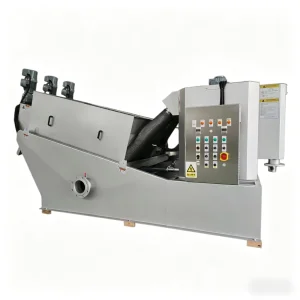
Absolutely. Our modular design allows for "Plug-and-Play" integration. We can customize the shredding and dewatering front-ends to match your current conveyor systems.
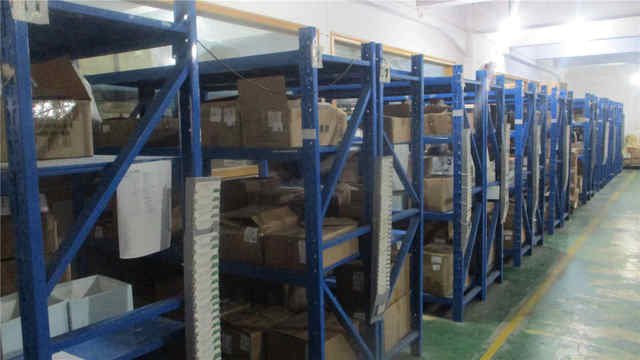
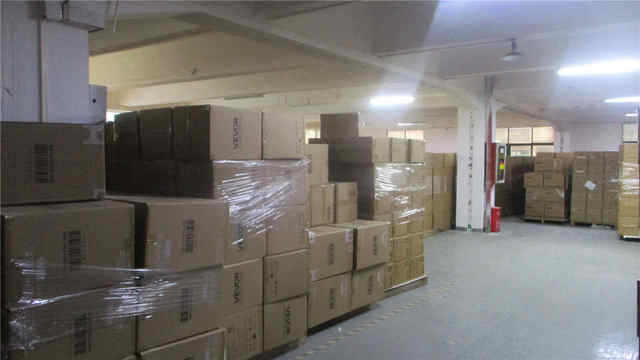
We provide comprehensive digital commissioning support and can deploy engineering supervisors for large-scale municipal installations. Our Chengdu factory maintains a stock of critical wearing parts for rapid 48-hour dispatch.
Connect with our expert growth directors for a site-specific consultation in the Chicago Metropolitan Area.
 AgBio Energy