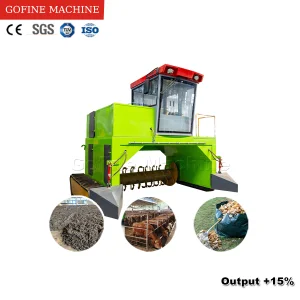
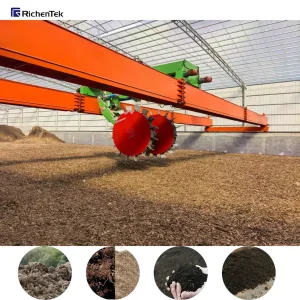
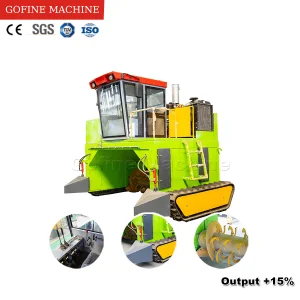
As the economic engine of the Kansai region, Osaka represents a unique nexus of urban density and high-value peri-urban agriculture. The Osaka Prefectural Government has set ambitious SDGs (Sustainable Development Goals) targets, focusing on carbon neutrality by 2050. This mandate has trickled down to the industrial and agricultural sectors, where the management of "agricultural waste" is no longer viewed as a disposal challenge, but as a resource recovery opportunity.
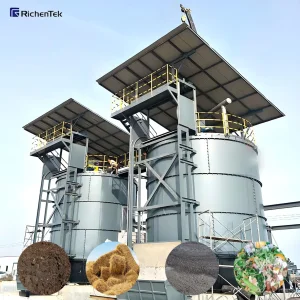
Local enterprises in Sakai, Kishiwada, and Higashiosaka are increasingly seeking Agricultural Waste Composting Machine Manufacturers who can provide systems capable of operating within confined urban-rural interfaces. The Osaka market demands high-efficiency, low-odor, and zero-leakage aerobic fermentation technology to comply with strict Japanese environmental regulations (Environmental Impact Assessment Law).
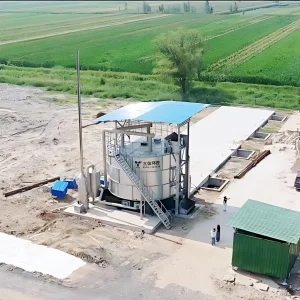
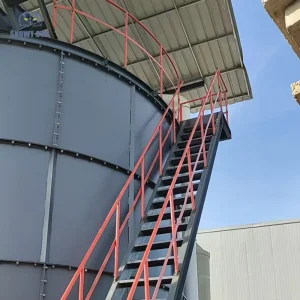
Compact designs tailored for Osaka's limited land availability, ensuring maximum throughput per square meter.
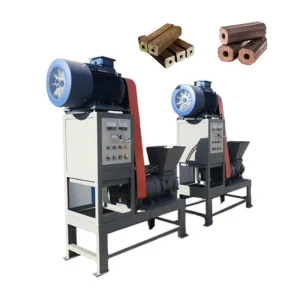
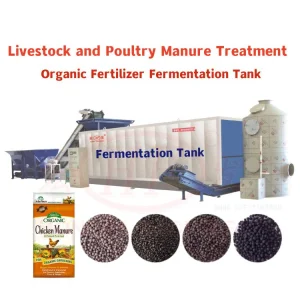
Converting rice straw and vegetable residues from the Yodogawa basin into organic fertilizer for local soil health.
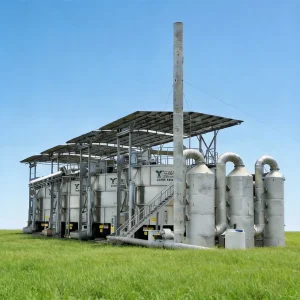
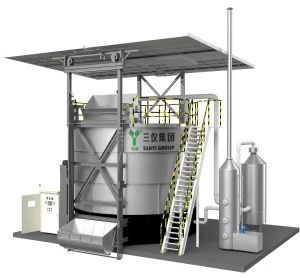
Advanced filtration and deodorization systems exceeding the Kansai region's emission standards.
Globally, the organic waste management market is shifting from traditional landfilling to Advanced Aerobic Fermentation. This transition is driven by three main factors: rising chemical fertilizer costs, the surge in organic farming, and the monetization of carbon credits.
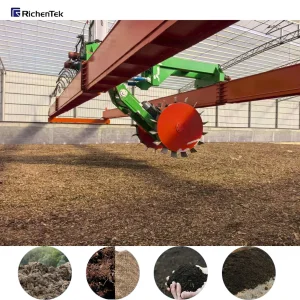
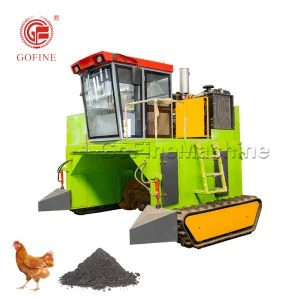
Manufacturers are now integrating AI and IoT sensors into composting machines. These systems monitor real-time oxygen levels, moisture content (C:N ratio), and internal temperature. For a sophisticated market like Osaka, these "Smart Composting" features allow for remote monitoring via smartphones, reducing the labor cost—a critical factor in Japan’s aging workforce economy.
Procurement departments from multinational corporations (MNCs) are increasingly prioritizing Supply Chain Resilience. They are moving away from single-source local procurement to a "China + 1" or direct-from-tier-1-factory model to secure better pricing and faster customization cycles.
Sqm Production Base
Technical Experts
Industry Leadership
Supply Chain Reach
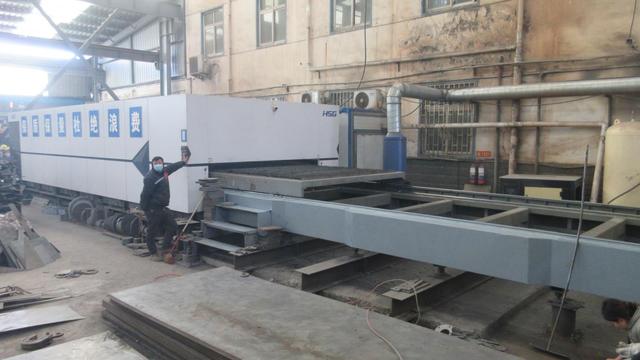
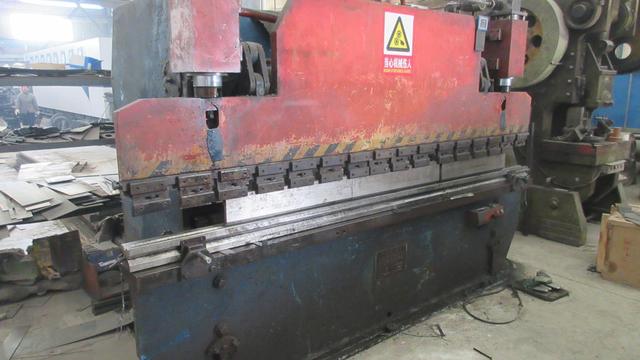
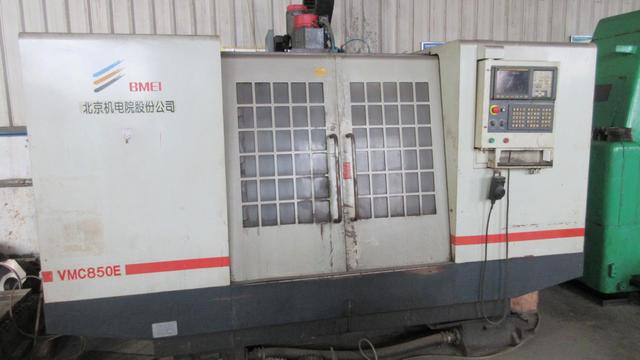
The efficiency of Chengdu AgBio Energy Co., Ltd. is a testament to the "China Factory 4.0" paradigm. By integrating advanced CNC machining, automated welding robots, and a modular supply chain, we deliver high-performance composting machinery at a fraction of the cost of domestic Japanese brands, without compromising on quality.
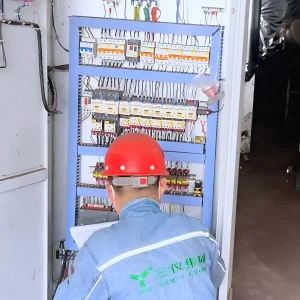
Our facility in Sichuan acts as a global hub, offering OEM/ODM flexibility. For the Osaka market, this means we can customize machines to handle specific local waste streams—such as tea dregs, soybean residue from tofu production, or rice husks—with specific voltage (200V 3-phase) and safety certifications required for Japanese industrial use.
Chengdu AgBio Energy Co., Ltd. is a professional manufacturer specializing in organic waste composting equipment, food waste recycling systems, and sustainable waste treatment solutions. Established in 2013 and headquartered in Chengdu, Sichuan Province, China, the company is dedicated to helping businesses, agricultural operations, municipalities, and environmental service providers transform organic waste into valuable resources.
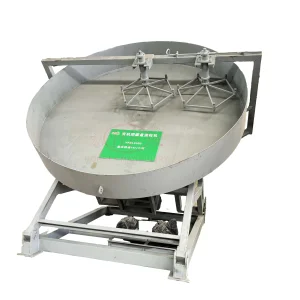
With a modern manufacturing facility covering more than 16,000 square meters and a team of over 230 employees, AgBio Energy delivers efficient and environmentally responsible waste management technologies to customers around the world. The company's product portfolio includes organic waste composting machines, food waste treatment systems, aerobic fermentation equipment, agricultural waste recycling solutions, manure composting systems, organic fertilizer production lines, and intelligent composting management systems.
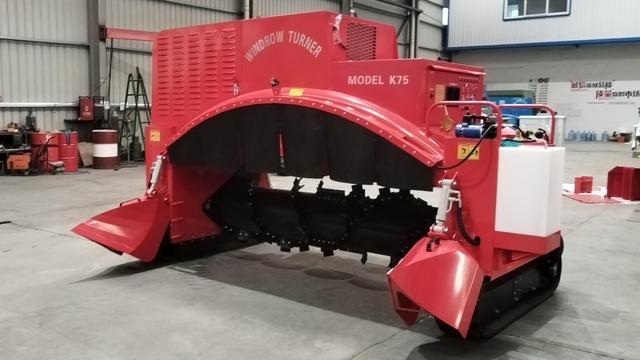
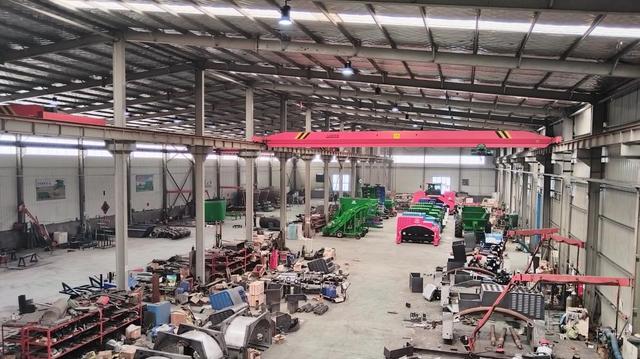
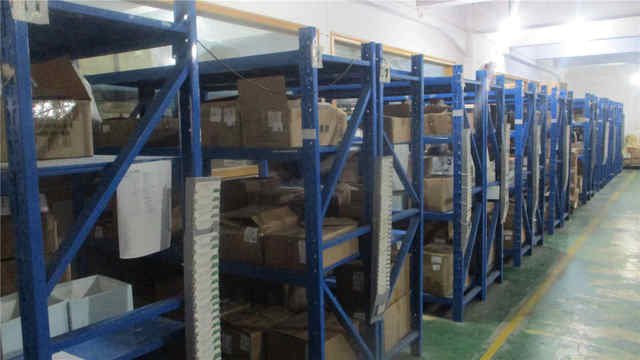
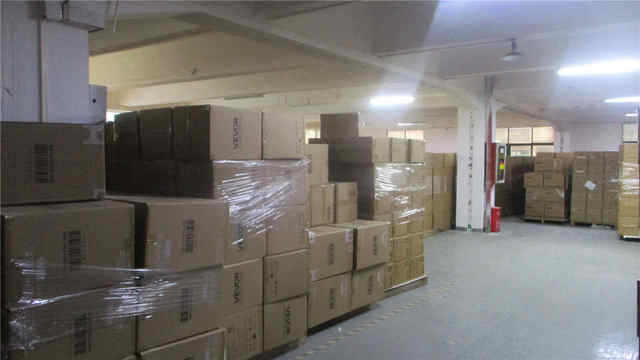
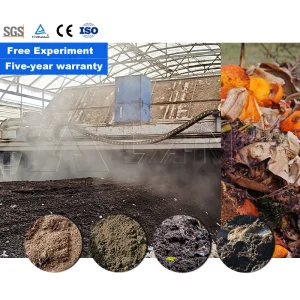
Using our advanced aerobic fermentation technology, organic waste can be converted into stable organic fertilizer in as little as 24 to 96 hours, depending on the material type and moisture level.
Yes, we provide specific customization for Osaka and the wider Japanese market, including 200V electrical configurations, Japanese-language PLC interfaces, and localized odor control modules.
Most industrial clients in Osaka see an ROI within 12 to 24 months through the elimination of waste disposal fees and the sale or use of the generated organic fertilizer.
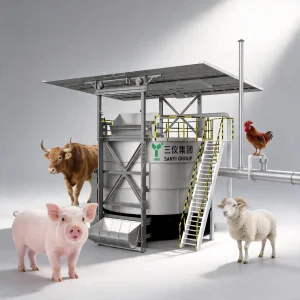
Our "Multipurpose" series is specifically designed to handle mixed streams, including rice straw, coconut coir, soybean dregs, and livestock manure simultaneously.
 AgBio Energy