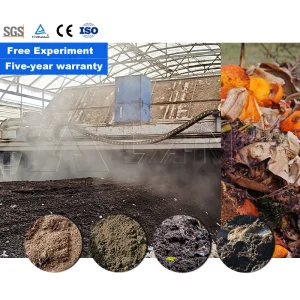
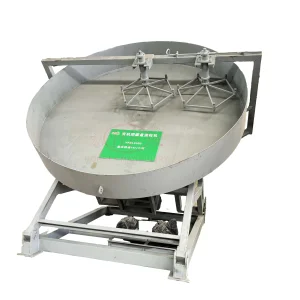
Engineered for rapid decomposition, high thermal efficiency, and robust operation in tropical climates.
The Philippines, as an agrarian economy, generates millions of metric tons of agricultural biomass and organic waste annually. From the vast rice paddies of Central Luzon to the extensive coconut plantations in Calabarzon and Mindanao, managing agricultural residues remains a critical challenge. Historically, open-field burning of rice straw (locally known as dayami) and sugarcane bagasse has contributed to severe air pollution and greenhouse gas emissions. Concurrently, the rapid expansion of poultry and livestock farms in provinces like Batangas and Bulacan has intensified the challenge of manure disposal, leading to water contamination and odor complaints in rural-urban fringes.
Under the mandate of the Ecological Solid Waste Management Act (Republic Act 9003) and the Organic Agriculture Act (Republic Act 10068), the Philippine government is actively promoting the diversion of organic waste from landfills and the elimination of open burning. Agricultural waste composting machines have emerged as a pivotal technology, converting raw biomass, crop residues, and animal manure into high-value organic fertilizers. This circular economy model not only mitigates environmental hazards but also reduces the country's heavy reliance on imported chemical fertilizers, enhancing soil health and crop resilience against climate-induced droughts and typhoons.
Our composting systems enable local government units (LGUs) and private agricultural enterprises to achieve the mandated 60% waste diversion target through localized organic recycling.
Engineered to reduce processing time from months to just 7-14 days, preventing anaerobic odor formation and maximizing nutrient retention in the final compost product.
Overcoming tropical climate constraints, high moisture content, and operational bottlenecks with advanced engineering.
Philippine agricultural waste, such as banana pseudostems, pineapple pulp, and fresh poultry manure, often exhibits moisture levels exceeding 70%. Standard composting methods fail under these conditions, leading to anaerobic compaction. Our machines integrate advanced moisture control systems and specialized mixing rotors to handle high-water-content biomass efficiently.
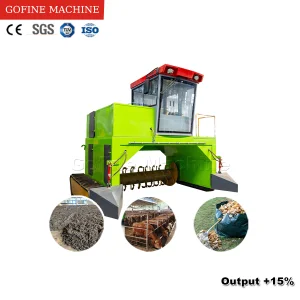
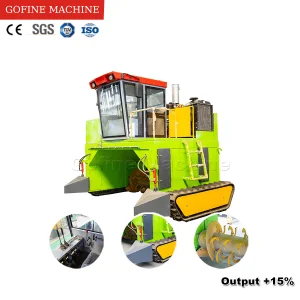
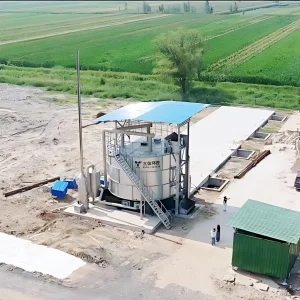
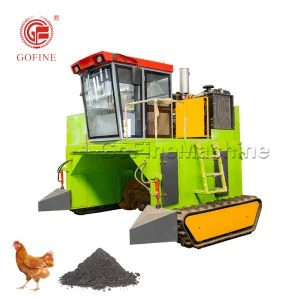
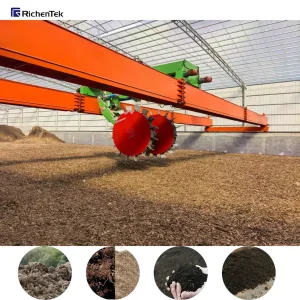
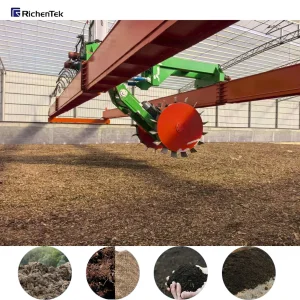
The high humidity and heavy rainfall of the Philippine wet season can waterlog open compost piles, halting the aerobic process. Our enclosed aerobic fermentation tanks and covered crawler-type windrow turners protect the composting mass from external precipitation while maintaining optimal internal thermophilic temperatures (55-65°C) required to kill pathogens and weed seeds.
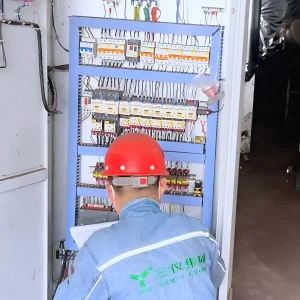
With electricity costs in the Philippines being among the highest in Asia, operational energy efficiency is paramount. AgBio Energy composting machines utilize variable frequency drives (VFDs) and optimized hydraulic systems to minimize power consumption during peak load phases, ensuring cost-effective continuous operation.
Tailored composting configurations designed for the specific agricultural sub-sectors of the archipelago.
Region: Central Luzon, Calabarzon, and Bicol Region.
The Challenge: High lignin and cellulose content in coconut husks and rice straw makes natural decomposition extremely slow (up to 6 months).
The Solution: Our heavy-duty agricultural waste composting machinery utilizes high-torque shredding and automated turning to break down structural fibers, accelerating carbon-nitrogen stabilization when mixed with nitrogen-rich animal manure.
Region: Batangas, Bulacan, and Pampanga.
The Challenge: Severe odor emissions, fly breeding, and strict environmental regulations from the Department of Environment and Natural Resources (DENR).
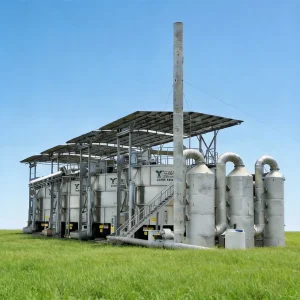
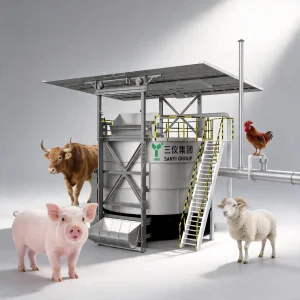
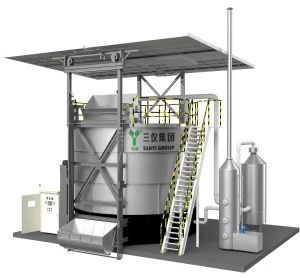
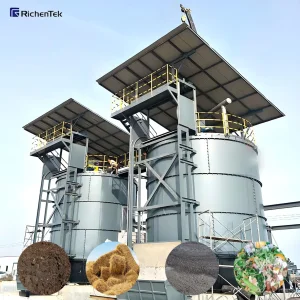
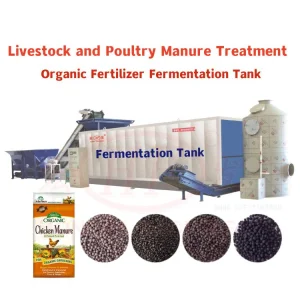
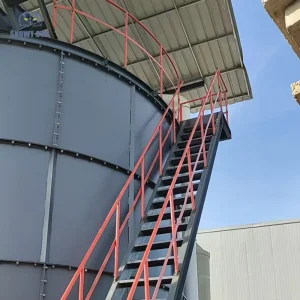
The Solution: Enclosed vertical aerobic fermentation tanks. The fully sealed system processes raw chicken manure into organic fertilizer within 7 days, utilizing biofilters for 100% odor control and compliance with local sanitation standards.
Region: Davao Region, Bukidnon, and Negros Occidental.
The Challenge: Massive daily accumulation of crop residues during harvest seasons, requiring rapid clearing to prevent soil-borne diseases.
The Solution: Crawler-type windrow compost turners. These high-capacity mobile units process windrows directly in the field, turning agricultural waste into soil-conditioning mulch and compost, reducing chemical input costs for the next crop cycle.
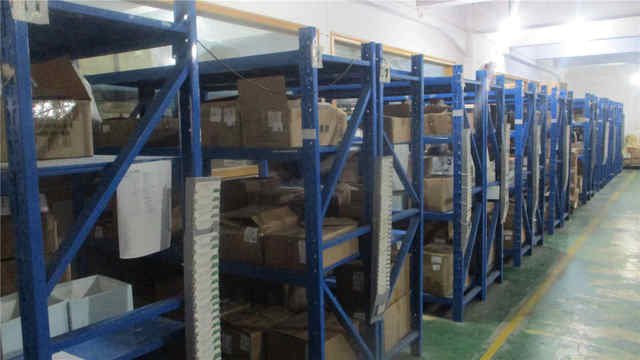
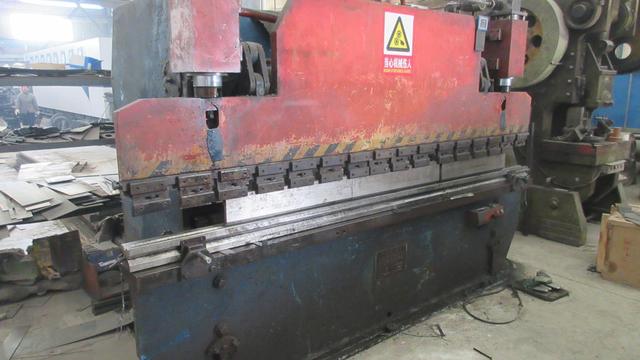
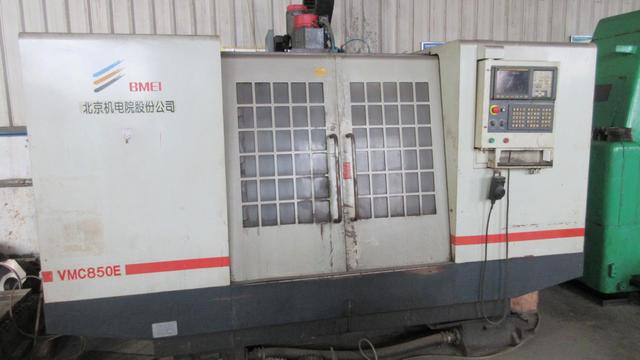
Partnering with Chengdu AgBio Energy Co., Ltd. provides Philippine agricultural enterprises and municipal contractors with a distinct competitive edge. Located in Chengdu, Sichuan Province, our 16,000-square-meter modern manufacturing facility integrates the complete production lifecycle—from raw material sourcing and precision CNC machining to final assembly and rigorous quality control testing.
Our supply chain advantages include:
A global leader in organic waste recycling systems and sustainable environmental engineering.
Established in 2013, Chengdu AgBio Energy Co., Ltd. is a professional manufacturer specializing in organic waste composting equipment, food waste recycling systems, and sustainable waste treatment solutions. Headquartered in Chengdu, Sichuan Province, China, the company is dedicated to helping businesses, agricultural operations, municipalities, and environmental service providers transform organic waste into valuable resources. With a modern manufacturing facility covering more than 16,000 square meters and a team of over 230 employees, AgBio Energy delivers efficient and environmentally responsible waste management technologies to customers around the world.
The company's product portfolio includes organic waste composting machines, food waste treatment systems, aerobic fermentation equipment, agricultural waste recycling solutions, manure composting systems, organic fertilizer production lines, municipal bio-waste treatment equipment, and intelligent composting management systems. These solutions are widely used in farms, food processing facilities, restaurants, hotels, commercial waste treatment centers, agricultural cooperatives, and municipal environmental projects.
AgBio Energy integrates engineering expertise, process optimization, and advanced manufacturing technologies to develop reliable composting and organic waste recycling systems. The company operates modern production workshops, assembly lines, and testing facilities to ensure product quality, operational efficiency, and long-term reliability. Strict quality management procedures are implemented throughout product development, manufacturing, installation, and customer support processes.
In addition to standard equipment, AgBio Energy offers OEM and ODM services, providing customized waste treatment solutions tailored to specific project requirements, processing capacities, and operational environments. The company works closely with environmental organizations, agricultural enterprises, waste management operators, and project contractors worldwide. Committed to innovation, sustainability, and resource recovery, Chengdu AgBio Energy Co., Ltd. continues to support global efforts toward circular economy development, landfill reduction, and environmentally responsible organic waste management through advanced composting and recycling technologies.
Take a virtual tour of our 16,000+ square meter factory in Chengdu, China.
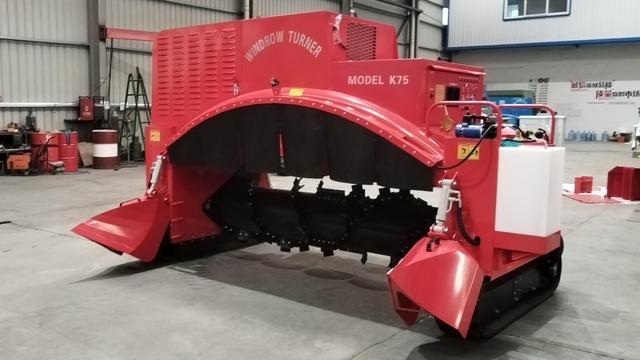
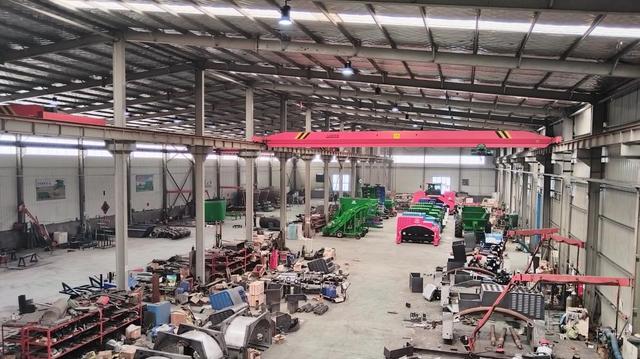
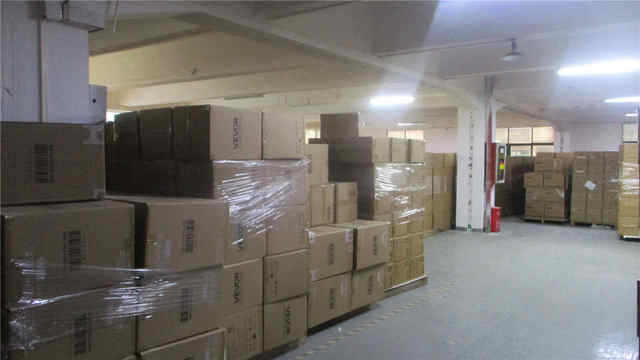
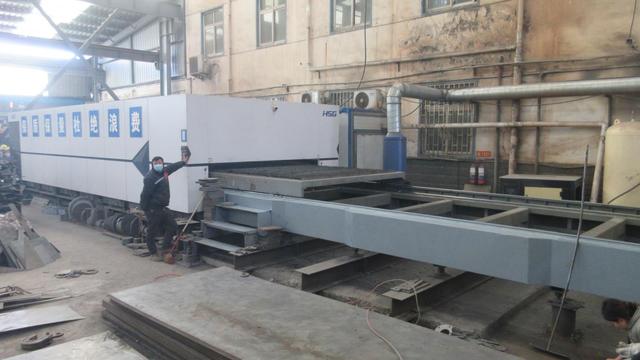
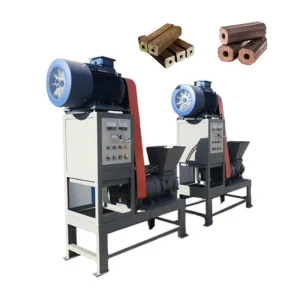
Explore our comprehensive range of aerobic fermentation tanks, windrow turners, and organic fertilizer production lines.
Expert answers to common questions regarding procurement, customization, and operation of composting machinery in the Philippines.
Contact our engineering team today to receive a detailed technical proposal, customized layout drawings, and a competitive factory-direct quotation tailored to your project requirements in the Philippines.
Send Inquiry Now AgBio Energy